
Troglodyte Villages in France: Where to Go and How to Choose
Where to find France's troglodyte villages, from the Loire to the Dordogne. Compare sites, plan time and access, and pick the right one for your trip.
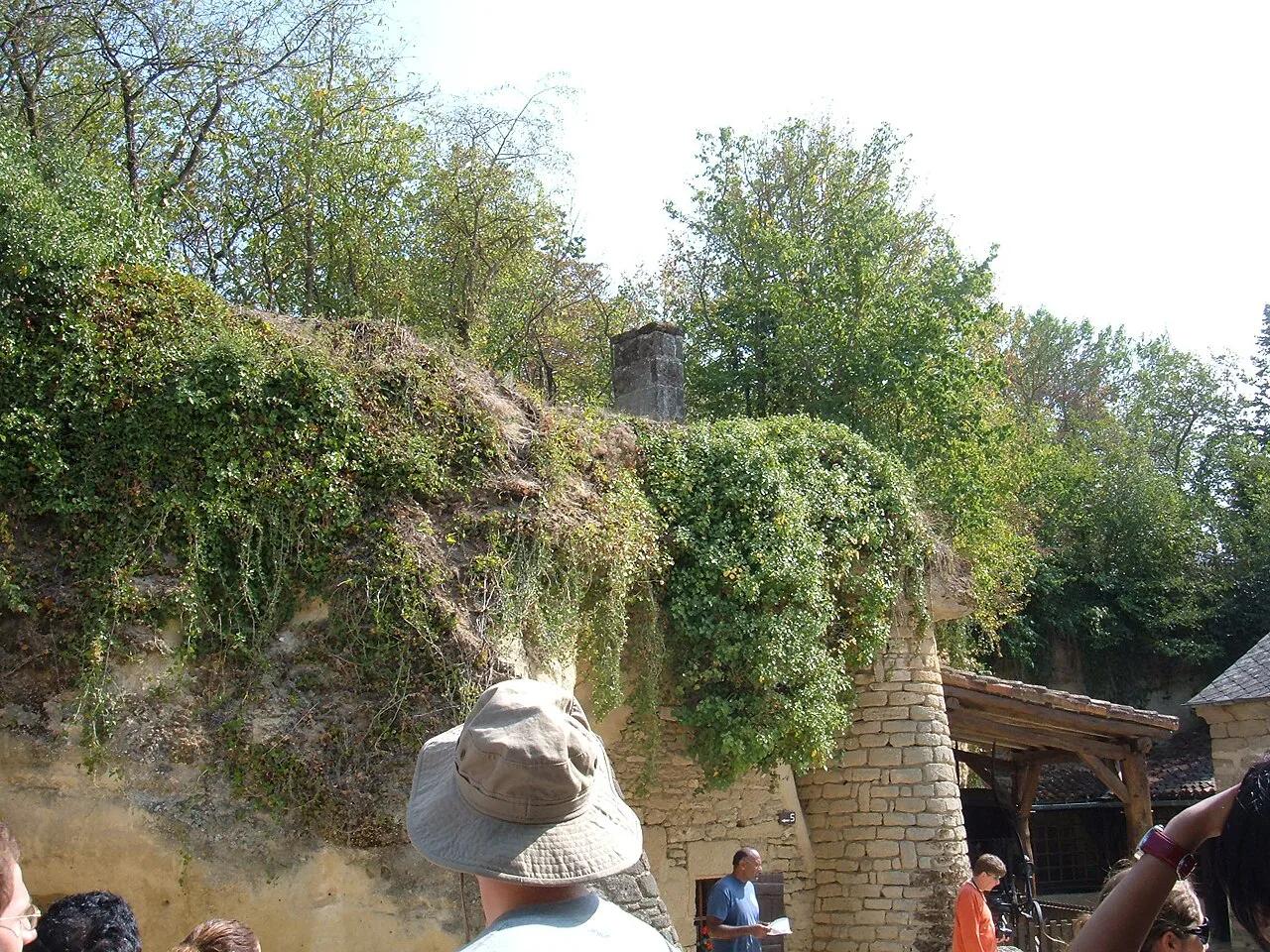
Last updated November 2026: troglodyte villages in France are mostly in the Loire Valley around Saumur, where homes, cellars and farms were dug into tuffeau limestone. Rochemenier in Maine-et-Loire is the clearest example of a farming village built underground in falun rock. First-timers and families should base themselves in the Loire, while prehistory fans can add the cliff sites of the Vézère valley in the Dordogne.
Featured image: BrokenSphere, CC BY-SA 3.0, via Wikimedia Commons.
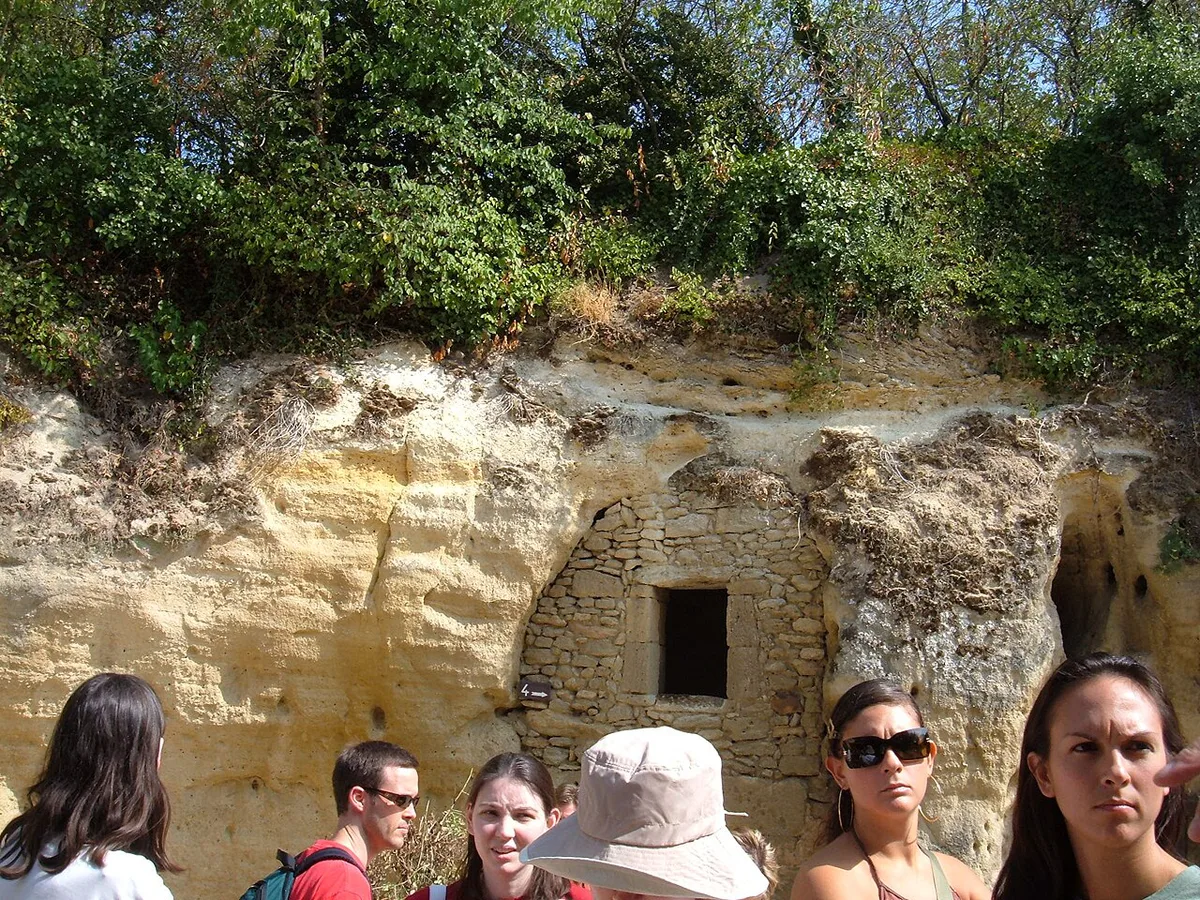
Troglodyte villages in France: which one should you visit?
France has two main areas for rock-carved dwellings. The Loire Valley is dense, easy to link by car and built around real farms, cellars and homes. The Dordogne has fewer sites, but they are larger cliff-face settlements. Use the table to match a region to your trip.
| Region | Best example | Type | Best for | Time needed | Car needed? |
|---|---|---|---|---|---|
| Loire (Anjou) | Rochemenier | Underground farm village | First-timers, families | Half day | Usually |
| Loire (Saumur) | Turquant and Saumur area | Cave homes, cellars, restaurants | Food and stays | Half day | Usually |
| Dordogne (Vézère) | La Roque Saint-Christophe | Cliff-face settlement | Prehistory, big scale | Half day | Usually |
| Dordogne (Vézère) | Village de la Madeleine | Partly reconstructed cliff village | History fans | Half day | Usually |
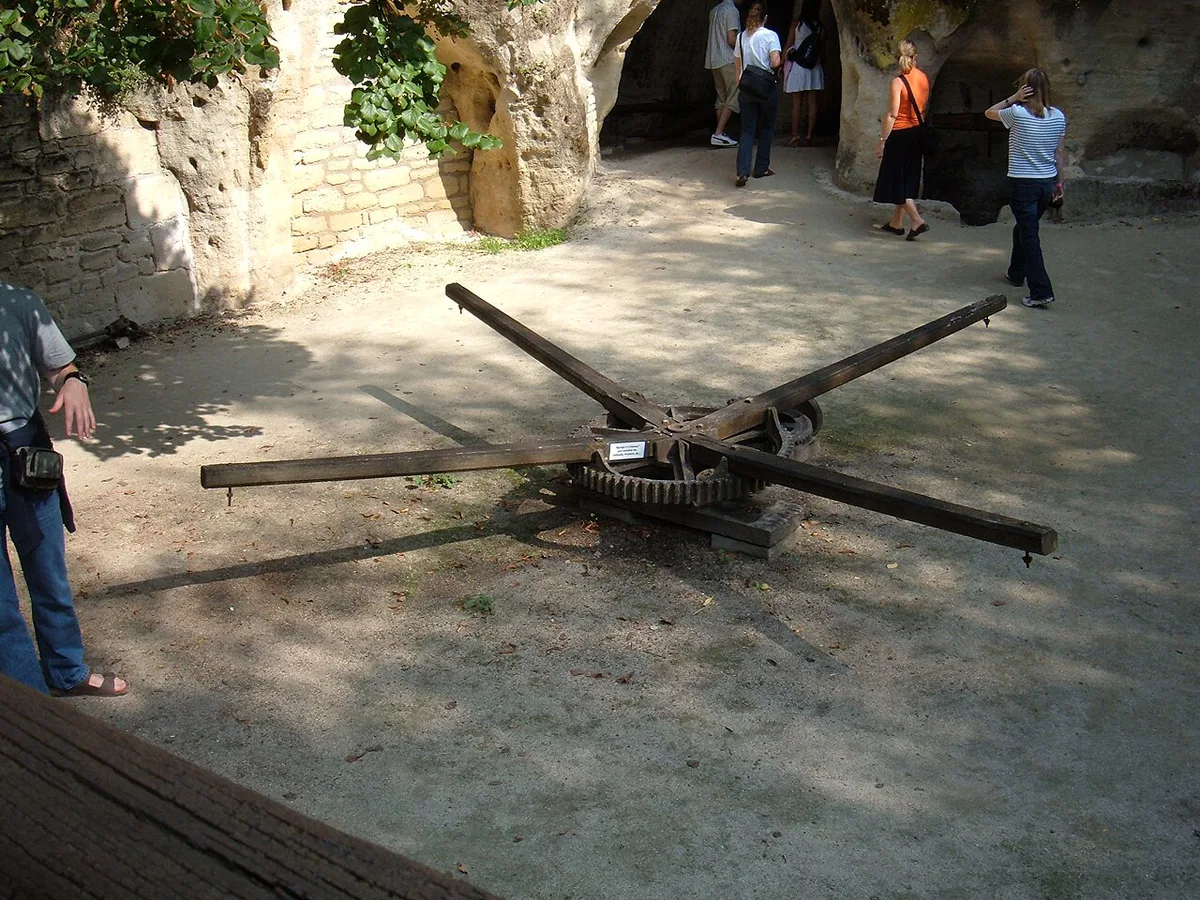
Loire Valley around Saumur: the easiest region
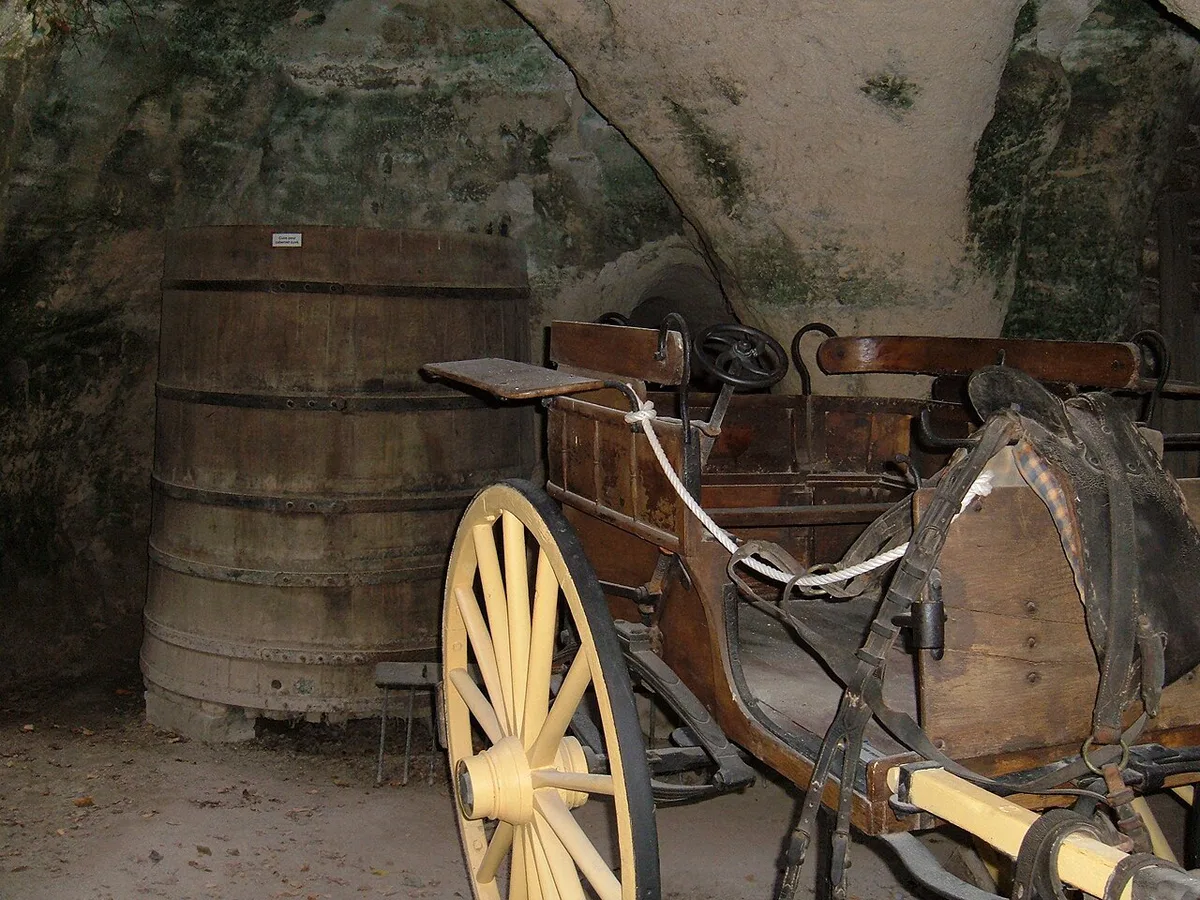
Anjou and Saumur hold the highest concentration of cave dwellings in France. Soft tuffeau and falun rock were easy to carve, so families dug homes, wine cellars and stables straight into hillsides and quarry floors. Rochemenier is the standout. The village has underground farms, houses and a chapel cut into falun rock, and the official Rochemenier site carries current visiting details. For a closer look at its layout, read about Rochemenier's underground farms. Near the river, Turquant's cave houses show how the same rock now serves wine makers and craft studios. Around town, Saumur's cave dwellings are the third stop worth adding. Regional context and seasonal events are on the Saumur tourism board site.
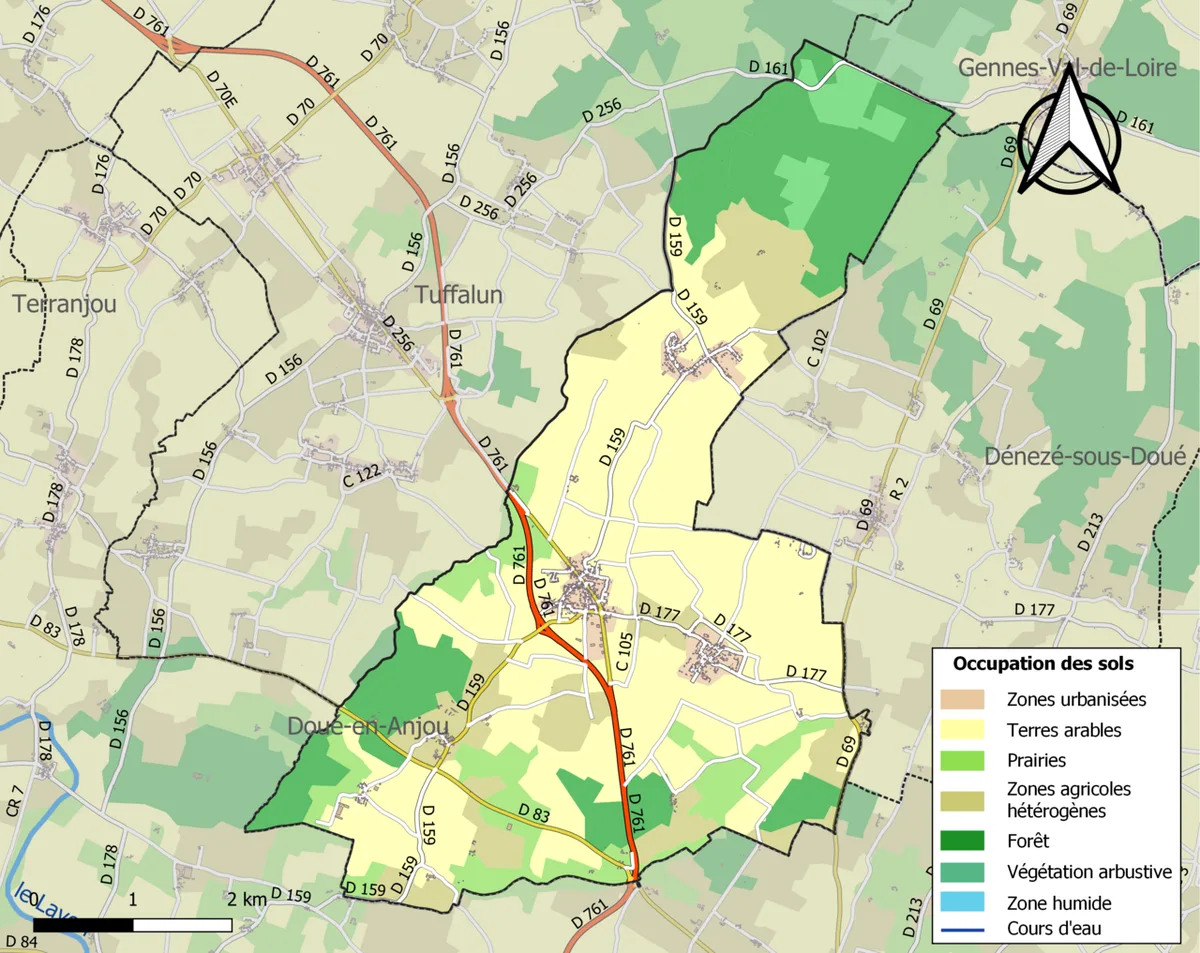
- Rochemenier: farm village with underground chapel, best for families.
- Turquant: cave homes along the Loire, best for a relaxed half day.
- Saumur area: cave dwellings close to town, easy to pair with a meal.
Dordogne and the Vézère valley: cliff-face sites
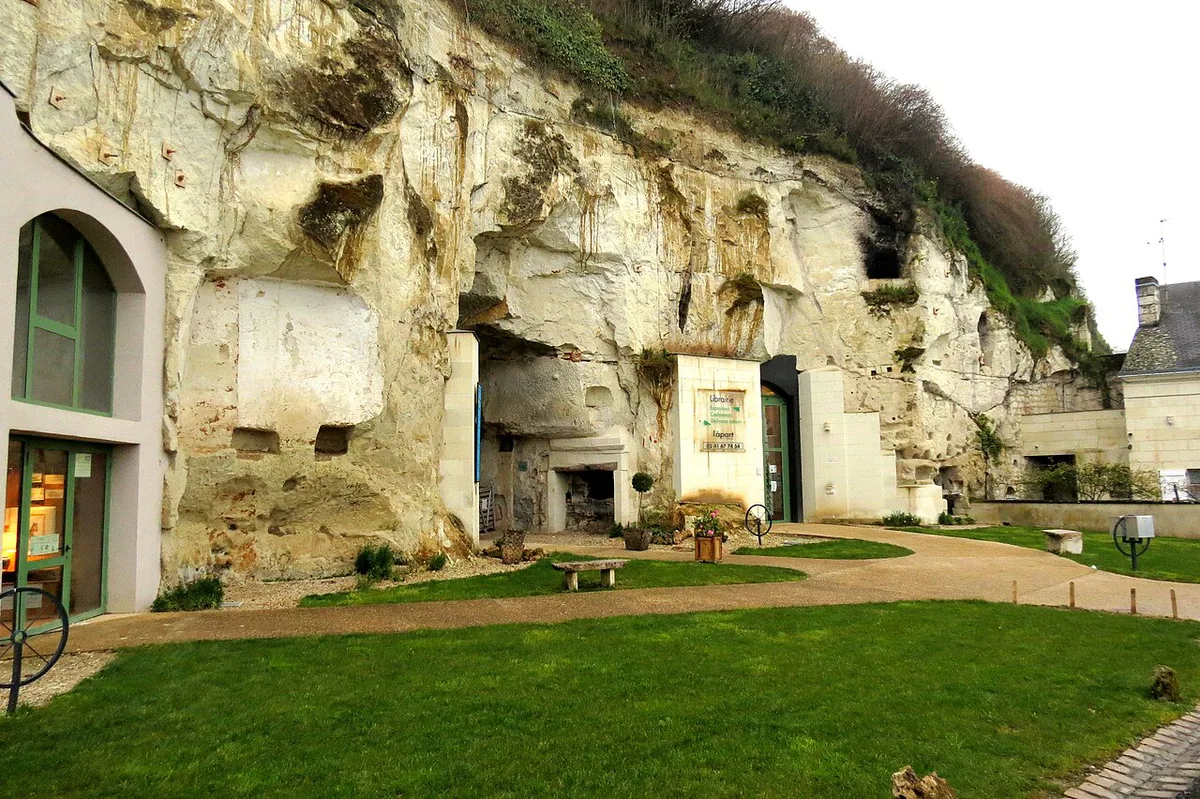
These sites are cliffs with dwellings, not village streets. La Roque Saint-Christophe is reported to run about 1 km (0.6 miles) along a limestone wall that rises roughly 80 m (260 ft). Reconstructed rooms show how people lived in the rock face. Village de la Madeleine sits beside the Vézère on three levels and is partly rebuilt. Operators describe it as tracing 17,000 years of history. Expect more climbing and open ground than in the Loire. Compared with the Loire, the Dordogne offers scale and prehistory, while Anjou offers density and ease.
Village de la Madeleine traces 17,000 years of history, yet the Dordogne sites still take only about half a day each.
Living village or museum? How to choose

Pick by what you want to see. Some Loire sites combine museum visits with cave homes that remain in use. Others, like the Vézère sites, are preserved or reconstructed settlements. Each type has trade-offs, so a quick filter helps.
- Underground farm village (Rochemenier): good for families and rainy days. Skip it if narrow steps and low ceilings are a problem.
- Working cave neighborhoods (Turquant, Saumur): good for food and slow walks. Skip them if you want a single guided museum.
- Cliff-face sites (La Roque Saint-Christophe, La Madeleine): good for prehistory and views. Skip them with limited mobility or small children who tire on steep paths.
Caves that are not villages
Two famous names get confused with troglodyte villages. Lascaux is a painted Paleolithic cave, discovered in 1940. Visitors see a replica, so check the official site for the current visit format. Gouffre de Padirac is a natural chasm with an opening about 35 m (115 ft) wide, leading to an underground river. Neither has houses carved by people, so treat them as separate day trips.
Padirac's opening is about 35 m (115 ft) wide, yet it is a natural chasm, so don't count it toward your troglodyte village total.
Planning time, access and weather
Most sites need a car, and none should be assumed reachable on foot from a station. Plan two to three days for a Loire loop, with about half a day per site. Treat the Dordogne as a separate add-on. Interiors stay cool all year, so bring a layer even in summer. Ticket prices, hours and seasonal closures change, so use each venue's official page and the Loire Valley tourism site before you set a route.
- Avoid visiting on closed days: check each site's calendar first.
- Do not assume every site is walkable from a station.
- Do not confuse caves with villages.
- Pack a layer for the cool interiors.
Where to stay and eat
Sleeping in rock is easiest in the Loire. Browse cave hotels across Europe to compare options, then narrow to Saumur and Anjou. For meals, cave restaurants in the Loire serve in carved dining rooms. Book both ahead in peak season.
Beyond France
Rock-cut living also survives elsewhere in Europe. Start with cave houses elsewhere in Europe for the wider picture. In Andalusia, Guadix, in Granada province, is the best known. Wider options are covered in cave houses across Spain. For another example in Almería, see Cuevas del Almanzora: Castle, Caves & Visitor Guide. For sleeping underground there, try Cave Hotels in Spain: Where to Stay in a Cueva. Rock-cut churches are a similar tradition, covered in Cave Churches in Europe: Where to See Rock-Cut Churches.
Frequently Asked Questions
What is a troglodyte in France?
In France, a troglodyte dwelling is a home, farm or cellar carved into rock. The densest examples are in the Loire Valley, where tuffeau and falun rock were easy to dig.
Notes for your next trip underground
Optional updates when we add or revise cave and underground guides.
More guides
More guides you'll find useful






