
Sea Caves in Norway: Where to See Them & How to Get There
Where to find sea caves in Norway, how to reach them by foot or boat, and the weather, safety and season rules that decide whether to go.
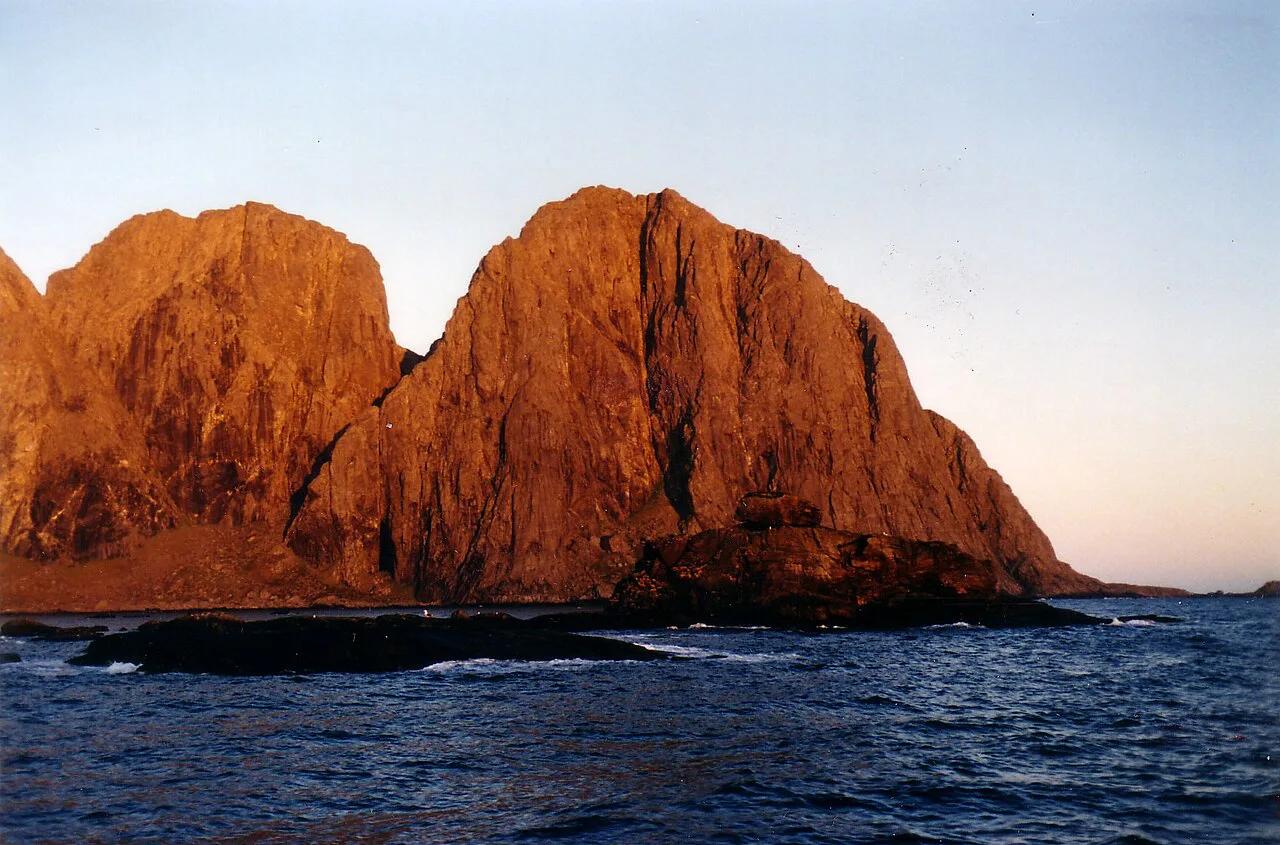
Last updated November 2026. Sea caves in Norway are wild coastal features, not ticketed show caves, and the best-known examples are Refsvika Cave near Vigra and Kollhellaren on Vågsøy. You reach them on foot along the shore or by boat, and access depends on swell, weather and daylight. For staffed underground attractions, see our guide to Caves in Norway: Best Caves to Visit and What to Expect.
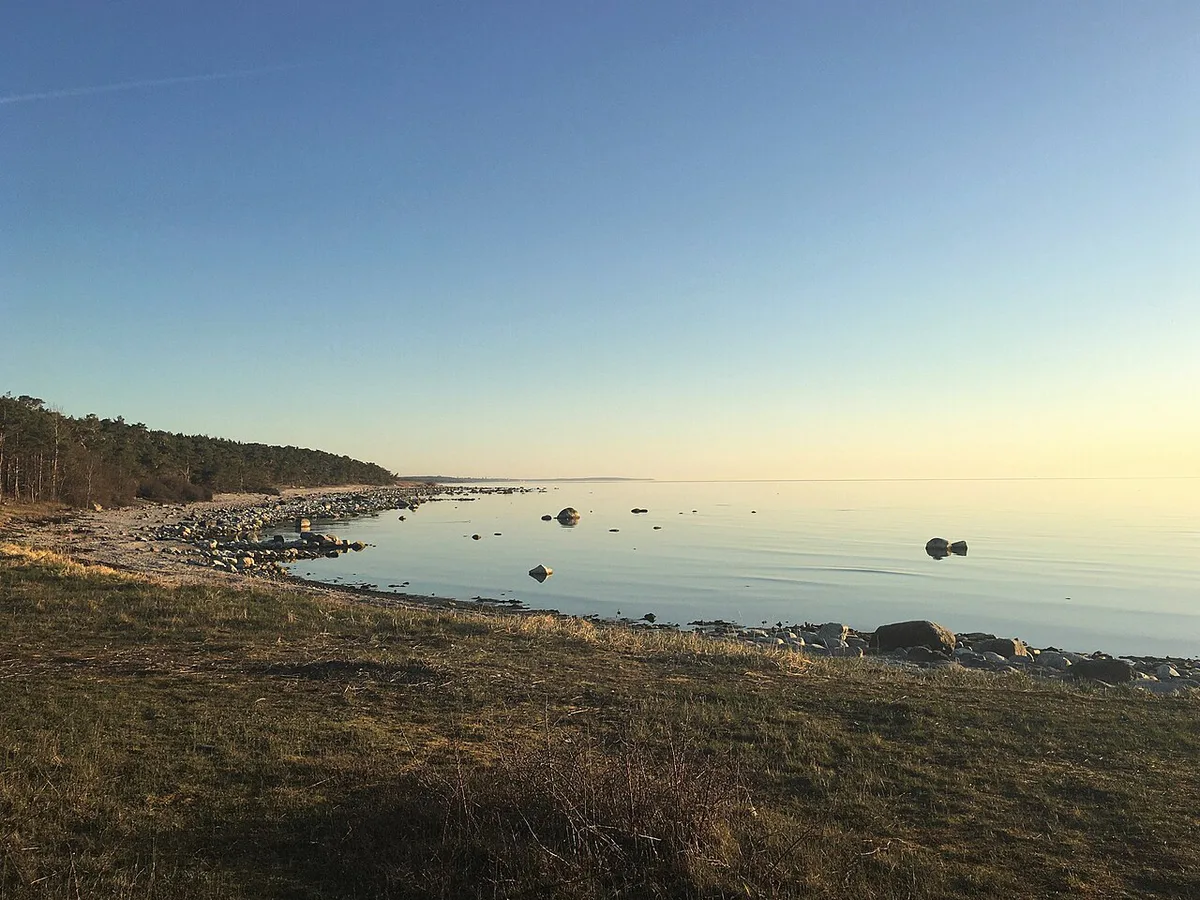
Featured image: Hans Olav Lien, CC BY-SA 3.0, via Wikimedia Commons.
Sea caves in Norway: the quick answer
Norway has coastal caves worth a detour, but no staffed sea-cave attractions with entry gates. Nobody sells tickets at Refsvika or Kollhellaren, and nobody guarantees conditions. Plan around the weather window rather than a booking slot.
- Refsvika Cave: coastal cave near Vigra, reached on foot or by boat.
- Kollhellaren: coastal cave on Vågsøy, reached on foot or by boat.
- Dollsteinhola: a rock cave on the island coast of Sande in Sunnmøre.
- Access: free and unstaffed, so you carry your own gear and judgement.
Norway's sea caves at a glance
Use this table to match a cave to your transport and your tolerance for exposed coast. Cost levels are relative, because no operator fees are published for walking access. Check Redningsselskapet and the local municipality before any boat or kayak plan.
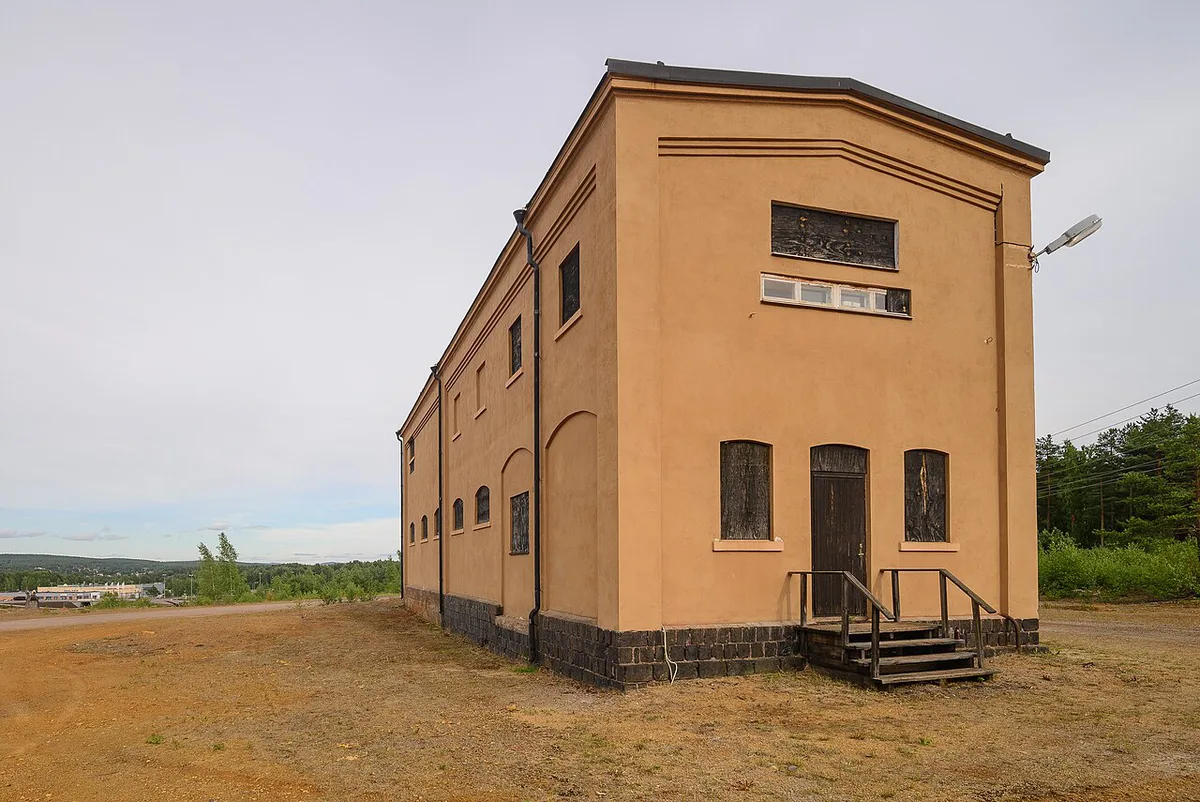
| Option | Access | Time | Cost level | Season | Best for |
|---|---|---|---|---|---|
| Refsvika Cave, near Vigra | Foot or boat | Half day | Free on foot; tour-priced by boat | Calm, light months | Walkers who like open coast |
| Kollhellaren, Vågsøy | Foot or boat | Half day | Free on foot; tour-priced by boat | Calm, light months | Base stays around Nordfjord |
| Dollsteinhola, Sande | Foot | Half day | Free | Dry, settled weather | Hikers wanting sea views |
Dollsteinhola and the Sunnmøre coast
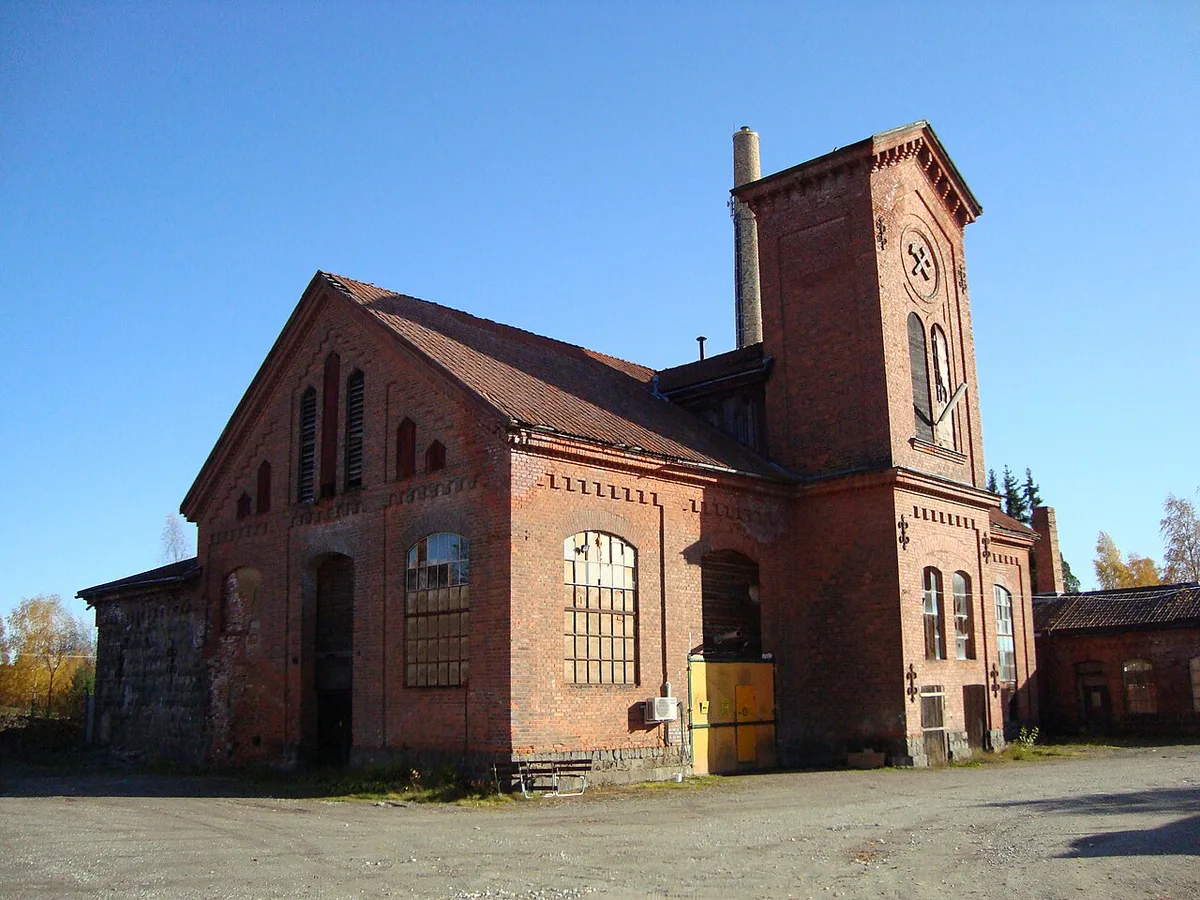
Sande sits at the far west of Sunnmøre, spread across several islands facing the open sea. Fjord Norway describes Dollsteinhola as one of the country's most distinctive mountain caves, so treat it as a hillside walk with sea views rather than a wave-cut cave. Coastal Sunnmøre works best with a car, and ferry planning matters. Ålesund and Runde are useful bases for context.
Refsvika and Kollhellaren: other coastal caves
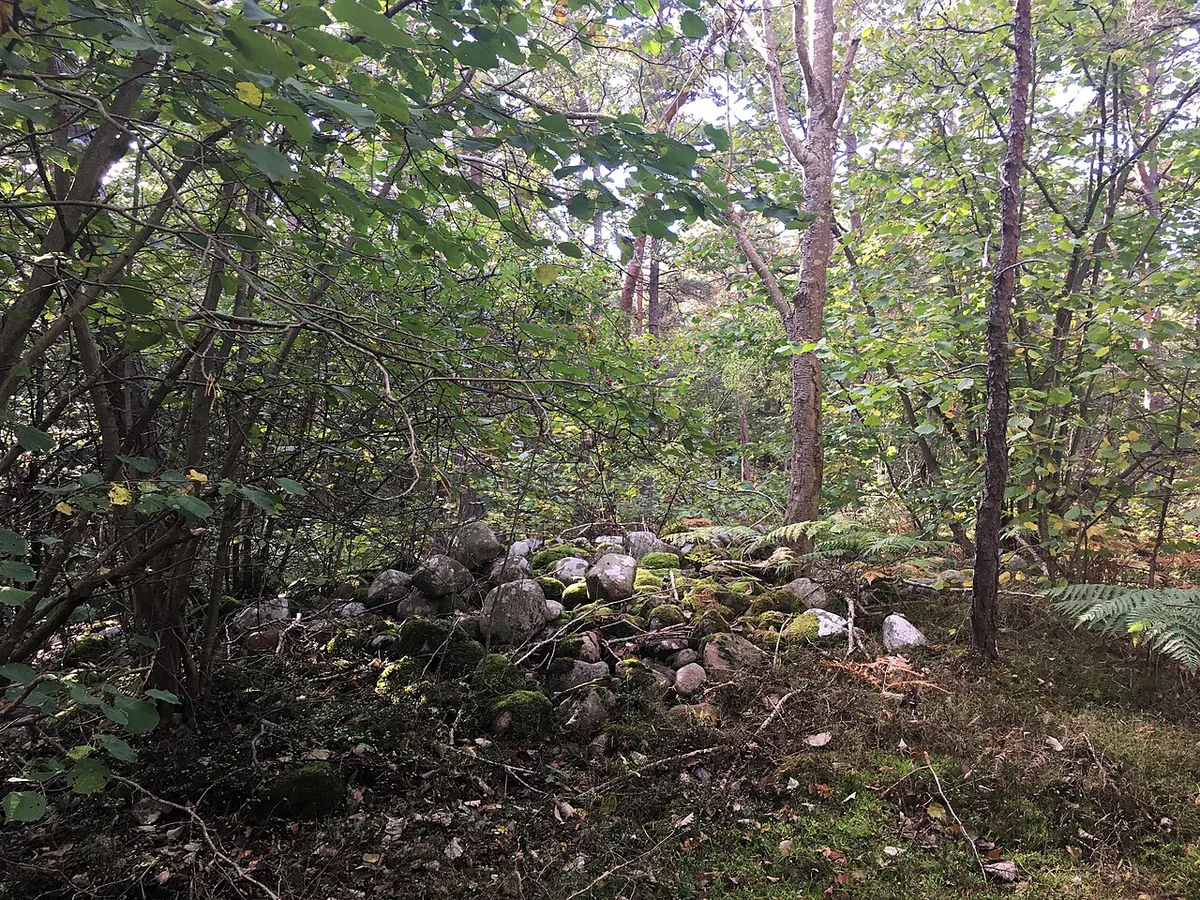
Refsvika Cave lies near Vigra, and Kollhellaren is on the island of Vågsøy. Both are shoreline features rather than managed sites, so the route, tide and swell on the day decide whether you go. Visit Nordfjord is the place to ask about Vågsøy access and local boat options. Decide on the day, and turn back if the sea is running.
Sea caves vs. mines vs. show caves
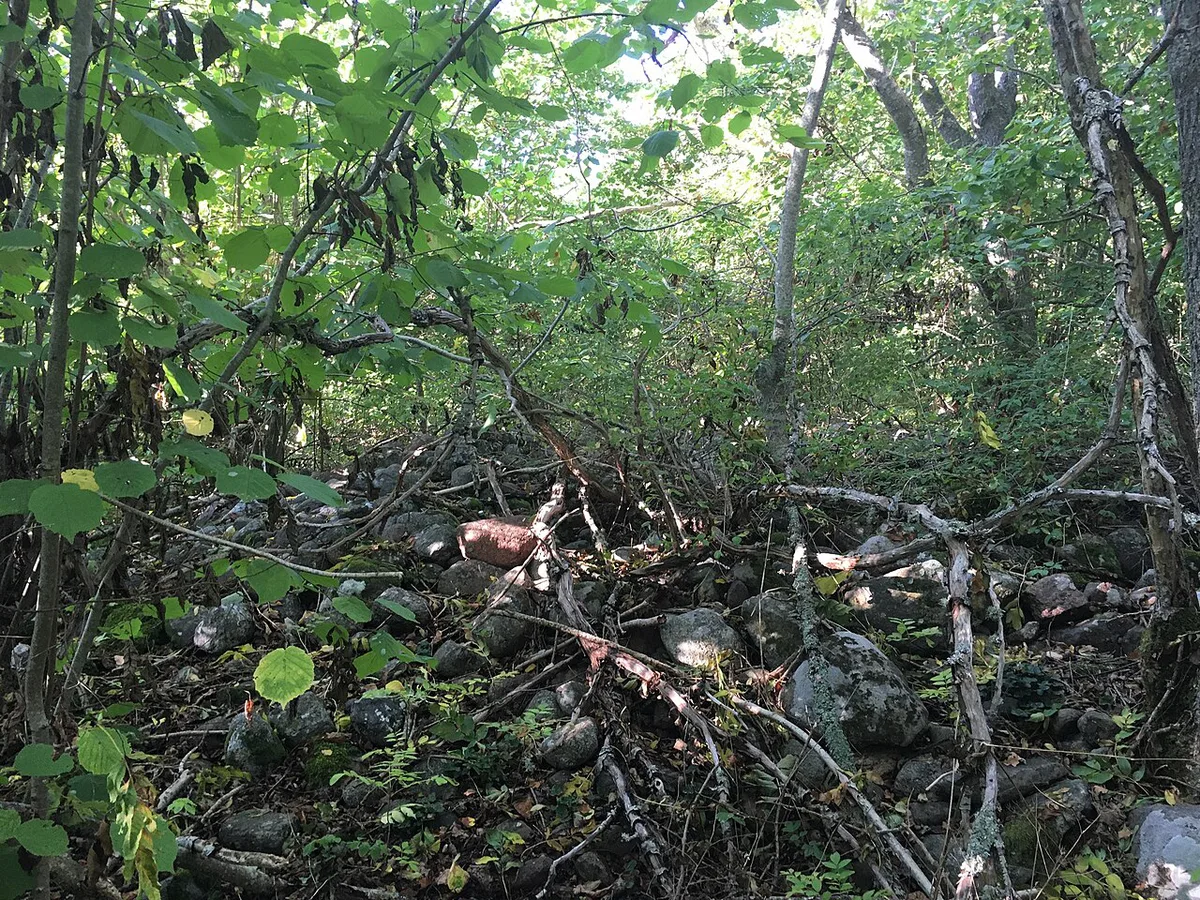
A sea cave is cut by waves at the shoreline. A mine is a worked tunnel, and a show cave is a lit, staffed attraction. Norway's staffed underground visits are mostly mines, such as the Kongsberg Silver Mines: King's Mine Tour & Visitor Guide and Røros mines. Hustadvika's marble mines and the Lykling gold mines on Bømlo are mines too, not sea caves. Ice caves are a separate, seasonal, guided-only topic.
How to plan your time
Give each cave a half day, including the approach and the walk back. Pair one cave with a coastal base rather than chasing several in a day. Check the Norwegian Meteorological Institute forecast the evening before and again in the morning. Set a go/no-go rule in advance: no swell, light wind, and daylight to spare.
Costs, access and getting around
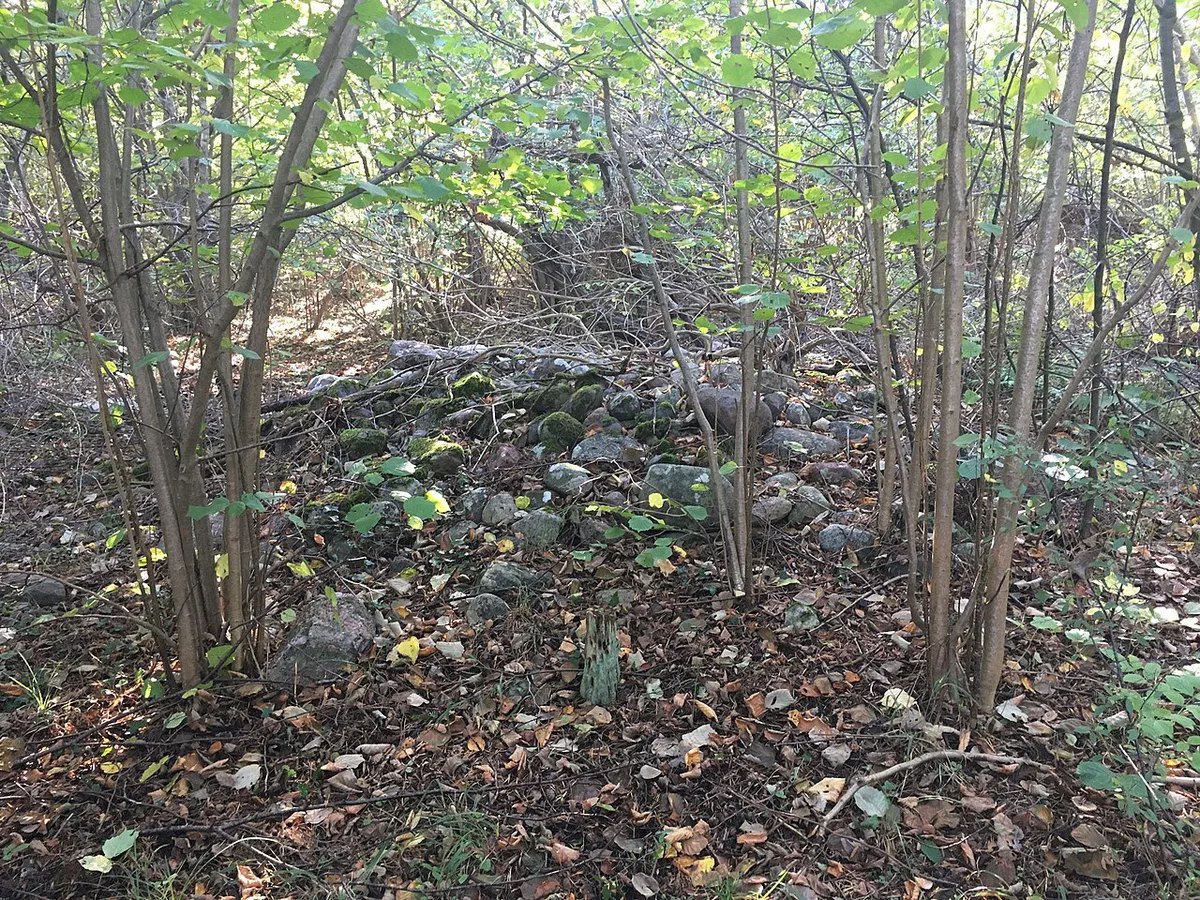
Walking access is free, and parking is usually informal, so arrive early. A boat or kayak trip is tour-priced, and operators set their own fees and seasons. Ask the operator or the local tourist office for current prices. Prices and hours checked November 2026 were not published for these caves. Ferries and car travel shape the Sunnmøre coast, so build the route around crossings.
Safety and seasons
Never enter a sea cave in swell. Expect slippery rock, rockfall and patchy mobile coverage. Tell someone your route and turn-back time. Redningsselskapet publishes sea-safety guidance, and the municipality knows local hazards. Winter daylight is short on the Norwegian coast, so the calm, light months suit these caves best. Photo-aesthetic pins rarely show the swell that makes the same cave dangerous.
Pair the 2-check weather plan with short winter daylight: a morning forecast check leaves little slack before dusk.
Where to go next
For the wider region, start with our guide to Scandinavian caves. Come back to all caves in Norway when you want mines and inland caves instead of coast.
Use a 2-check weather plan before setting out
For these unstaffed coastal caves, decide from conditions rather than a fixed itinerary. Check the Norwegian Meteorological Institute forecast the evening before departure, then make a second check on the morning itself. Wind changes and incoming swell can make a shoreline approach unsafe even when rain is not expected.
Keep a half day free for each cave visit. That leaves time for the approach, a careful look from dry ground, and a return before daylight fades. Do not treat a calm forecast as permission to enter a cave. Watch the actual sea from a safe distance, especially at Refsvika and Kollhellaren.
Set your turn-back rule before leaving the car or boat. If waves reach the entrance, rocks are wet underfoot, or visibility is poor, view the coast from outside and leave the cave for another day. This approach also avoids relying on a paid tour schedule when local conditions say no.
Notes for your next trip underground
Optional updates when we add or revise cave and underground guides.
More guides
More guides you'll find useful






