Cold War Bunkers in Europe: Best Sites to Visit and How to Choose
Which Cold War bunkers in Europe can you visit? Compare types, regions, access and visit time before you plan.
Last updated November 2026. Planning around cold war bunkers europe visitors can actually tour starts with picking a type, and the UK trio of Kelvedon Hatch, Scotland's Secret Bunker and York Cold War Bunker is the most practical place to begin. Government command bunkers suit first-timers, while city shelters and reused cellars suit travelers with only a free afternoon. Our guide covers the 5 types, a region-by-region shortlist and the mistakes that waste a trip, and it sits within our wider underground cities and tunnels guide.
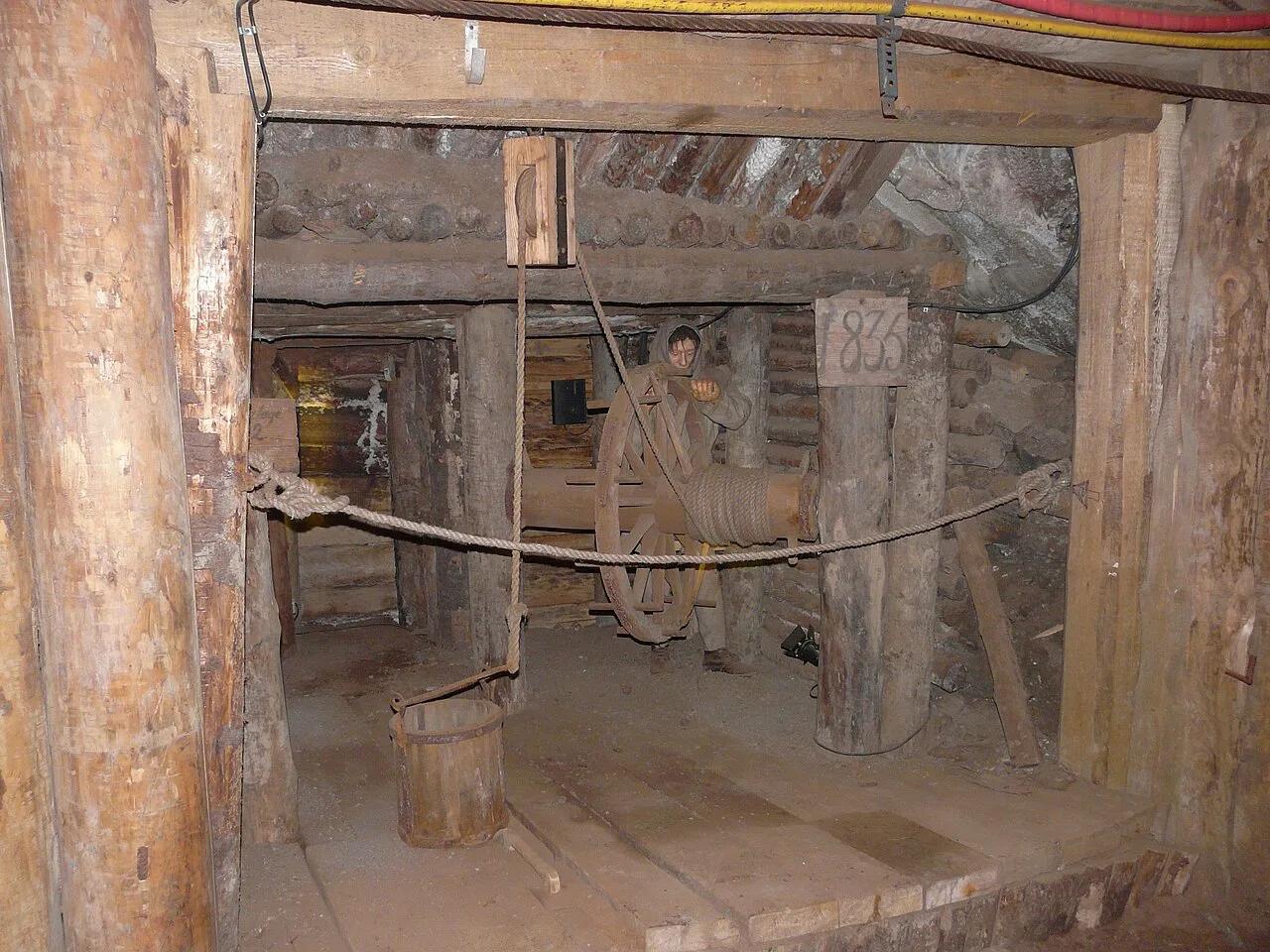
Featured image: Nilfanion, CC BY-SA 4.0, via Wikimedia Commons.
Quick answer: which type of Cold War bunker suits you?
Pick a government or command bunker if you want the full immersive experience. Choose a civilian shelter or a city tour if you only have a few hours in town. Choose a reused shelter if you prefer cafes and bars to museum displays. Rural sites usually need a car, so match the type to your transport before anything else. Cold bunker air also changes what you pack, which the planning section covers.
Types of Cold War bunker you can visit
Each of the 5 types gives a different visit. Read the friction notes before you choose.
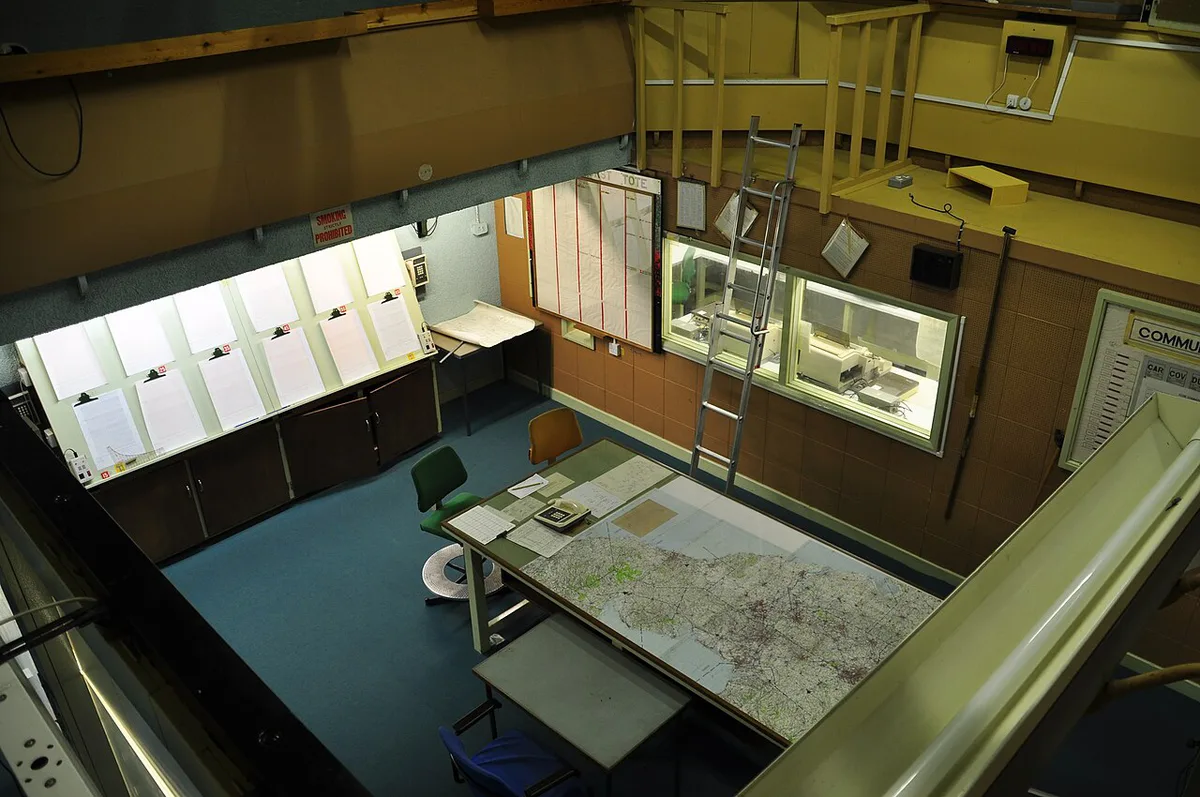
- Government and command bunkers: deep, preserved war rooms built to run a country after an attack. Best for history readers. Friction: usually rural, often a car trip from the nearest city.
- Nuclear shelters: purpose-built refuges for civilians or officials, with blast doors and air filtration. Best for families with older children. Friction: long tunnels and stairs.
- NATO and military sites: radar, weapons-storage and command facilities on former bases. Best for military-history fans. Friction: some are private or tour-only, so never assume entry.
- Civilian city shelters: basements, metro-linked rooms and tunnels under streets. Best for short city stops. Friction: often guided tours with fixed departure times.
- Reused and adaptive spaces: shelters turned into shops, galleries or bars. Best for a casual look. Friction: little interpretation and changing opening status.
Best Cold War bunkers to visit by region
This shortlist keeps to sites with a clear visitor offer and leaves out anything that is closed, private or outside Europe. Fewer than 8 sites make the cut, so the list stays short rather than padded.
Fewer than 8 sites make the cut, and rural ones usually need a car, so filter the shortlist by transport first.
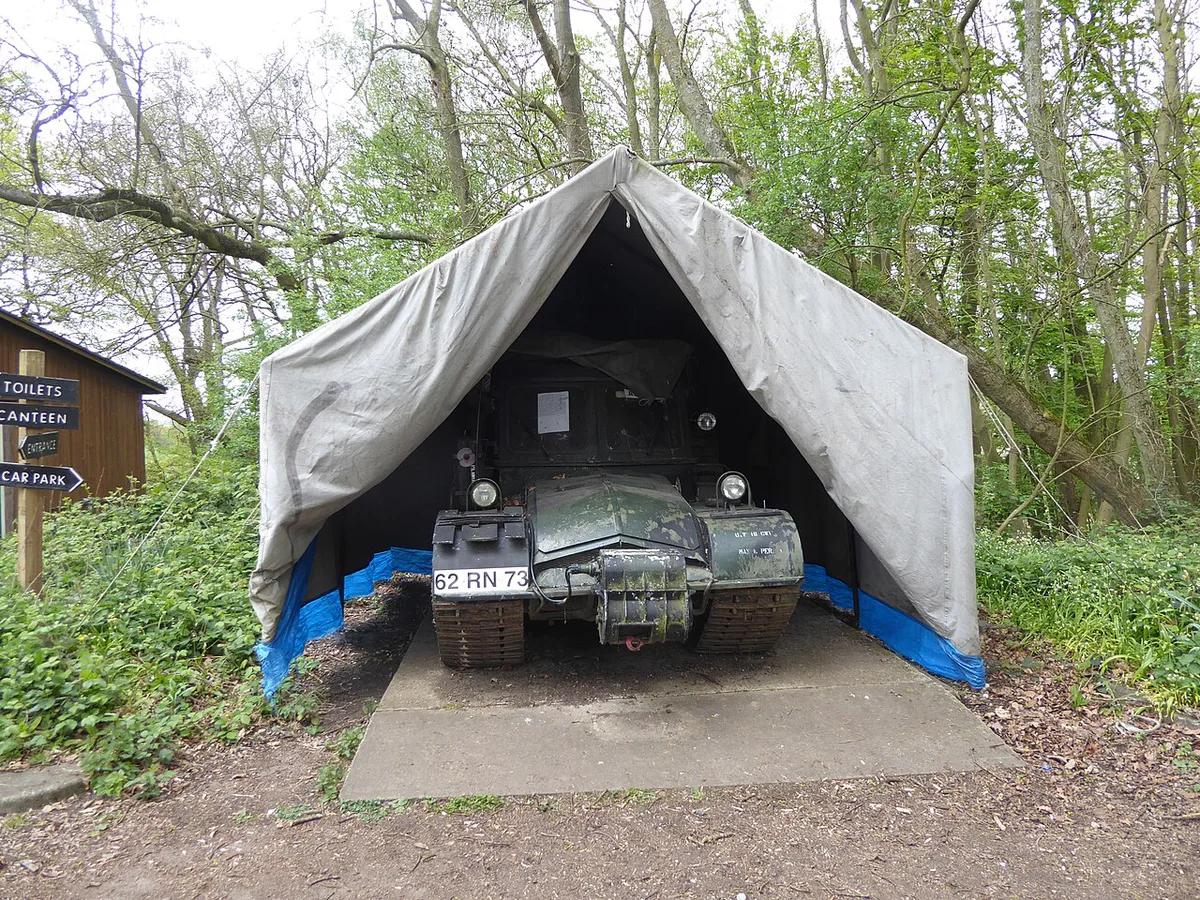
- UK, government bunker: Kelvedon Hatch nuclear bunker in Essex. Best for a deep, preserved command-bunker visit.
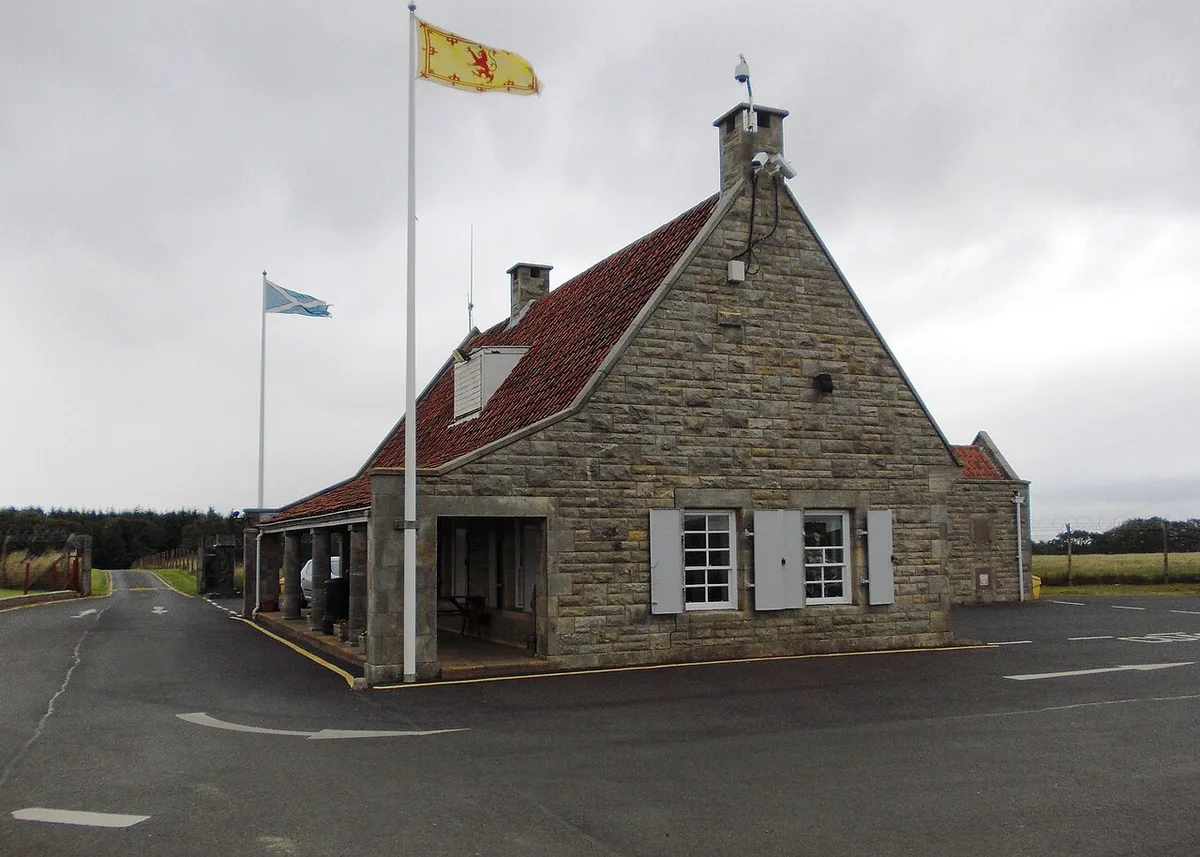
- UK, Scotland: Scotland's Secret Bunker near St Andrews. Our Scotland's Secret Bunker guide covers the visit in detail. Best for a combined road trip with a coastal town stay.
- UK, England: York Cold War Bunker: Visitor Guide and Tips. Best for pairing with a day in a city that already has plenty to see.
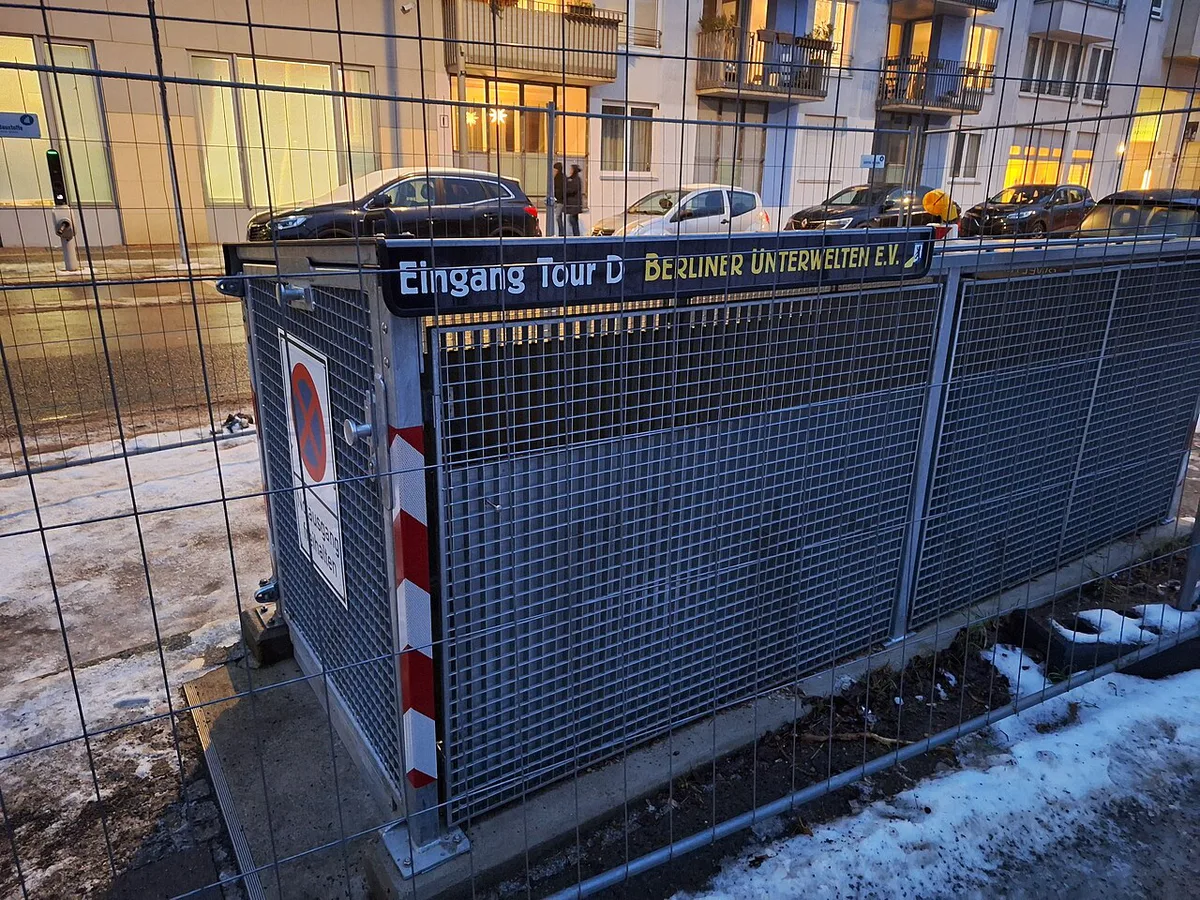
- Germany: Berliner Unterwelten runs guided tours below Berlin. Our Berlin underground tours guide explains which routes to pick. Best for city-based travelers without a car.
- Austria: Vienna's underground is a post-war story told through sewers and cellars. Our Third Man Tour Vienna: Sewer Tour, Tickets & Film Sites fits a city day. Best for film fans and short stops.
- Balkans and Eastern Europe: Sofia's reused basement shelters are the clearest verified example, covered in the reuse section below. Sites in the Balkans, Poland and the Baltics change status often, so confirm each one directly before you plan around it.
Comparison table: access, time and who should skip
Use this table to narrow the list. Access and visit length vary by season, so the official venue page decides the final plan. Prices and hours were checked November 2026 only as far as official pages publish them, and none are quoted here.
| Site | Region | Type | Best for | Skip if |
|---|---|---|---|---|
| Kelvedon Hatch | Essex, UK | Government bunker | Deep, immersive visit | You have no car |
| Scotland's Secret Bunker | Near St Andrews, UK | Government bunker | Road trips in Scotland | You want a city-only trip |
| York Cold War Bunker | York, UK | Military/command site | City pairing | You want a long underground walk |
| Berliner Unterwelten tours | Berlin, Germany | Civilian shelters and tunnels | Car-free city stops | You dislike fixed tour times |
| Sofia reused shelters | Sofia, Bulgaria | Reused cellars | Casual wandering | You want museum interpretation |
How to plan the visit
Many sites sit in rural areas or on former military land, so a rental car is often the only practical way in. Underground rooms stay cold and damp all year, so wear layers and shoes with grip. Expect stairs, steep ramps and long tunnels, and ask the venue about step-free access before booking. Ask about children's age limits and photography rules in the same message. Choose a base city near the site, then fit the bunker into a half day. For city options without a car, our Underground Tours in Europe: Types, Picks & How to Choose roundup lists guided alternatives. Vienna works best as a pairing, since a bunker-style stop slots between museum visits on the same day.
Costs, tickets and opening hours
Official venue pages are the only reliable source for ticket prices, hours and booking rules. Guided tours often cost more than self-guided entry, and timed slots sell out in peak months. VisitScotland lists regional trip planning, and Visit Berlin covers city tours. Compare the price of a short city stop against a full rural day trip, which adds fuel and parking costs.
Reused Cold War shelters
Not every shelter became a museum. In Sofia, former basement shelters became squat shops known as kleks. A 2018 New York Times report counted 27 remaining, with more than half gone since 2012. The same piece described the 5L speakeasy, which opened in February 2017 two floors down behind a hidden door, so confirm it is still operating before you go. Switzerland is the other well-known example, with reports of hundreds of thousands of fallout shelters. Check Swiss civil protection figures before repeating that claim.
Sofia's 2018 count left only 27 remaining, with more than half gone since 2012, so a listed reused cellar may have closed.
Common mistakes to avoid
These errors cause most wasted trips.
- Assuming every listed bunker is open: some are closed, private or military.
- Skipping the booking: tours and timed slots can sell out.
- Underestimating rural transport: buses may not reach former base sites.
- Mixing up Cold War shelters with WWII tunnels: for earlier-era sites, see our WWII tunnels in Europe guide.
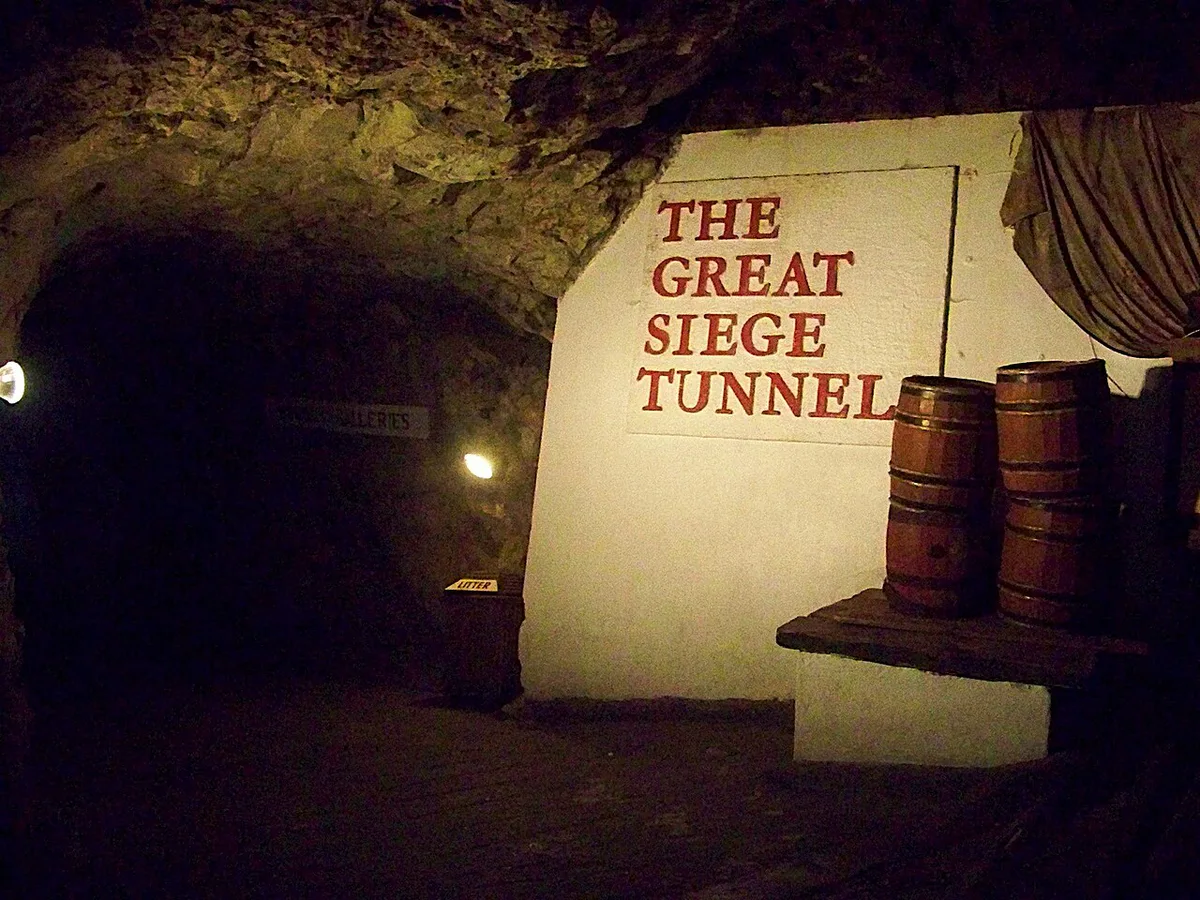
- Treating coastal tunnels as Cold War sites: check the era first, as with Dover's cliff tunnels.
Notes for your next trip underground
Optional updates when we add or revise cave and underground guides.
More guides
More guides you'll find useful