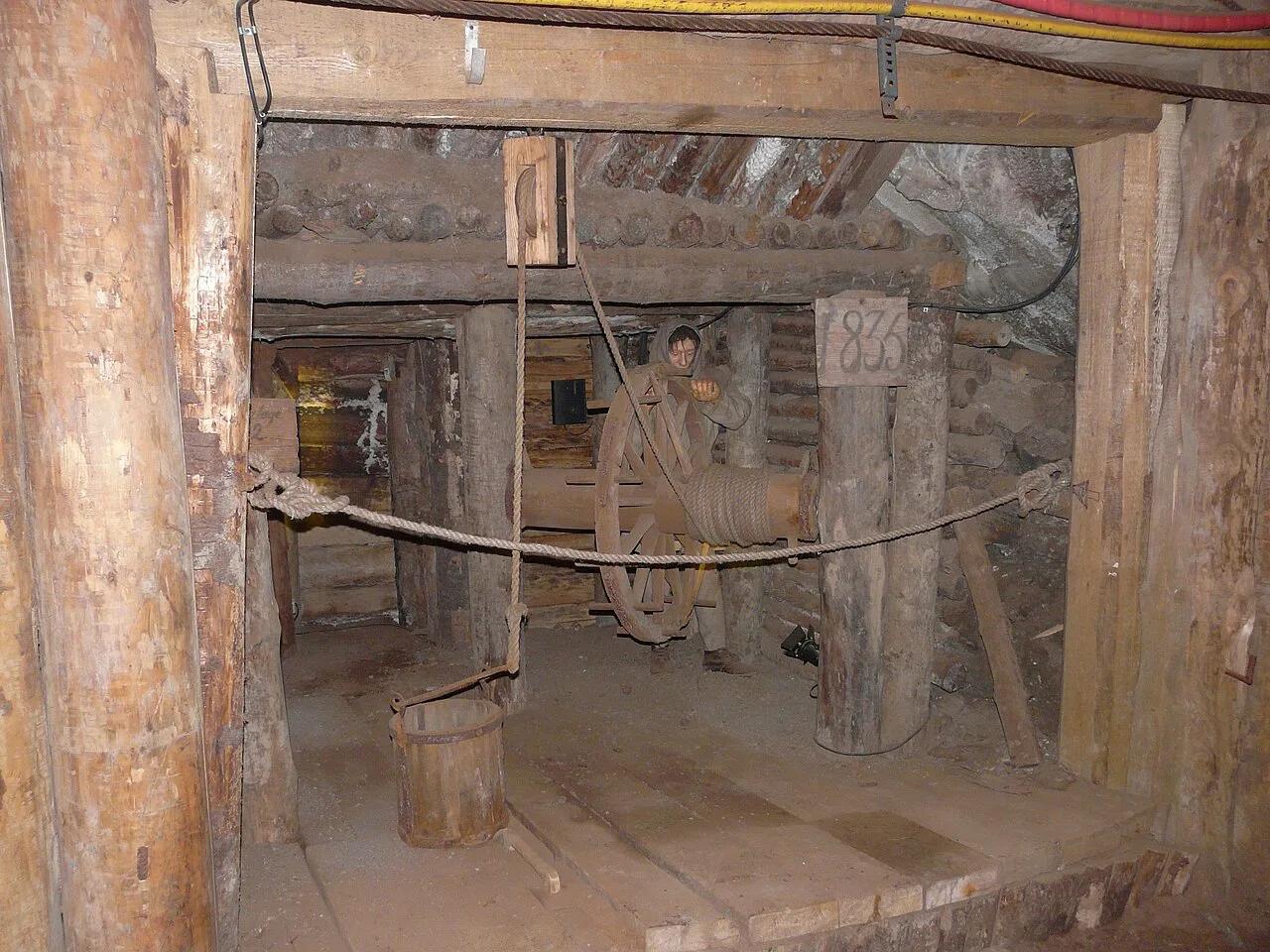
Underground Tours in Europe: Types, Picks & How to Choose
Compare underground tours across Europe: Cold War bunkers, WWII tunnels and city undergrounds, with who each suits, what to expect and how to book.

Last updated November 2026: underground tours in Europe fall into three main types, and each suits a different traveler. Cold War bunkers, WWII tunnels and city undergrounds differ in stamina, darkness and booking style. Catacombs, mines and caves also carry the label, but this page sorts the three types above. Start with our underground cities and tunnels guide for the wider picture.
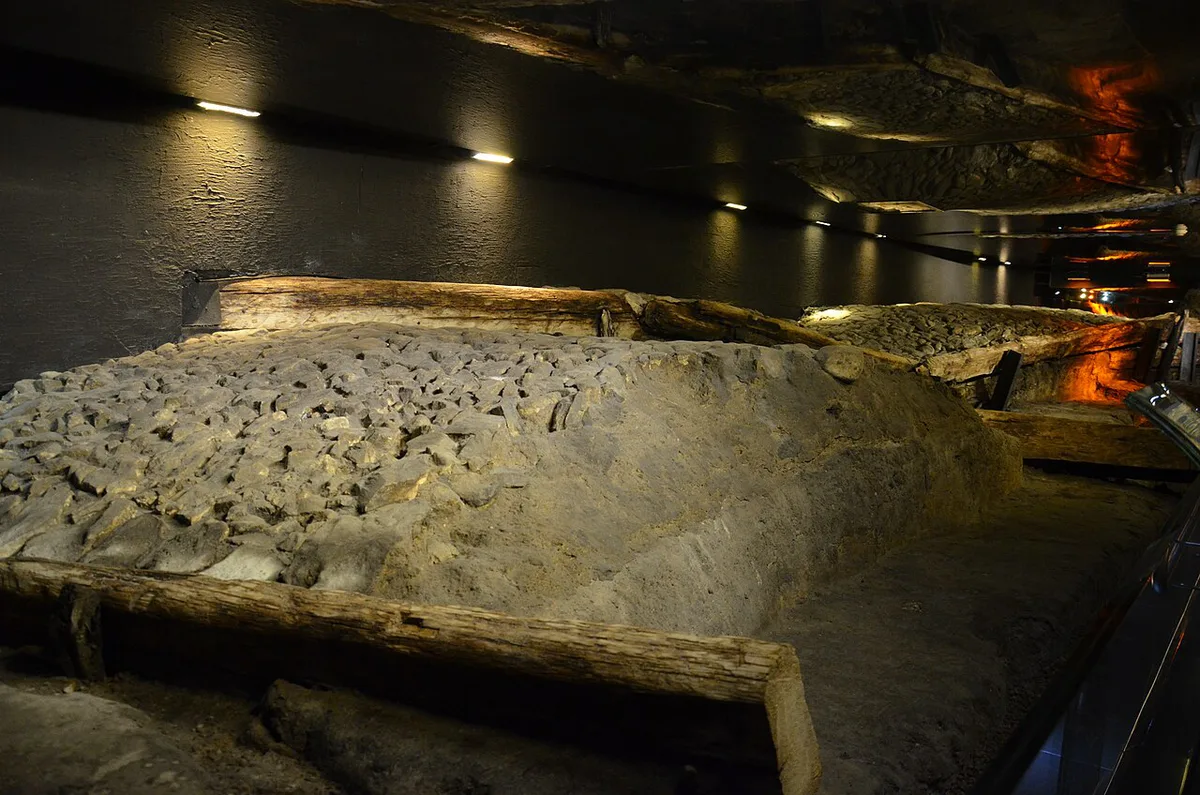
Featured image: GodeNehler, CC BY-SA 4.0, via Wikimedia Commons.
Underground tours in Europe: the main types compared
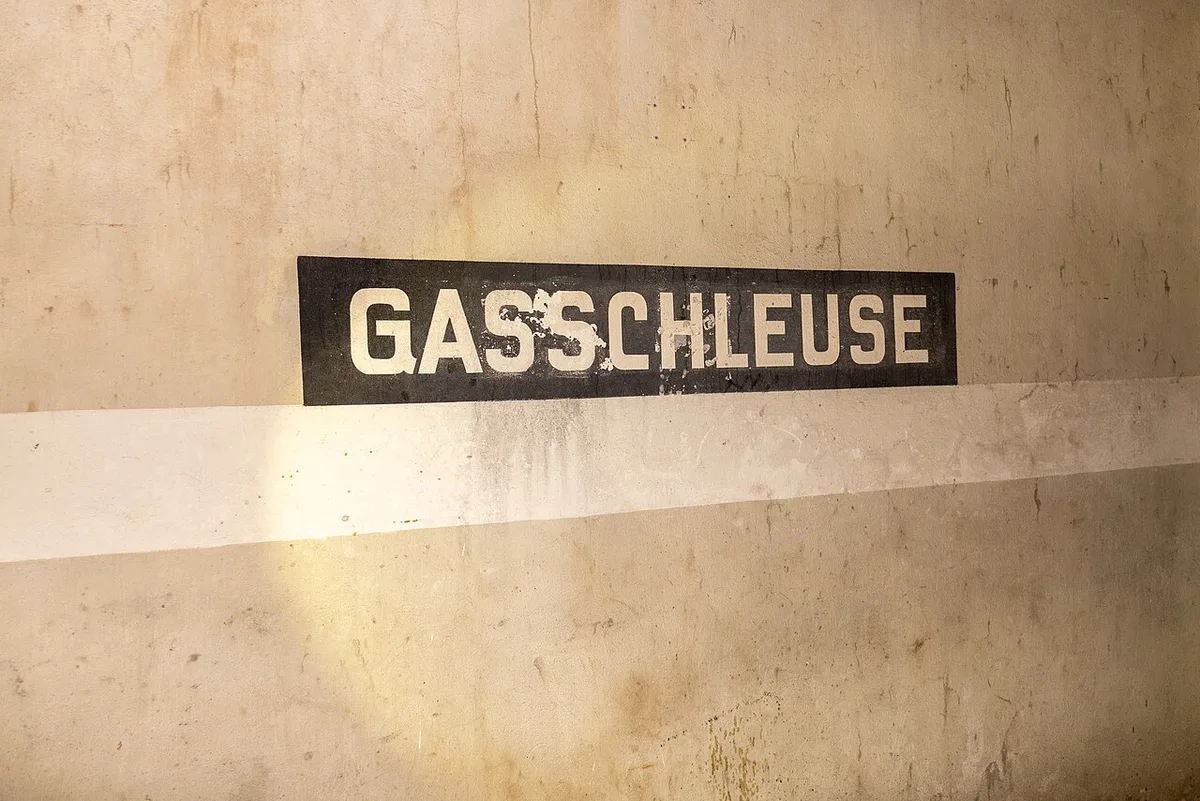
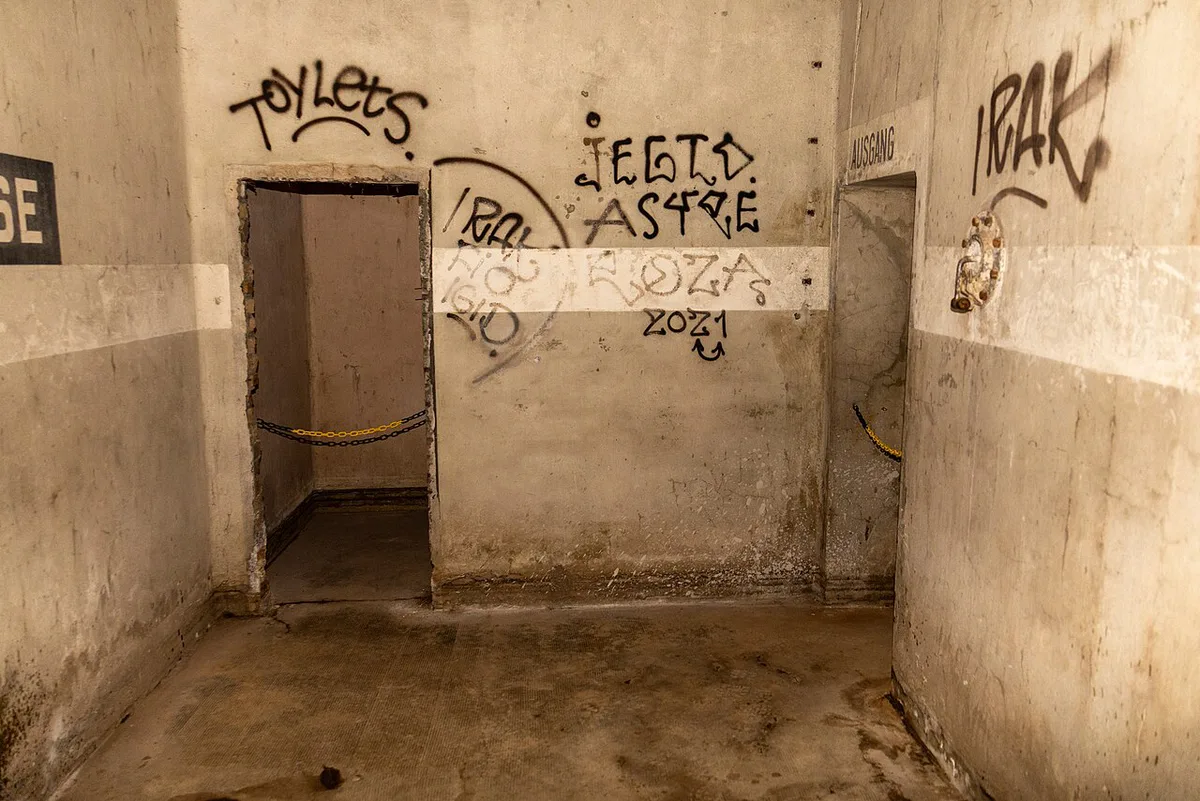
Cold War bunkers are shelters built to survive a nuclear age. WWII tunnels are wartime shelters and defensive workings cut into rock or cliffs. City undergrounds are the sewers, cellars and air-raid shelters beneath a modern street plan. Use the table to match a type to your comfort level, then follow the link for details.
Across the 3 main tour types, stamina and darkness differ, so match one to your comfort before booking any site.
| Tour type | What you see | Physical demands | Darkness and confinement | Booking style | Guide |
|---|---|---|---|---|---|
| Cold War bunkers | Command rooms, dormitories, blast-proofed corridors | Stairs and long corridors; level varies by site | Lit interiors; heavy doors and enclosed rooms | Often guided or timed entry; check each site | Cold War bunkers |
| WWII tunnels and shelters | Wartime shelters, tunnels cut into rock or cliffs | Steps and uneven floors are common | Dim, narrow in places | Usually guided groups; popular slots fill | WWII tunnels |
| City undergrounds | Sewers, shelters and cellars beneath streets | Stairs, damp surfaces, low ceilings in places | Tight or low-lit spaces | Small-group guided tours | Berlin undergrounds |
Cold War bunkers: nuclear-age shelters you can walk through
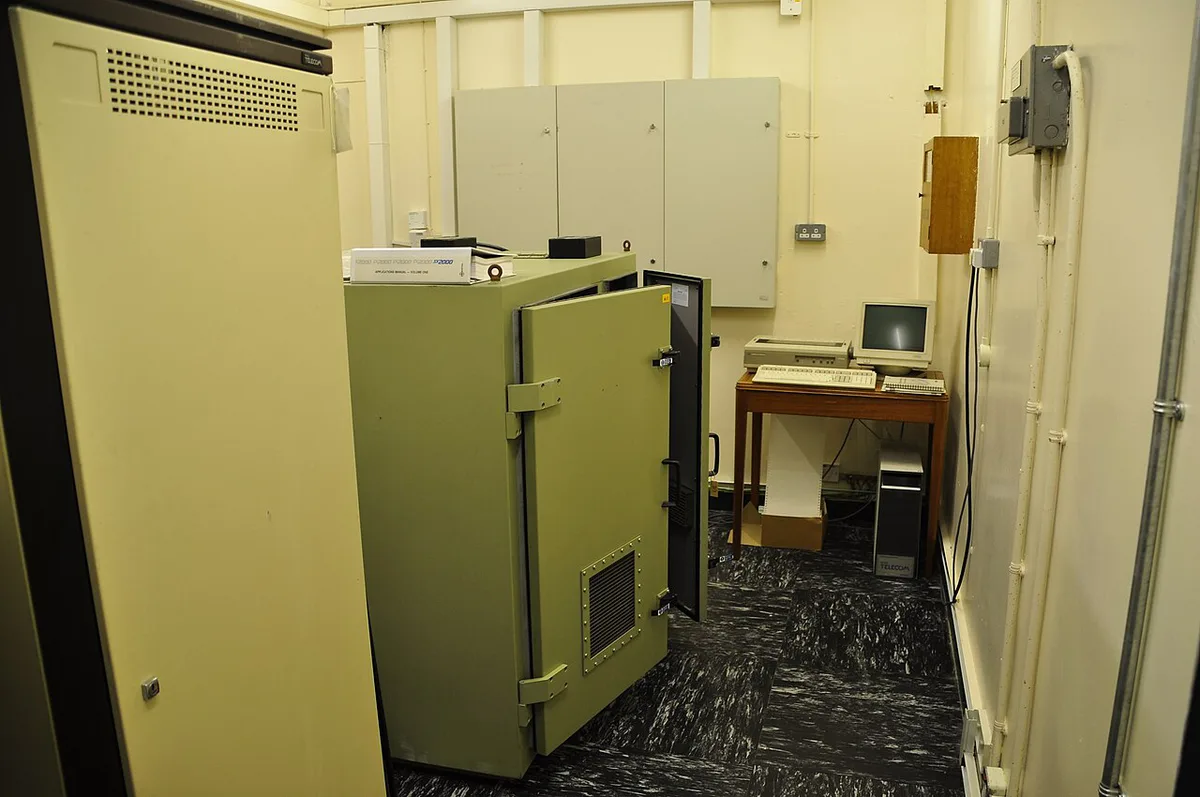
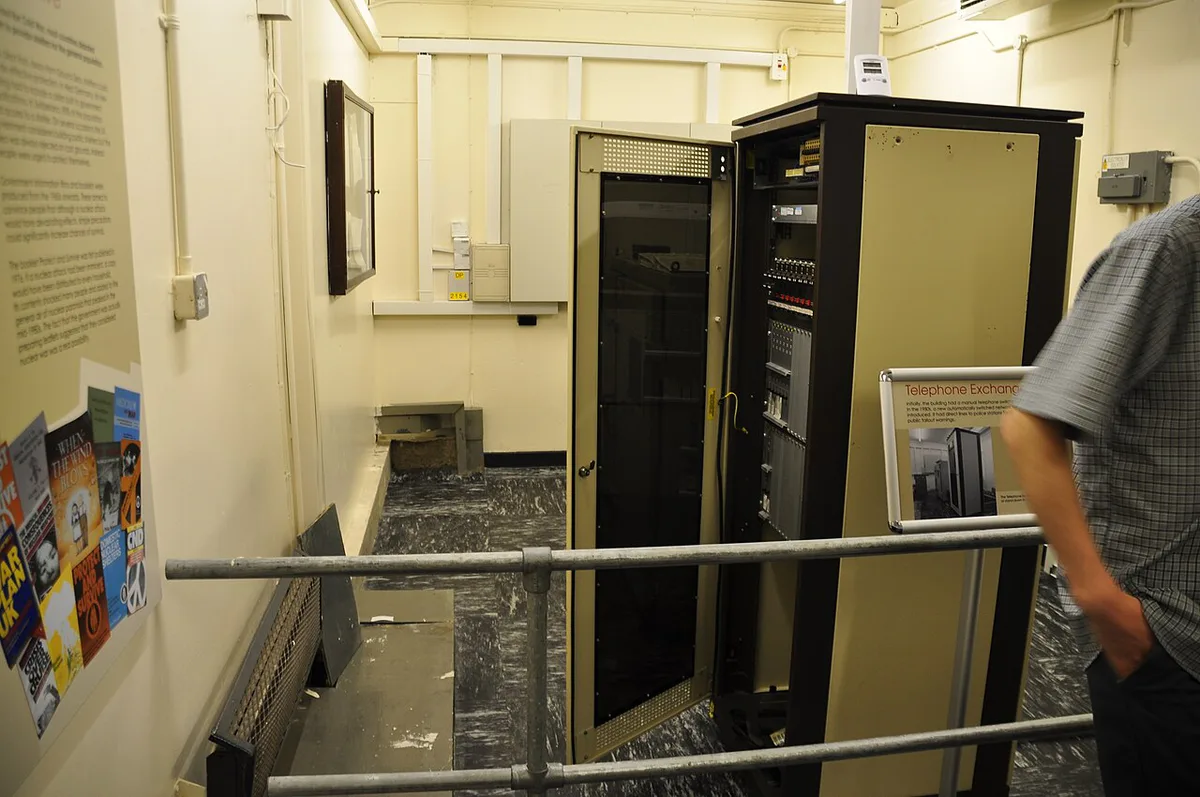
Bunker tours suit readers who like objects, rooms and documents more than raw tunnels. Our Cold War bunker guide covers sites across the continent. Three UK examples show the range, though Britain is only one part of Europe. Use the hub guide to find bunkers in other countries.
- Kelvedon Hatch Secret Nuclear Bunker: a government shelter in Essex, England.
- York's Cold War bunker: a monitoring post in a northern English city, suited to a short city break.
- Scotland's Secret Bunker: a command center in Fife, with official visitor details on its own site.
WWII tunnels and wartime shelters
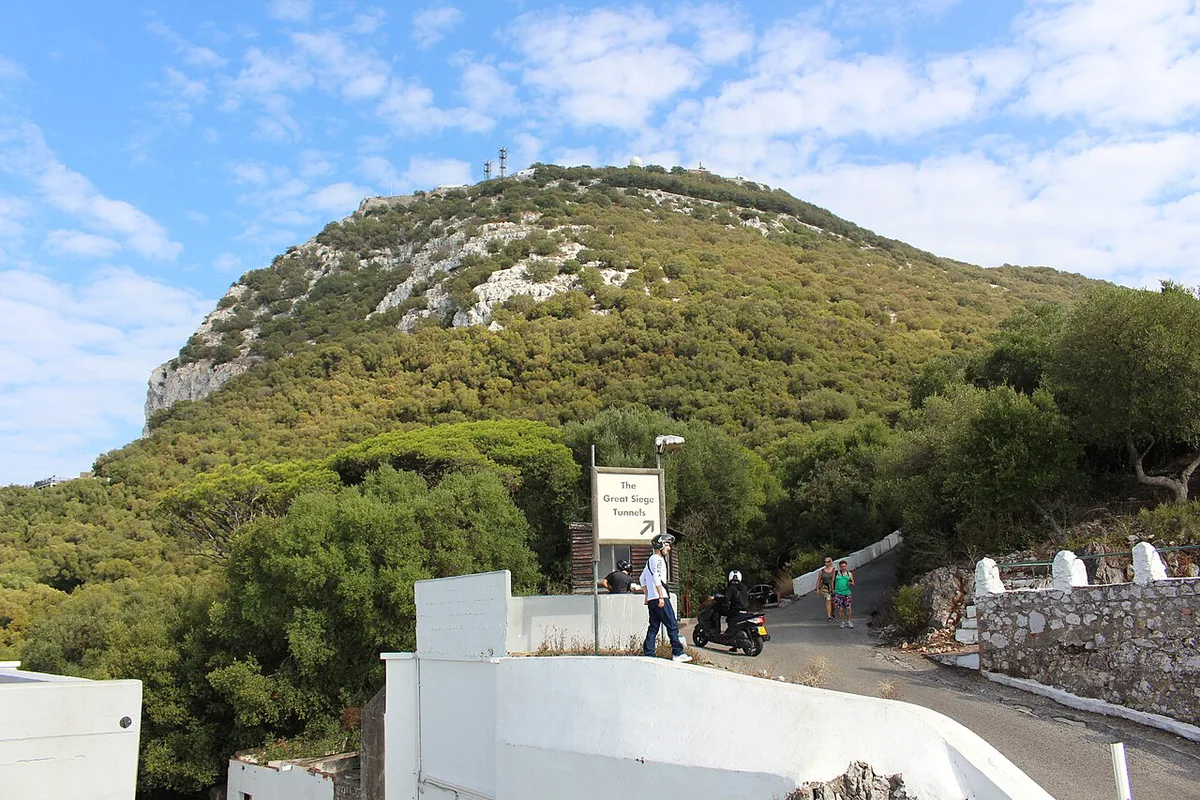
Wartime tunnels feel rougher than bunkers. Floors are uneven, light is low and many routes include steps. Our WWII tunnels guide compares sites by country. Dover is a good first example. Dover's white cliffs tunnels include Fan Bay Deep Shelter, cut into the chalk beneath the coast. The National Trust page for the White Cliffs of Dover lists current access arrangements.
Underground cities and city undergrounds
City undergrounds work best for a short break, because the entrance sits inside the urban core. Our underground cities overview sets out the full range. Berlin is the clearest case for shelters and tunnels. Berlin's underworlds are covered by Berliner Unterwelten, which runs guided tours below the city. Vienna offers a film-themed route through its sewers. Our Third Man Tour Vienna: Sewer Tour, Tickets & Film Sites guide explains it. Film fans can pair the tour with the Third Man Museum in Vienna. Expect tight, damp or low-lit spaces on routes like these.
Edinburgh and Kraków: two more city undergrounds to compare
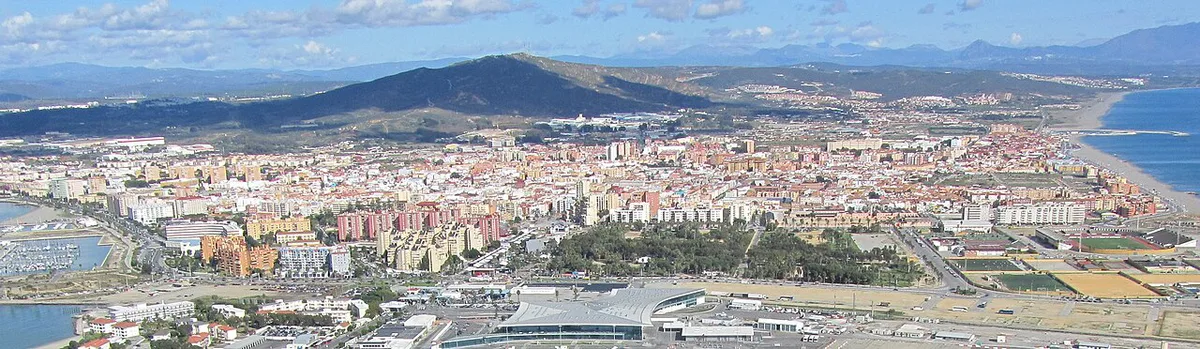
Berlin and Vienna are not the only cities where the street plan hides a second layer. Edinburgh and Kraków both run tours into spaces that sit directly under their busiest historic districts, so they suit a short city break with no transfer time.
Edinburgh: vaults and buried closes
Edinburgh's Old Town was built over arched vaults and closes that were later sealed off. Tours here lean on storytelling, with low ceilings, damp stone and dim light. Our guide to underground Edinburgh explains how the main routes differ. If you want help choosing one operator, the best Edinburgh underground tour comparison sets out the options.
Kraków: a museum below the Main Square
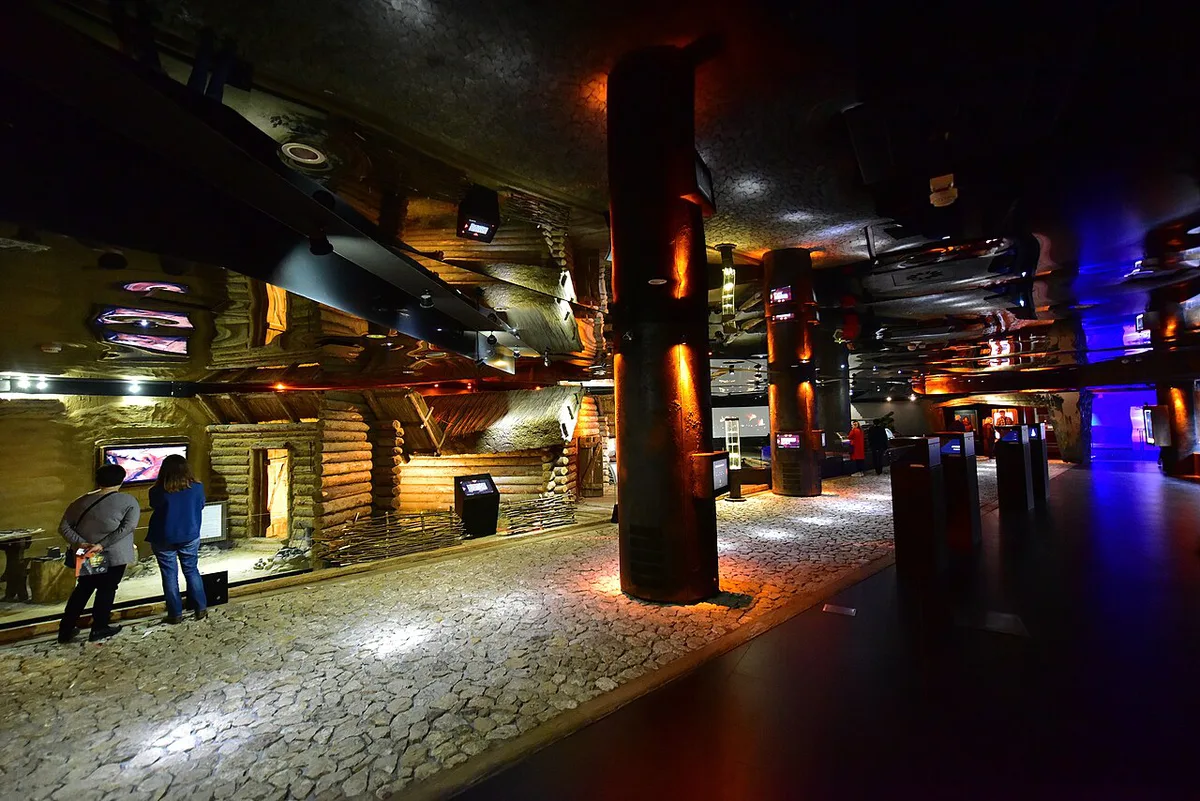
Kraków's route is more exhibit than tunnel. The Rynek Underground museum sits beneath the Main Square and displays excavated medieval trading-hall remains. Surfaces are generally even, which makes it a gentler option than rough wartime tunnels. Our Rynek Underground guide covers what you see and how to plan the visit.
- Edinburgh: atmospheric, tight and low-lit; small groups are common.
- Kraków: museum-style, better suited to visitors who dislike cramped spaces.
Opening hours and ticket rules change by season, so confirm them on each venue's official page before you travel.
How to choose underground tours that fit you
Match the tour to your priorities first. Then check cost tier, access and how you feel about confined, dark spaces.
- History buffs: choose a Cold War bunker or a WWII tunnel with a guide.
- Families with children: pick lit bunker interiors, and check each site's age rules.
- Photographers: ask about camera rules before booking, because some sites restrict them.
- Accessibility needs: favor sites with few stairs, and ask the venue directly.
- Rainy days or winter: underground sites stay open to weather, but confirm seasonal opening.
- Short city break: choose a city underground close to your hotel.
Planning and booking underground tours
Many underground sites admit only guided groups. Popular slots fill, so reserve through the official site, such as Visit Berlin for Berlin or the Vienna Tourist Board for Vienna. Prices and hours change each season, so check them on the operator's page. For Scotland, VisitScotland lists regional planning help. Wear sturdy shoes and carry a warm layer, since underground air often runs cooler than the street. Ask about stairs, age limits and photography before you pay.
Mistakes to avoid on underground tours
Most problems come from skipping a few simple checks.
- Turning up without a booking for a guided-only site.
- Wearing sandals or thin shoes on damp, uneven floors.
- Assuming every UK bunker represents Europe; use the type hubs for other countries.
- Ignoring confinement limits if low ceilings or darkness bother you.
- Planning photography without checking the venue's camera rules.
Are underground tours suitable for children or claustrophobic visitors?
Start by choosing among the 3 main tour types. Cold War bunkers often have lit rooms and displays. WWII tunnels can feel rougher, with uneven floors, steps and dim passages. City undergrounds may include damp surfaces, low ceilings and tighter spaces.
For children, check the venue’s age rules before booking. A bunker can be the easier first choice when its interiors are well lit. Do not assume that every underground route has the same conditions.
Visitors concerned about claustrophobia should ask about narrow sections, heavy doors and whether they can leave the route early. Ask about stairs and mobility support too. For a shorter visit, York’s Cold War bunker and Berlin’s guided underground tours are useful starting points. The 3 UK bunker examples are only examples, so use the wider type guides when planning elsewhere in Europe.
Mines, caves and salt mines: underground tours beyond this guide
This page sorts bunkers, wartime tunnels and city undergrounds. Many travelers searching for underground tours also want a different kind of space entirely, where the rock itself is the attraction. These categories have their own planning needs.
- Mines: working or former workings, usually reached by a lift or a descent on foot, with helmets supplied. Our mine tours in Europe guide compares sites, and the coal mine tours page covers the industrial-heritage end.
- Salt mines: carved chambers, chapels and long stair descents. Our salt mine tours guide compares Bochnia, Bex and the other visitable salt mines.
- Caves: natural formations, sometimes explored by boat. See cave boat tours in Europe if you prefer water to stairs.
The same checks apply as for bunkers: ask about stair counts, age limits and photography, and wear sturdy shoes with a warm layer. Mines and caves also tend to be damp and cool all year, so dress for the underground temperature, not the weather outside.
Notes for your next trip underground
Optional updates when we add or revise cave and underground guides.
More guides
More guides you'll find useful