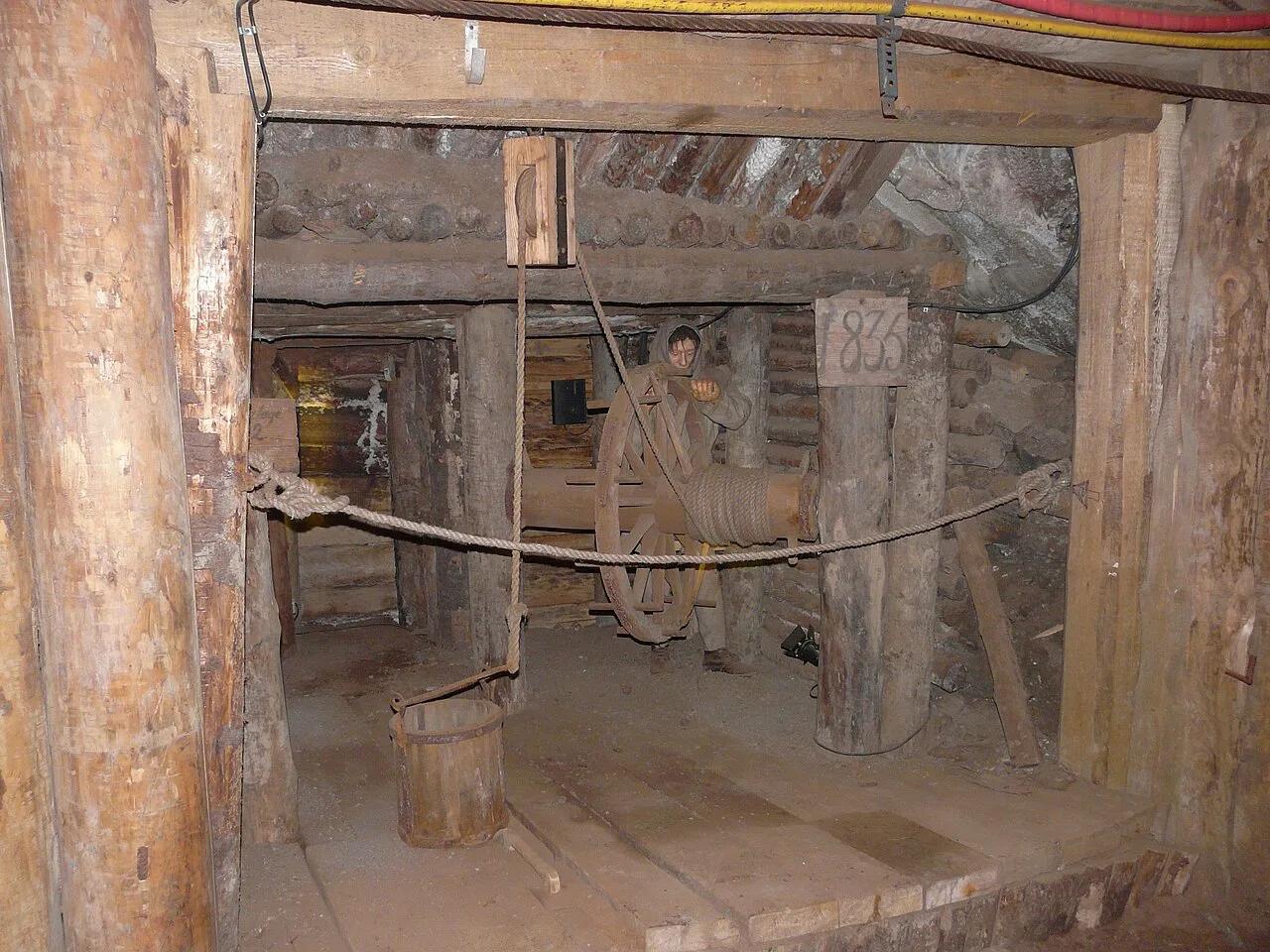
WW2 Tunnels in Europe: Which Ones You Can Visit (Guide)
Planning to visit WW2 tunnels in Europe? Compare shelters, military tunnels and memorials, with access, booking and timing trade-offs.
Last updated November 2026: the WW2 tunnels you can visit in Europe include Fan Bay Deep Shelter beneath the White Cliffs of Dover, the Dover tunnels and Berlin's wartime shelters. Most are guided or timed-entry, so your choice depends on region, story type and access. WWI tunnel warfare, such as La Boisselle on the Somme, is a different war and gets only a pointer here.
Featured image: Fridolin freudenfett, CC BY-SA 4.0, via Wikimedia Commons.
Which WW2 tunnels can you visit in Europe?
Visitable sites fall into 3 types: civilian shelters, military command tunnels, and memorial sites tied to forced labour or resistance. This table covers the sites our cluster documents. Access details change, so use each operator's own page for tour times, languages and booking.
| Site type | Place | What you see | Typical access |
|---|---|---|---|
| Deep shelter | Fan Bay, White Cliffs of Dover, England | Wartime shelter dug into the cliffs | Guided; see the National Trust page |
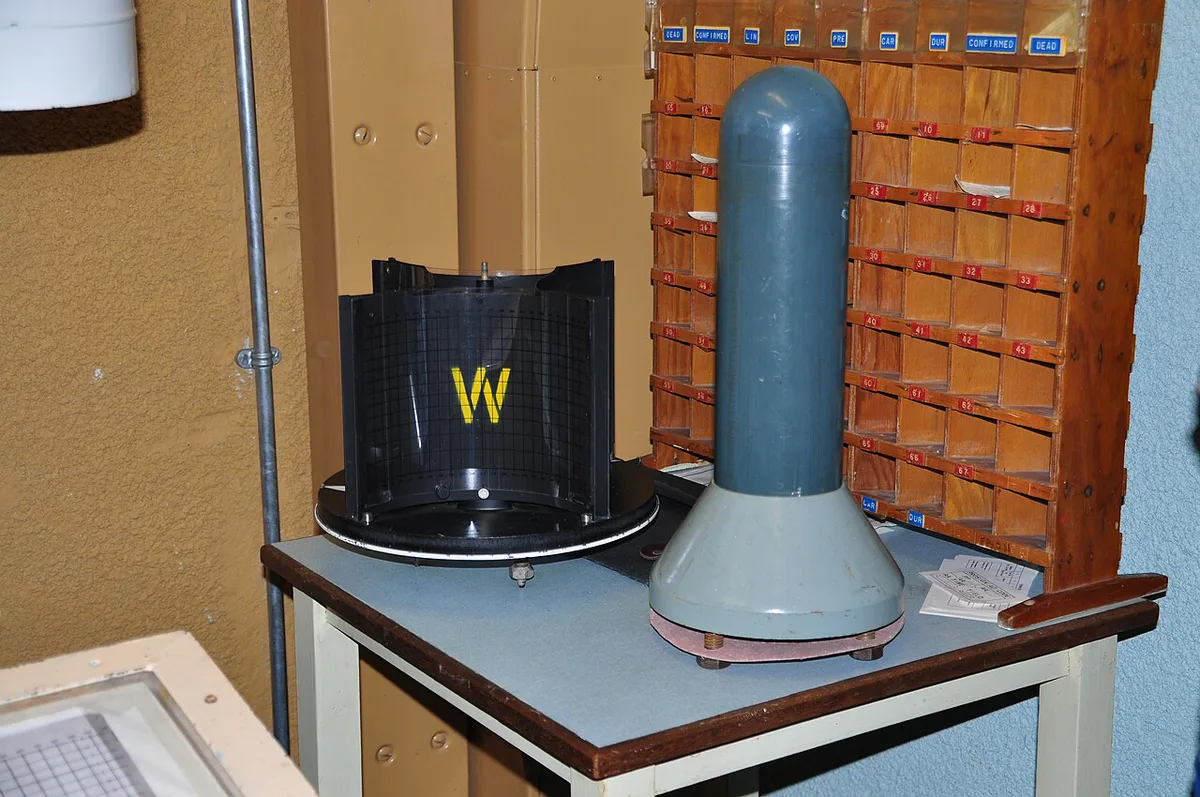
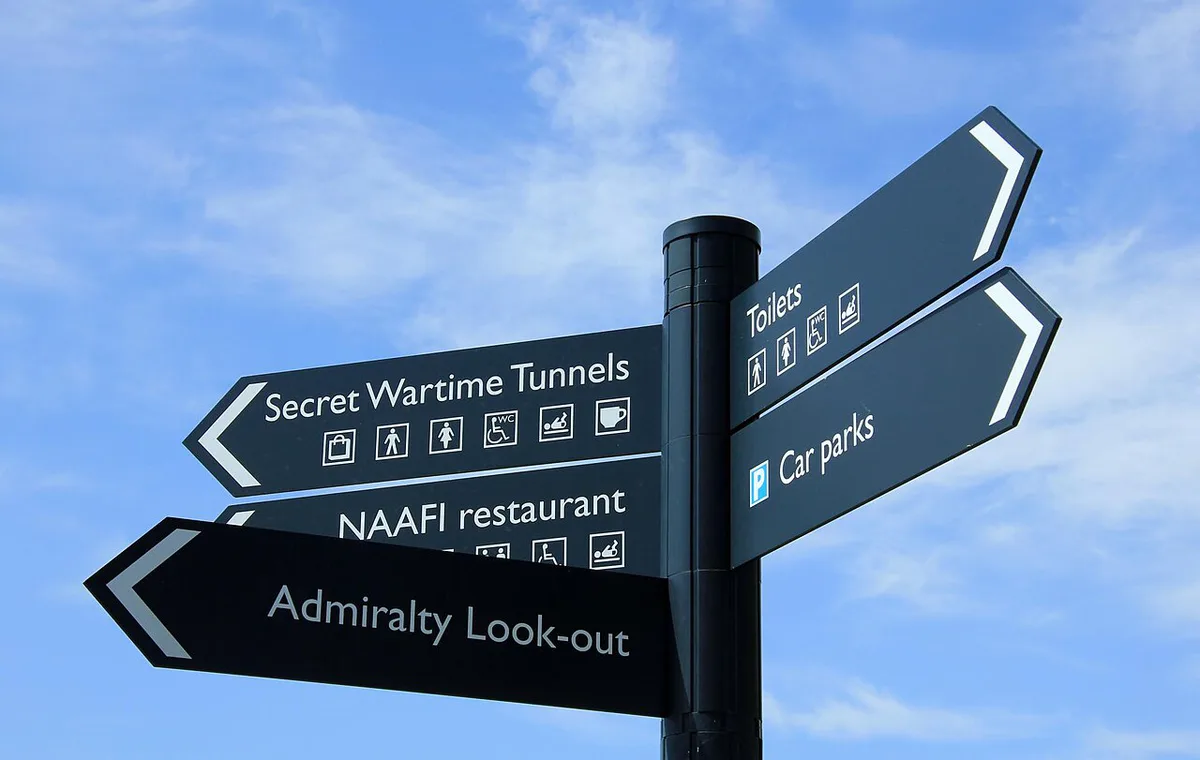
| Military tunnels | Dover, England | Tunnels used for wartime naval and operations work | Guided; check the official site |
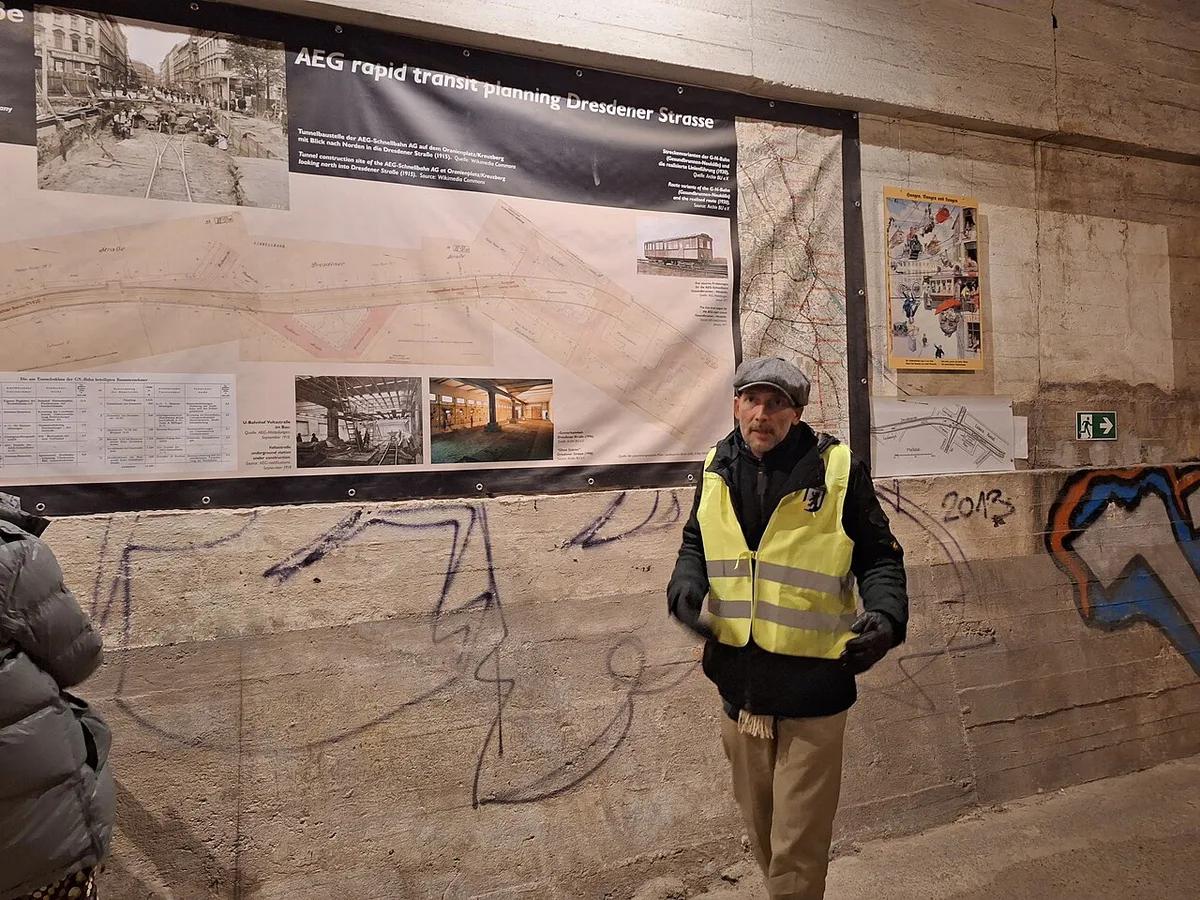
| Civilian shelters | Berlin, Germany | Air-raid shelters and underground structures | Guided tours run by Berliner Unterwelten |
| Film-themed underground | Vienna, Austria | Sewer setting of post-war film The Third Man | Guided; check the official site |
Choose by what you want to see
Start with the question of what the tunnel was for. Our underground cities and tunnels guide shows how these sites sit among the wider network of underground attractions. For civilian life under bombing, Berlin is the strongest fit. Read about Berlin's underground tours, which cover shelters and wartime structures. The Berliner Unterwelten association runs guided visits there.
- Civilian shelter: Berlin, where the story is everyday life during air raids.
- Military command and operations: Dover, where tunnels served wartime naval and defence work.
- Engineering-led visit: Fan Bay Deep Shelter, dug into the cliffs at Dover.
- Film and atmosphere: Vienna, where wartime-damaged streets are the backdrop to a post-war story.
Military and cliff tunnels around Dover
Dover pairs 2 distinct sites in one town. Fan Bay Deep Shelter sits beneath the White Cliffs, and the National Trust at the White Cliffs manages the cliff site. For the wider story of command work inside the rock, read about the Dover and White Cliffs tunnels. Both suit readers who prefer engineering and strategy over personal stories.
Vienna: a film setting, not a pure WWII site
Vienna's underground draws visitors through a post-war film, so treat it as context rather than a wartime shelter. The Third Man sewer tour is the clearest example. For film background, the Third Man Museum is the dedicated venue. Pair it with a Berlin shelter visit only if you want to compare how two cities remember the war.
Access, comfort and safety
Expect cool, damp air year-round, so bring a layer even in summer. Tunnel floors can be uneven, ceilings low and stairs steep. Step-free access is limited at many sites, and claustrophobic visitors should ask the operator about narrow sections. Photography and age rules differ by site. See our underground tours across Europe for a wider comparison of access.
Cost, time and booking
Prices and hours were not published in a form we could quote for every site. Check the operator's page for the current fee and tour length before you book. Most visits are guided, so book ahead and avoid showing up on the day.
Plan a route
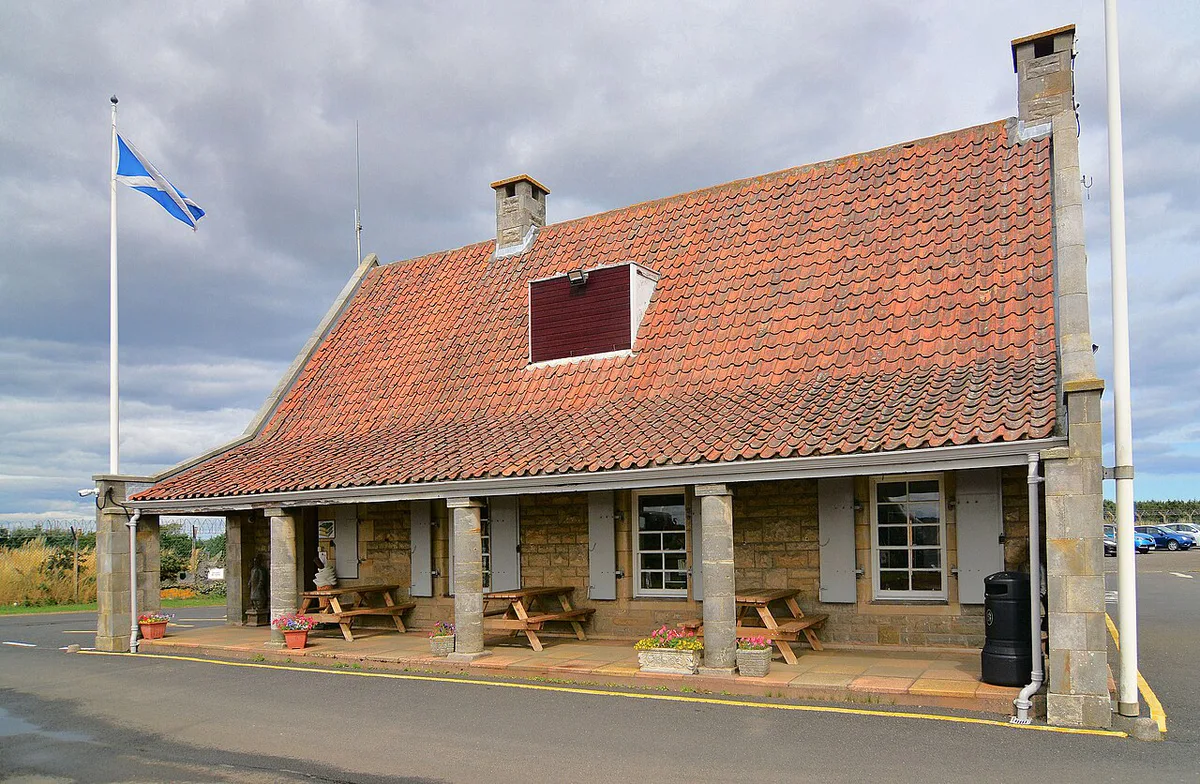
Group your visits by city. Dover works as a single stop for 2 wartime sites, so build a day around the cliffs and the tunnels. Berlin suits a city break with one shelter tour beside regular sightseeing. Add Vienna if you want the film angle. For Cold War structures, see Cold War Bunkers in Europe: Best Sites to Visit and How to Choose. For example, Scotland's Secret Bunker is a Cold War site, not a WWII one.
With 2 wartime sites in Dover, both are guided, so book each visit ahead rather than arriving to walk in.
Common mistakes to avoid
Most planning errors come from mixing up eras or skipping the booking step.
- Treating WWI and WWII as one story. A 2011 BBC report on La Boisselle describes 28 British tunnellers entombed there in WWI.
- Arriving without a booking at a guided-only site.
- Confusing Cold War bunkers with WWII shelters. Kelvedon Hatch and York's Cold War bunker belong to the later period.
- Treating forced-labour or memorial sites as entertainment. Keep a respectful tone and follow site rules.
- Skipping seasonal closure checks, especially in winter.
Frequently Asked Questions
Where was the safest place to be during World War II?
No place was safe for everyone. Deep shelters and tunnels gave far better protection from bombing than surface buildings. Sites like Fan Bay Deep Shelter show how deep rock offered cover.
Notes for your next trip underground
Optional updates when we add or revise cave and underground guides.
More guides
More guides you'll find useful