Scotland's Secret Bunker: Cold War Fife Guide (Hours, Getting There, Is It Worth It?)
Planning a visit to Scotland's Secret Bunker in Fife? See what it is, how to get there without a car, who it suits, and how to pair it with a day in the East Neuk.
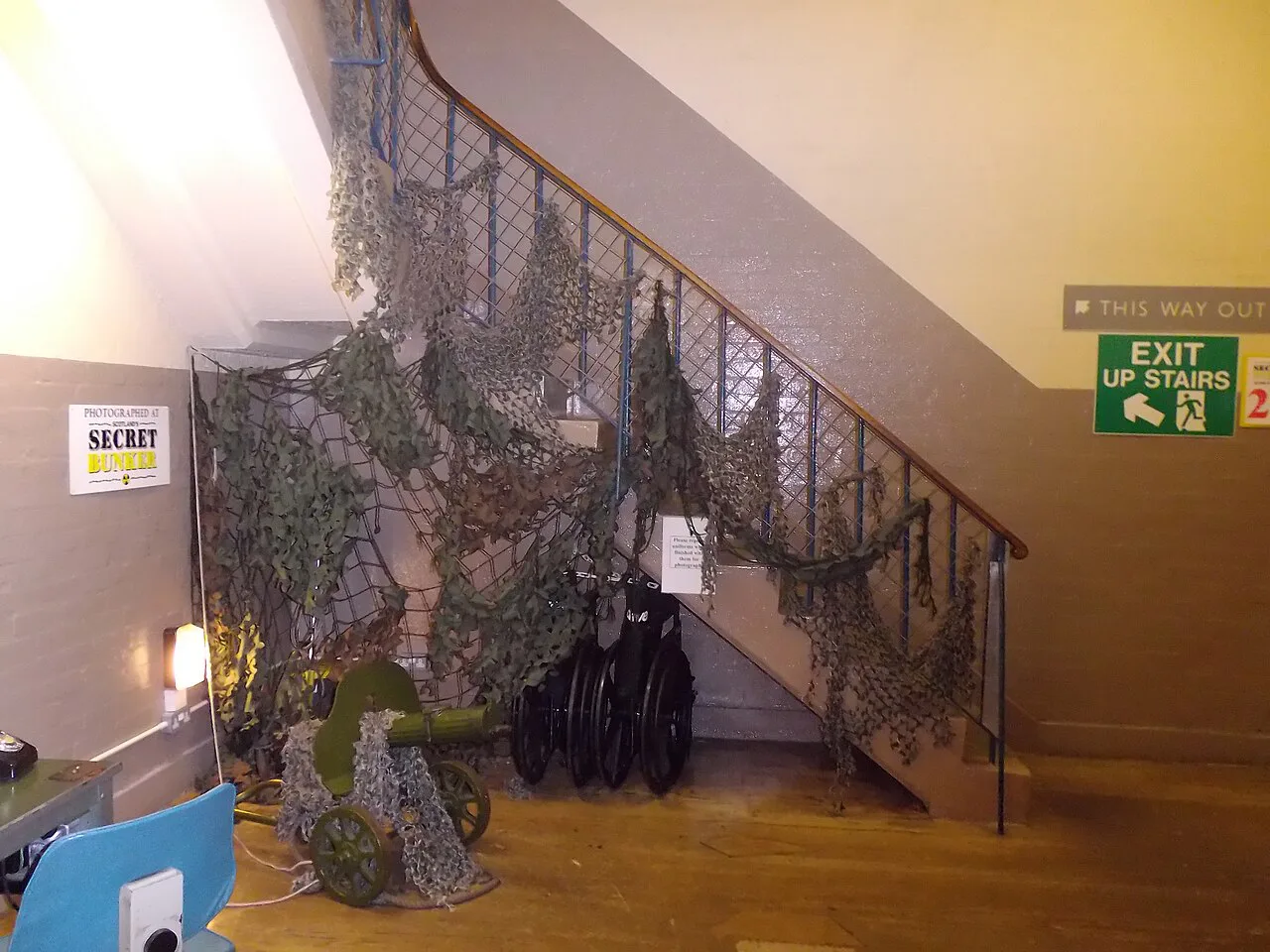
Last updated November 2026. Scotland's Secret Bunker is a Cold War underground command centre near Crail in Fife, concealed beneath a farmhouse and open to self-guided visitors. Allow a half-day, bring a car if you can, and expect a quirky museum rather than a polished national collection.
Featured image: Stanley Howe, CC BY-SA 2.0, via Wikimedia Commons.
What Scotland's Secret Bunker Is, and Why It Wasn't Really Secret
Troywood sits about 6 miles from St Andrews, with Crail and Anstruther as the nearest named places. A farmhouse hides the entrance to a command centre spread over 2 underground levels. Locals say the secret was never fully kept. In the small area around Crail, people noticed that something other than a farm was being built. Build dates conflict between sources. One German-language guide gives 1951, while a local business describes an "R3" ROTOR bunker built by the RAF in 1953. Both place it in the early 1950s, so treat either year as approximate. Scotcrown Ltd took over the site in 1993, and it opened as a museum in 1994. For the wider picture of ROTOR-era sites, see our guide to Cold War bunkers across Europe.
The Bunker's Cold War Role: From Radar Station To Government Shelter
The site had two lives, and knowing both makes the rooms easier to read. It was first built in the early 1950s as part of the RAF's ROTOR programme, a network of radar and air-defence command centres meant to track Soviet bombers approaching Britain. Sources give different build dates, so treat the early 1950s as the safe range.
As missiles replaced bombers as the main threat, the underground space was said to have been adapted in the following decades for a different job. Historians of the period describe it as a regional government headquarters, a place where officials would have tried to coordinate a response to a nuclear attack. The plotting rooms, communications areas and dormitory you walk through reflect both phases.
- Radar-era layer: operations and plotting rooms, built for tracking aircraft.
- Civil defence layer: accommodation, communications and decision-making space for a small group of officials.
- Museum layer: the vehicles, cinemas and displays added after the site opened to visitors in 1994.
When reading the displays, it helps to ask which layer an item belongs to. Some exhibits, such as the East German army material mentioned above, belong to the museum layer rather than to the bunker's own history. The official Scotland's Secret Bunker site is the best place to check how the venue describes its own timeline.
What You'll See Inside
Listings describe a site about 100 ft underground and roughly 24,000 sq ft, with radar-era plotting rooms, a dormitory and a kitchen. Venue wording may differ, so the official Scotland's Secret Bunker site is the reference for figures. Highlights described by visitors are below.
- Outdoor military vehicles: a jeep, a truck, a tank and rockets.
- An underground control room fitted with retro office equipment.
- A bunker cafe where you can have a drink or a bunker breakfast.
- 2 cinemas inside the complex.
- Red telephones labelled as an early missile warning, an underground BBC radio studio and a Scottish CND exhibition, according to past visitors.
Is Scotland's Secret Bunker Worth Visiting? Who It Suits
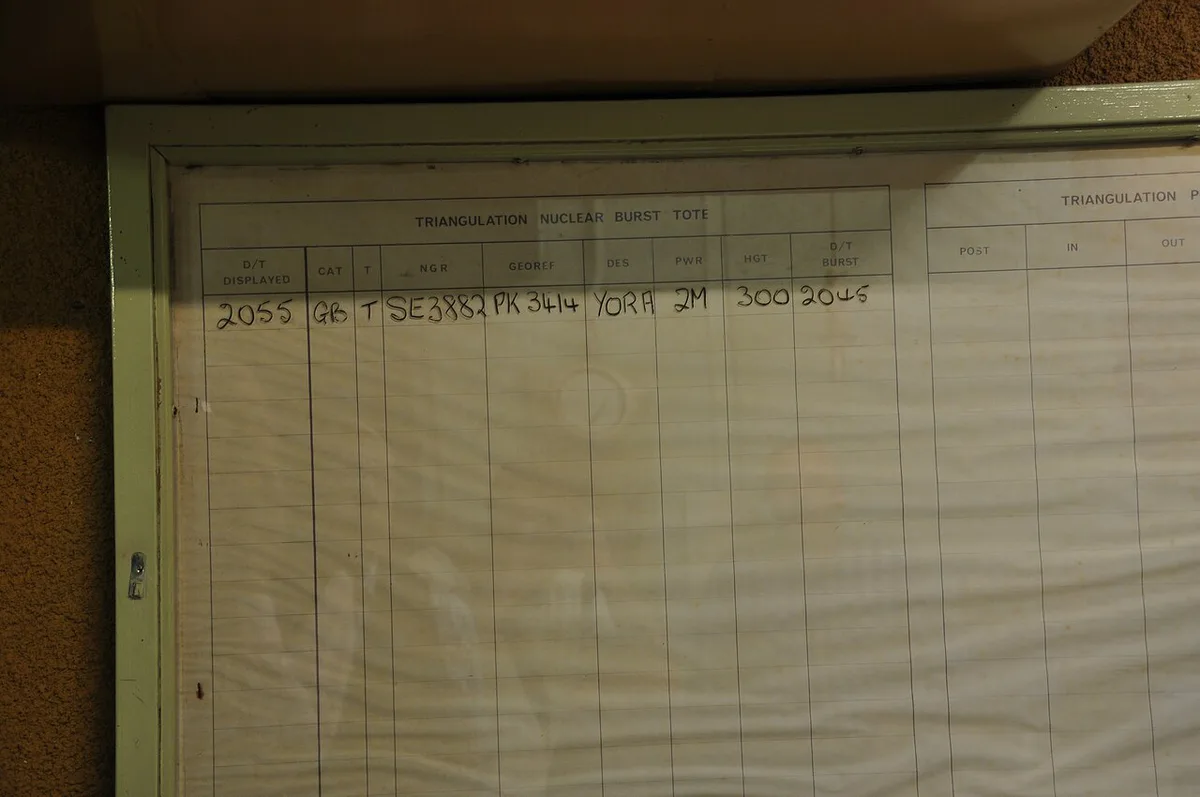
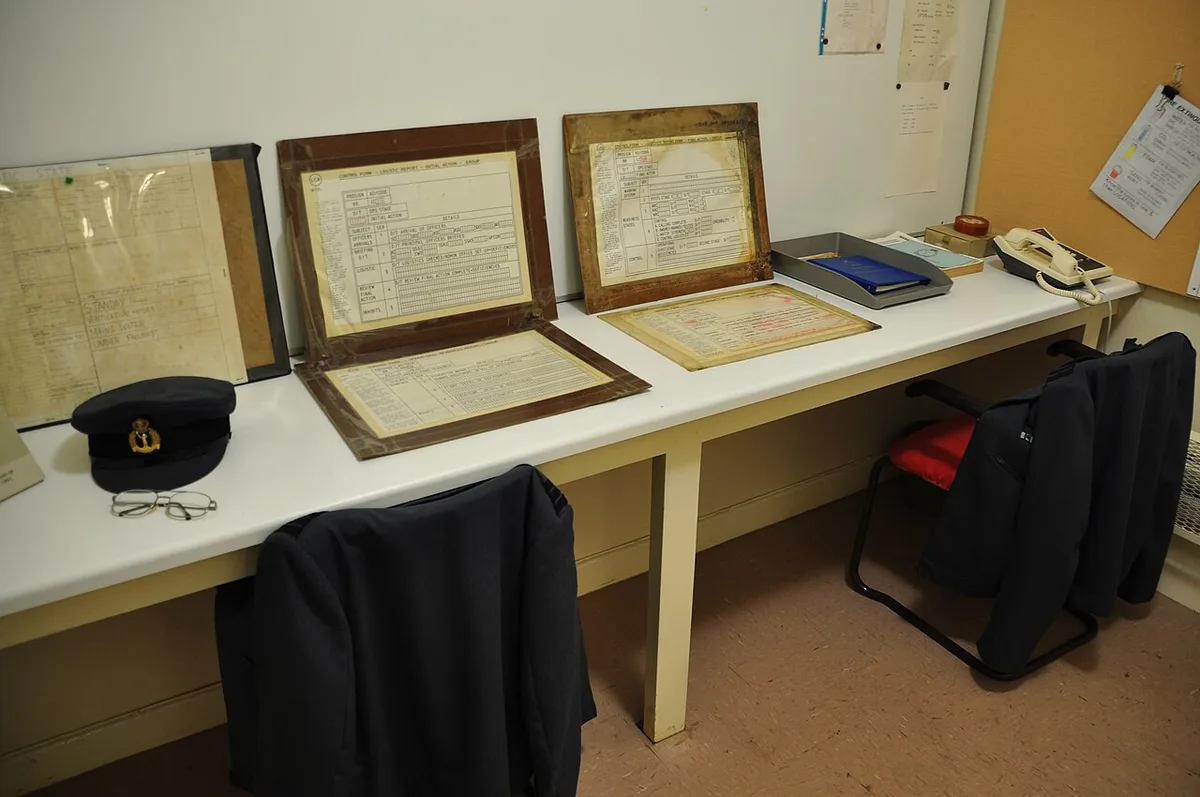
Past visitors found the trip worthwhile but questioned how much of the display is original. Some noted red phones from different decades and East German army exhibits that fit the Cold War theme but not this site. Read it as a museum collection built around a real bunker, not a sealed time capsule. If you want a similar visit, compare the Kelvedon Hatch Secret Nuclear Bunker: Visitor Guide (Essex). York's Cold War bunker is another UK option. Mobility matters here, because the site is deep and stairs are likely. Ask the venue about lift access before you set out.
| Visitor type | Verdict | Reason |
|---|---|---|
| Cold War and military history fans | Go | Vehicles, radar-era rooms and a command-centre layout |
| Families with older kids | Go | Cinemas, a cafe and plenty to look at |
| Quirky-site collectors | Go | Farmhouse entrance and a mixed-era collection |
| Short on time | Skip | The drive from Edinburgh alone is long |
| Wanting a polished national-museum feel | Skip | Described as quirky and sometimes kitsch |
| No car | Plan carefully | Nearest bus stop is a walk away |
| Limited mobility | Ask first | Underground depth and stairs; check lift access |
Getting There: Car, Bus Or Taxi
Driving is easiest. Past visitors put it at about 2 hours from Edinburgh, so use a live route planner before you commit to a day trip. The site has a large car park and an EV charging point. By bus, the nearest stop is about 1 mile (1.5 km) away on the St Andrews–Anstruther line. Route number, frequency and last departure vary, so look them up before you rely on it. A taxi from St Andrews, about 6 miles away, avoids the walk. Ask for a return pick-up time when you book.
| Option | Time | Cost | Friction |
|---|---|---|---|
| Car | About 2 hours from Edinburgh (per visitors) | Fuel and parking; parking terms apply | Low; on-site car park and EV charging |
| Bus | See timetable | See current fares | Walk of about 1.5 km; last-bus risk |
| Taxi from St Andrews | About 6 miles | Ask local firms | Arrange the return trip in advance |
Opening Times, Tickets And How Long To Allow
A published guide gives a season from late February or early March to late October or early November. Daily hours are 10:00 to 18:00, with last entry at 17:00. Winter closure is the key risk, so see the dates on the venue's own website. Admission prices change, so none are quoted here; the same site lists current tickets and any booking rules. With 2 levels to explore plus a cafe stop, allow at least a half-day including the drive.
Plan A Day Around It
Start in St Andrews, drive to Troywood for opening time, then spend the afternoon in the East Neuk. Crail and Anstruther are the natural stops for lunch and a coastal stroll. VisitScotland covers accommodation and area planning. For a wet day, the bunker works well because most of the visit is underground. Wear warm layers and sturdy shoes, since underground conditions can be cool and damp.
Common Mistakes To Avoid
Most problems come from timing and expectations.
- Arriving off-season, when the site is closed.
- Relying on a late bus back to St Andrews.
- Underestimating the 2-hour drive from Edinburgh.
- Expecting a fully preserved, original site.
- Arriving after the 17:00 last entry.
Other Underground Sites In Europe
Cold War sites sit differently from wartime ones. For contrast, see WWII tunnel systems. Dover's cliff tunnels show a wartime approach. Abroad, try Berlin's underground world. Another option is a Third Man walk in Vienna. Broader planning starts with Europe's underground cities. You can also browse guided underground tours across Europe.
Frequently Asked Questions
Where is Scotland's Secret Bunker?
It is at Troywood, near Crail in Fife, about 6 miles from St Andrews. The address is Troywood, St Andrews, Fife, KY16 8QH.
How deep is Scotland's secret bunker?
A local business listing puts it about 100 ft underground, across 2 levels. The venue's own wording has the exact figure.
Are there any bunkers in Scotland?
Yes, and this is the best-known Cold War example in Fife. Check VisitScotland for other sites near your route.
Notes for your next trip underground
Optional updates when we add or revise cave and underground guides.
More guides
More guides you'll find useful