Emerald Caves in Europe: Where to See Green-Water Caves
Where to see emerald-water caves in Europe, why the water glows green, and whether to swim, kayak, or take a boat. Check access before you go.
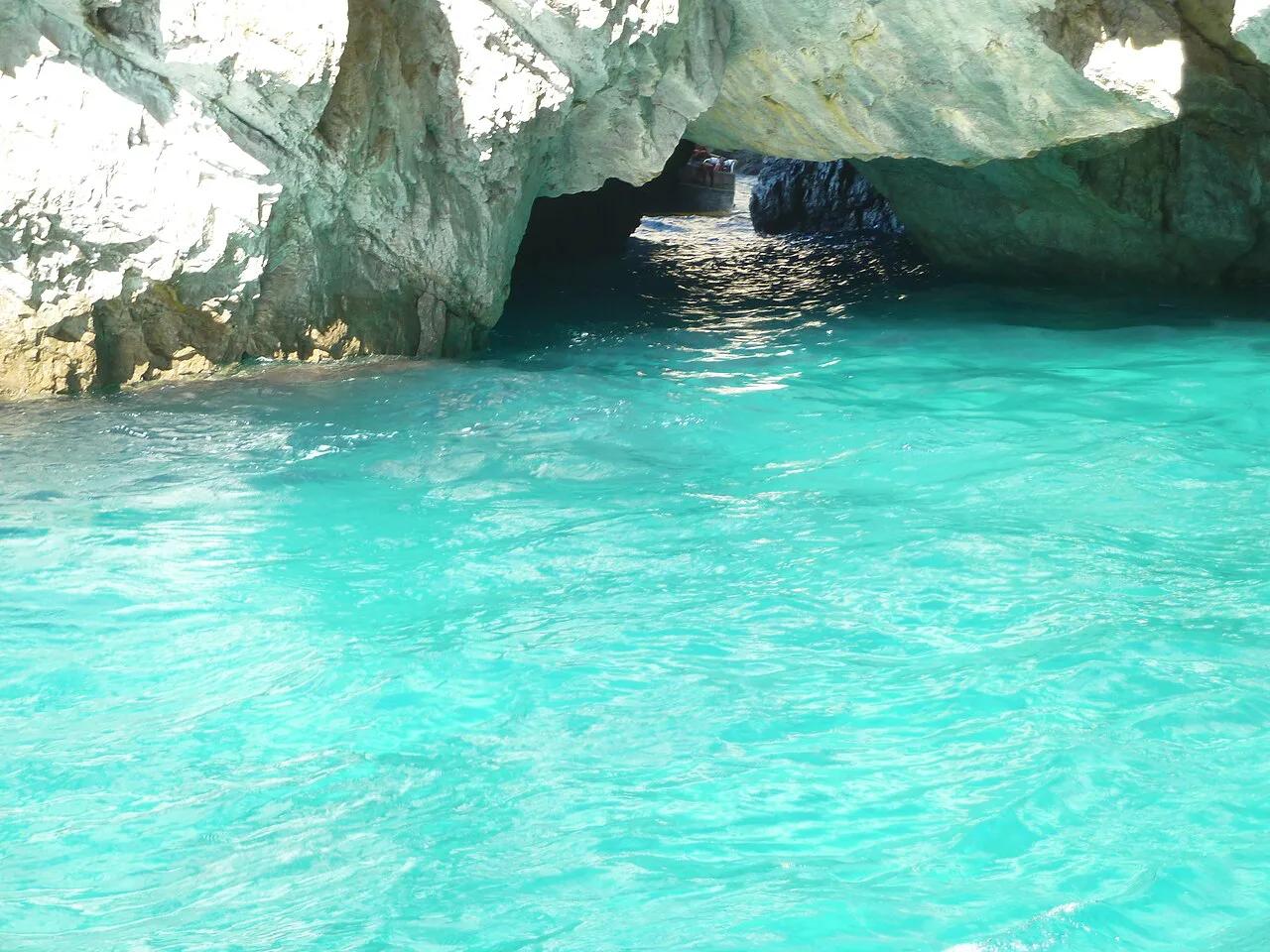
Last updated November 2026. Emerald caves in Europe are almost all sea caves or cave lakes where daylight entering through an opening below the waterline, or through a collapsed roof, turns the water green or turquoise. The most famous cave with that name is a river canyon in the USA, so this guide covers European caves only. Browse the wider list of 6 Best Sea Caves in Europe: Access, Season and Risks if you want more options.
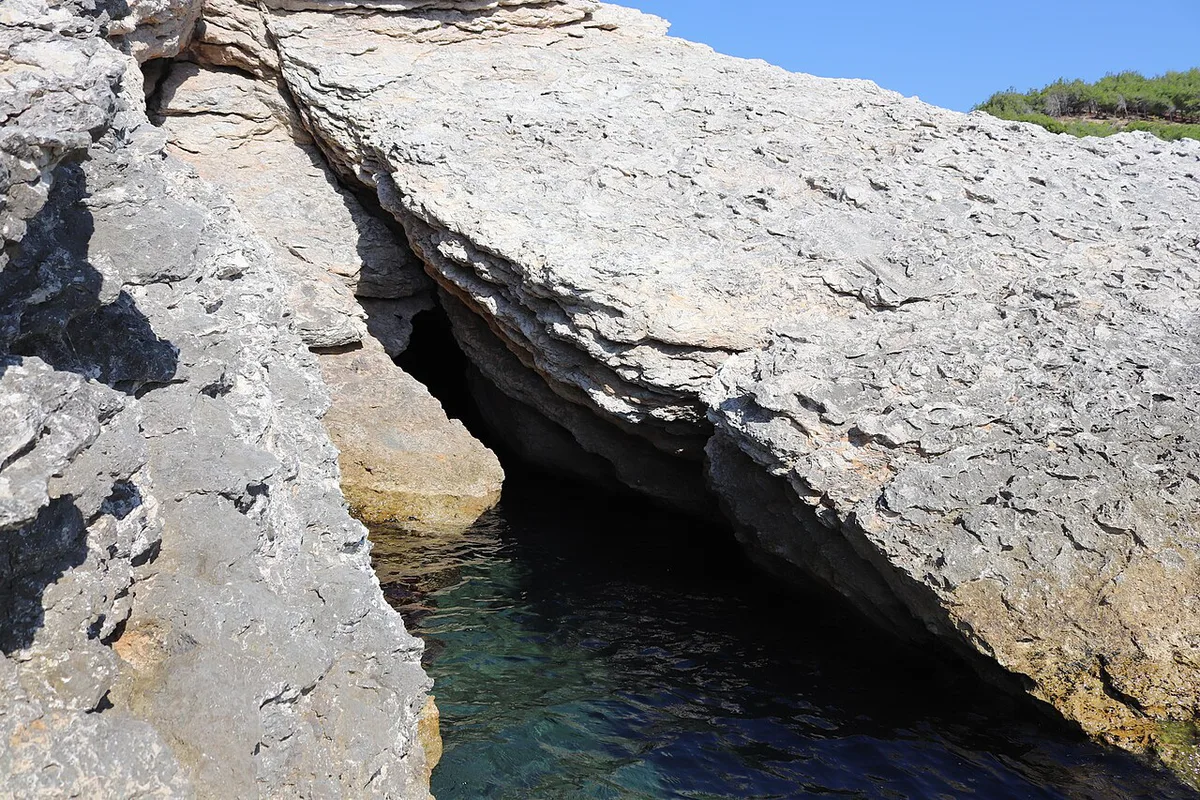
Featured image: Abxbay, CC BY-SA 4.0, via Wikimedia Commons.
What Is an Emerald Cave?
An emerald cave is a cave or grotto where the water glows green or blue-green when daylight reaches it. Nearly every example in Europe is a sea cave, so the colour depends on the sun, the tide and the swell.
The famous Emerald Cave on the Colorado River sits in the Black Canyon on the Nevada and Arizona border. It is a river-canyon cave reached by kayak, not a sea cave. Europe has no direct equivalent, so treat any European tour that promises one with suspicion. Check which cave a booking actually visits.
Why the Water Looks Emerald
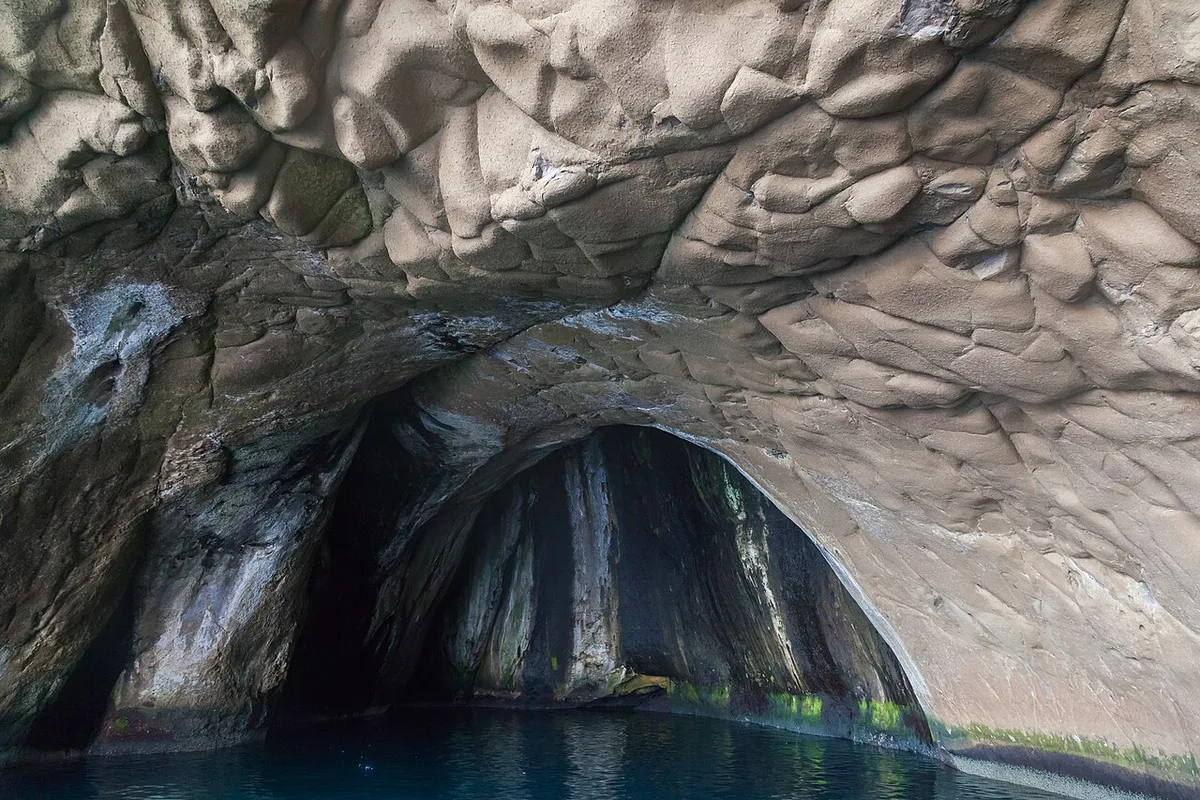
Sunlight enters through an opening below the waterline and travels through clear water. A pale seabed or sediment reflects that light back up into the cave, so the whole chamber glows. Clear water and a clean, light floor matter more than anything else.
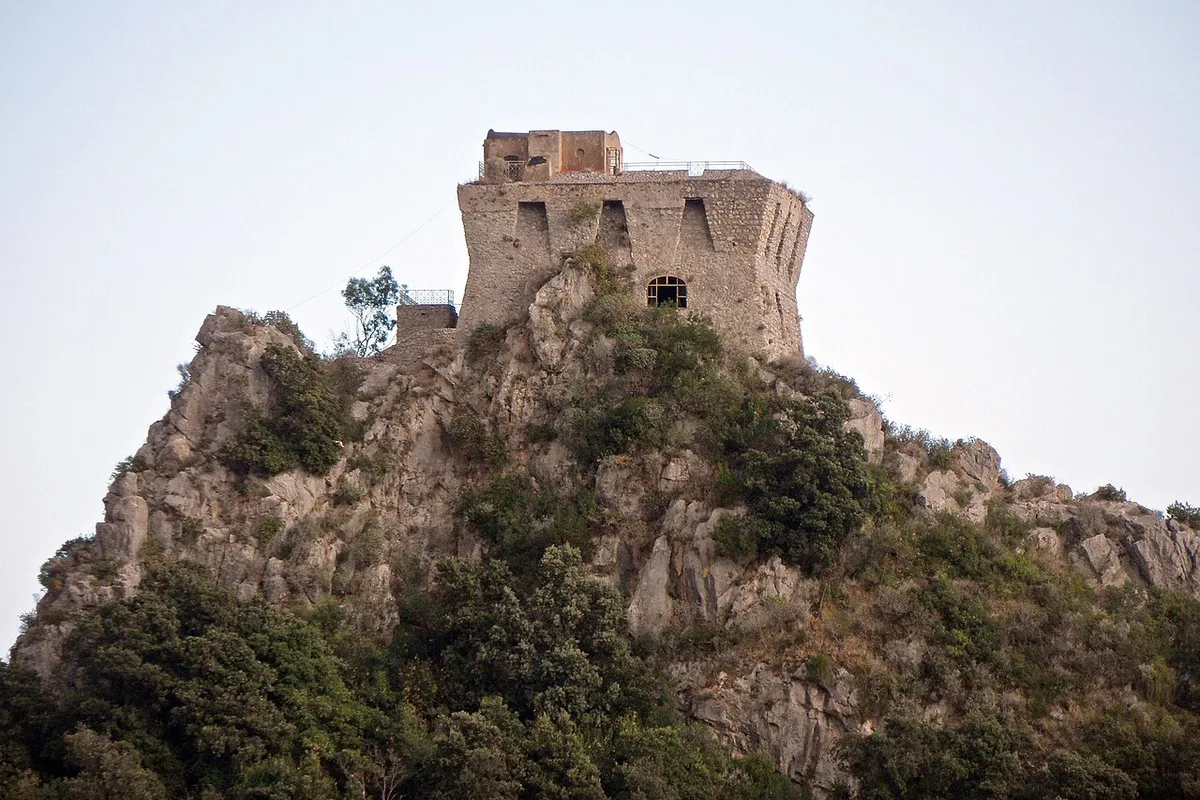
That is why the colour changes with the hour and the sky. A high sun, a calm surface and low turbidity produce the strongest glow. Cloud or churned-up water flattens it. For how these chambers are carved in the first place, read How Are Sea Caves Formed? Rock, Waves and Tide Safety.
Best Emerald Caves in Europe
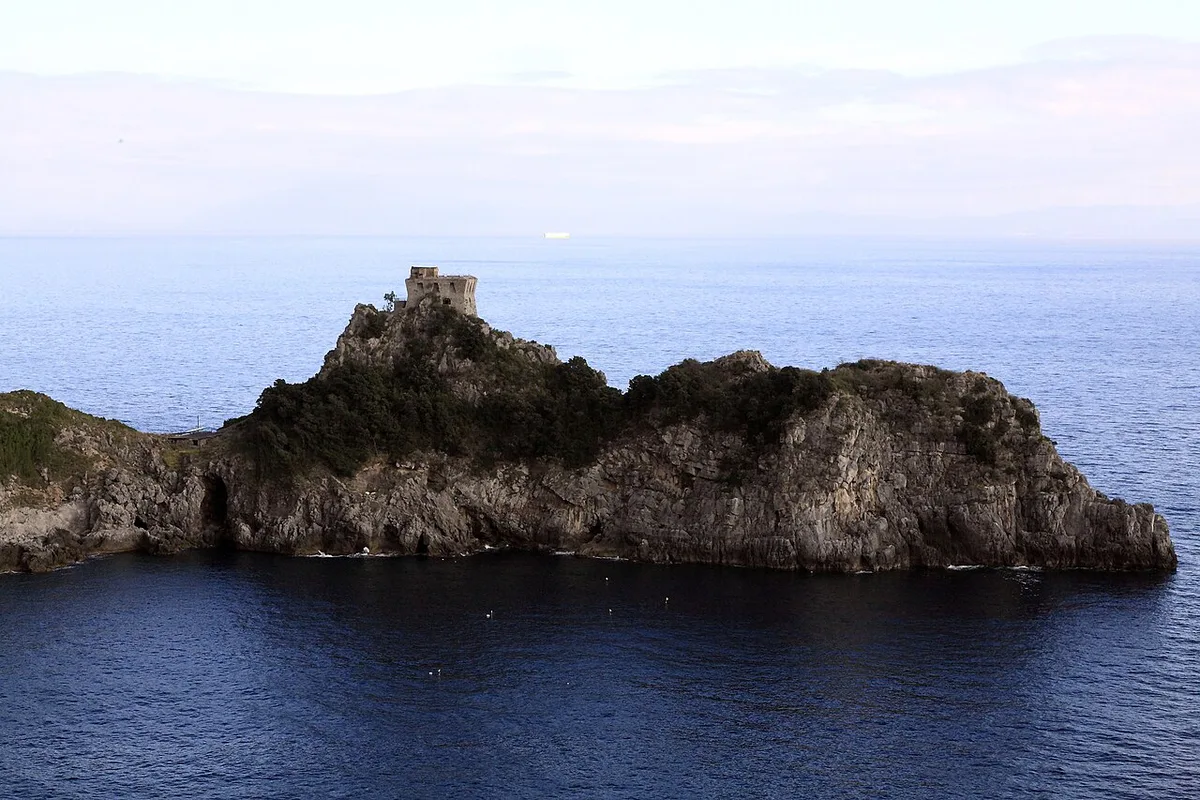
Only a few European caves are worth naming as emerald-water destinations, and the best-documented ones are on the islands below and in the section after this list. Each entry below lists the cave type and how you get in. Entry rules, boat licences and closures change, so confirm them locally before you book. Prices and hours were checked November 2026 against the official tourism sites linked here.
- Capri, Italy: a sea-cave island where grottoes are visited on boat tours. Italia.it's Capri page is the place to start. Swell can close cave entry on rough days.
- Milos, Greece: a Cycladic island with sea caves and coves that are mostly seen from the water. Use Visit Greece's Milos page to plan. Boat tours are the usual way in.
- Algarve, Portugal: limestone sea caves visited by kayak, paddleboard or boat tour. Our guide to Sea Caves in Portugal: Algarve Access, Tours and Timing names the main ones. Official regional information is at Visit Algarve.
Swim, Kayak, Boat, or Walk: Which Access Fits You
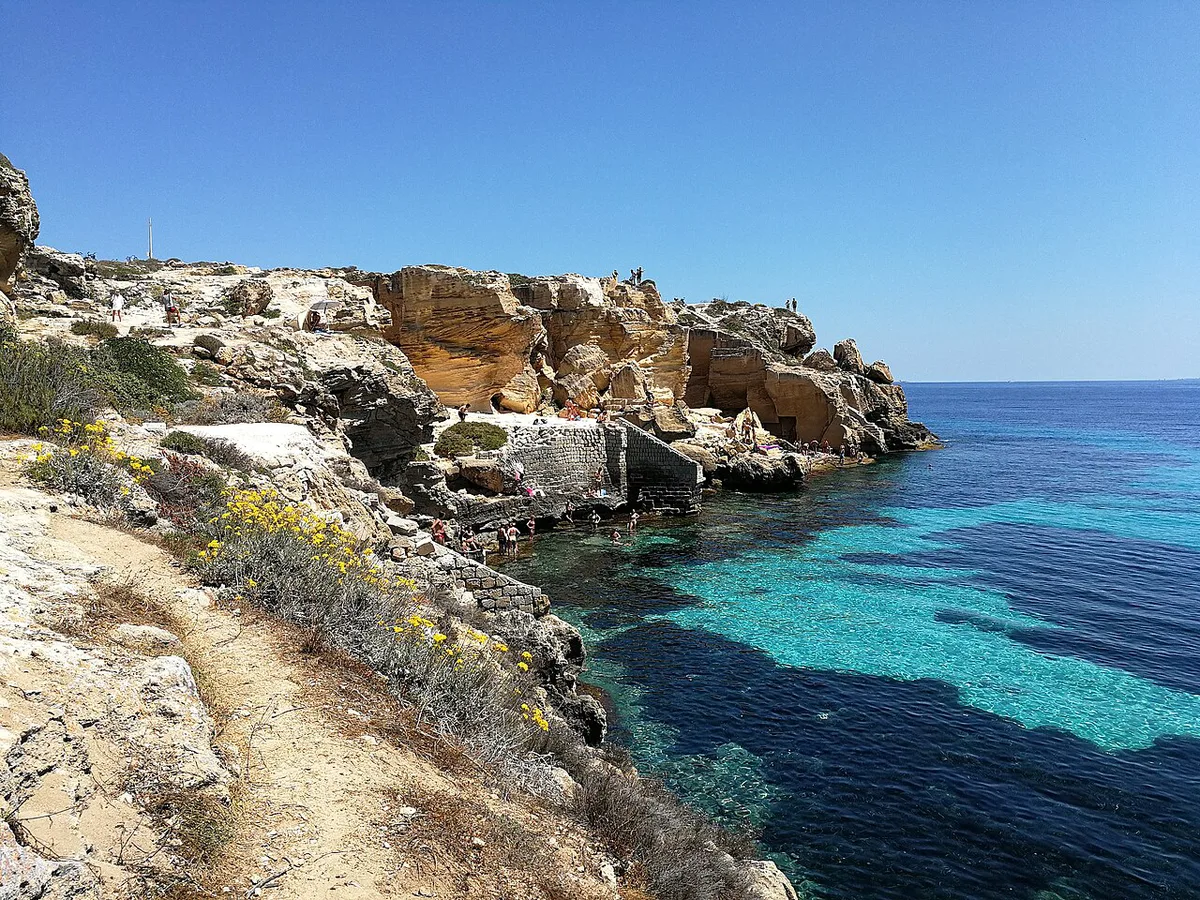
Your access mode decides cost, effort and how likely the day is to be cancelled. Use relative levels rather than fixed prices, because operators set their own rates.
Kayaking suits confident paddlers who want time inside the cave. Our guide to Sea Cave Kayaking in Europe: Places, Safety, Costs covers routes and operators. Swimmers should read Cave Swimming in Europe: Where to Swim in Sea Caves & Cave Pools first.
| Access | Cost level | Fitness needed | Group size | Weather risk |
|---|---|---|---|---|
| Swim | Low | High; strong open-water swimmer | Small | High |
| Kayak | Medium | Medium; basic paddling | Small guided group | High |
| Boat tour | Medium | Low | Larger | Medium |
| On foot | Low | Low to medium | Varies | Low |
Best Time and Conditions
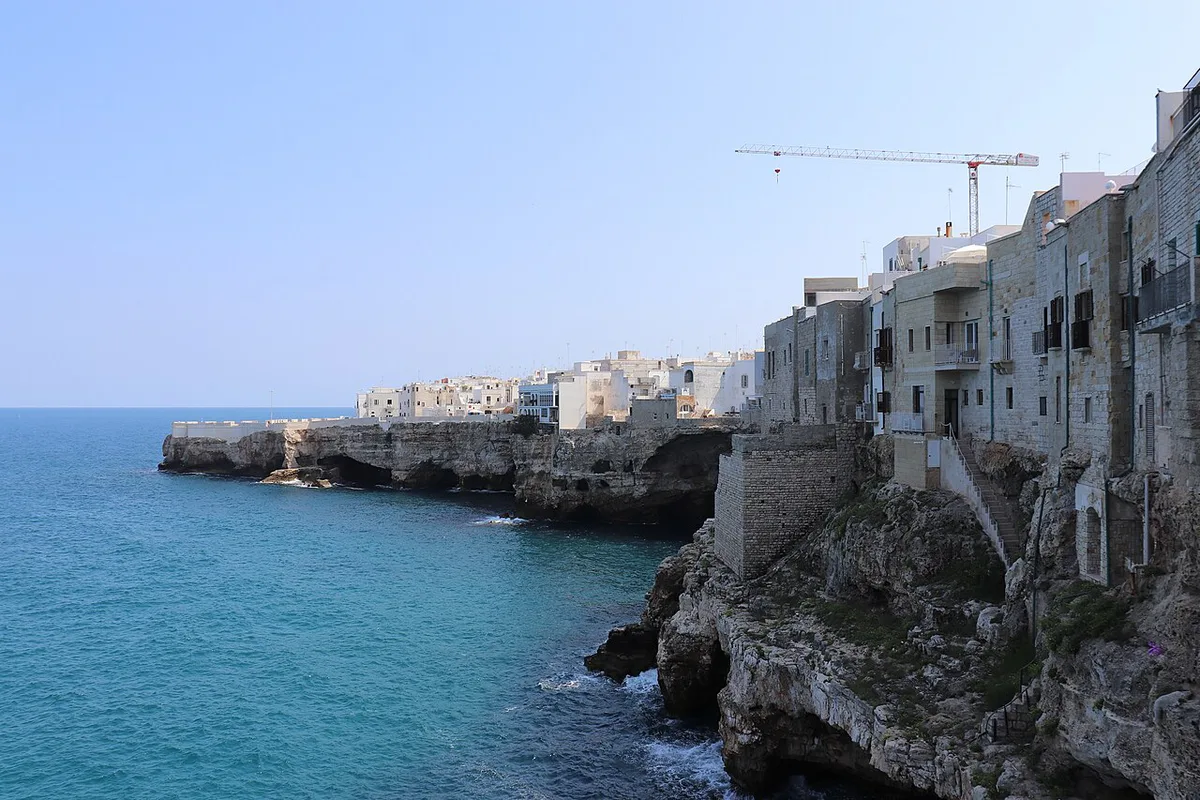
Late morning to early afternoon usually gives the strongest green, because the sun is high enough to light the underwater opening. Overcast days mute the colour. Rough seas can close a cave entirely, whatever the light.
Book flexible tours where you can. Ask the operator the day before whether the cave is open. Summer brings more crowds, so an early slot often means fewer boats in the entrance.
Safety and Rules
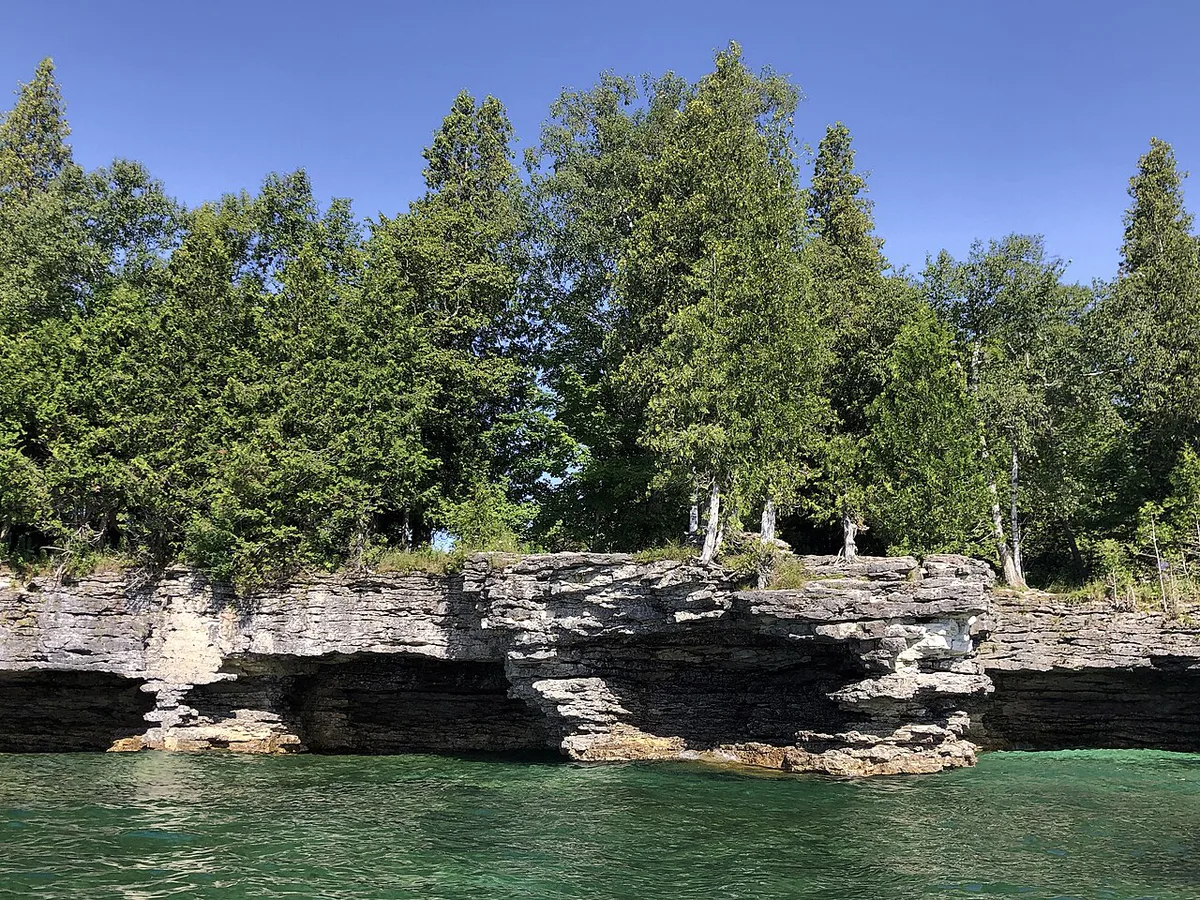
Never enter a sea cave alone. Swell can surge inside a chamber without warning, and the water stays cold even in summer. Wear a buoyancy aid when kayaking, and follow your guide's instructions on when to turn back.
Many caves sit inside protected areas or marine reserves with their own entry rules. For Sardinia, start with the official Sardinia tourism site. Use only licensed boat operators, and ask about permits before you book.
Green-Water Caves We Cover Elsewhere
Beyond the caves above, four more European sites are worth a look if green or turquoise water is the goal. Each has its own guide with the practical detail.
- Green Grotto, Capri: the Grotta Verde, a sea cave on the island's southwest coast with an emerald tone. There is no walking route, so you see it from a boat, and it is worth asking the crew before you pay whether the Green Grotto is a real stop or only a drive-past. Our Green Grotto Capri guide compares it with the Blue Grotto.
- Melissani Cave, Kefalonia: a flooded cave lake where part of the roof has collapsed, so daylight turns the water turquoise. The boat ride lasts about 15 minutes, and late morning to early afternoon gives the best light. See our Melissani Cave guide.
- Blue Caves, Zakynthos: sea caves on the north-west coast between Agios Nikolaos and Cape Skinari, visited by boat. Boats can enter some of them, and a shared cruise from Agios Nikolaos takes 2.5 to 3 hours on the water, with fares from €30 per person. Our Blue Caves Zakynthos guide compares the tour types.
- Grotta del Bue Marino, Sardinia: a karst sea cave on the Gulf of Orosei, reached by boat from Cala Gonone. It is better known for its formations and salt lake than for a glow. Our Grotta del Bue Marino guide has the visit details.
Sea Cave or Cave Lake: Choosing by Light
A sea cave and a cave lake earn their colour differently. In a sea cave, the glow depends on sun angle, sea clarity and swell, so a rough day can cancel the visit entirely. In a lake cave with an open roof, such as Melissani, the light falls from above, so cloud and a low sun matter more than waves. If your dates are fixed and the weather is uncertain, a lake cave is the lower-risk bet. If you can stay flexible, ask the boat crew the day before whether the sea cave is open.
Common Mistakes to Avoid
Most disappointments come from planning errors, not from the caves themselves.
- Booking a tour for a famous emerald cave without checking which cave it visits.
- Assuming promotional photos are unedited. Real colour varies with light and water clarity.
- Going on a rough-sea day and finding the entrance closed.
- Skipping a check of the operator's licence.
- Expecting a European copy of the Colorado River cave. No such kayak-only canyon cave exists here.
Notes for your next trip underground
Optional updates when we add or revise cave and underground guides.
More guides
More guides you'll find useful