
Glacier Caves Explained: How They Form and Where to Visit in Europe
What a glacier cave is, why the ice looks blue, and how natural caves differ from visitor ice grottos. Includes safety notes and where to go in Europe.
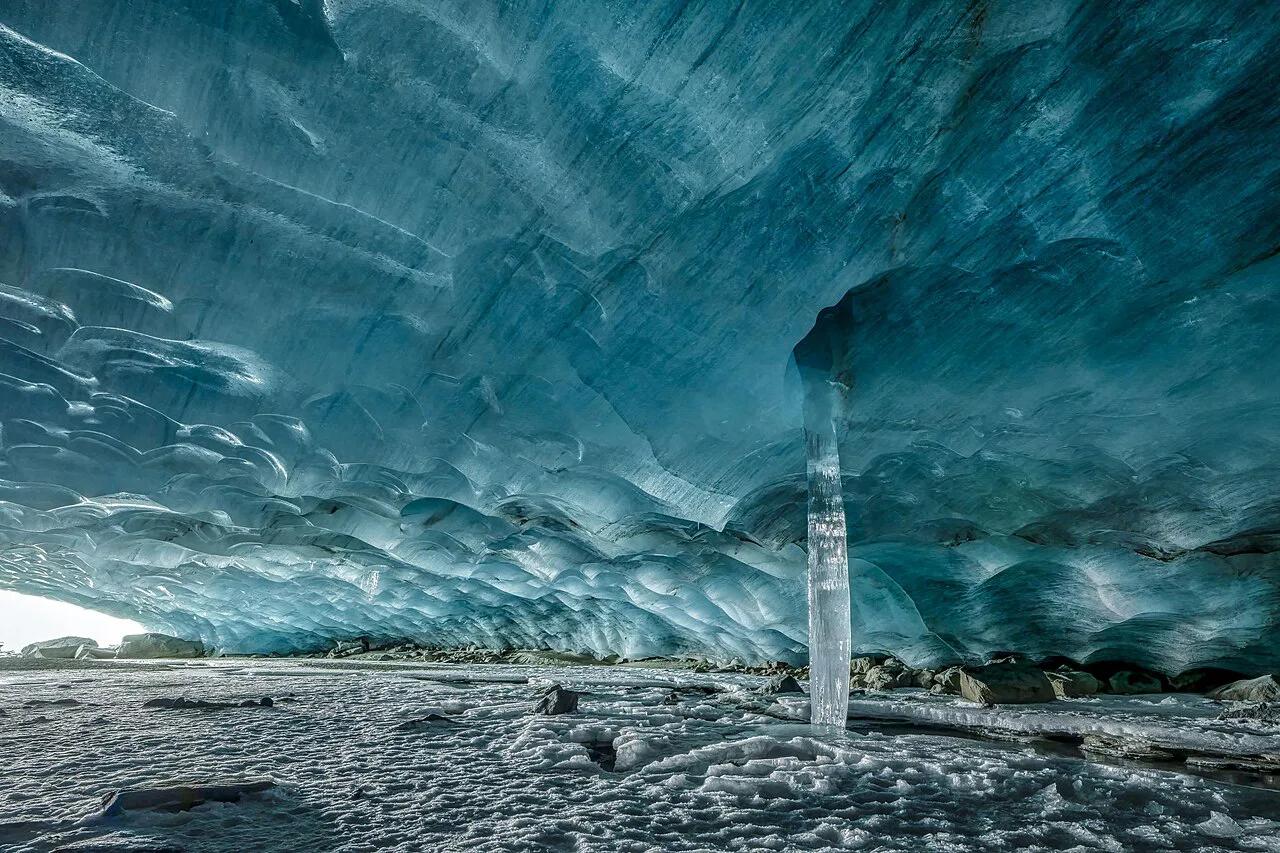
Last updated November 2026: a glacier cave is a cavity in or beneath glacier ice, usually shaped by meltwater or air flow. Rock caves that merely hold ice year-round are a different thing. In Europe most visitors see a managed, man-made grotto, while natural caves are guided-only and change constantly, so start with our overview of ice caves in Europe.
Featured image: Roy Egloff, CC BY-SA 4.0, via Wikimedia Commons.
What a glacier cave is and how it forms
Glacier ice is not static. Meltwater runs across the surface, finds cracks, and drains through channels inside and under the glacier. Where water or warm air keeps flowing, it melts a hollow in the ice. That hollow is a natural glacier cave.
These caves rebuild and collapse with the seasons. A passage that exists in one year can be gone the next, because the ice that forms it keeps moving and melting.
Three different things get called an ice cave online, and the difference decides what you can actually visit.
- Natural glacier cave: carved by meltwater or air flow inside or under moving ice. Unstable and changeable.
- Man-made ice grotto: a tunnel or chamber cut into a glacier for visitors. Managed, maintained and opened on a schedule.
- Non-glacial ice cave: a rock cave, such as a lava tube, that traps ice. No moving glacier is involved, and it is not Europe content here.
Why the ice looks blue
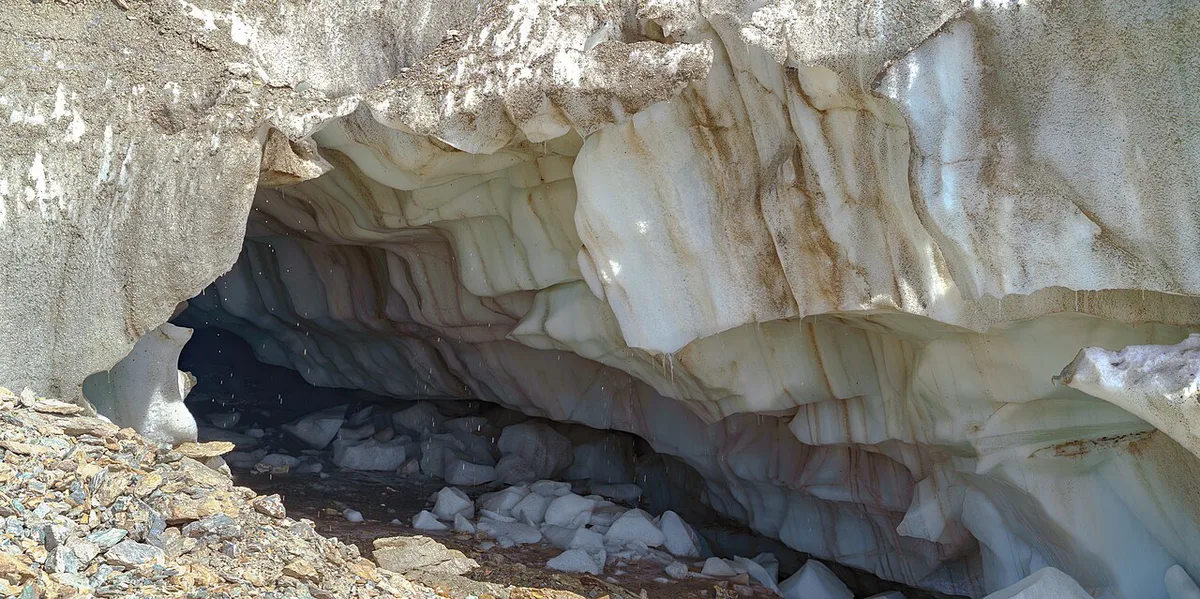
Blue ice has a plain physical cause. Water absorbs red and other long wavelengths of light more strongly than blue. Glacier ice is dense and holds few air bubbles, so light travels a long way through it. By the time it exits, mostly blue light is left. Fresh surface snow and bubble-rich ice look white because bubbles scatter all colors. Treat "glowing" as an effect of dense ice and the light available, not a special property of one cave.
Natural caves vs. visitor grottos: which one are you booking?
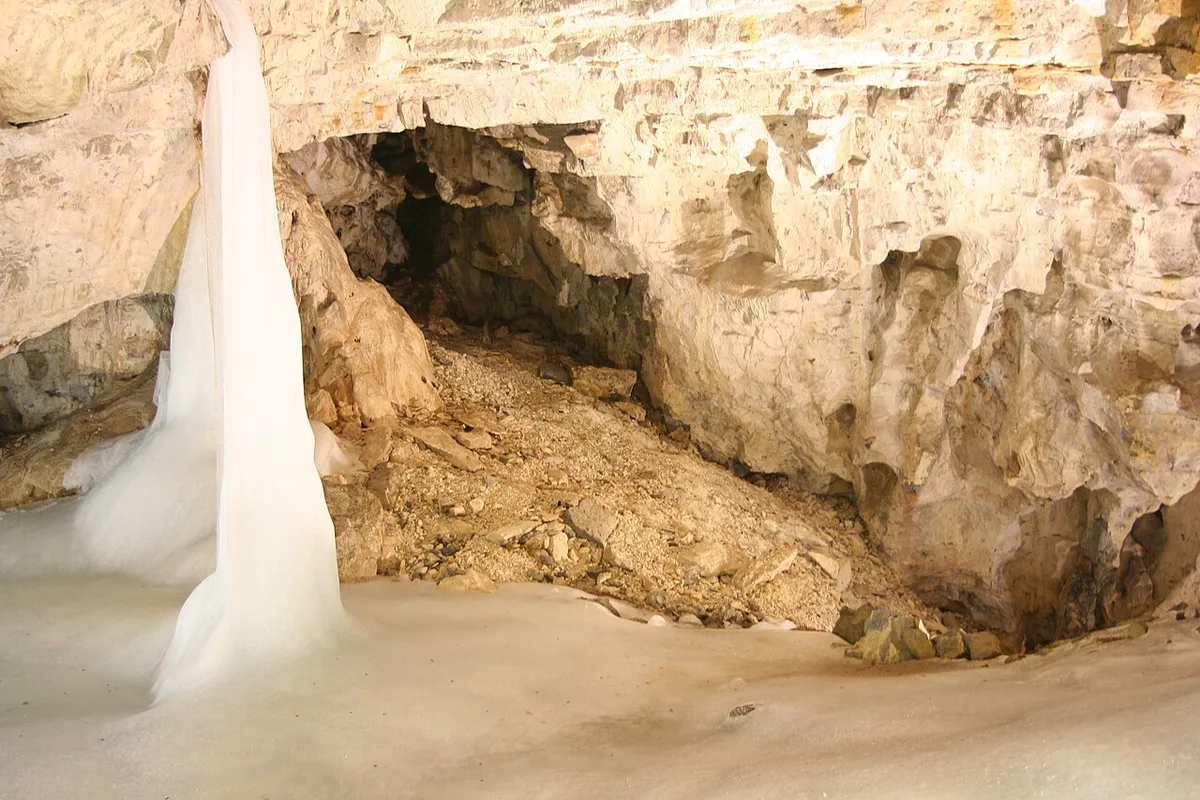
Video clips rarely say which type they show. Before you plan a trip, check which row of this table matches the experience you want.
| Type | Origin | Stability | Access | Guide needed | Season | Best for |
|---|---|---|---|---|---|---|
| Natural glacier cave | Meltwater or air flow | Changes year to year; collapse and flooding risk | Only with a qualified guide where tours exist | Yes | Varies with ice conditions | Experienced, well-equipped visitors |
| Visitor ice grotto | Cut into the ice by operators | Maintained and monitored | Usually via lift, rail or cable car | Per operator | Follows the operator's calendar | Families, first-timers, anyone wanting a reliable visit |
| Non-glacial ice cave | Ice trapped in rock, such as lava tubes | Depends on the site | Varies | Varies | Varies | Contrast only |
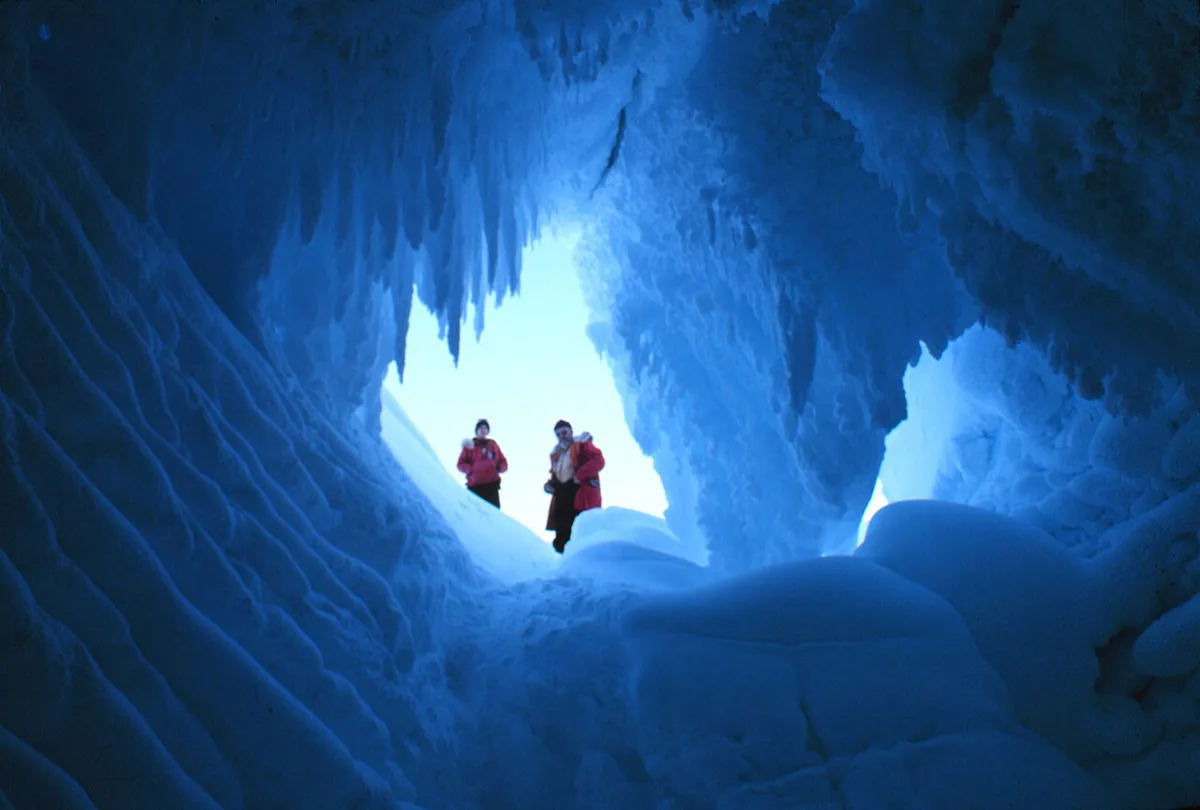
Where to visit a glacier cave in Europe
For a French Alpine example, the Mer de Glace Ice Cave: Access, Tickets & Is It Worth It is a man-made grotto cut into the glacier. Operating details sit with the Mer de Glace operator.
For an easy-access option in Austria, see the Stubai Glacier Ice Grotto: Access & Visit Guide. Lift access and opening dates are listed by Stubai Glacier.
For country-level planning, read our guide to Ice Caves in France: Mer de Glace Cave, Access and Tips. Italy has its own options in our guide to Ice Caves in Italy: Where to Go and Alternatives. Our full Europe ice cave guide compares every region side by side.
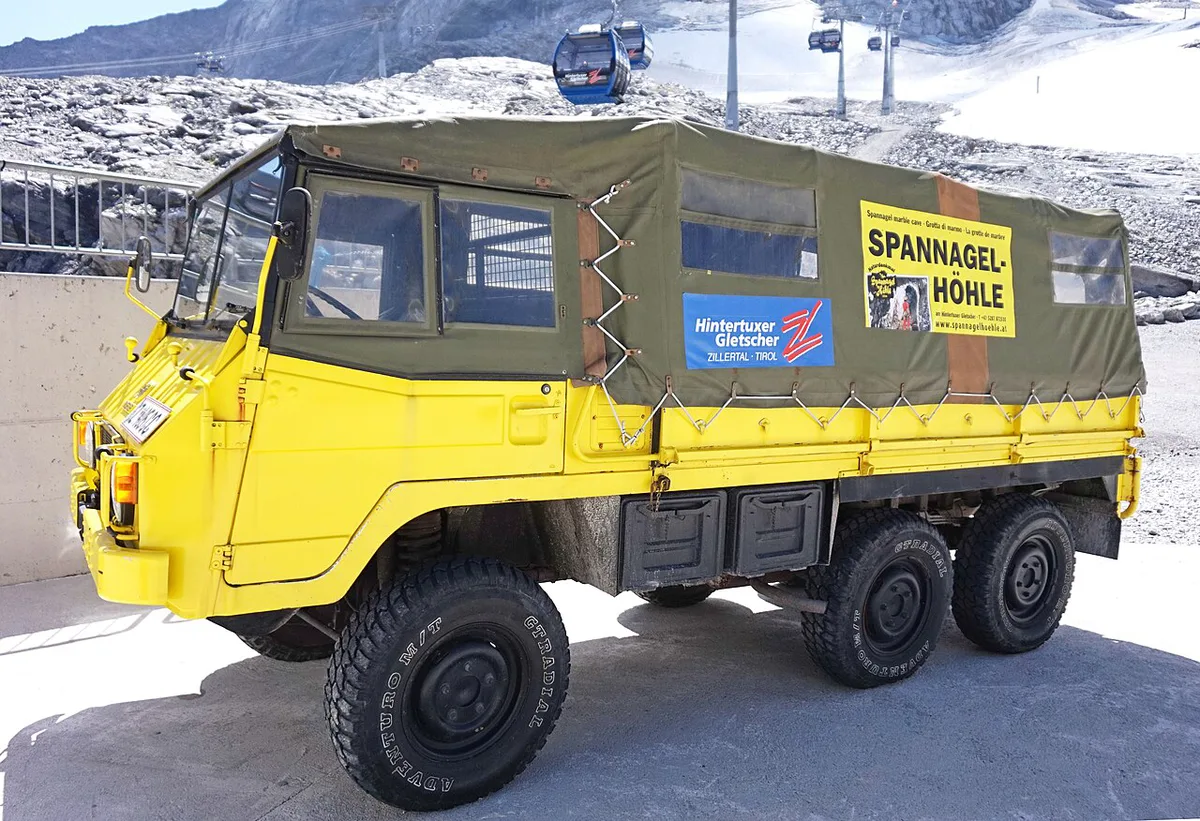
Safety and responsible visiting
Natural glacier caves carry real hazards. Roofs can collapse, meltwater can rise fast, and ice shifts without warning. That is why they are guided-only, and why a viral video location is not an invitation to walk in.
A managed grotto removes most of these risks, because the operator inspects and maintains the space. Even so, follow staff instructions and stay on marked routes.
- Ask whether the guide is qualified for glacier travel.
- Ask what the operator does when ice or weather conditions change.
- Ask which footwear and warm layers are required.
- Ask what happens to your booking if the cave closes.
Timing, cost and access trade-offs
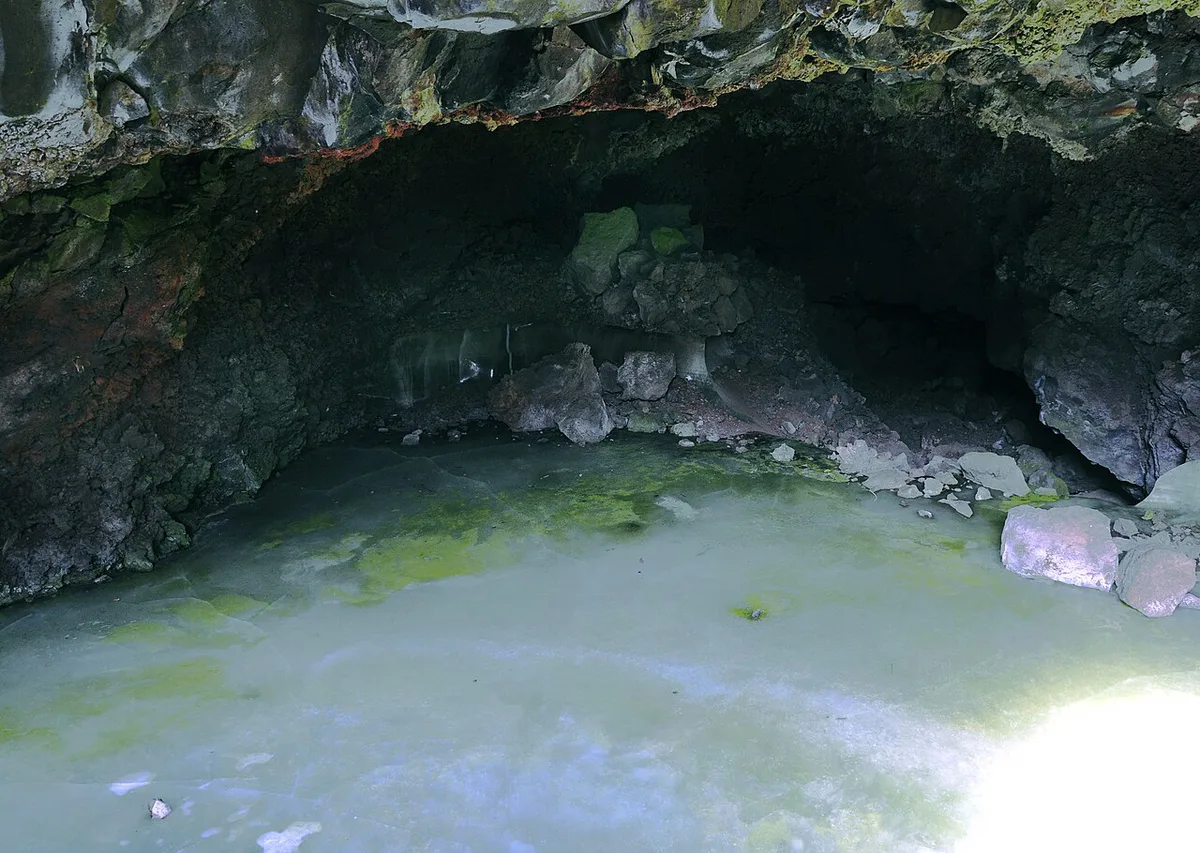
Natural caves are seasonal and unpredictable, so no operator can promise one in advance. Managed grottos depend on lifts, railways or cable cars, which run on their own calendars. Wind, snow or maintenance can close an access line even when the grotto itself is intact.
A grotto day trip by lift is usually the lower-cost, lower-effort choice. A guided natural-cave tour costs more and demands more fitness. Rates change each season, so read current prices on the operator's official site.
If your chosen grotto sells timed entry, book early in peak periods. For Mer de Glace, see our ticket booking guide.
What to wear and bring for a glacier cave visit
Inside a glacier cave or grotto the air is usually close to freezing, and the floor is wet or icy even when it is warm outside. Dress for standing still in the cold, not for walking.
- Footwear: Waterproof boots with a grippy sole and ankle support. Trainers soak through and slip on wet ice. For guided natural-cave tours, boots that accept crampons are normally required.
- Layers: A thermal base layer, a fleece or light down mid layer and a windproof, waterproof shell. Cotton holds moisture and chills quickly.
- Hands and head: Gloves and a warm hat. Gloves also protect your hands when you steady yourself on ice walls.
- Eyes: Sunglasses for the walk across the glacier or the lift ride. Snow glare is strong at altitude even in cloud.
- Camera gear: Spare batteries, since cold drains them fast. A phone in an inside pocket works better than one in a cold outer pocket.
- Water and snacks: Carry a small bottle and something to eat, as there is rarely anywhere to buy either once you are on the ice.
Some operators rent boots, helmets or crampons at the meeting point. Ask in advance, because rental sizes can run out in busy periods. Children and anyone with mobility limits should check the operator's age, fitness and step-count requirements before booking, since grotto access can include stairs or uneven ice.
Common mistakes with glacier caves
Most disappointments come from the same few assumptions. Check these before you travel.
- Assuming a viral video location is open to the public.
- Entering a natural cave without a guide.
- Expecting year-round access to a seasonal cave.
- Forgetting that grottos at altitude are cold and need proper footwear.
- Booking without confirming that the lift or train is running.
Frequently Asked Questions
Is an ice cave worth it?
For most visitors, yes, if you pick the right type. A managed grotto gives a dependable look at dense blue ice. A natural cave is more dramatic but depends on conditions and a guide.
Will the ice caves reopen?
Natural caves often reform in a different shape each season. Grottos reopen according to the operator's calendar and conditions. Check the operator's official site for current status.
Notes for your next trip underground
Optional updates when we add or revise cave and underground guides.
More guides
More guides you'll find useful






