
Mer de Glace Ice Cave: Access, Tickets & Is It Worth It
Plan a visit to the Mer de Glace ice cave in Chamonix. Montenvers train, stairs, tickets, timing, who it suits and how it compares with other European ice caves.
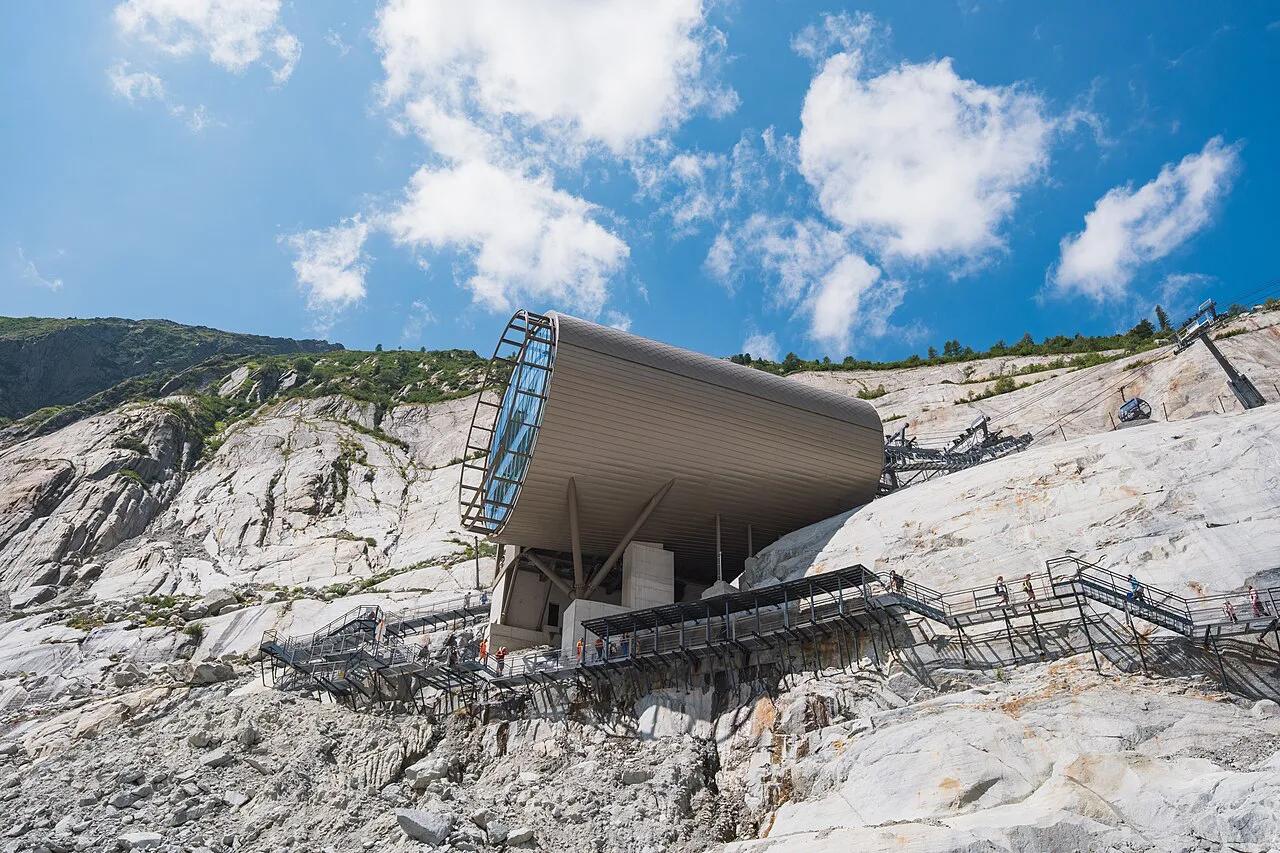
Last updated November 2026: the Mer de Glace ice cave (Grotte de Glace) is a grotto carved by hand into the glacier above Chamonix. You reach it by Montenvers rack railway, a gondola and a long staircase. Costs and time are modest, but the descent on foot is physically demanding. Because the cave is re-cut every year, it works differently from the natural caves in our guide to Ice Caves in France: Mer de Glace Cave, Access and Tips.
Featured image: Christian David, CC BY-SA 4.0, via Wikimedia Commons.
Is the Mer de Glace ice cave worth it?
Yes, if you want a short, easy-to-plan glacier experience from Chamonix and accept what it is. The cave is a man-made tunnel cut into moving ice, not a natural cavity. Natural caves are shaped by meltwater, as explained in our piece on how glacier caves form. Mer de Glace trades that wildness for reliable access and a clear view of glacier retreat.
- Best for: first-time glacier visitors, rail and mountain-history fans, and anyone who wants climate-change context on a half-day outing.
- Best for: travelers staying in Chamonix who want one low-risk activity without a guide or crampons.
- Skip if: you have limited mobility, use a pushchair, or struggle with long staircases or heights.
- Skip if: you want a natural blue-ice cave. A different destination suits that better.
How to get there from Chamonix
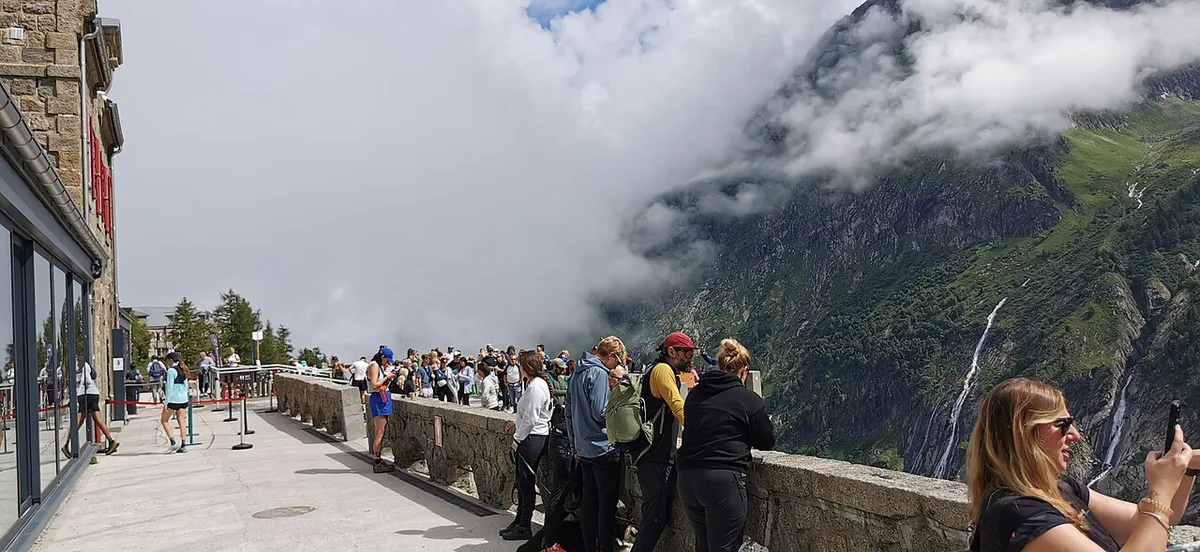
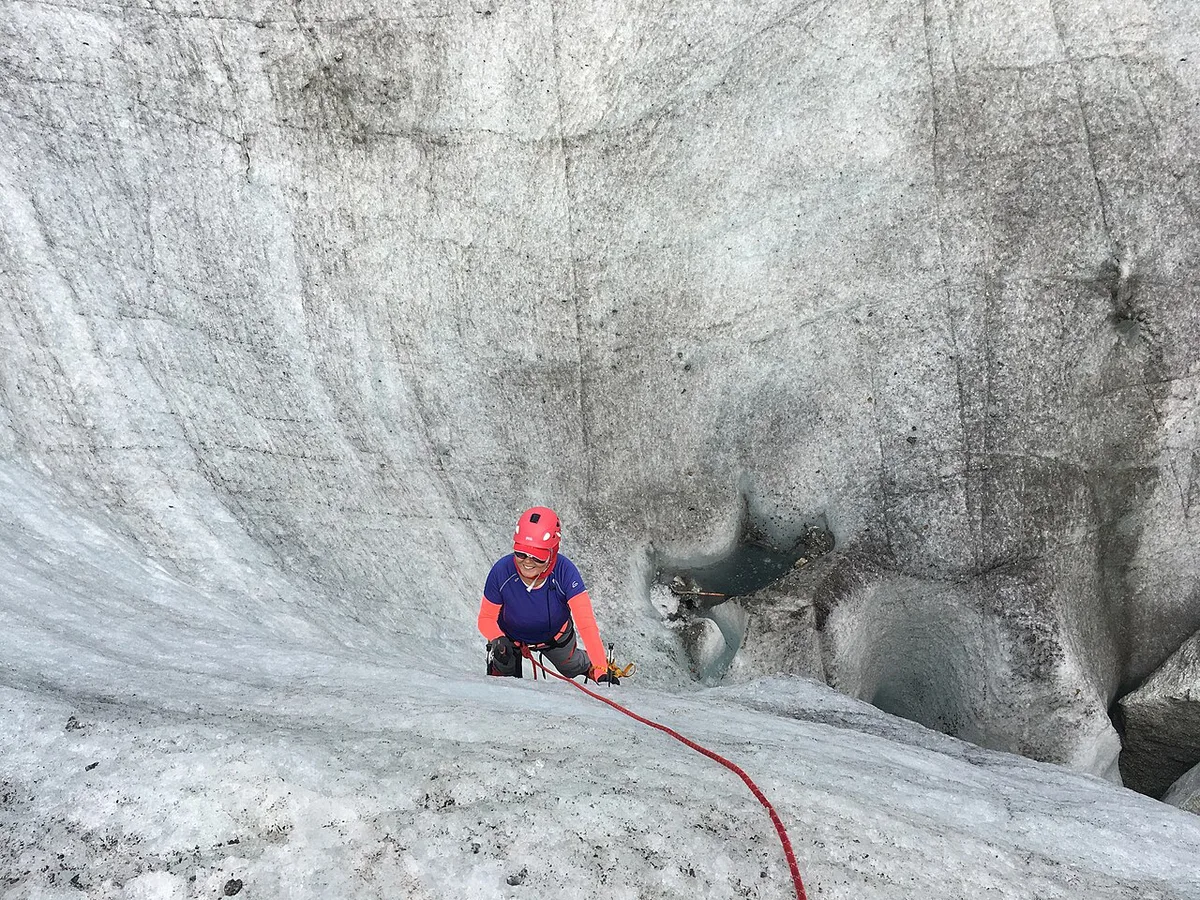
Most visitors take the Montenvers rack railway from Chamonix up to Montenvers station at 1,913 m. Local listings put the ride at about 20 minutes, so check the current timetable with the operator. From the station, a gondola drops toward the glacier. A staircase then leads down to the cave entrance. Hikers have another option. The Grand Balcon Nord trail runs from Plan de l'Aiguille, and the two-hour uphill route from Chamonix starts near the summer luge track. Crossing the crevassed glacier itself needs proper equipment and an experienced guide.
- Step 1: Board the Montenvers train in Chamonix. Effort: none.
- Step 2: Ride up to Montenvers station (1,913 m) and take in the viewpoint. Effort: low.
- Step 3: Take the gondola toward the glacier. Whether it is included in your ticket depends on the fare you buy. Effort: none.
- Step 4: Walk down the staircase to the cave. Effort: high, and you climb back up afterward.
Montenvers station location, base town and what to wear
The Montenvers railway leaves from its own terminal in central Chamonix, a short walk from the main Chamonix-Mont-Blanc train station. The terminal is usually listed as Gare du Montenvers, Place de la Gare, 74400 Chamonix. You do not need a car in town: the valley's hotels, buses and the SNCF station are all within a few minutes of each other. Confirm the departure point and times with the operator before you travel.
Most visitors reach Chamonix from Geneva airport, roughly 1 hour 20 minutes to 1.5 hours away by road or shared shuttle. Book the transfer ahead in peak summer and school-holiday weeks.
What to wear and carry
- Shoes with grip. The cave stairs are wet and metal-treaded, so smooth soles are a poor choice.
- Warm layers. The air in a glacier tunnel stays near freezing even when Chamonix is hot. A fleece and a light shell cover most days.
- Gloves. Handrails and ice walls are cold to the touch.
- Water and a snack. Montenvers has food on site, but the stair climb back is the hardest part of the day.
- Sun protection. At 1,913 m, UV is strong even on hazy days.
Trekking poles are not necessary, though some visitors find them helpful on the climb back up. If you want a different carved-ice experience in another country, our guide to the Rhône Glacier ice grotto in Switzerland shows how a comparable visit works.
Tickets, costs and opening hours
Four components exist: the train, the gondola, the cave and the Glaciorium exhibition. Fares and bundles change, so read the operator's own page at Montenvers–Mer de Glace before you buy. Our Mer de Glace ticket guide explains how to compare a combined ticket with separate ones. Third-party listings show 10:00–16:30 daily, but the operator sets real hours, last descent and seasonal closures. Check them for your travel date. Note the last descent time, because the stairs take longer than most visitors expect.
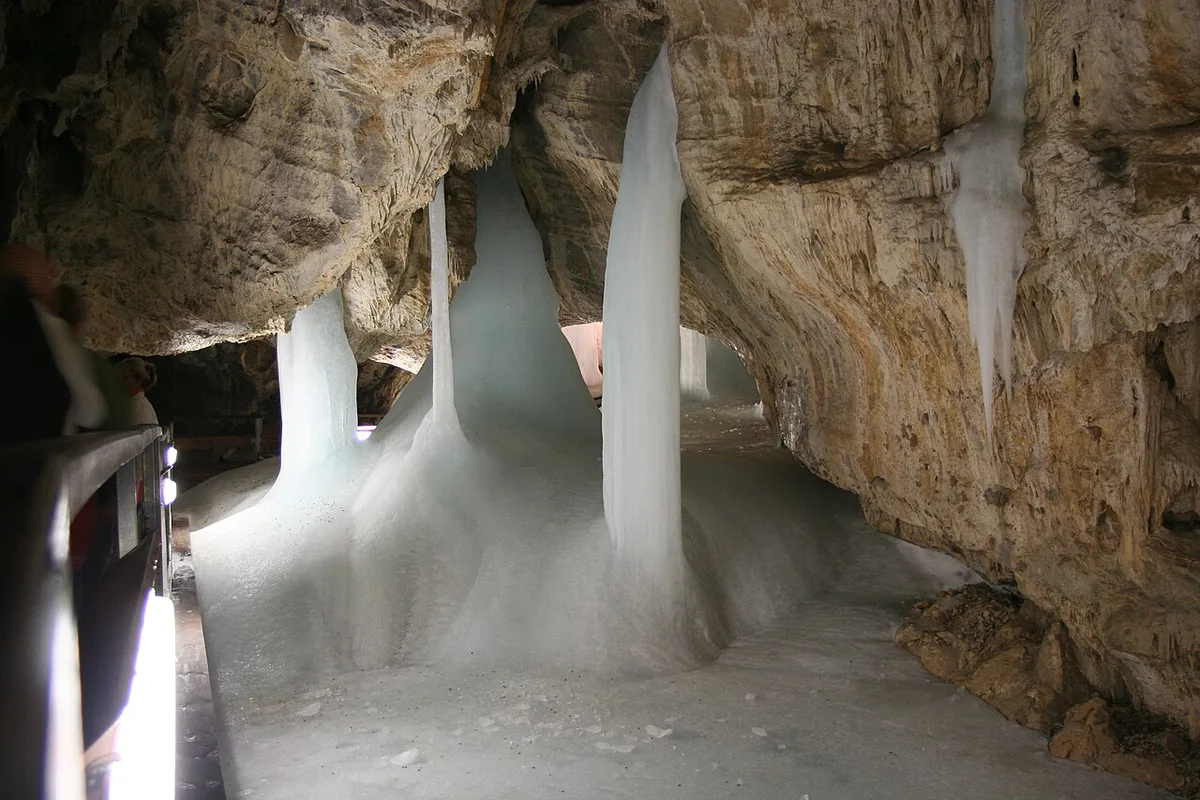
The stairs and accessibility reality check
Stair counts rise as the glacier thins. Only 3 steps were needed in 1988, and published counts today run into the hundreds. The number differs each season, so no single figure holds for long. Glacier access may eventually move roughly 500 m up valley. Every step down is a step back up, so allow energy for the return climb. Pushchairs, small children, limited mobility and vertigo are all good reasons to reconsider. Wear shoes with real grip, since wet ice and metal treads are slippery. Plan on doing the descent on foot, and ask the operator about alternatives before you assume any exist.
Only 3 steps were needed in 1988, but the plaques on the walk down mark the glacier's height between 1985 and 2018.
How long to allow and when to go
Plan roughly half a day from Chamonix. The figures below are planning estimates, not operator times. Visibility, ice conditions and crowds all shift with weather and season, so ask the operator about cave status before you travel. Earlier departures usually mean fewer people on the stairs.
| Stage | Planning estimate |
|---|---|
| Train up to Montenvers | About 20 minutes each way |
| Viewpoint and Glaciorium | 30–60 minutes |
| Gondola, stairs and cave | 60–90 minutes |
| Climb back and return train | 30–45 minutes |
What you'll see: cave, Glaciorium and glacier retreat
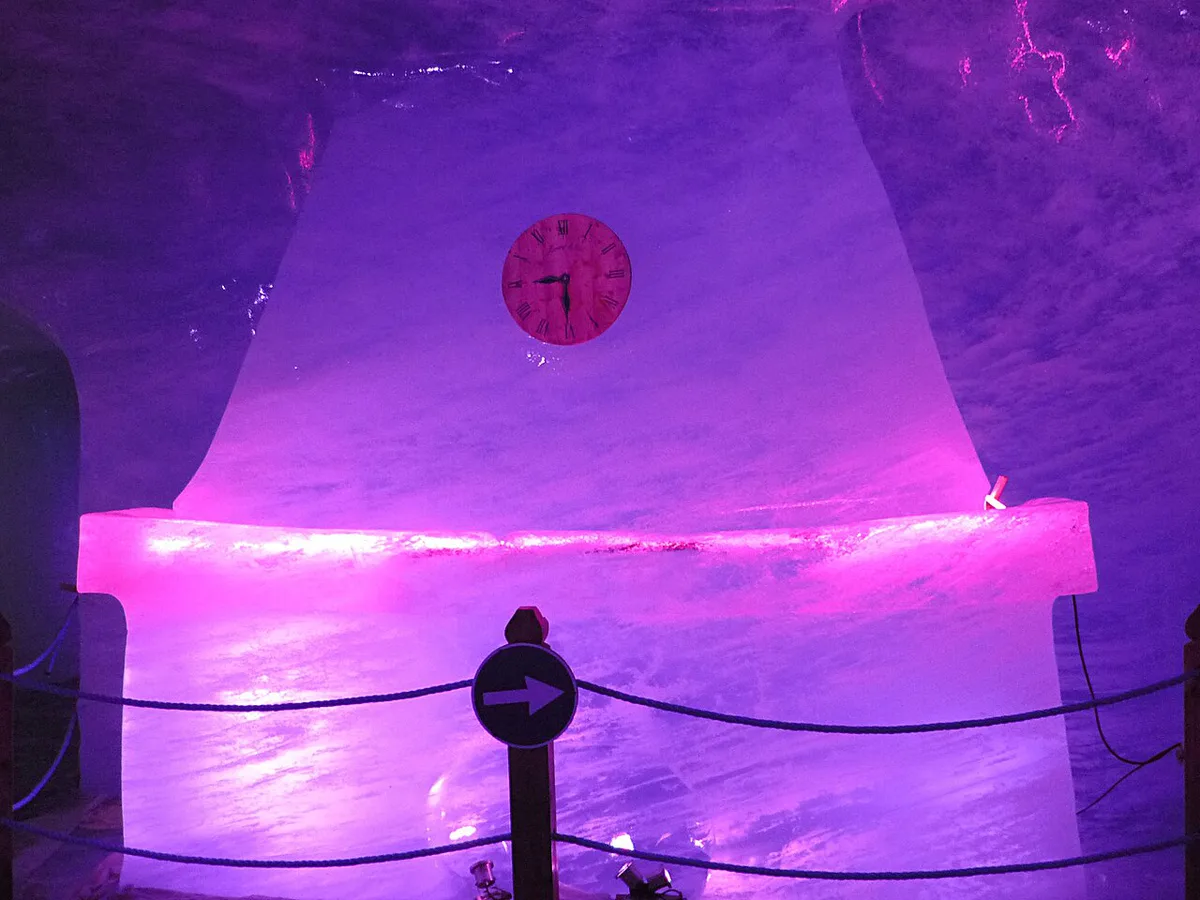
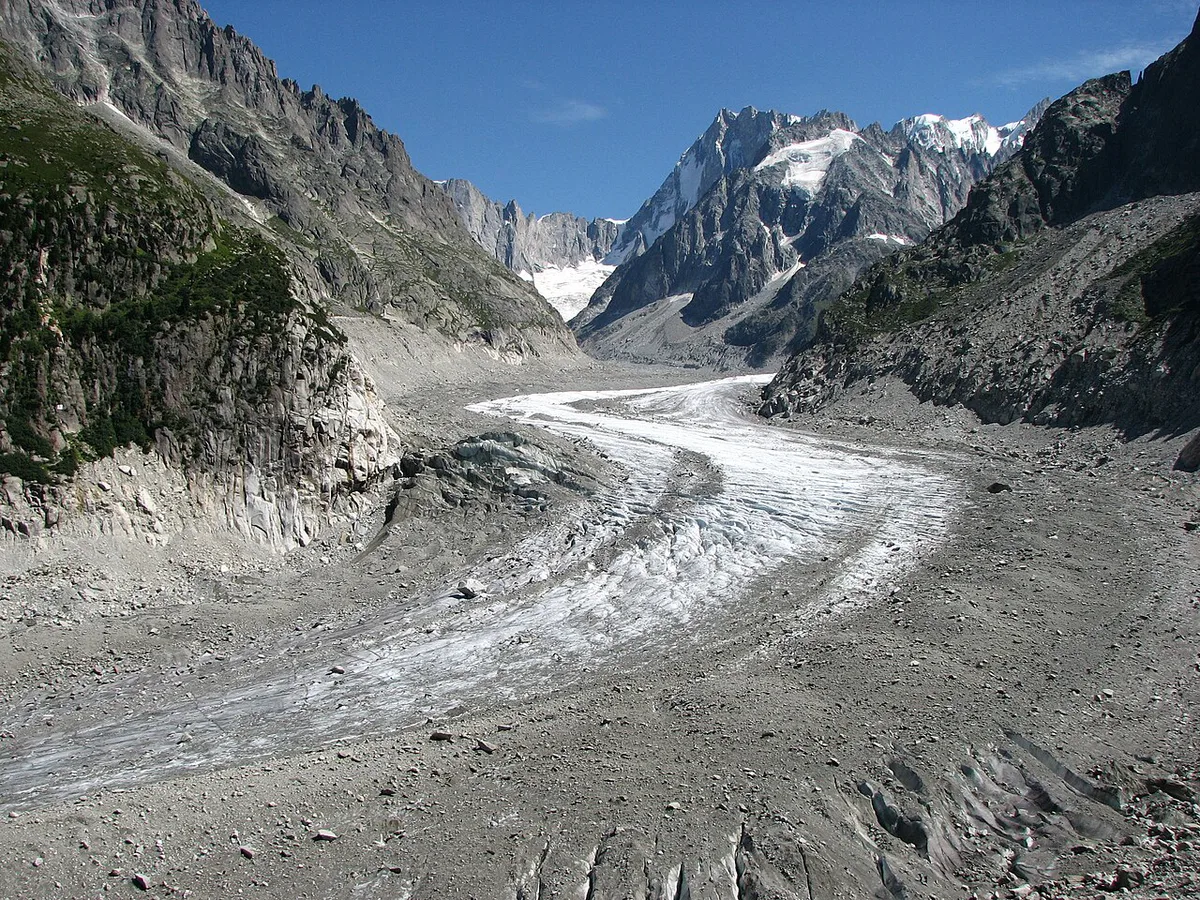
Inside, you walk through a carved tunnel in blue-white ice. Above ground, the Glaciorium explains how the glacier forms and why it is shrinking. On the walk down, plaques mark the glacier's height between 1985 and 2018. Seeing those markers stacked against the staircase makes the retreat concrete. Mer de Glace is France's largest glacier, flowing roughly 7 km down the north side of Mont Blanc. The Montenvers viewpoint gives the widest look at its crevasses.
Mer de Glace vs other European ice caves
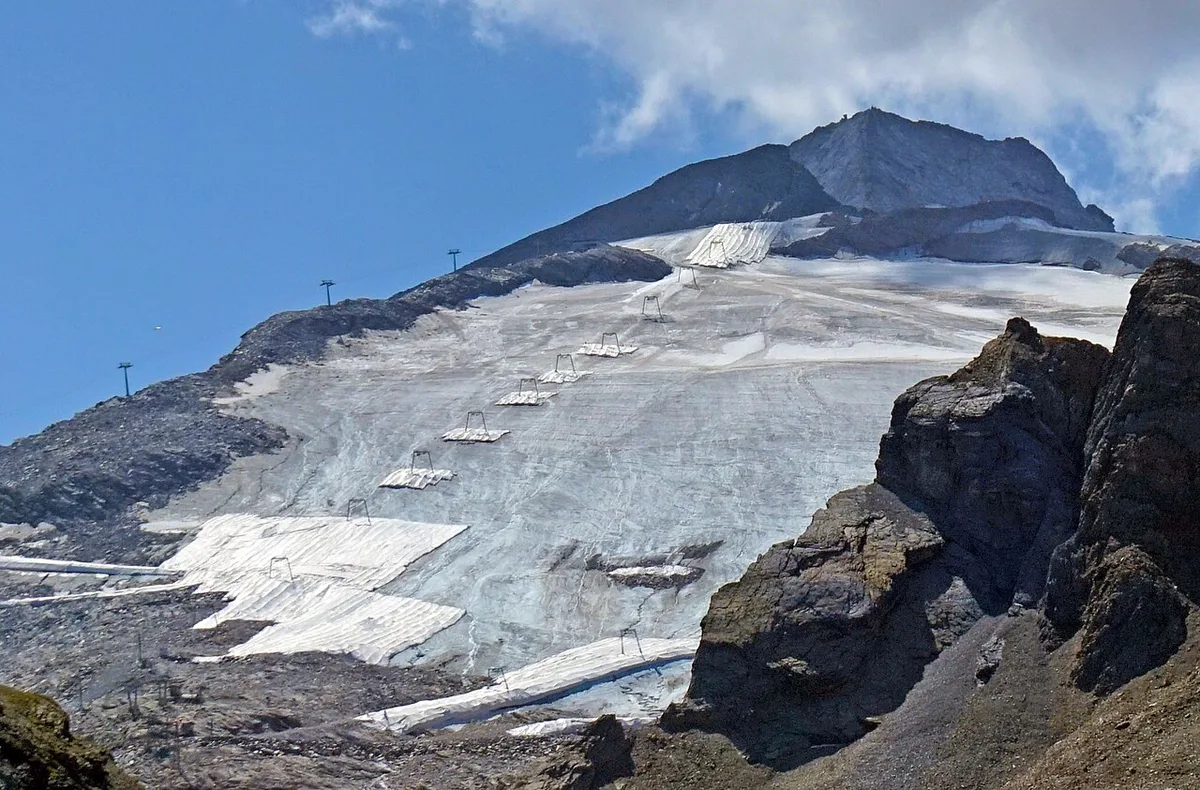
Mer de Glace is a carved cave with train access. Austria's Stubai ice grotto is the closest carved counterpart. Natural caves usually need more preparation and local guides. For other regions, see Ice Caves in Italy: Where to Go and Alternatives and our overview of ice caves across Europe.
| Type | Access effort | Best fit |
|---|---|---|
| Mer de Glace (carved, re-cut yearly) | Train, gondola and stairs | Short, easy-to-plan visit from Chamonix |
| Stubai Glacier grotto (carved) | Lift access in the Stubai Glacier area | Combine with a glacier-resort day |
| Natural glacier caves | Often guided and condition-dependent | Visitors who want a natural cavity |
Combine it with the rest of your Chamonix day
Pair the cave with a viewpoint rather than a second big excursion. The Aiguille du Midi cable car and Lac Blanc are the common next stops, and the Plan de l'Aiguille trail connects the area on foot. Keep the stair climb in mind before you stack a hike on top. Avoid these mistakes:
- Arriving close to the last descent time.
- Not checking that the cave is open this season.
- Wearing smooth-soled shoes on wet steps.
- Ignoring the current stair situation before you commit.
- Expecting a natural glacier cave.
For trip-planning details, see Chamonix tourism office.
Notes for your next trip underground
Optional updates when we add or revise cave and underground guides.
More guides
More guides you'll find useful






