
Ice Caves in Italy: Where to Go and Alternatives
Looking for ice caves in Italy? See Etna's Grotta del Gelo, the Cervinia glacier question, and nearby Alpine ice caves in France and Austria.
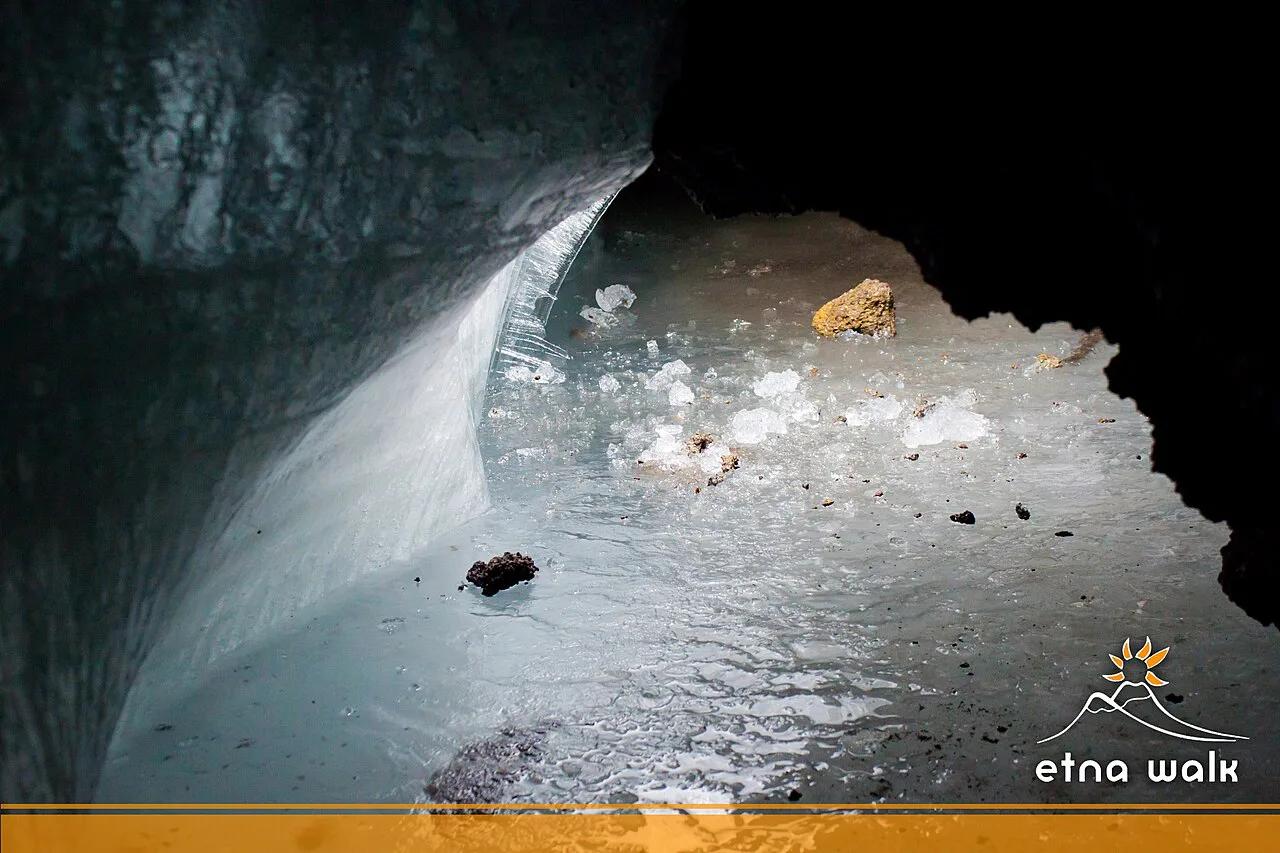
Last updated November 2026: ice caves in Italy are rarer than most searches suggest. Italy's best-known ice cave is the Grotta del Gelo on Mount Etna in Sicily, a lava cave that holds a small glacier. Alpine glacier grottos are mostly across the border, so this guide also routes you to the nearest well-documented ones.
Featured image: Marcoetna, CC BY 3.0, via Wikimedia Commons.
Are there ice caves in Italy?
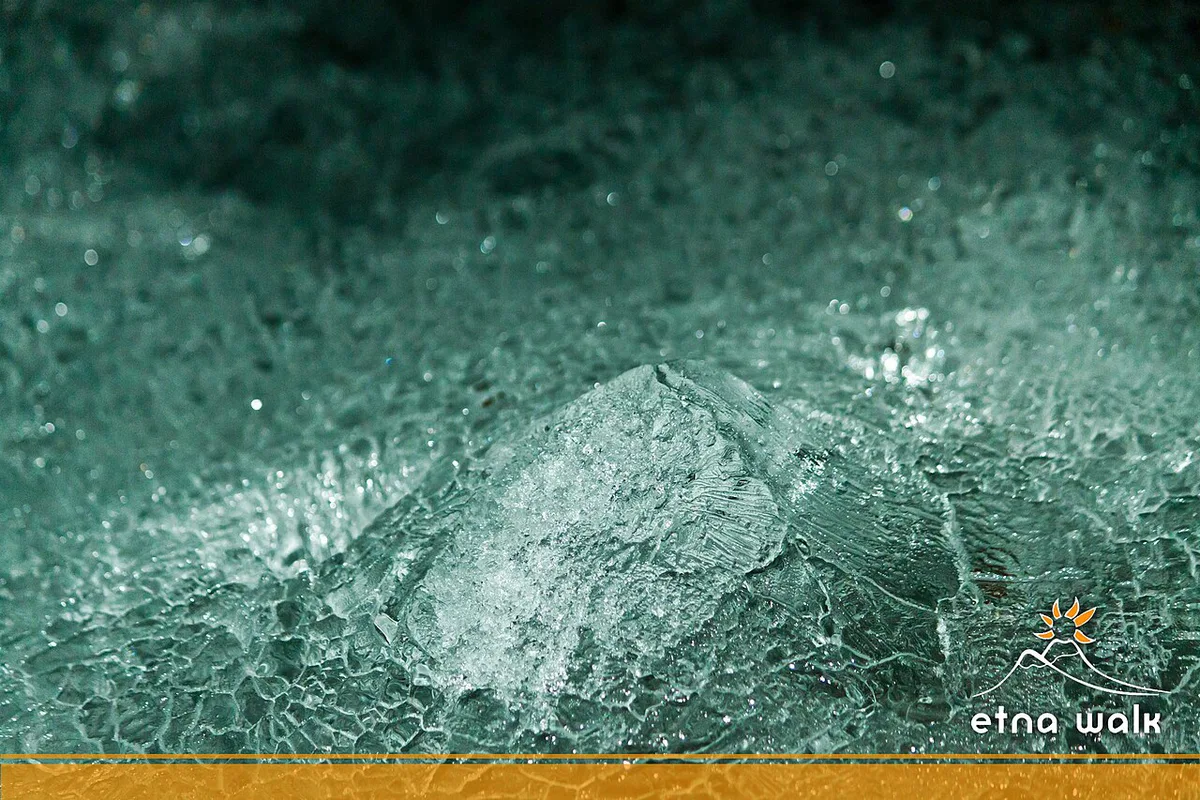
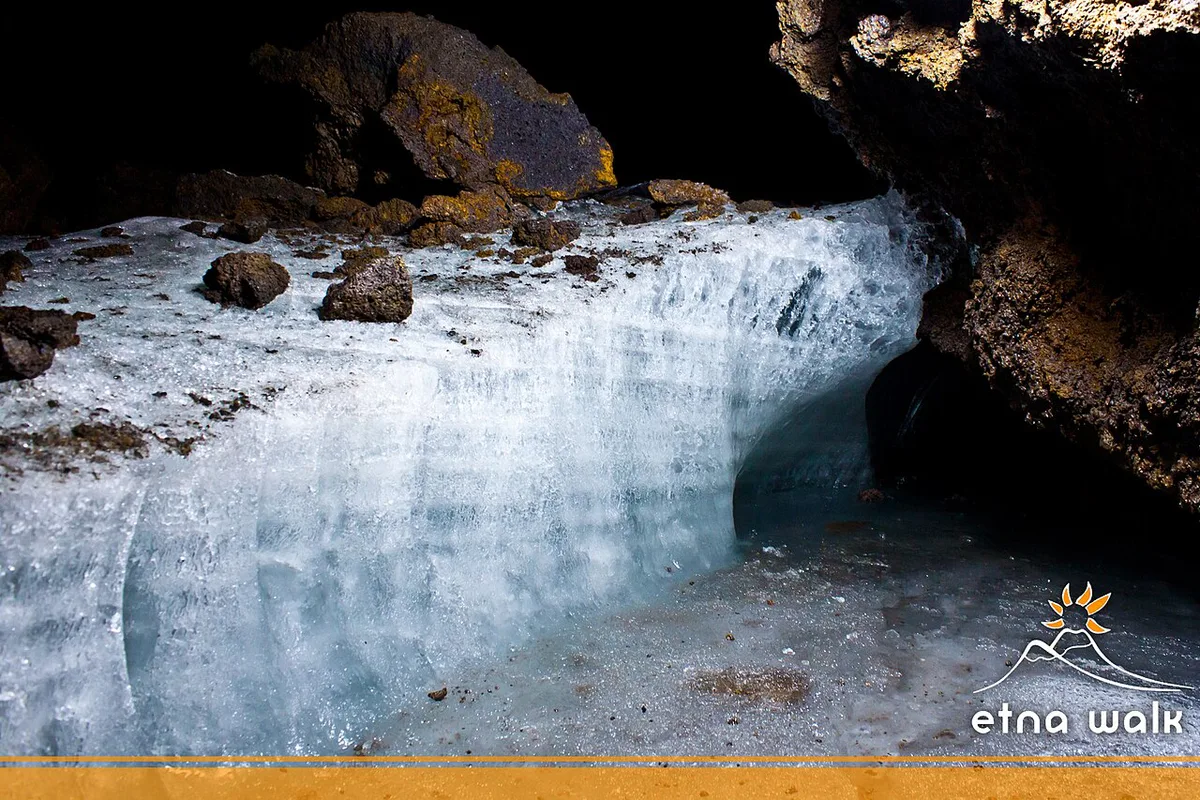
Yes, but not the blue glacier tunnels from Iceland photos. Italy's best-known example is the Grotta del Gelo on Mount Etna, among the caves of Sicily. It is a lava cave rather than a glacier grotto, and it holds a small glacier inside the rock. Set your expectations accordingly: this is a volcanic landscape experience, not a walk through carved blue ice. Etna is managed as a park, so check Parco dell'Etna's official site for current access and guide rules before you plan around the cave.
- Best-known Italian ice cave: Grotta del Gelo, Mount Etna, Sicily.
- Type: lava cave containing a small glacier.
- Alpine glacier grottos: look to France and Austria for the best-documented options.
Cervinia and the Alpine question
Cervinia, in the Aosta Valley, has a tourist office page titled "Ice Caves in the glacier". That page carries no usable detail on access, season or cost. Treat any Cervinia ice cave as unconfirmed until the Cervinia Tourist Office or the lift operator tells you it is open. Ask whether it is natural or excavated, how you reach it, and what clothing it requires. Do not build a trip around it on the strength of a search result alone.
Visiting the Grotta del Gelo on Etna
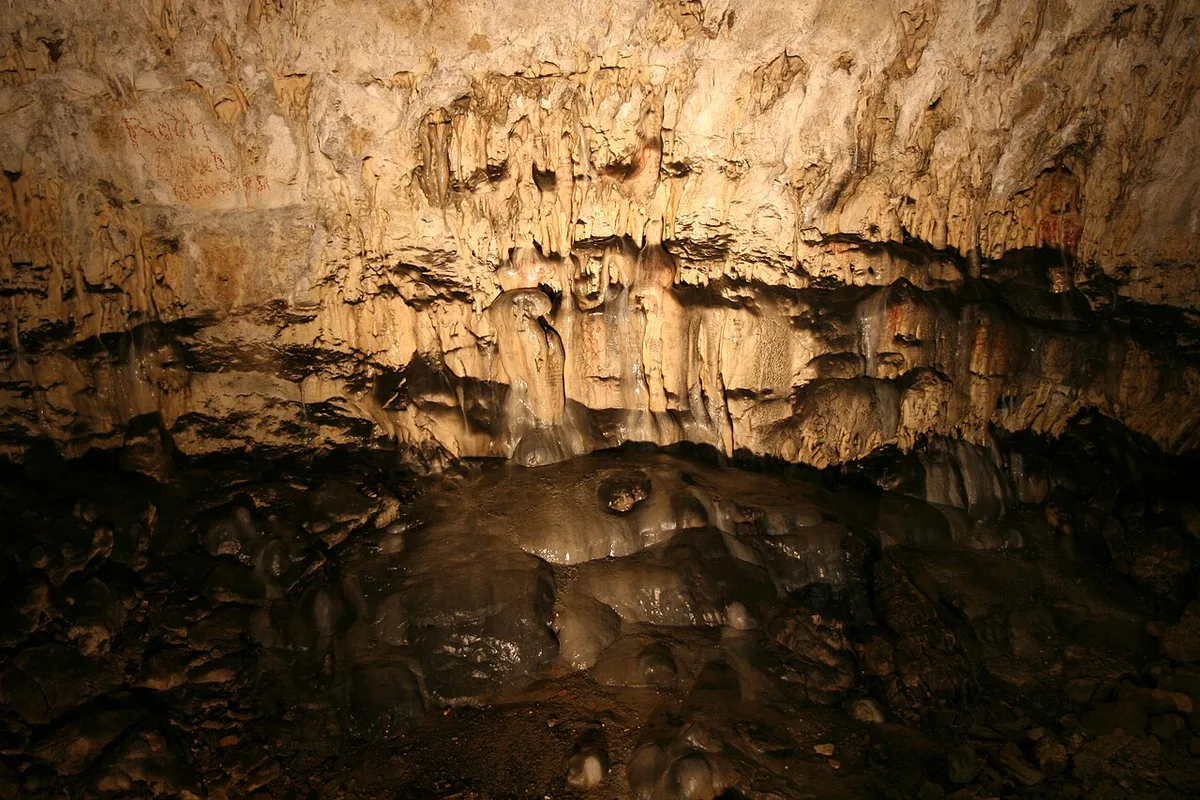
Etna is an active volcano, so conditions change and access rules are set locally. Start with the park authority, then add Sicily-wide planning through Visit Sicily. Expect a guided, mountain-style outing rather than a ticketed attraction. Pack warm layers, sturdy shoes and a windproof shell, because lava caves stay cold even when the coast is warm. Natural caves can be unstable, so go only with an authorized guide.
How glacier ice caves work and why they are seasonal
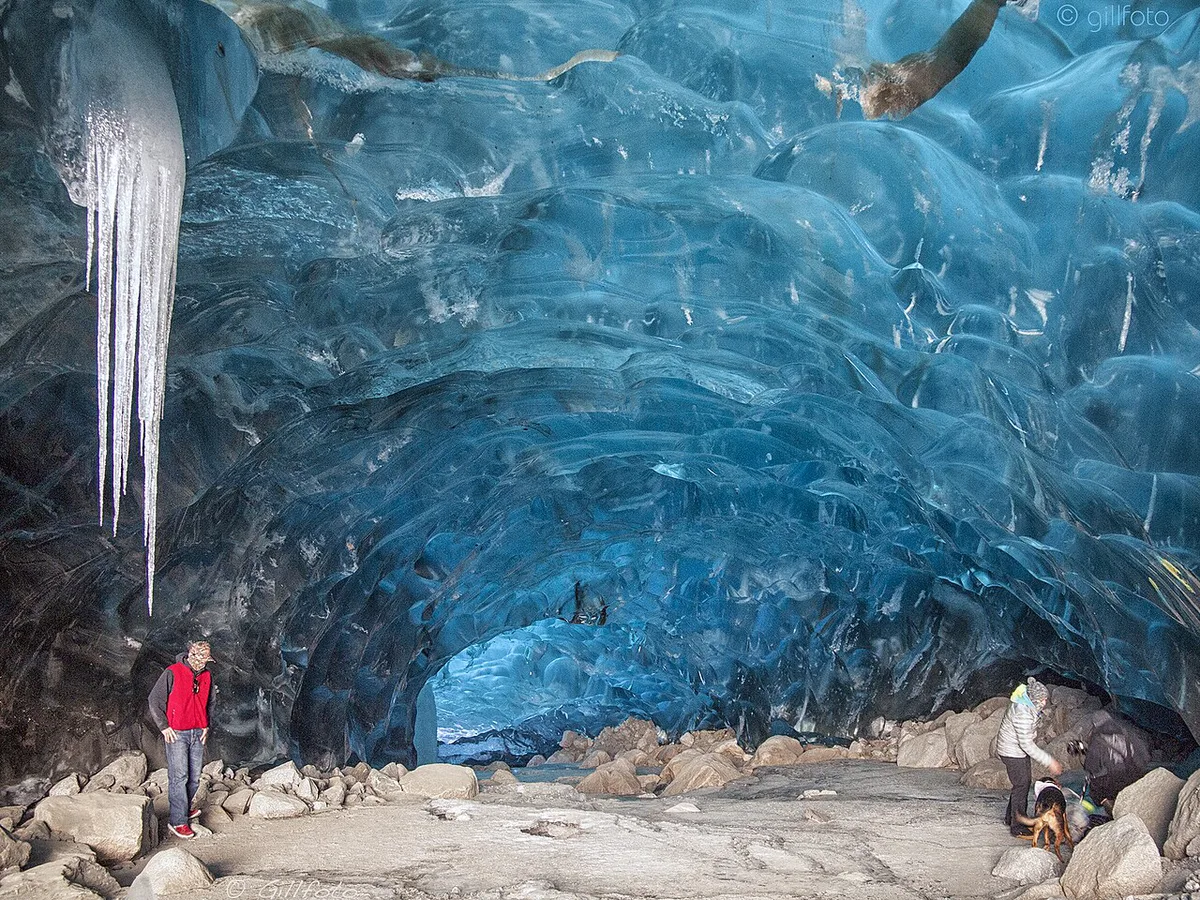
Natural glacier caves form from meltwater and shift every season, which is why they can close without notice. Our guide to how glacier caves form explains the cycle. Carved grottos are different. Operators cut them into the ice and maintain them, so access depends on lift schedules and glacier conditions rather than on a cave surviving the melt.
Nearby ice caves outside Italy
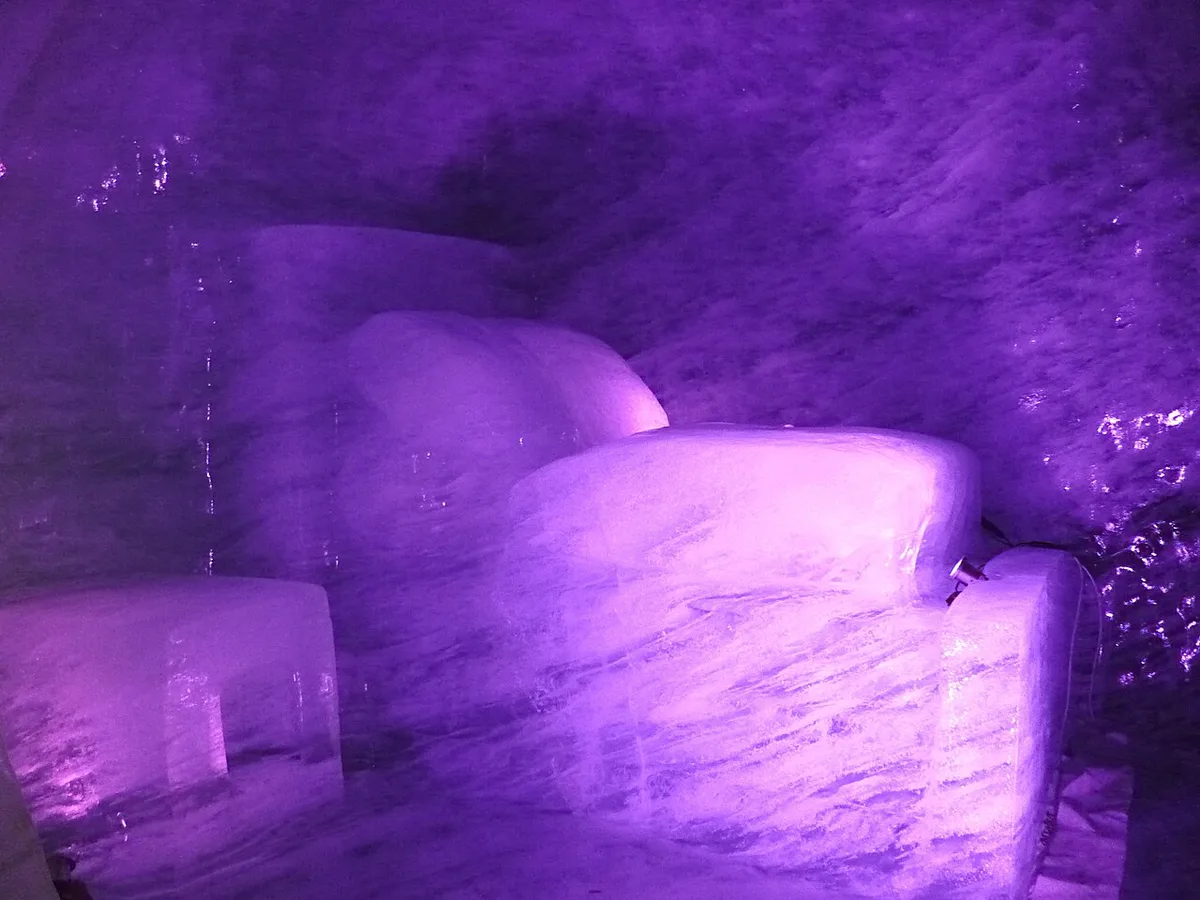
France has the most accessible alternative. Mer de Glace above Chamonix has a hand-carved ice cave reached by the Montenvers railway. Read the Mer de Glace ice cave guide for what the visit involves. Book through the operator, Compagnie du Mont-Blanc, and see current Mer de Glace ticket options before you go. Austria's Stubai Glacier has an ice grotto reached from the Tyrol side. Our Stubai ice grotto guide covers the route, and the Stubai Glacier site lists current operations. For wider choices, see more ice caves across Europe, or start with Ice Caves in France: Mer de Glace Cave, Access and Tips.

Italy vs nearby ice caves: comparison
Check season and access with each operator, because glacier conditions decide what opens each year.
| Cave | Country | Access | Natural or carved | Best for |
|---|---|---|---|---|
| Grotta del Gelo | Italy (Sicily) | Etna guided outing | Natural lava cave | Volcano landscapes |
| Cervinia glacier cave | Italy (Aosta Valley) | Unconfirmed; ask the tourist office | Check with operator | Ski-trip add-on, if open |
| Mer de Glace | France | Montenvers railway | Carved | First-time visitors |
| Stubai Glacier grotto | Austria | Glacier lift | Carved grotto | Alpine day trip |
| Rhone Glacier | Switzerland (Furka Pass) | Road to the glacier | Carved ice cave | Pass drive |
Which one should you choose?
Let your starting point and tolerance for logistics decide. Each criterion below points to a different cave.
- Already in Sicily: the Grotta del Gelo is the only realistic Italian ice cave.
- In the Aosta Valley: ask about Cervinia first, then consider a cross-border day to Chamonix.
- Wanting reliable blue ice: choose a carved grotto at Mer de Glace or Stubai.
- Limited mobility or altitude tolerance: choose a railway or lift-served site over a trek.
- Wanting a natural cave: use an authorized guide only.
Safety and mistakes to avoid
Natural ice caves can collapse, so never enter one without an authorized guide. Use helmets and traction gear only when the provider requires them. Opening is never guaranteed at any site, so confirm before you travel. Altitude is cold even in summer, and a thin jacket will not do. For route and season planning in Austria, use Tirol tourism.
- Assuming a natural cave is always open.
- Skipping layers at altitude.
- Not checking operator status before you leave.
Notes for your next trip underground
Optional updates when we add or revise cave and underground guides.
More guides
More guides you'll find useful






