
Silver Mine Tours in Europe: Where to Go Underground
Compare European silver mines you can tour underground: access, tour type, seasonality and booking tips, plus how to avoid closed sites.
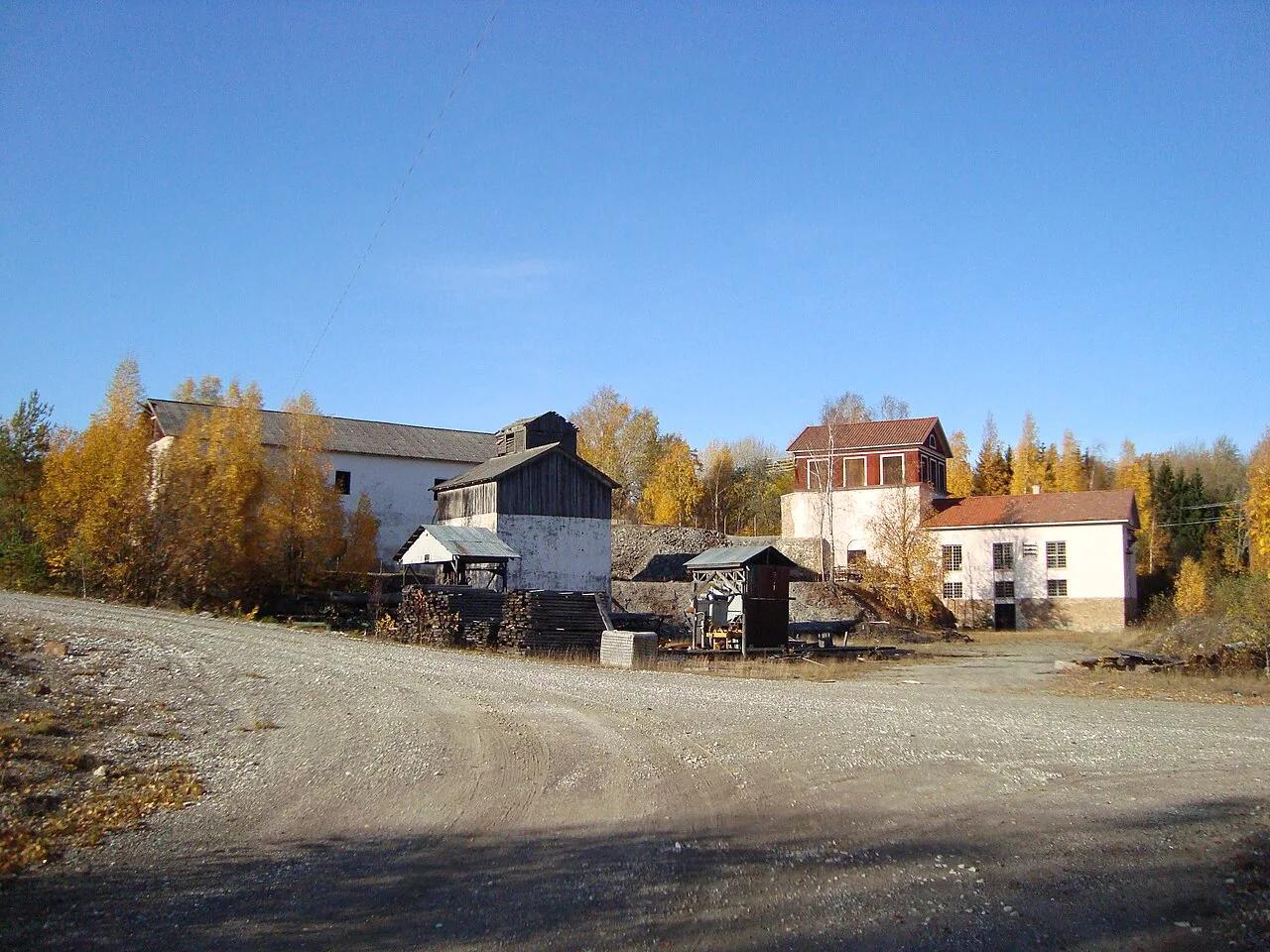
Last updated November 2026. A silver mine tour in Europe is possible, but the choice is small, so it pays to pick the site first and the dates second. Sala in Sweden and Kongsberg in Norway are the two main names to start with, and Kutná Hora in Czechia adds a museum option. Our guide shows how they differ and how to avoid turning up at a site that is closed or only a museum. For wider options, see these underground mine experiences across Europe.
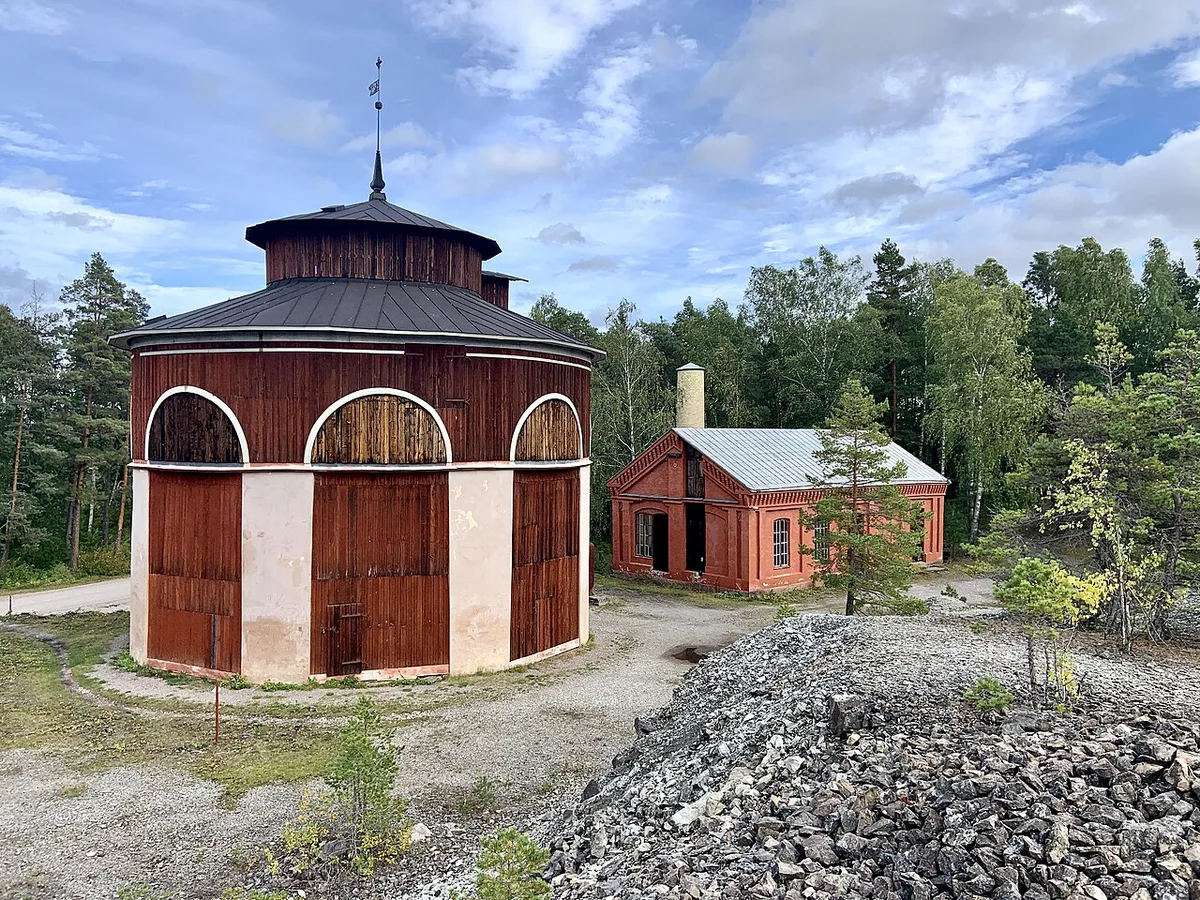
Featured image: Calle Eklund/V-wolf, CC BY 3.0, via Wikimedia Commons.
Which European Silver Mines Can You Actually Tour?
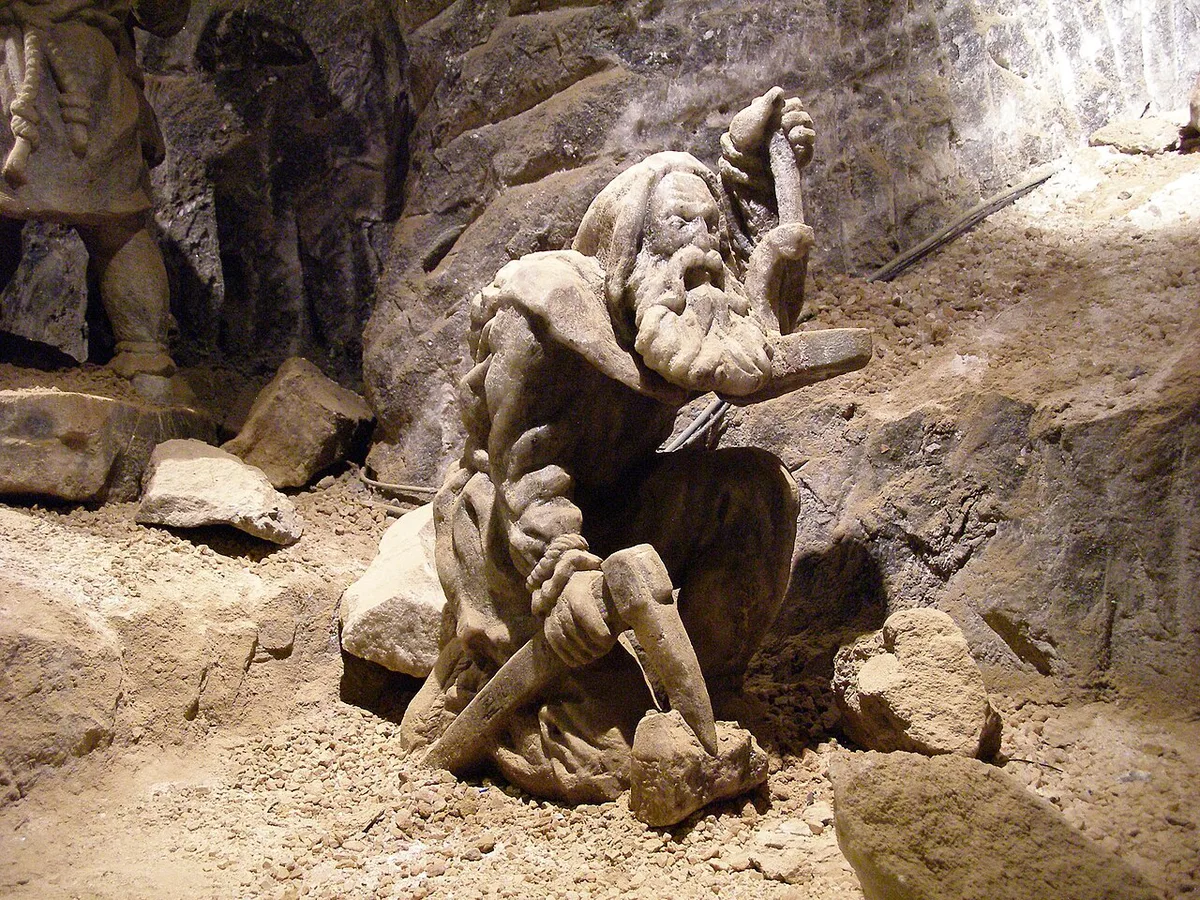
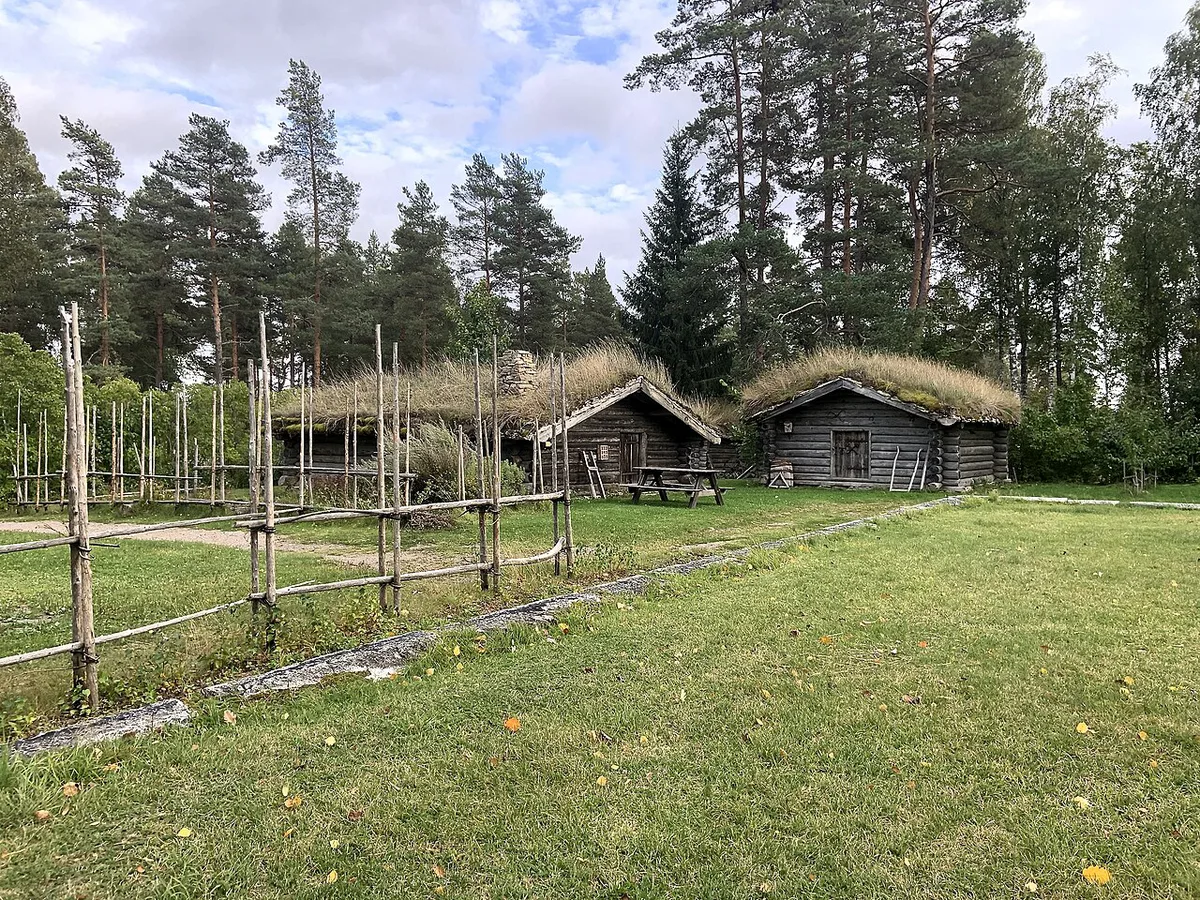
Public silver mine tours are limited in Europe. Many old silver districts survive only as spoil heaps, museums or surface trails. Three places are worth building a trip around. Sweden's Sala Silvermine offers guided visits into a historic mine. In Norway, Kongsberg Silver Mines (Sølvverkene) is run with the Norwegian Mining Museum. Kutná Hora in Czechia is home to the Czech Museum of Silver, which is a museum visit rather than a classic mine descent. We cover Czechia only briefly here. Before you travel, read the official visitor page and confirm that the underground tour is running on your date.
Silver Mine Tour Options Compared
Use this table to sort the three sites by what you actually get. Tour length, ticket tiers and language options differ by season, so each is left to the official page.
| Site | Country | Tour type | Access and difficulty | Season and booking |
|---|---|---|---|---|
| Sala Silvermine | Sweden | Guided underground mine visit | Underground stairs and uneven ground; see the site for limits | Check official site for seasonal schedule and booking |
| Kongsberg Silver Mines (Sølvverkene) | Norway | Mixed: mine visit plus mining museum | Check official site for access details | Check official site for seasonal schedule and booking |
| Czech Museum of Silver, Kutná Hora | Czechia | Museum-led visit | Ask the museum for access details | Check museum site for hours and booking |
How to Choose
Match the site to the person in your group. First-timers do best with a guided underground tour at Sala or Kongsberg, because a guide explains the ore, the tools and the dangers. Families should ask each venue about minimum ages and tour pace. Anyone with limited mobility or claustrophobia should ask about stairs and tunnel size before booking. Rainy-day travelers get the most from museum-led visits, since they are less weather-dependent. If you want an easier descent, try salt mines with lifts and wide galleries. You can also compare formats through our guide to salt mine tour options. Skip silver altogether if you need a fully step-free route and the venue cannot guarantee one.
What to Expect Underground
Mines are cold and damp compared with the surface, and the temperature stays steady all year. Wear closed shoes with grip, because floors can be wet and uneven. Bring a warm layer even in summer. Tunnels can be narrow or low, and many tours involve stairs. Photography rules vary, so follow the guide's instructions at each site. Conditions differ between mines, so read each venue's access page rather than assuming one mine matches another.
Costs, Tickets and Opening Hours
Prices and hours were not checked for this page, and they change by season. Compare four things on each official site: ticket tiers, tour length, combination tickets and the seasonal schedule. A museum-only ticket is usually the cheaper entry point, while a guided underground tour costs more because group sizes are limited. Price both options before you choose. Many small mines run reduced hours or close outside the main season, so build your dates around the official calendar. Pay in the local currency listed by the venue: Swedish kronor in Sweden, Norwegian kroner in Norway and Czech koruna in Czechia.
Getting There and Planning the Day
Check each venue's transport page before you commit to a route. Sala and Kongsberg are both small towns, so a car or a pre-checked train or bus link makes the day easier. Pair the visit with the town's other heritage sights rather than adding a second long drive. Silver was often mined alongside lead, zinc, copper or gold, so search both "silver" and the district name. For precious-metal neighbors, see Gold Mine Tours in Europe: Where You Can Actually Go. If you are in the UK, Cornwall's tin mining heritage is a close alternative. Tin is the focus at Geevor, and Poldark Mine, Helston: Visitor Guide and Tips is another underground option. In Wales, slate mine tours offer a different kind of descent.
Mistakes to Avoid
Most disappointments come from the same few errors.
- Assuming a historic mine is open: many famous silver districts have lost their underground tours, so make sure the tour is running.
- Ignoring winter closures: seasonal schedules are common at small mines.
- Skipping advance booking: guided tours often have limited group sizes.
- Wearing the wrong shoes: smooth soles and open toes are a poor fit for wet, uneven floors.
- Confusing a museum with an underground tour: read the venue description before you pay.
Frequently Asked Questions
Does the US have any silver mines?
Yes. Idaho's Sierra Silver Mine Tour in Wallace runs on a seasonal basis. Park City, Utah is a cautionary example: its show mine closed in 1999 and the site is now a museum.
What does silver ore look like?
Silver can occur as native silver, but most ore is a mix of minerals. Argentiferous galena, a lead ore carrying silver, is a common type. A guide at a working heritage mine can point out samples.
Notes for your next trip underground
Optional updates when we add or revise cave and underground guides.
More guides
More guides you'll find useful






