
Mine Tours in Europe: Types, Costs and How to Choose
Compare salt, metal and slate mine tours across Europe, with access, cost and booking tips to help you pick the right underground visit.
Last updated November 2026: mine tours in Europe range from a 1-hour museum tunnel to an 8-hour guided day trip. Your mobility, comfort in tight spaces, time and budget decide which one suits you. This guide compares each mine type and points you to the detailed pages for every region.
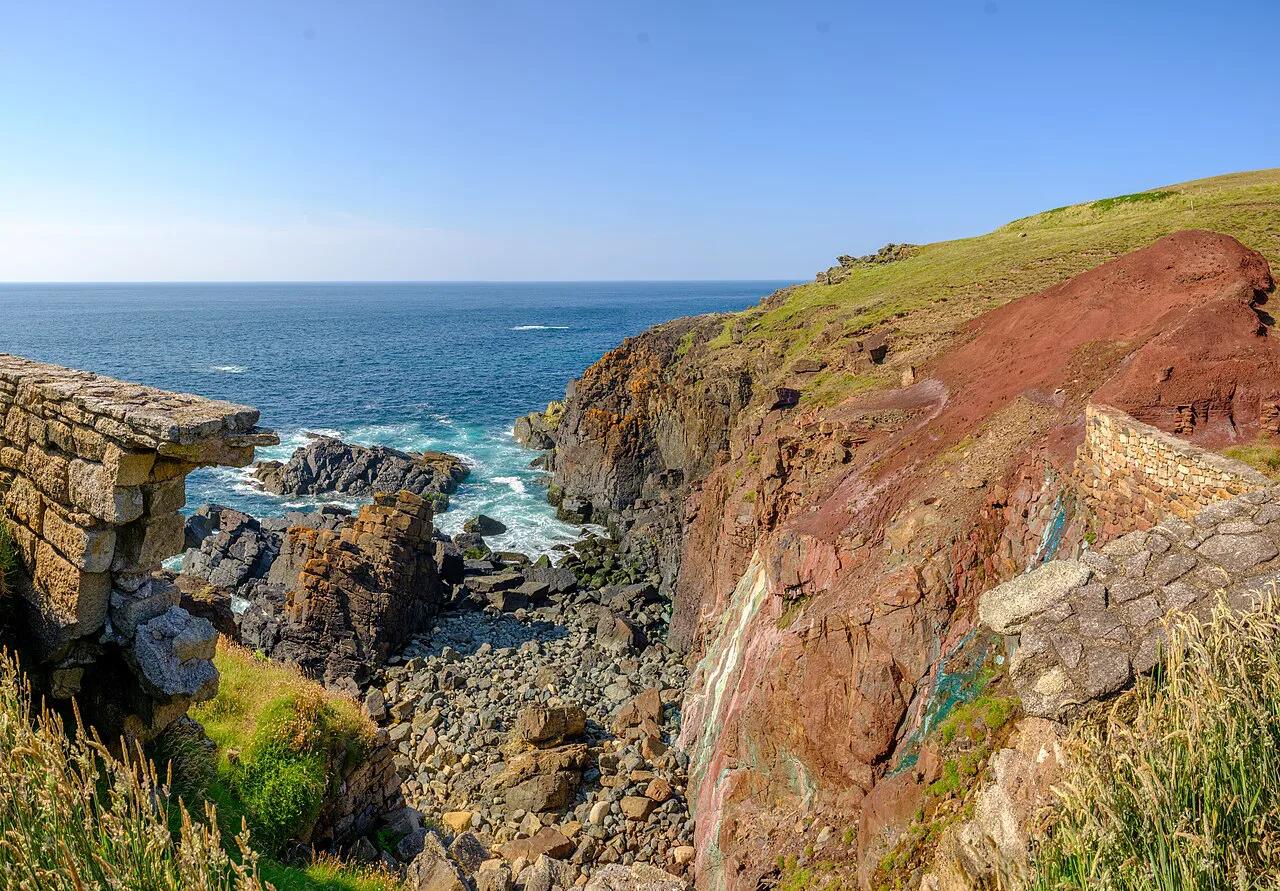
Featured image: ArildV, CC BY-SA 4.0, via Wikimedia Commons.
Quick answer: which kind of mine tour fits you
Start with who is going and what they can handle underground. Salt mines are usually the easiest first visit. Metal and slate sites ask for more walking, steps or a tolerance for tight tunnels. Use the list below to narrow your choice.
- First-timers: a salt mine with a guided route, such as the options in our guided salt visit roundup.
- Families: salt mines or museum-style tunnels with a short, structured route.
- History fans: silver and tin sites where the mining landscape is part of the story.
- Photographers: chapels carved in salt and coastal Cornish workings.
- Limited mobility: confirm lift or step-free access with the venue first, since some tunnels are not wheelchair accessible.
- Claustrophobia: choose cavern-style sites over narrow reconstructed tunnels.
Mine tours in Europe compared by type
Experiences differ more by mineral type than by country. This table keeps to qualitative comparisons, because tour length and access vary by venue and season.
| Mine type | Typical experience | Physical demands | Tour length | Best for | Where to read more |
|---|---|---|---|---|---|
| Salt | Guided walk, often with stairs or a lift, sometimes a slide | Low to moderate | Short to half day | Families, first-timers | Europe's salt mines |
| Silver | Tunnels and shafts with heritage context | Moderate, narrower passages | Varies by site | History fans | Silver mining sites |
| Gold | Heritage workings and museum displays | Moderate | Varies by site | Curious travelers | Gold mining sites |
| Tin | Coastal workings and guided underground sections | Moderate, uneven ground | Varies by site | Landscape and history lovers | Cornish tin workings |
| Slate | Cavern visit and a vehicle ride rather than a tunnel walk | Low to moderate | Varies by site | Mixed-ability groups | Welsh slate caverns |
| Coal | Guided descent at a museum site | Moderate, cool and damp | Varies by site | Industrial heritage fans | Big Pit in Wales |
Salt mines: the easiest underground visit
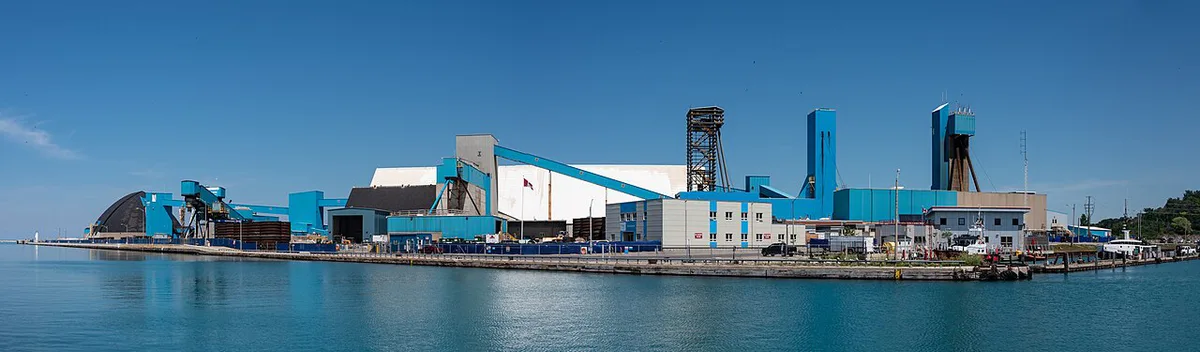
Salt mines suit families and short visits because routes are structured and guided. Hall in Tirol's mining museum is a good example of the short format. Its guided tour runs about 1 hour through a recreated salt-mine tunnel, and the museum is not wheelchair accessible. The Hall valley mine closed in 1967, and the story spans roughly 700 years of salt history. Check the museum's current schedule before you go. Salt also gives you extra experiences underground. Some mines hold chapels carved in salt. Others offer salt-air therapy chambers. The Berchtesgaden salt mine and Spain's Cardona Salt Mountain are two well-known routes. Our full salt mine roundup compares the rest.
Metal mines: silver, gold and tin
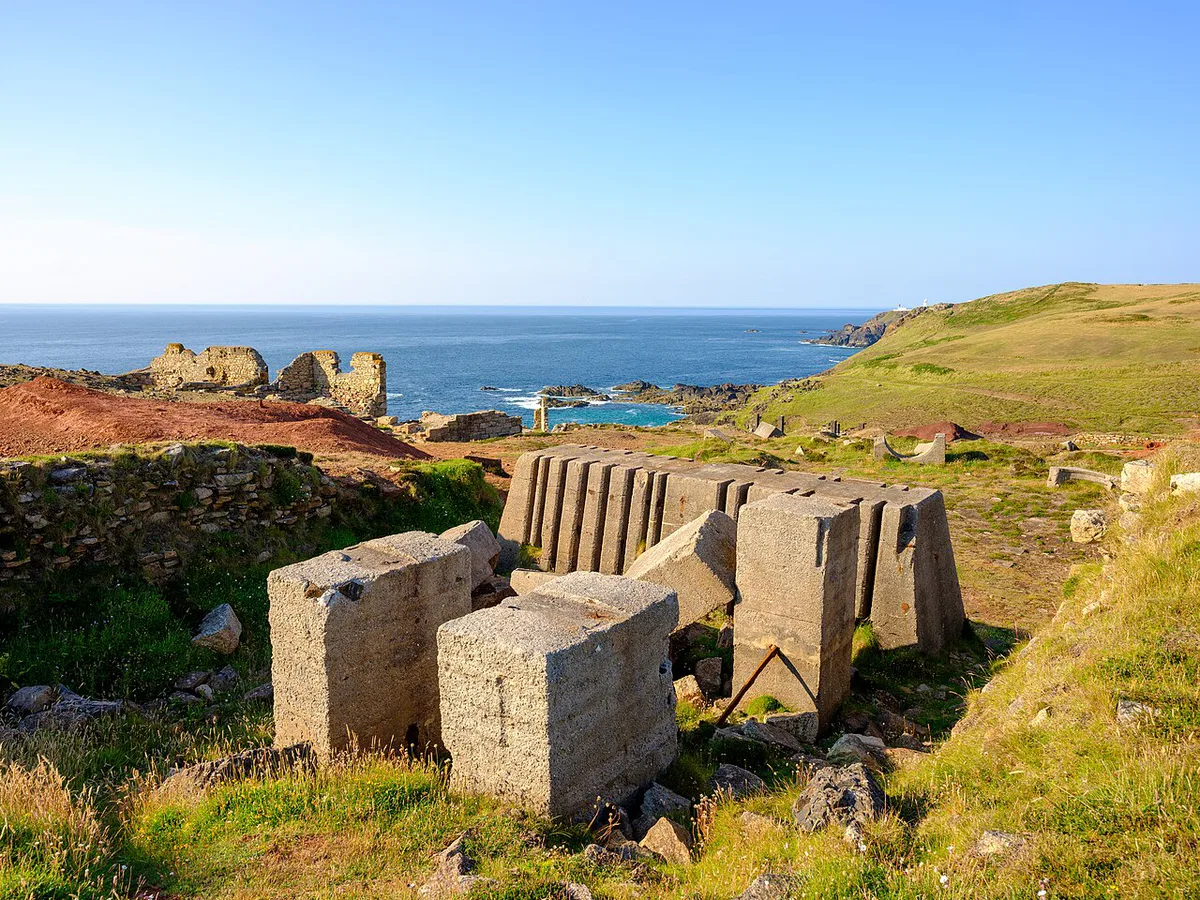
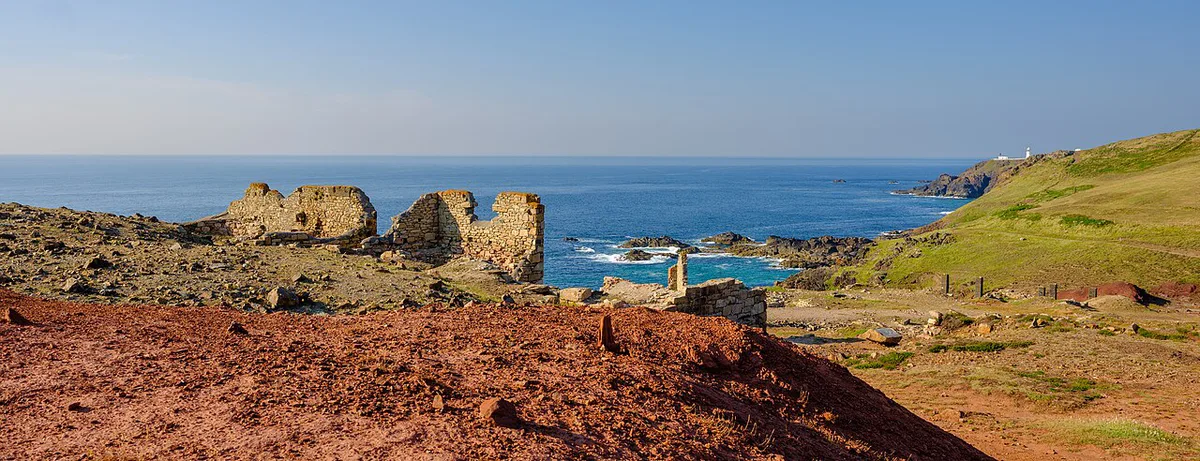
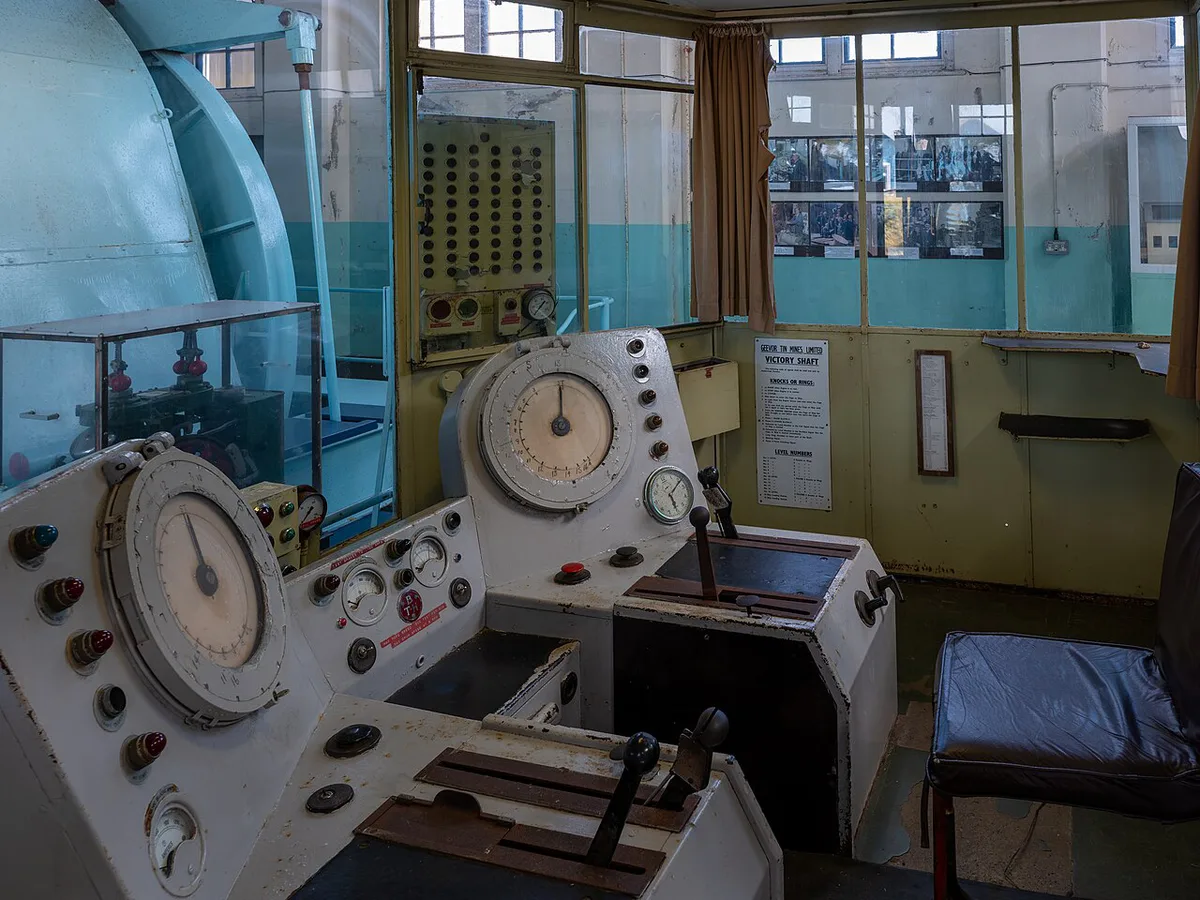
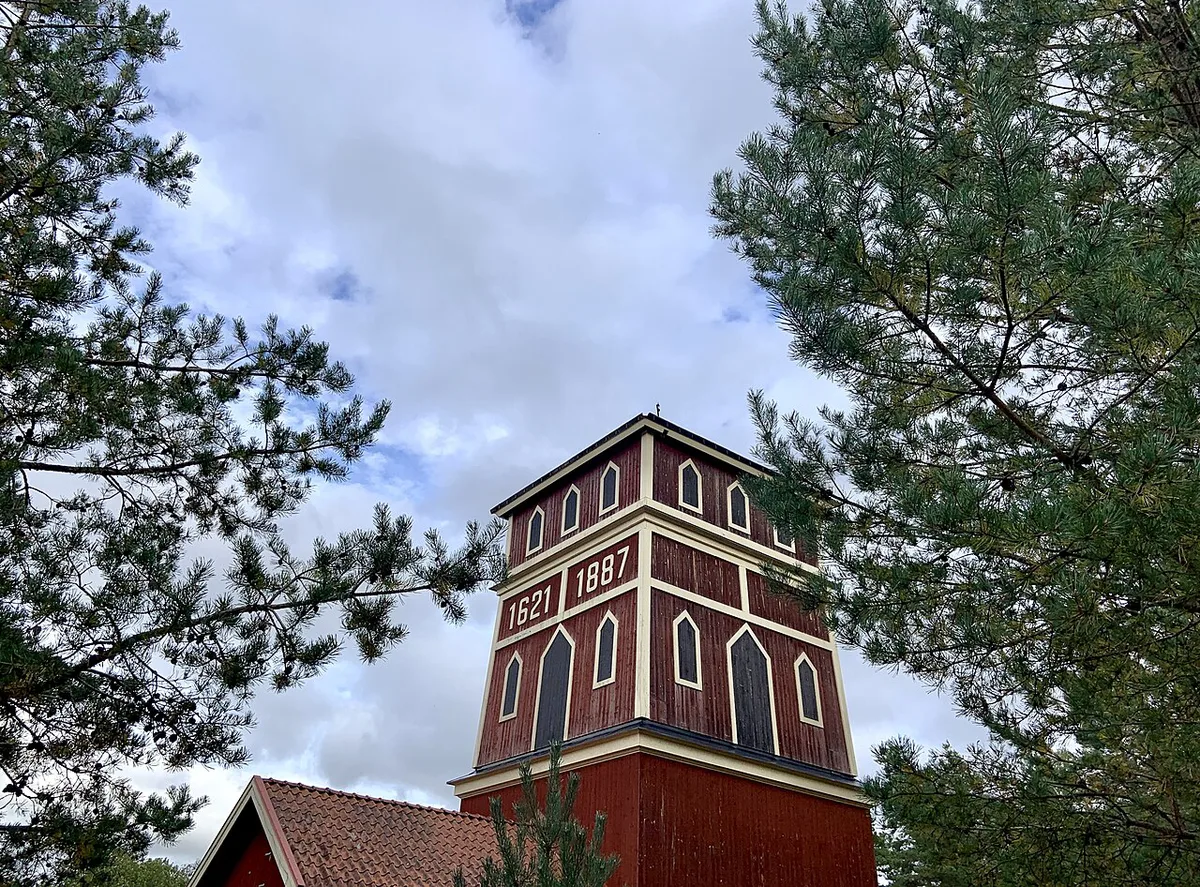
Metal mines tend to have narrower tunnels and more heritage context. Sweden's Sala silver mine and Norway's Kongsberg silver mines are the headline silver sites. Our silver mining guide covers more. For precious metal beyond silver, see the gold mining sites page. Cornwall adds a coastal mining landscape, where engine houses sit near the sea. Geevor Tin Mine lets you walk its site and go underground with a guide. Read the Cornwall tin overview to plan a route. Our Geevor's tunnels page and a guide to another Cornish heritage mine add detail. Expect uneven ground and low sections.
Slate and coal: cavern rides and pit descents
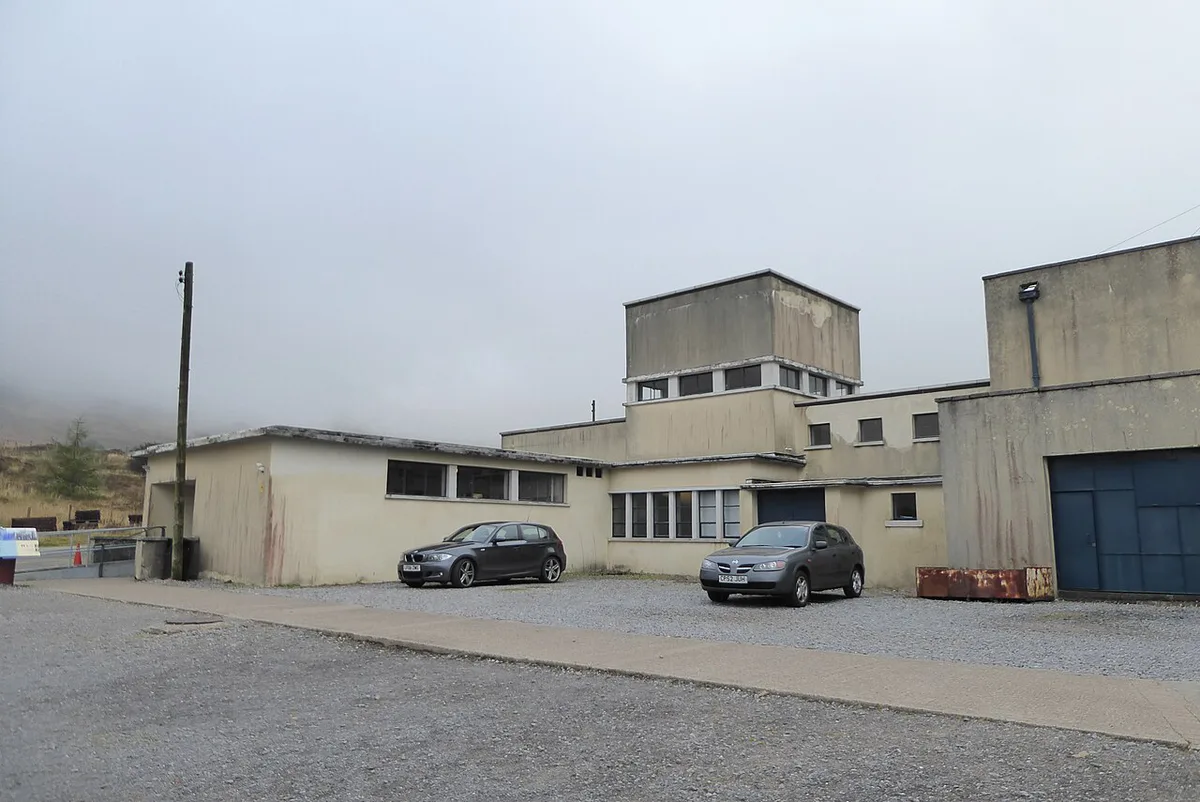
Slate sites feel different from salt or metal tours. In Wales you can expect a vast cavern and a vehicle ride rather than a long tunnel walk. That makes slate a useful middle option if narrow tunnels worry you. Read our Welsh slate cavern guide for the options. Coal is the other Welsh draw. Big Pit National Coal Museum is run by Amgueddfa Cymru, and its tours go underground with a guide. Plan for cool, damp air and sturdy shoes.
Open-air mining museums and UNESCO mining towns
Banská Štiavnica in Slovakia is the clearest example of a mining town you can build a day around. It is listed by UNESCO and sits about 2.5 hours from Bratislava. An 8-hour guided day trip bundles the Open-Air Mining Museum, free time in town and a snack and beer tasting at Pivovar ERB. It departs at 09:00 and groups are capped at up to 10 people. Independent travelers can go by train, bus or car instead. Check each operator's timetable first, since transport options change. Choose the guided route if you want a single booking and a guide. Choose the independent route if you want to spend longer at the museum.
Guided Banská Štiavnica trips start at 09:00 with groups capped at up to 10, while independent visitors choose train, bus or car and their own schedule.
How to choose: decision criteria
Work through these points before you pick a tour. Each one can rule a site in or out.
- Access: some venues, including the Hall in Tirol museum, are not wheelchair accessible.
- Tight spaces: reconstructed tunnels can be narrow, and steps are common.
- Age limits: minimum ages differ by site, so check the venue.
- Temperature: mines stay cool, so bring a layer even in summer.
- Footwear: wear sturdy shoes for uneven or wet surfaces.
- ID: Hall in Tirol asks visitors to bring ID for ticket checks.
- Language: many tours are guided-only, so confirm the tour language.
- Private or group: groups can be capped, and some trips need 2 or more people.
Cost, booking and timing trade-offs
Official venue tickets and reseller day trips are different products. A day trip adds transfer, a guide and extras. A venue ticket covers only entry. Prices checked November 2026: one Bratislava day trip to Banská Štiavnica lists €180 for adults aged 15-65 and €75 for children aged 4-14. It includes a guide, a vehicle and a food and beer tasting, but not other food and drink. That listing needs at least 2 people. It allows bookings up to 6 hours ahead. Cancellation windows differ by seller. That listing offers free cancellation up to 24 hours before, but read the terms for your ticket type. Book ahead in peak season and on holidays, because guided-only tours can fill.
Last-minute bookings work only until 6 hours ahead on that Bratislava listing, and the travel alone takes 2.5 hours each way.
Planning logistics: where to base yourself
Plan by region rather than by one city. In the Alps, a short museum tour fits inside a town stay. In central Europe, a base such as Bratislava makes a long transfer part of the day, so weigh 2.5 hours of travel against the tour itself. In Cornwall and Wales, some sites have limited public transport, so check access before you commit. If you want to sleep underground, see our guide to sleeping underground. For Cornwall planning, Visit Cornwall is a useful starting point. For Wales, try Visit Wales.
Mistakes to avoid
A few errors cause most disappointments.
- Assuming all mine tours are the same: salt, metal and slate feel very different.
- Booking a long transfer for a short tour, such as 2.5 hours each way for a visit of about 1 hour.
- Ignoring access limits before you travel.
- Wearing the wrong shoes.
- Assuming a free-cancellation promise covers every ticket type.
- Skipping the official site check for current hours, access and language.
Mine tour FAQ
Which mine tours suit first-time visitors? Salt mines and museum-style tunnels usually offer the clearest introduction. Hall in Tirol has a guided recreated-tunnel visit of about 1 hour, while larger salt mines can take longer.
How long should I allow? Match the whole day to the transfer, not just the underground route. A guided Bratislava-to-Banská Štiavnica trip is scheduled for 8 hours and includes roughly 2.5 hours of travel.
Are tours suitable for children or limited mobility? Check each venue’s rules before booking. The cited Banská Štiavnica trip lists child pricing for ages 4–14, while Hall in Tirol is not wheelchair accessible.
Do I need to book ahead? Reserve popular guided routes for holidays and busy periods. One day-trip listing accepts bookings until 6 hours before departure, but availability can disappear earlier.
Can I cancel if plans change? Terms vary by ticket type. The same day-trip listing offers free cancellation up to 24 hours before departure; always confirm the current policy.
Notes for your next trip underground
Optional updates when we add or revise cave and underground guides.
More guides
More guides you'll find useful






