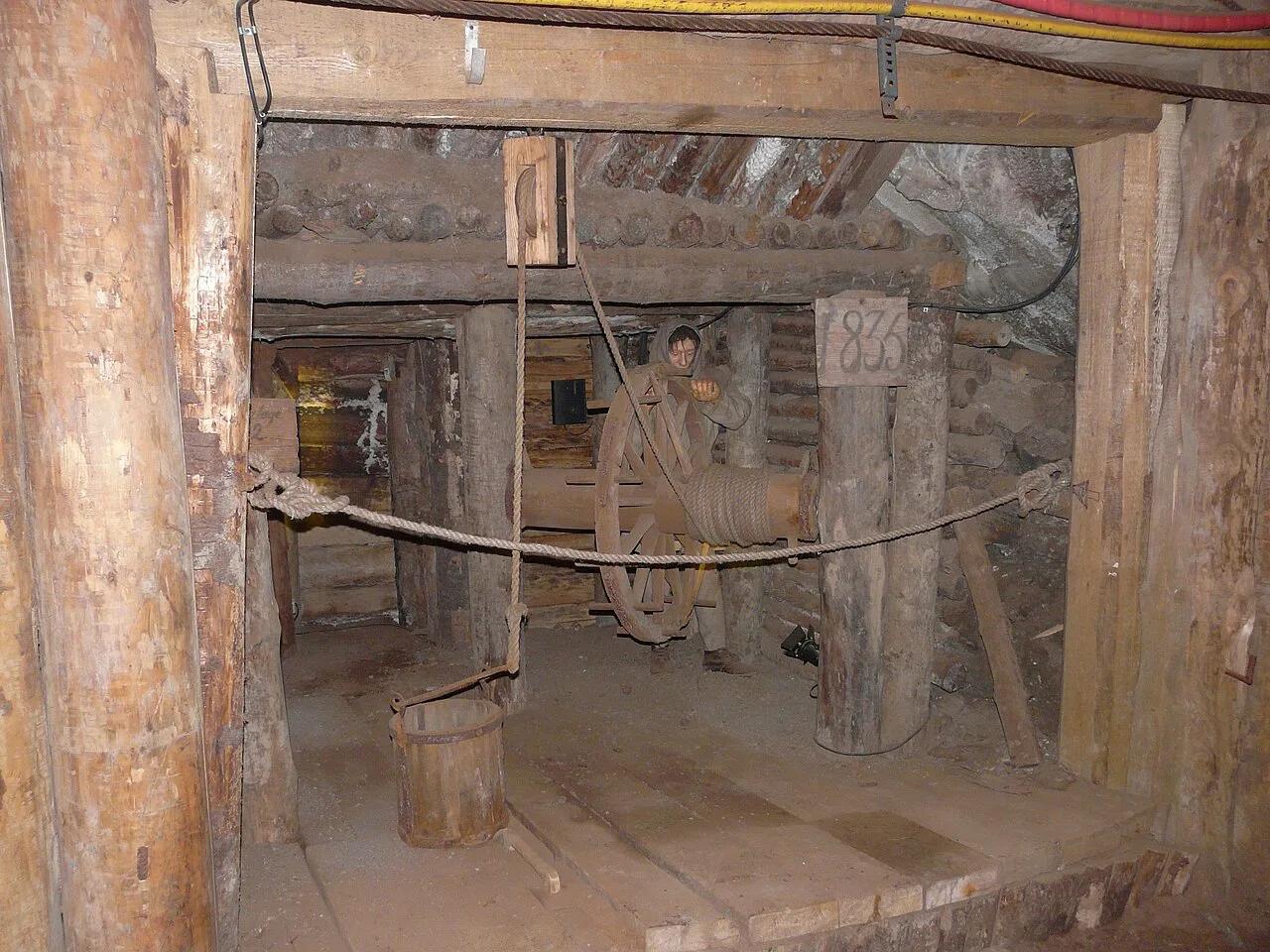
Salt Mine Tours in Europe: Best Mines to Visit & How to Choose
Compare Europe's visitable salt mines, including Bochnia, Bex, Bad Friedrichshall, Praid and Cardona, by character, access and the traveller each suits.
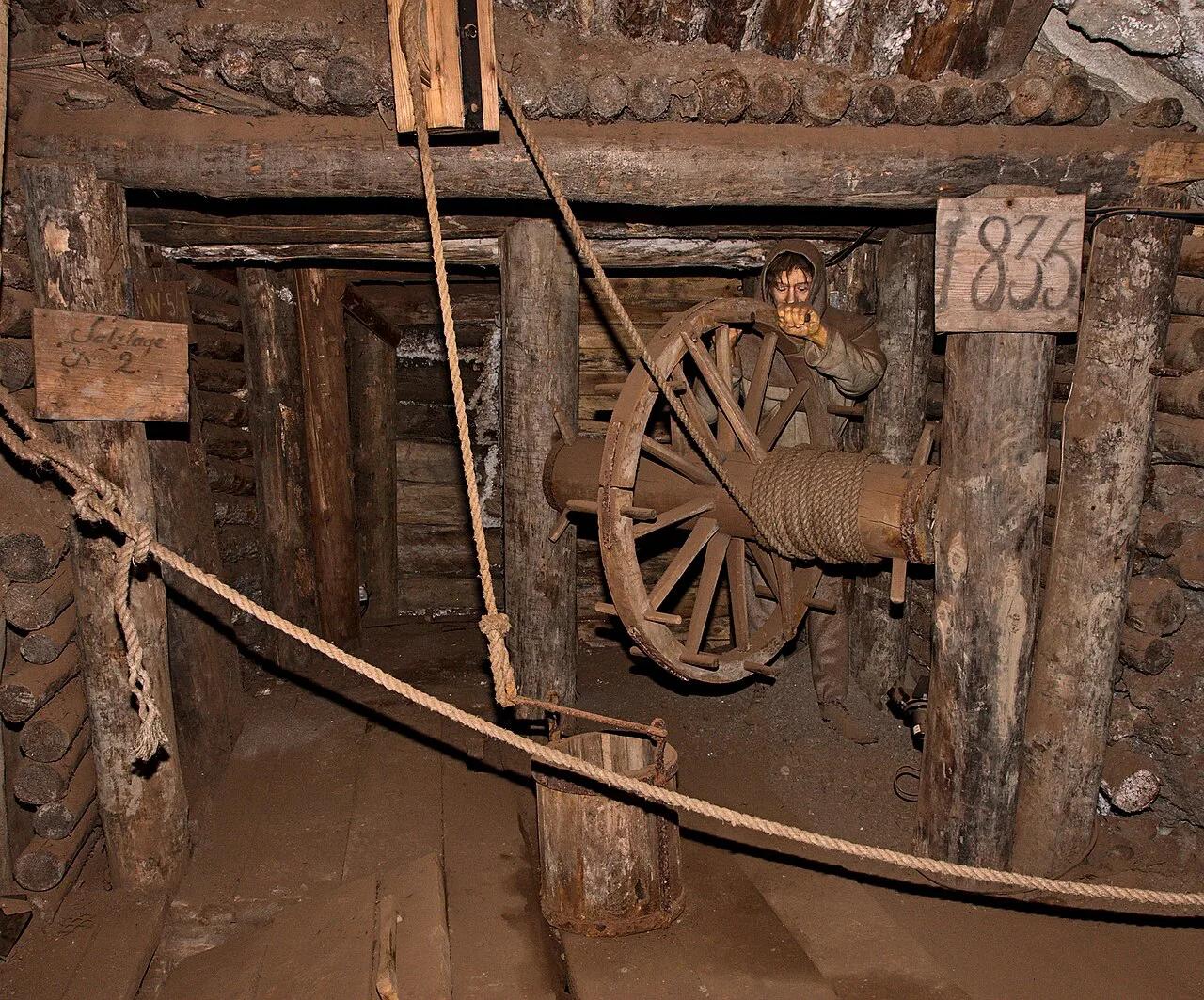
Last updated November 2026. A salt mine tour is a guided descent into a working or historic salt mine, usually with mining history, carved chambers and underground lakes. Europe's main visitable options we cover are Bochnia in Poland, Bex in Switzerland, Salzwelten at Bad Friedrichshall in Germany, Praid in Romania, and Cardona in Spain. Larger names such as Wieliczka, Salzwelten Hallstatt, Berchtesgaden and Salina Turda are outside this guide. Use the rules belowUse the rules below to pick one, or open our full salt mines directory for the wider list.
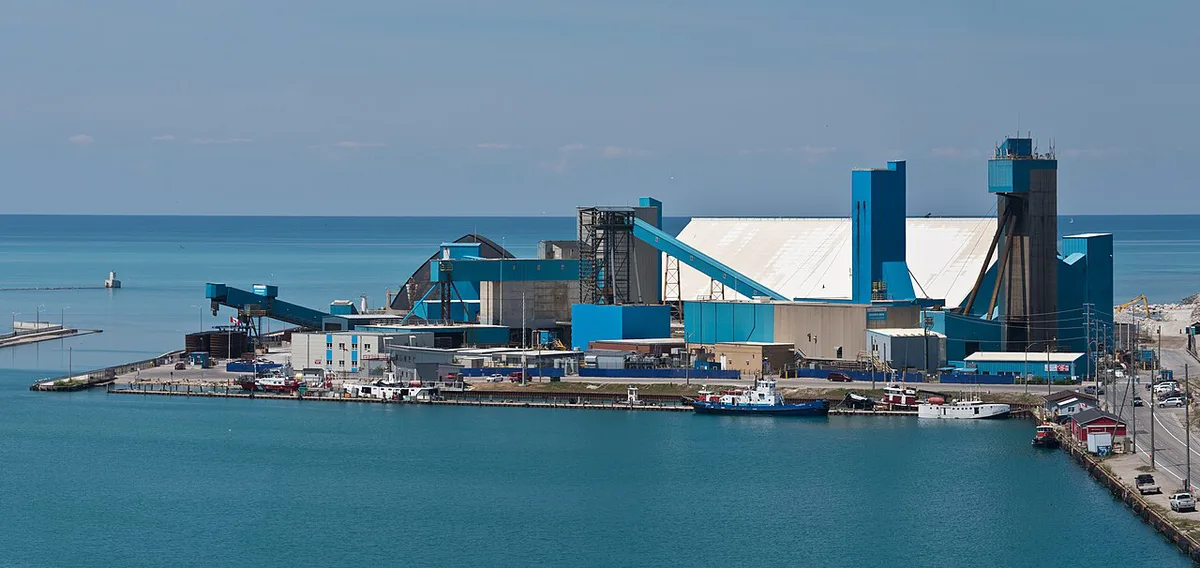
Featured image: Kj, CC BY-SA 4.0, via Wikimedia Commons.
Quick answer: the best salt mine tours in Europe
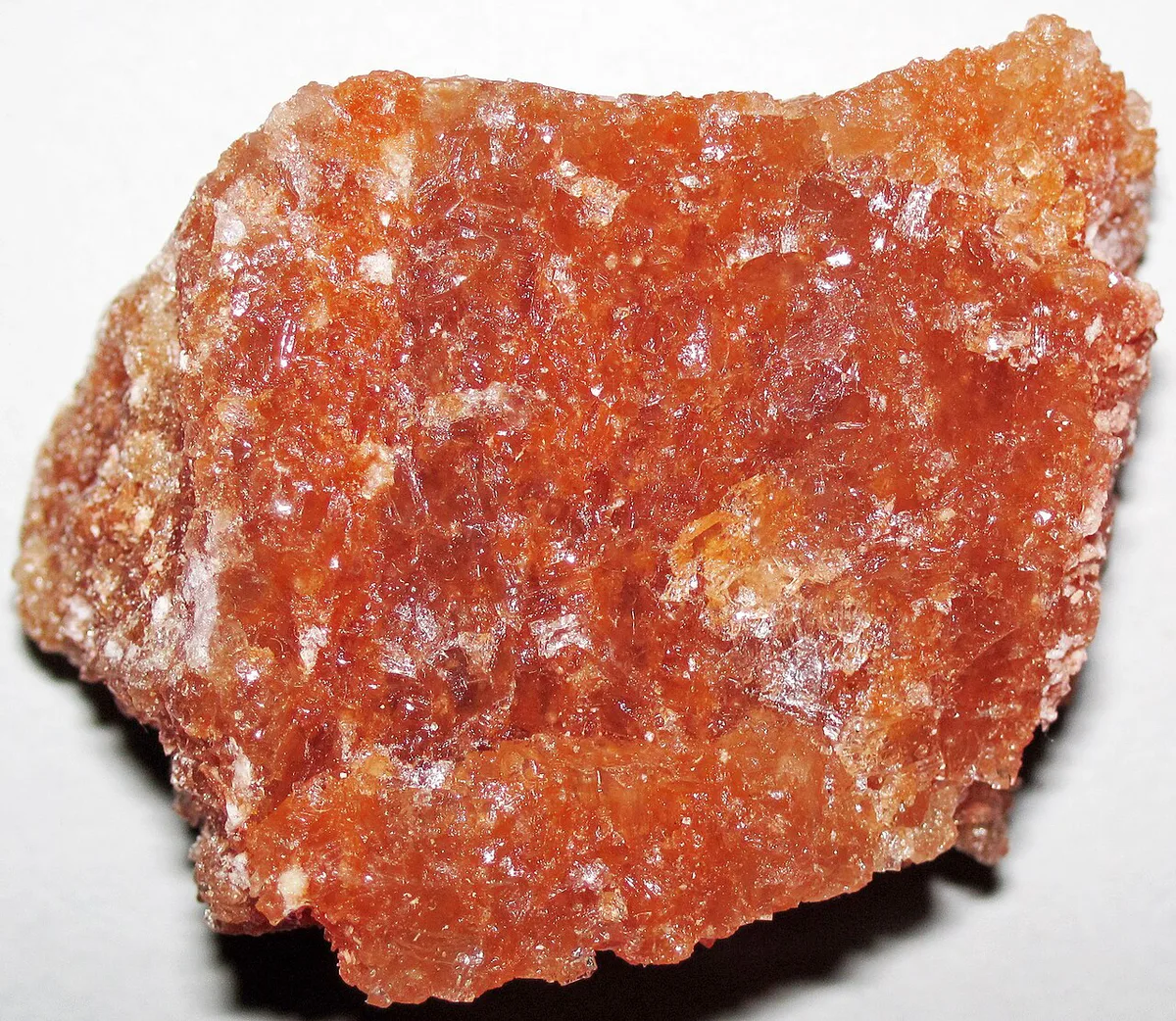
Match the mine to your reason for going underground. Mining history and a carved chapel point to Bochnia. A ride-in working mine points to Bex, where a miners' train carries you into the mountain. A Heilbronn-area trip points to Bad Friedrichshall. Families and wellness-minded visitors usually do best at Praid. Cardona suits anyone who wants geology above ground rather than a tunnel descent.
- History buffs and quiet-seekers: Bochnia (Poland).
- Ride-in working mine: Bex (Switzerland).
- Former working mine in Baden-Württemberg: Salzwelten at Bad Friedrichshall (Germany).
- Wellness and young children
- Wellness and young children: Praid (Romania).
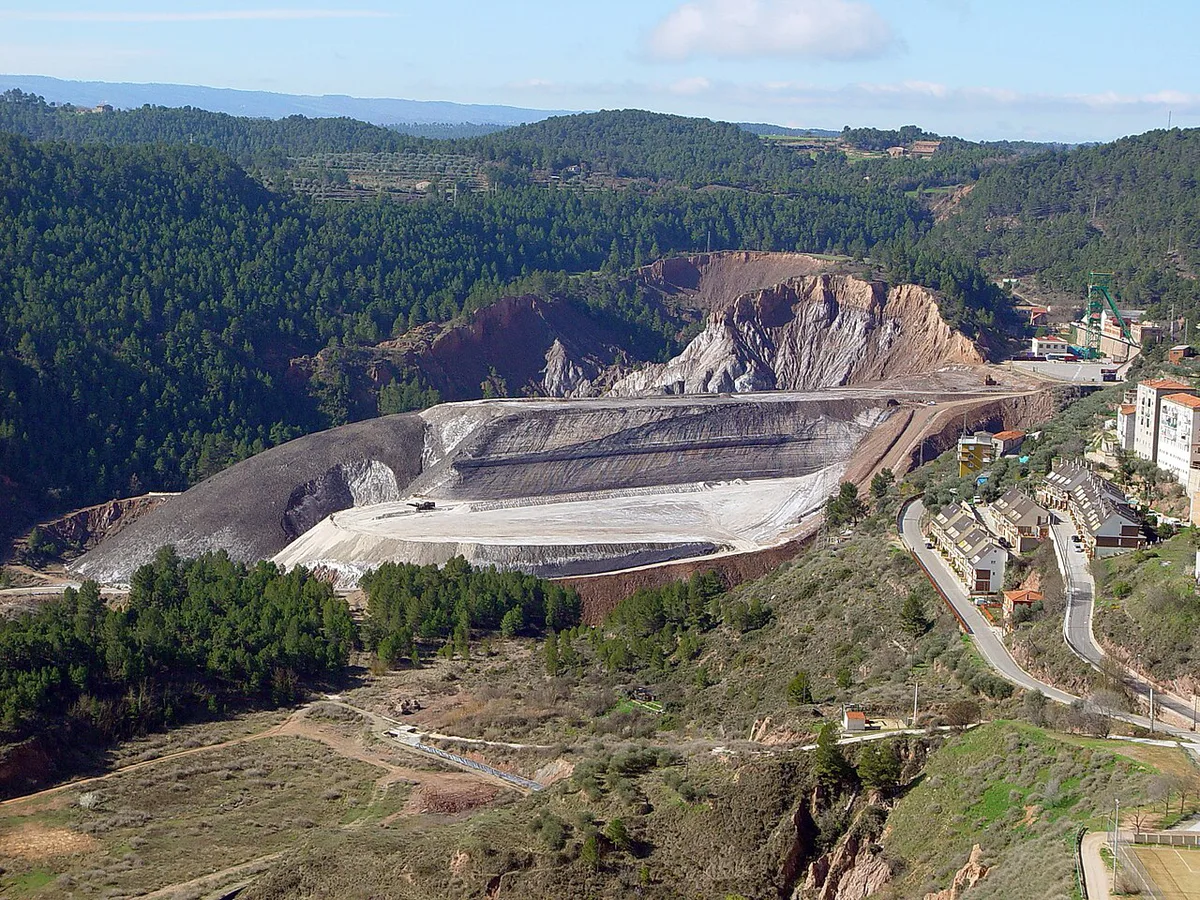
- Surface geology stop: Cardona Salt Mountain (Spain).
Salt mine comparison: Europe's visitable mines at a glance
This table compares tour character and best-fit traveller. Prices, hours, depths and tour lengths change, so each one sits with the mine's own site. Our salt mines in Europe pillar holds the full directory.
| Mine | Country | Tour character | Standout feature | Best for |
|---|---|---|---|---|
| Bochnia | Poland | Heritage and sacred art | Chapel of St. Kinga; UNESCO-listed; salt still produced from brine | History fans, quiet-seekers |
| Bex | Switzerland | Working mine | Miners' train, film, constant 18°C inside | Families, rainy days |
| Salzwelten, Bad Friedrichshall | Germany | Former working mine | Underground visit at the old Kochendorf mine | Travellers in the Heilbronn area |
| Praid | ||||
| Praid | Romania | Wellness and play | Underground playground, chapel, therapy area, museum | Young children, wellness |
| Cardona Salt Mountain | Spain | Surface geology | Domed salt mountain in Catalonia | Short itineraries, geology fans |
How to choose a salt mine tour
Decide first whether you want heritage, spectacle or wellness. Those three tour characters rarely overlap in one mine. Your base city then narrows the shortlist fast. Check stairs and cold tolerance before you commit, because both vary by mine.
- Heritage and sacred art: Bochnia.
- Ride-in working mine: Bex.
- Former working mine in the Heilbronn area: Bad Friedrichshall.
- Salzburg-area salt mine: Hallein, Austria.
- Wellness with kids
- Wellness with kids: Praid.
- Non-tunnel geology: Cardona.
Salt mine profiles: what each tour offers
Each profile gives the character, the access question and a caution. Confirm tour lengths, languages and step-free access on each mine's own site before booking.
- Bochnia (Poland): a UNESCO-listed heritage mine where written sources place the start of extraction in the 13th century. Mining ended in December 1996, though salt is still produced from brine, and the route moves through chambers such as the Chapel of St. Kinga. It suits history fans and quiet-seekers. Expect stairs, enclosed spaces and cool, damp air. For carved sacred spaces, see our guide to underground salt chapels.
- Bex (Switzerland): a working salt mine where mining has run since 1684. A film comes first, then a miners' train carries you into the mountain for a guided visit of about 2 hours. Adults aged 16 and over pay CHF 18, ages 6 to 15 pay CHF 12, and children under 6 enter free. Tours run mainly in French, with Smartguide audio in other languages. Skip it if you cannot walk unaided, because wheelchairs, walkers and pushchairs are not allowed.
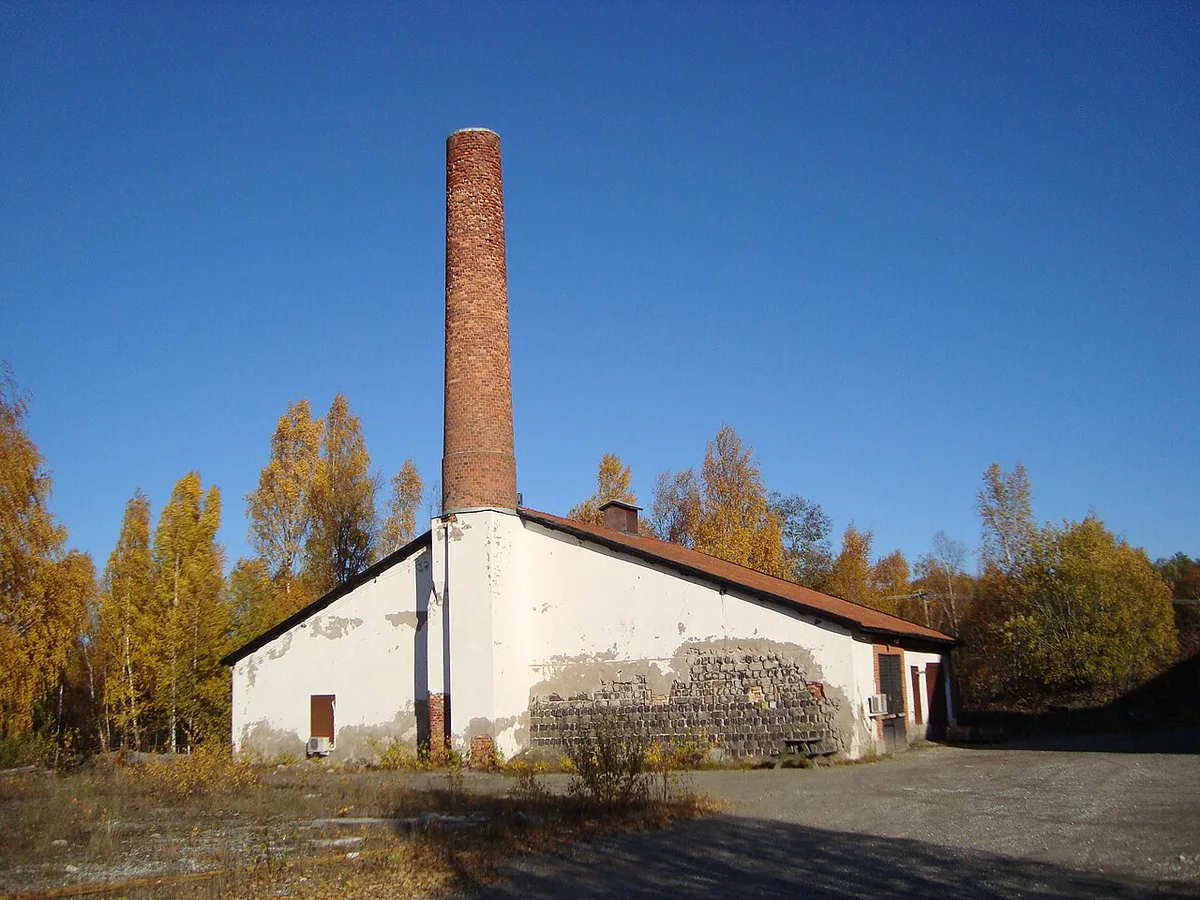
- Salzwelten, Bad Friedrichshall (Germany): an underground visit at the former Kochendorf salt mine in Baden-Württemberg. It suits travellers in the Heilbronn area who are not heading to Bavaria. Our guide to salt mines in Germany compares it with Alte Saline in Bad Reichenhall. Skip it if you want carved chapels and monumental chambers.
- Hallein (Austria): another Austrian salt mine tour near the Salzburg routes. Check current opening before adding it.
- Praid (Romania):
- Praid (Romania): an underground playground, salt chapel, therapy area and museum in Harghita County. It suits young children and wellness-minded visitors. Our salt therapy caves guide covers the wellness angle.
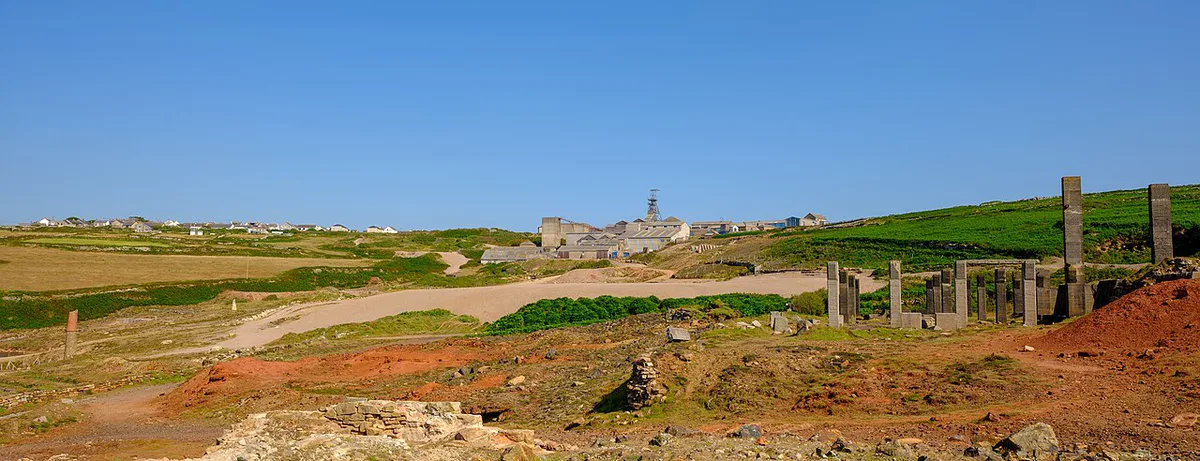
- Cardona Salt Mountain (Spain): a naturally domed salt mountain in Catalonia, seen mostly as surface geology. See Catalonia Tourism for visit details. It suits short itineraries and travellers who dislike stairs underground.
How to plan your time and routes
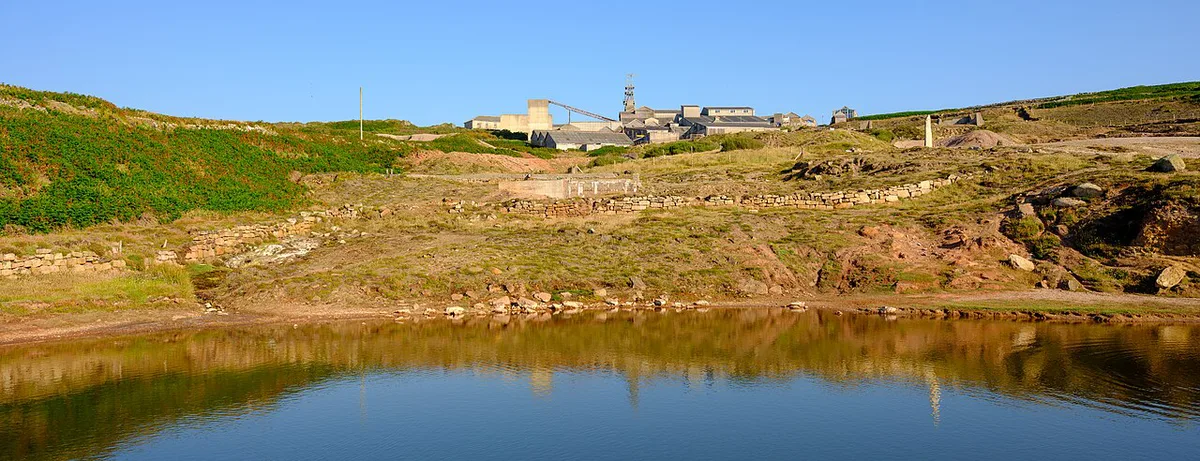
Most salt mine tours fit into half a day, so 1 day can cover 1 mine plus a base city. A 2-day plan allows 2 mines only when they sit on one route. Kraków works as the base for Bochnia, which is a separate town, so plan a proper day trip and check current rail or bus timetables. Bex fits a day in Vaud, and Bad Friedrichshall fits a Heilbronn-area trip. Bex runs scheduled slots, between 2 and 10 a day depending on the season, so book the time you need before you plan the rest of the day. Arrive early for timed entry. For other underground trips, see our Mine Tours in Europe: Types, Costs and How to Choose hub.
Salt mine tickets, costs and opening hours
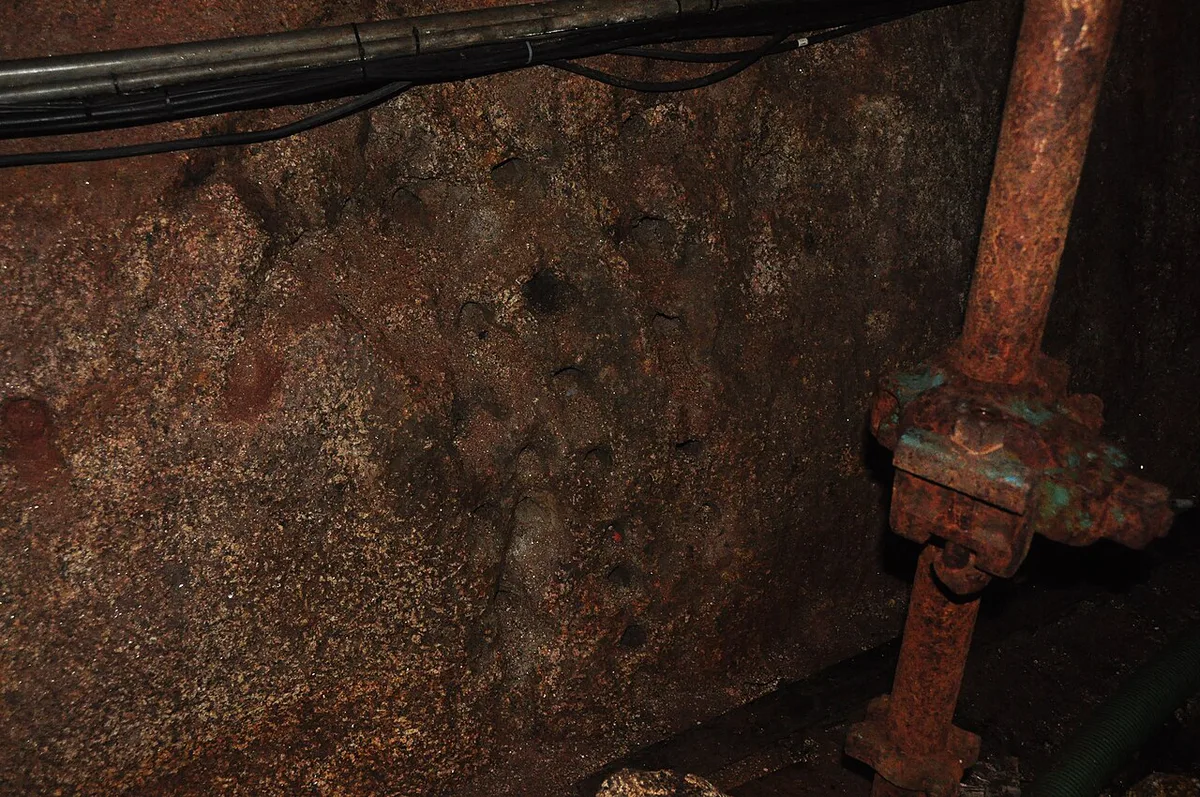
Published ticket prices, hours and tour lengths change by season and demand. Check each mine's official site for current figures before you book.
- Usually included: a guided or audio-guided route and lift or train access, depending on the mine.
- Often extra: photography passes, family tickets, extended tours and wellness sessions.
- Booking: reserve timed slots early in peak months and on weekends.
What to wear and mistakes to avoid
Underground air stays cool all year, so bring a warm layer even in summer. Wear flat, grippy shoes for stairs and damp salt floors. Tell the staff in advance about claustrophobia, mobility limits or pushchairs. Some mines are stair-heavy and others are not. Do not confuse a tourist route with a working mine, because only guided visitor paths are open. Turning up without a booking on a peak day is the most common way to lose a slot.
Beyond a standard salt mine tour
Sacred salt art has its own guide in Salt Cathedrals & Salt Mine Churches in Europe: Guide. Wellness-focused visits are covered in Salt Caves in Europe: Therapy Rooms vs Real Salt Mines. If you want to stay overnight below ground, see Underground Hotels in Europe: Mines, Caves & Bunkers. Other metals have their own routes, including Silver Mine Tours in Europe: Where to Go Underground and Gold Mine Tours in Europe: Where You Can Actually Go.
Frequently Asked Questions
What does a salt mine look like inside?
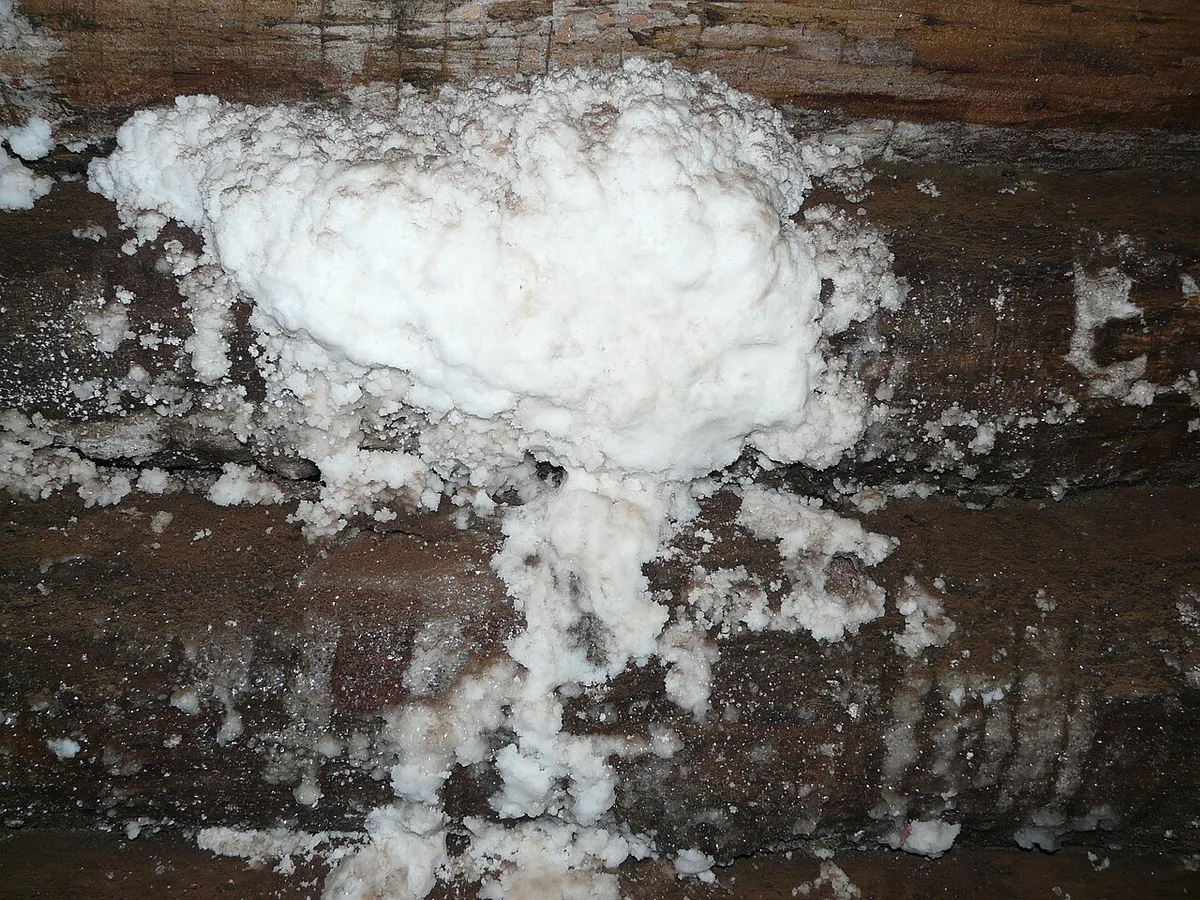
Expect pale salt walls, long tunnels and carved chambers. Bochnia has a chapel carved from salt, Bex adds a miners' train ride into the mountain, and Praid adds an underground playground. Lighting is deliberately low, so allow time for your eyes to adjust.
Are salt mines safe?
Visitor routes in Europe's tourist mines are guided and lit, with marked paths. Follow your guide, wear sturdy shoes and tell staff about mobility or claustrophobia concerns beforehand. Working mines are a different matter, because only the designated tour paths are open to visitors.
Notes for your next trip underground
Optional updates when we add or revise cave and underground guides.
More guides
More guides you'll find useful