
Tin Mines in Cornwall: Tours, Ruins and Safe Visits
Which Cornish tin mine should you visit? Compare underground tours, free engine-house ruins and guided exploring, with safety and access tips.
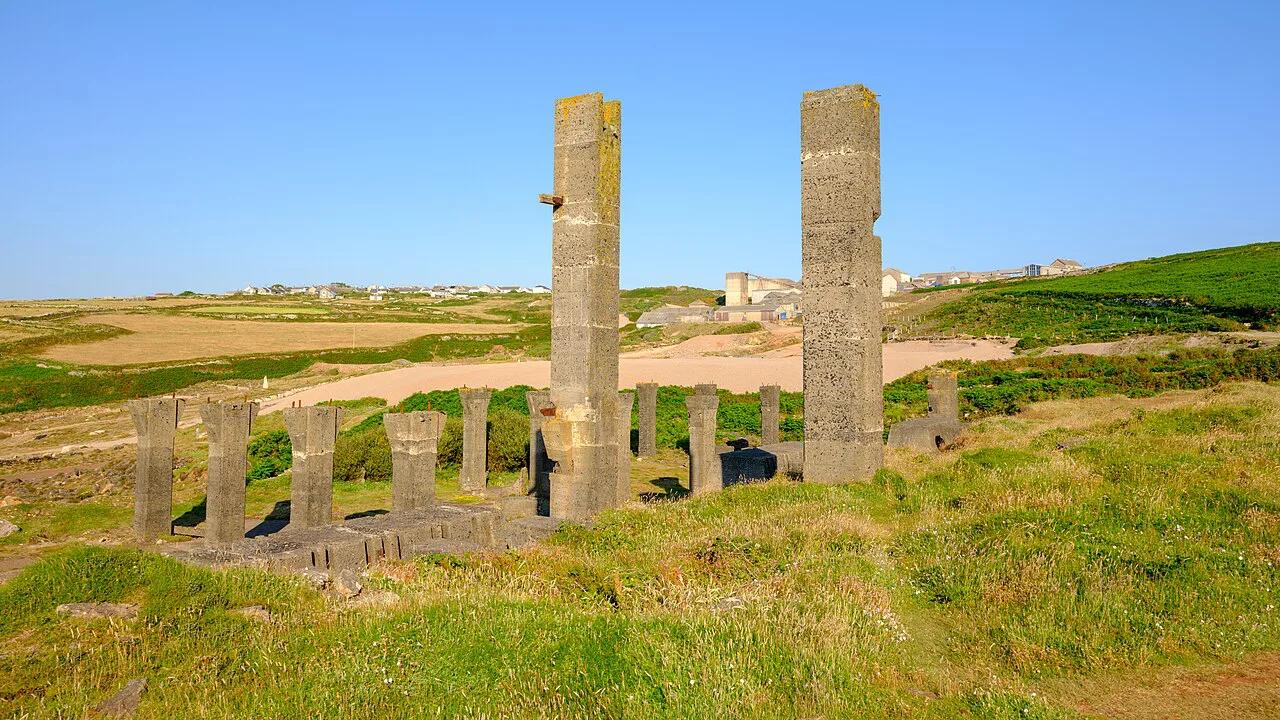
Last updated November 2026. Visiting tin mines in Cornwall now means choosing between a heritage tour, a free engine-house walk and guided exploring, because the working mines have closed. Each option differs in access, cost and physical demand, so pick by what you want to see underground or above it.
Featured image: ArildV, CC BY-SA 4.0, via Wikimedia Commons.
Quick answer: the best tin mines Cornwall visit for your situation
Start with the kind of visit, then the site. Underground access is only on offer at preserved heritage mines and with licensed guides. Everything else is surface viewing. Cost bands below are qualitative, so check each operator's own page for current prices.
| Visit type | Access | Effort | Best for |
|---|---|---|---|
| Heritage mine with underground tour | Guided, partial or full depending on site | Low to moderate; damp, uneven footing | First-timers, families, history fans |
| Surface heritage site | Buildings and machinery above ground | Low | Wet days, mixed-mobility groups |
| Free coastal engine-house walk | Outdoor, open access on paths | Moderate; cliff-top wind and slopes | Photographers, walkers, tight budgets |
| Guided abandoned-mine exploring | Licensed operator only | High; gear and fitness needed | Experienced, adventurous adults |
Cornwall's tin mining in brief
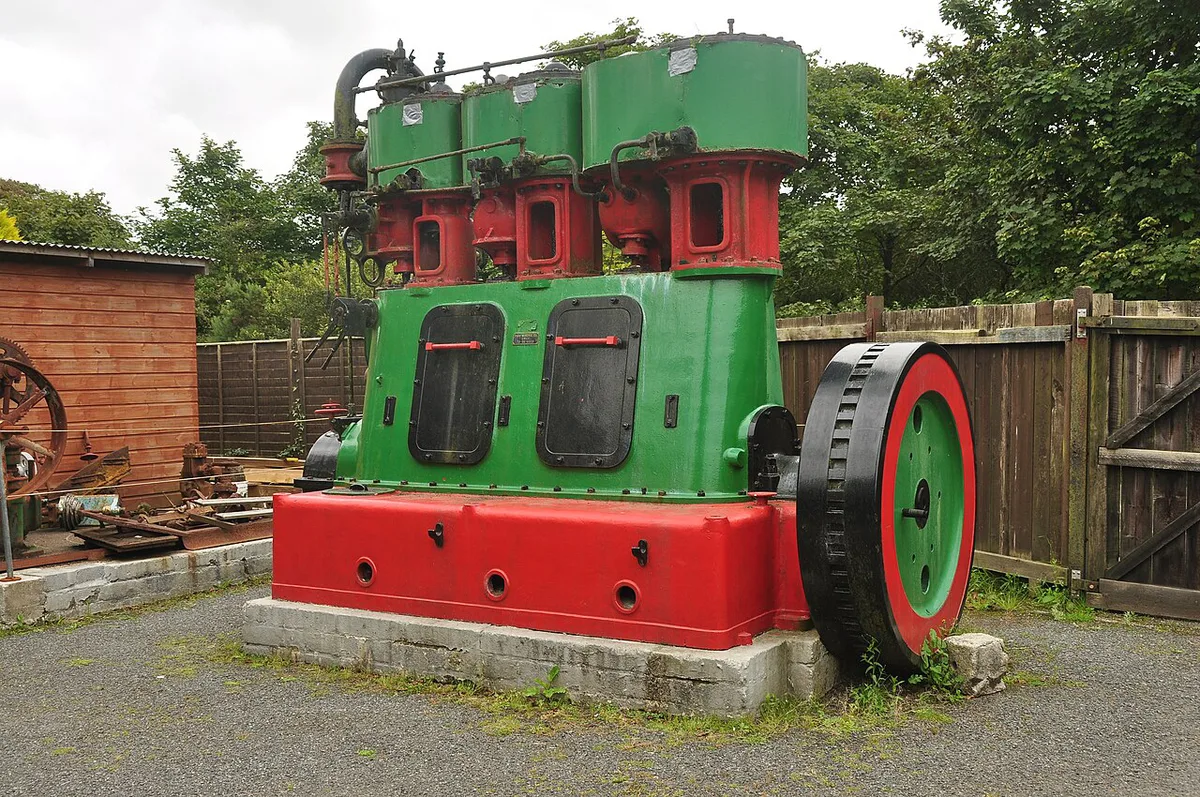
Cornwall and West Devon form a World Heritage mining landscape, and Cornish tin is a large part of that story. Check the UNESCO listing for the exact designation details before quoting them. Knowing a few terms makes every site easier to read. Visit Cornwall's mining heritage pages give wider context for planning.
- Lode: the mineral-bearing vein that miners followed underground.
- Shaft: a vertical or steep passage used for access, hauling and ventilation.
- Adit: a near-horizontal tunnel, often used to drain water out of a mine.
- Engine house: the stone building that held the steam engine for pumping or winding.
- Stamps: heavy hammers that crushed ore before the tin was separated.
- Arsenic calciners: furnaces and flues used to roast ore and recover arsenic as a by-product.
Visit a heritage mine with a tour
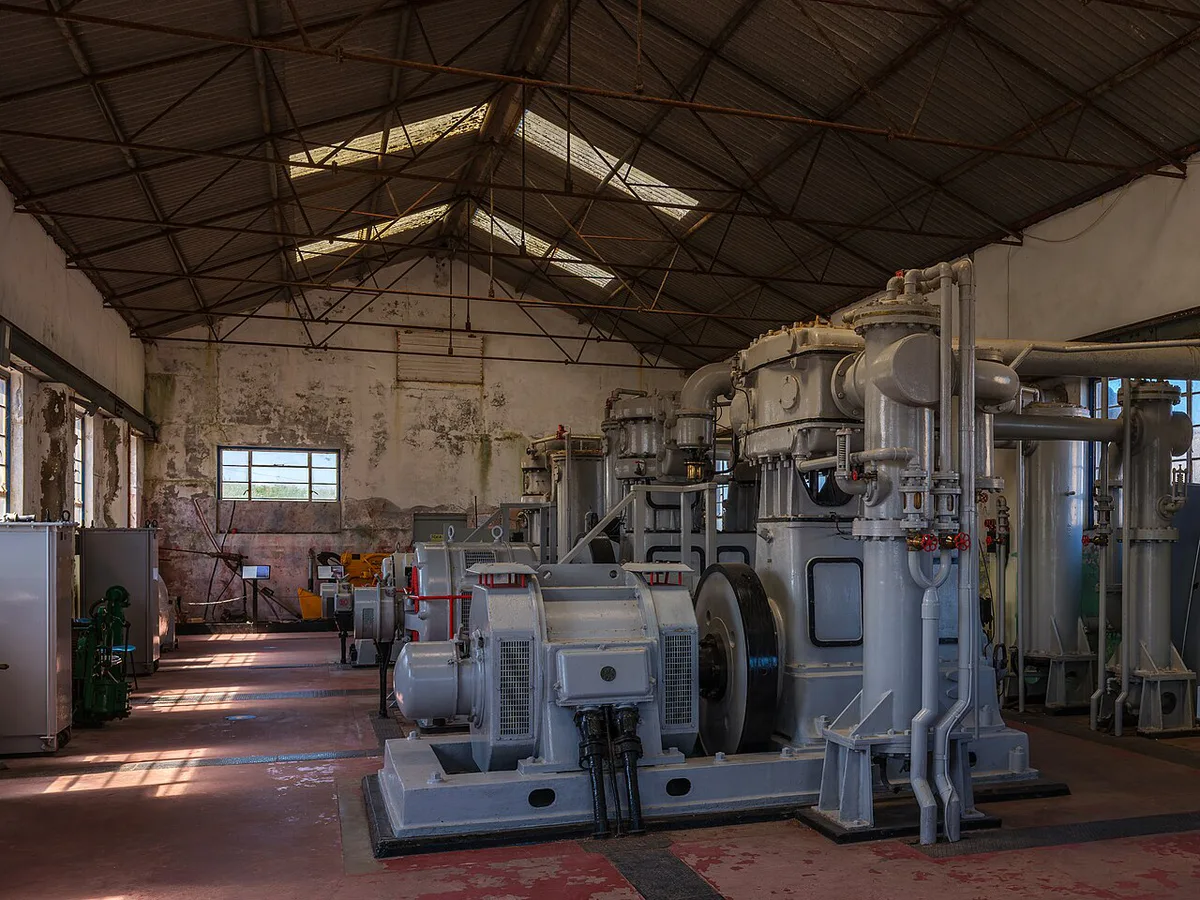
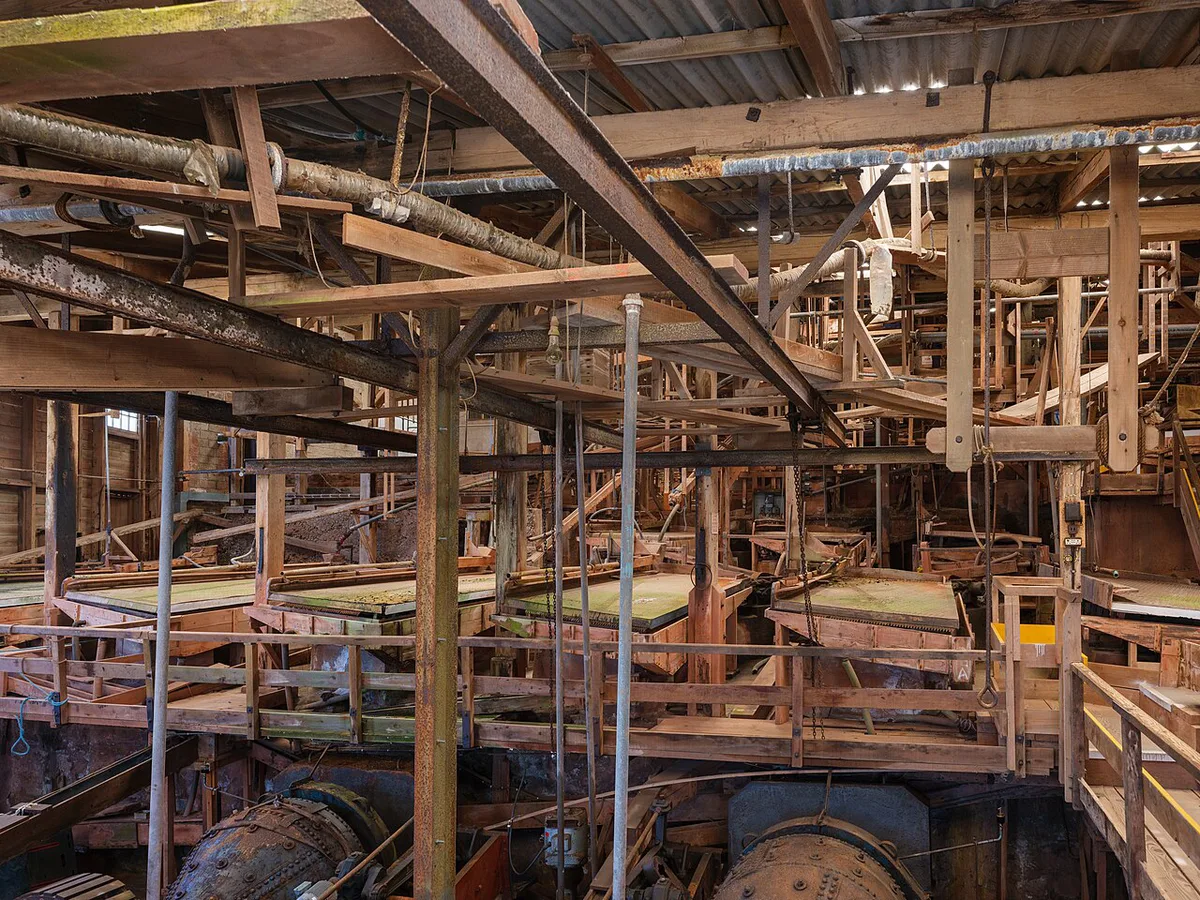
Geevor sits at Pendeen on the West Penwith coast and is the strongest first choice for a full mine-site visit. Read the Geevor underground tour guide for the experience in detail. Current tour types, hours and booking rules are on Geevor's official site. Poldark Mine at Wendron is the alternative, in a different part of the county. Our Poldark Mine at Wendron guide covers what it offers. Geevor suits a longer, site-focused day. Poldark Mine suits a shorter stop combined with other Cornish plans.
- Geevor, Pendeen: preserved mine site on the coast, best for a full heritage day.
- Poldark Mine, Wendron: inland heritage mine with a guided underground element.
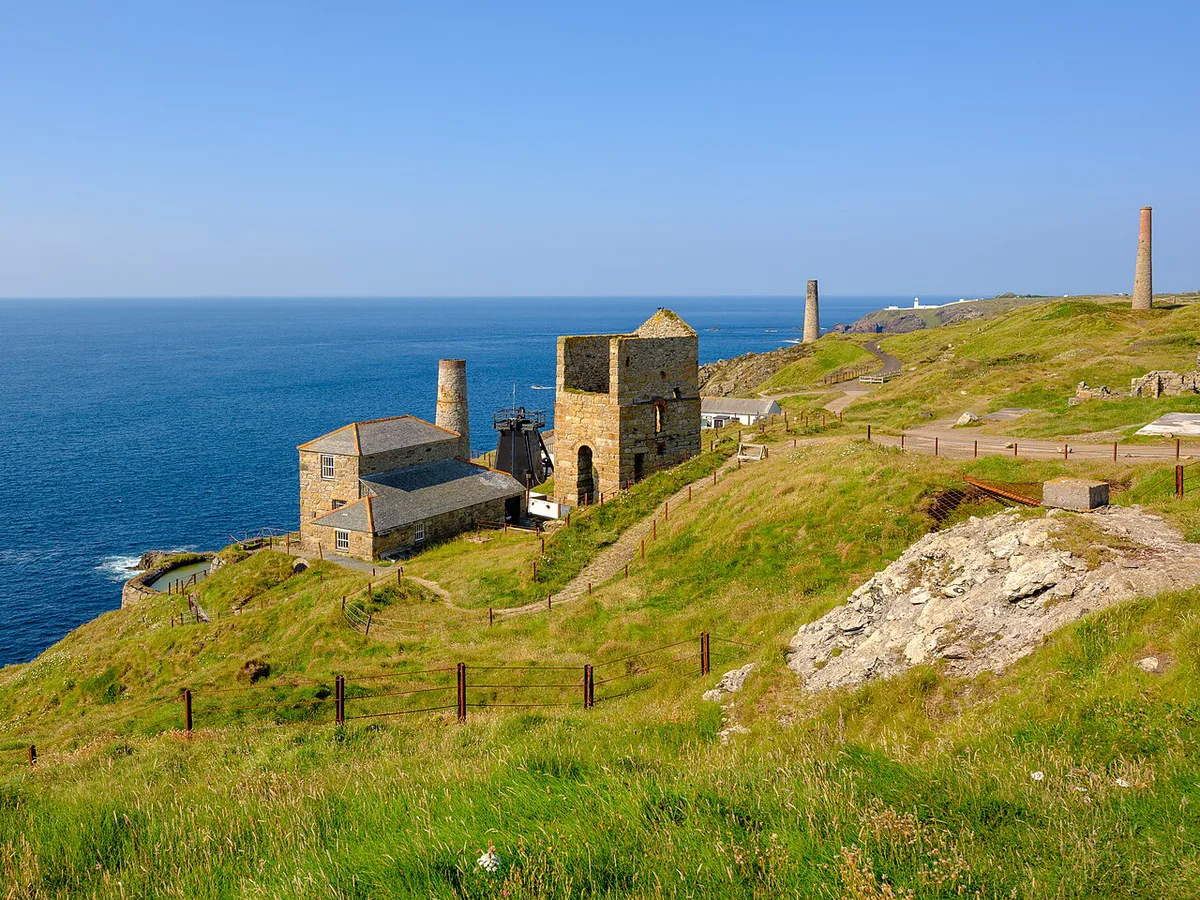
- Levant Mine and Beam Engine, Pendeen: National Trust site, known for its beam engine rather than a long underground trip.
See engine houses and ruins for free
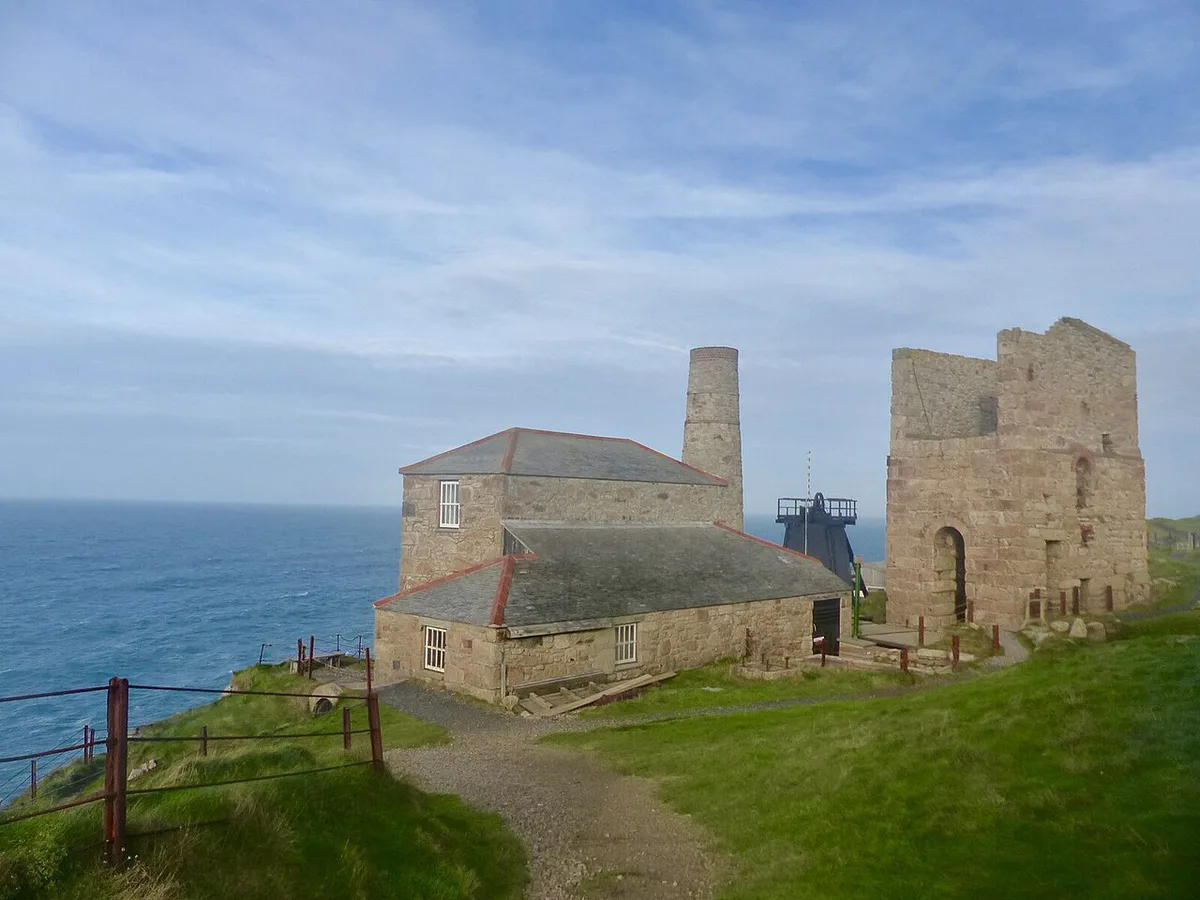
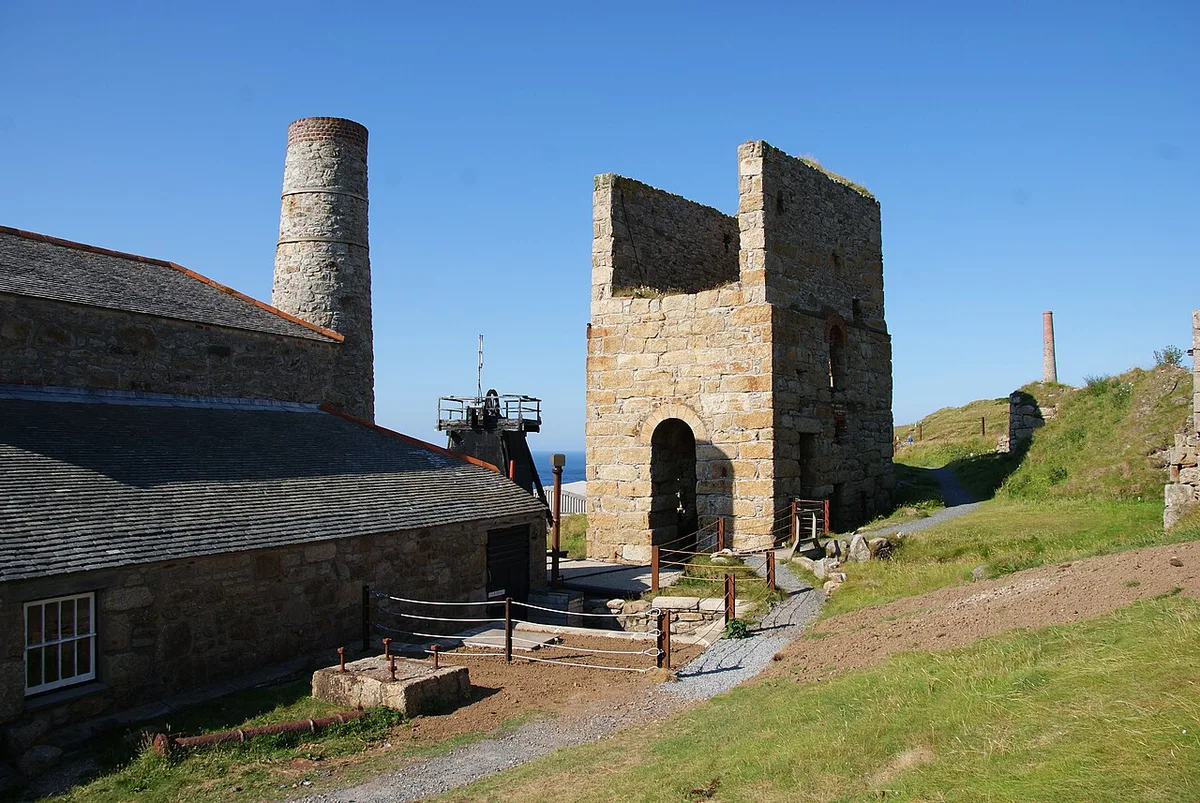
Ruined engine houses stand on the cliffs around Pendeen and St Just, and the coast path gives open access to many of them. Park in a recognised car park and keep to marked paths. Open shafts and unstable ground sit close to some routes, so stay well back from fences and capped areas. Cliff-top wind and sudden weather changes are real exposure, so wear grippy footwear and a waterproof layer. Levant Mine at Pendeen is the easiest named stop here, since it is run as a visitor site by the National Trust.
Guided abandoned-mine exploration: what it is and the safety rules
Operators such as Cornwall Underground run guided trips into disused workings, with East Wheal Lovell and Okel Tor among the mines they write about. Treat those names as examples to research, not endorsements. Never enter old workings unguided. Many sites are on private land, with hidden shafts, rotten timber and bad air.
- Ask what insurance the operator carries.
- Ask about group size and the guide's experience.
- Ask which helmets, lights and clothing are supplied.
- Ask what fitness and experience level the trip assumes.
- Skip it if you dislike tight, wet or dark spaces, or if you are with young children.
Costs, tickets and opening hours
Prices and hours were checked in November 2026 only in the sense that no single figure is fixed. Free coastal walking costs nothing beyond parking. Heritage tours sit in the low-to-mid range. Guided exploring is the premium option, because gear and small groups are included. Winter hours are often reduced, so use each official site before setting out. Use this short checklist before you go.
- Is the underground tour running on your date?
- Does the tour need advance booking?
- Are mobility limits stated for the underground section?
- Is parking on site or on the road?
Planning your day: routes, time and transport
Sites cluster in three areas: the West Penwith coast around Pendeen and St Just, the Camborne–Redruth district, and the Tamar Valley in east Cornwall. A car makes any combined route far easier, since buses to coastal sites are thin. Plan one heritage tour and one coastal walk per day rather than three stops. Check drive times on a mapping service, because narrow lanes slow you down. If you rely on public transport, use Traveline for current services.
Where to stay and what to pair it with
St Just and Pendeen put you beside the coastal ruins and Geevor. Camborne, Redruth and Penzance suit a wider mining-district base. For something different underground, see our guide to Underground Hotels in Europe: Mines, Caves & Bunkers.
Mistakes to avoid
Most mine visits go wrong for simple reasons.
- Ignoring the cold and damp: dress in layers, even in summer.
- Wearing trainers with no grip on wet slate and cliff paths.
- Assuming every site is open all year.
- Trespassing on private mine land or crossing fences.
- Assuming every mine has an underground tour.
Explore more mine experiences in Europe
Compare options with our overview of mine tours across Europe. A nearby UK alternative is Welsh slate mine tours. For other metals, see silver mine visits. Gold is covered in European gold mine trips. If you want a different underground style, try salt mine visits.
Frequently Asked Questions
Where do they mine for tin?
Cornish tin came from lodes worked through shafts and adits, mainly around West Penwith, Camborne–Redruth and the Tamar Valley. Cornwall's working mines have closed, so today's visits are heritage tours and ruins.
Why did mining stop in Cornwall?
Cornish mines closed over time, and the working industry ended. The heritage sites explain that story on their tours. Geevor's official site is a good place to read the history before you visit.
Notes for your next trip underground
Optional updates when we add or revise cave and underground guides.
More guides
More guides you'll find useful






