
What to Wear in a Cave: Europe Checklist by Cave Type
Know what to wear in a cave, from show caves to guided adventure tours. Shoes, layers, and what to bring or skip.

Last updated November 2026: what to wear in a cave depends on the cave's cool, damp air, not the weather outside. Wear layers, closed shoes with grip and a light waterproof. Then adjust for your cave type: show cave, guided adventure cave or wild caving.
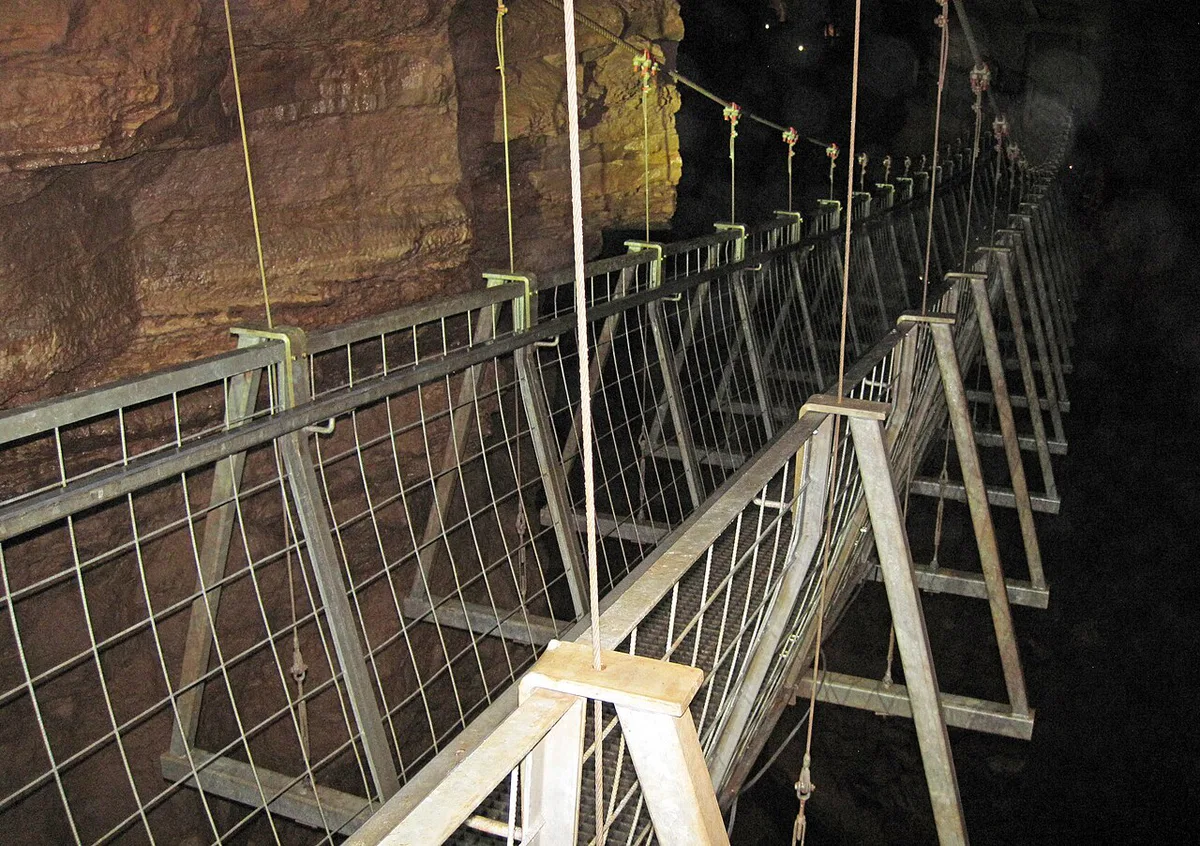
Featured image: Musicaline, CC BY-SA 4.0, via Wikimedia Commons.
What to wear in a cave: the short answer
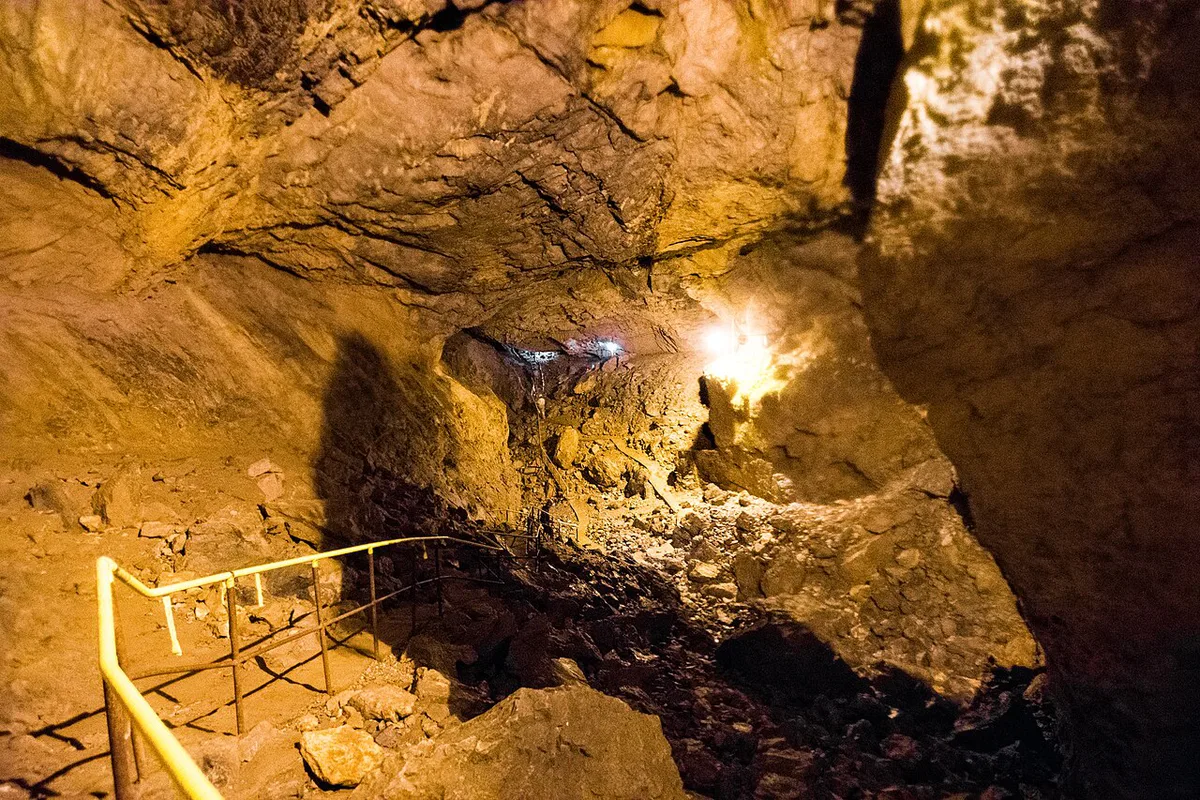
Most European visitors take a guided walkway tour in a show cave. For that, ordinary outdoor clothes work if you dress in layers. Cave air stays cool and damp whatever the season, so summer shorts and a T-shirt leave many people shivering by the end of the tour.

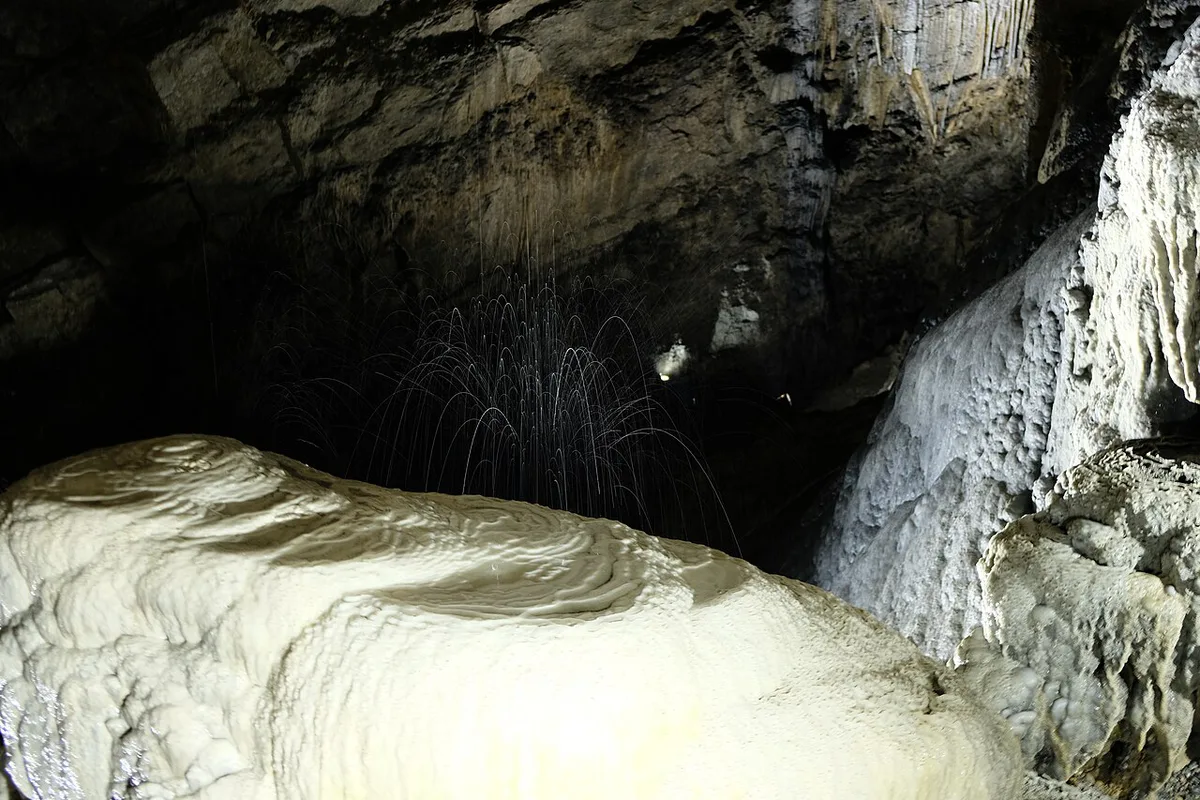
- Wear a base layer, a fleece or mid-layer, and a packable waterproof shell.
- Choose closed shoes with a grippy sole. Sandals and heels are the most common mistake.
- Pick long trousers over shorts or a dress.
- Bring a hat and thin gloves if the tour is long.
- For wet or adventure caves, pack a dry change of socks and a top.
Which type of cave are you visiting?

Your clothing list depends on the kind of trip you booked. Check the tour description first, because the operator decides what is supplied. If you are unsure which category you are in, our guide to choosing between show and wild caves explains the difference.
| Cave type | Clothing | Footwear | Usually supplied | You bring |
|---|---|---|---|---|
| Show cave (walkway tour) | Layers and a light waterproof | Closed shoes with grip | Lighting along the path | Warm layer, hat if the tour is long |
| Adventure or wet cave (guided) | Quick-dry layers you can get dirty | Grippy trainers or boots, or boots from the operator | Often helmet, lamp and suit; ask when booking | Dry change of socks and top, towel, gloves |
| Wild or technical caving | Specialist clothing chosen with your guide | Boots chosen with your guide | Set by the guide or club | Training and a guide; not a casual day trip |
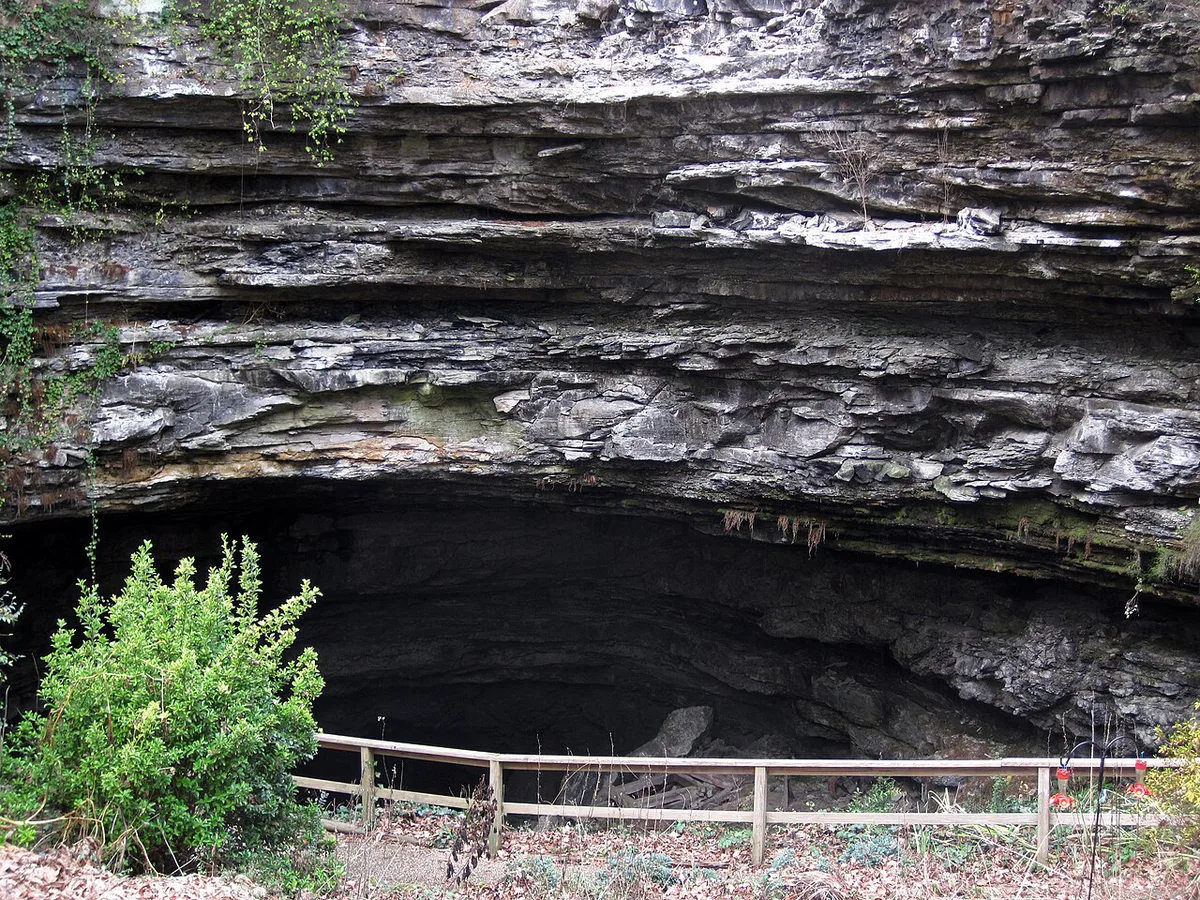
Layers for cool, damp air
Cave air is stable, so a layered system beats one heavy coat. Start with a light base layer, add a fleece, and carry a packable shell for drips from the ceiling. You can take layers off if you warm up on stairs. For figures, see our page on how cold caves stay.

On wet tours, synthetic fabrics dry faster than cotton. Wet cotton holds water against your skin and cools you quickly. A hat covers your hair from drips and low ceilings. Thin gloves help on long tours, and on handrails that feel cold and damp.
Best shoes for cave floors

Cave floors can be polished stone, wet steps or mud. A closed shoe with a grippy sole handles most show-cave paths. Use this chooser to pick for your tour.
- Trainers with deep tread: fine for dry, paved show-cave walkways.
- Hiking shoes: better where steps are steep or wet.
- Boots or wellies: the right call for muddy or wet adventure caves, if the operator does not lend boots.
- Sandals, flip-flops and heels: leave them behind. They slip on wet stone.
- Hygiene rules: some caves ask you not to reuse footwear worn in other caves. Read bat protection rules and follow the site's instructions.

Extra gear for wet and adventure caves
Guided adventure tours normally lend a helmet and a headlamp, and often a coverall. Ask what is included when you book, and whether boots are provided. Your own kit is mostly personal: a dry change, a towel and gloves if allowed. A small dry bag keeps your phone and spare socks safe. Tours with water, such as those on underground lake tours, call for quick-dry clothes. On boat tours inside caves, keep a shell handy for drips.
Technical caving needs rope systems, harnesses and training. Those belong to a guide or a club, not to a casual visit. Our page on guided caving trips in Europe covers where to start.
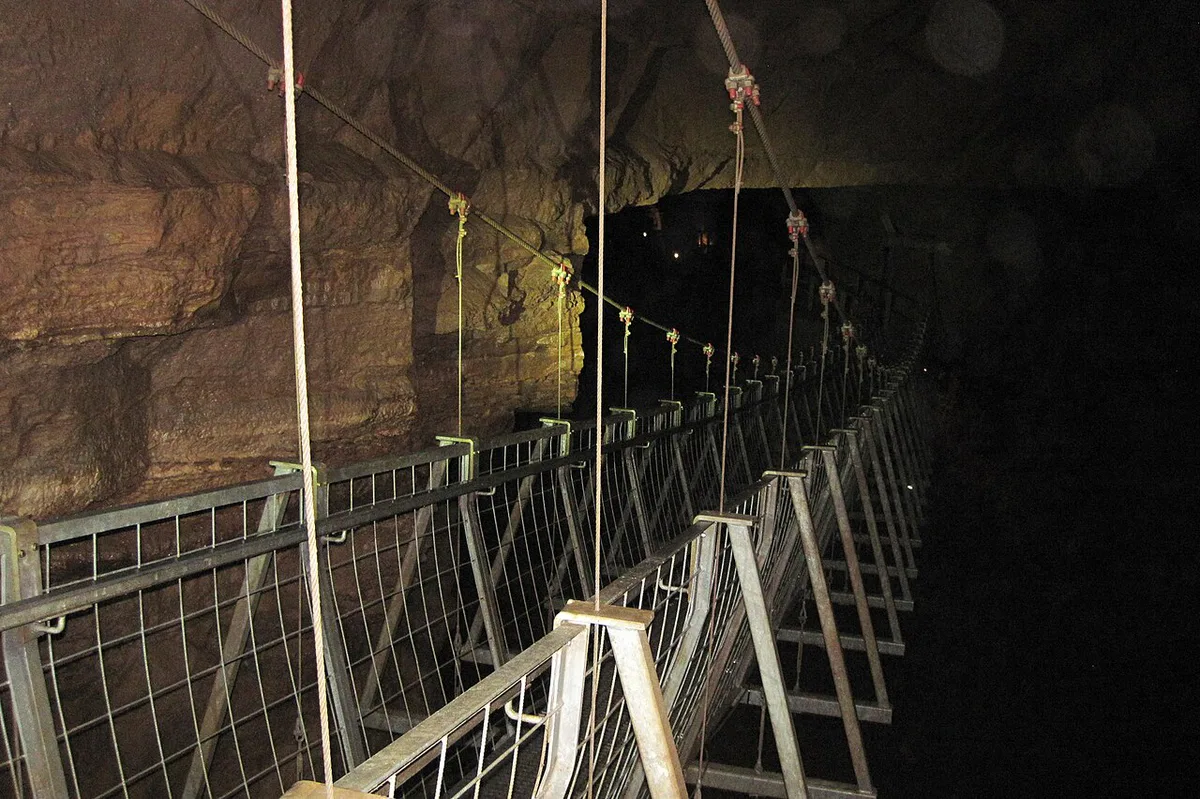
What not to wear or bring
A few choices cause most of the problems on cave tours. Avoid them and you will be more comfortable.
- Sandals, heels and smooth-soled fashion shoes.
- Shorts or thin dresses in summer. Cave air stays cool.
- Loose scarves or dangling bags that catch on rails and rock.
- Large backpacks and tripods, which many caves restrict.
- Valuable cameras and phones without a cover, since drips are common.
- Cotton hoodies on wet tours. They stay wet and cold.
Checklist to copy
Use the list that matches your tour, then trim it to what you can carry comfortably.
- Show cave: base layer, fleece, light waterproof, long trousers, grippy closed shoes, hat and thin gloves for long tours.
- Adventure or wet cave: quick-dry layers, grippy shoes or boots, dry socks and top, towel, small dry bag, gloves if allowed.
- Both: small bag only, phone or camera in a protective cover, hair tie for long hair.
- Wild caving: go only with a guide who tells you the exact kit.
Planning around the tour
Guided tours run at fixed group times, so arrive early enough to put on your layers before you start. Cloakrooms may not exist, so carry only what you need. Stairs and uneven paths affect which cave suits you, especially with young children or limited mobility. Check age limits, photography rules and bag limits with the operator. Han-sur-Lesse publishes visitor details on its official site. The Slovak Caves Administration does the same for the caves it runs. When you are ready to choose a cave, start with our overview of European cave destinations.
Notes for your next trip underground
Optional updates when we add or revise cave and underground guides.
More guides
More guides you'll find useful






