Cenotes in Europe? Closest Swimmable Caves
Europe has no true Yucatán cenotes, but it has cave lakes, sea caves and flooded caves you can visit. See what is swimmable, what needs a guide, and what to skip.
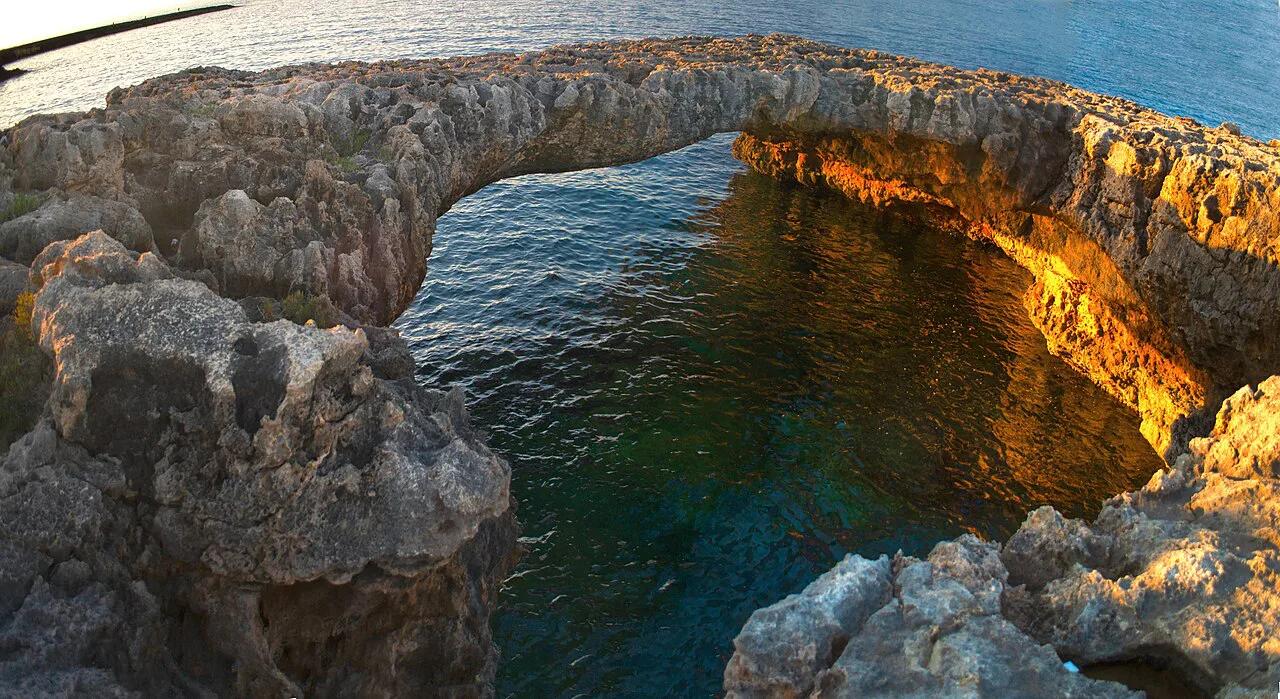
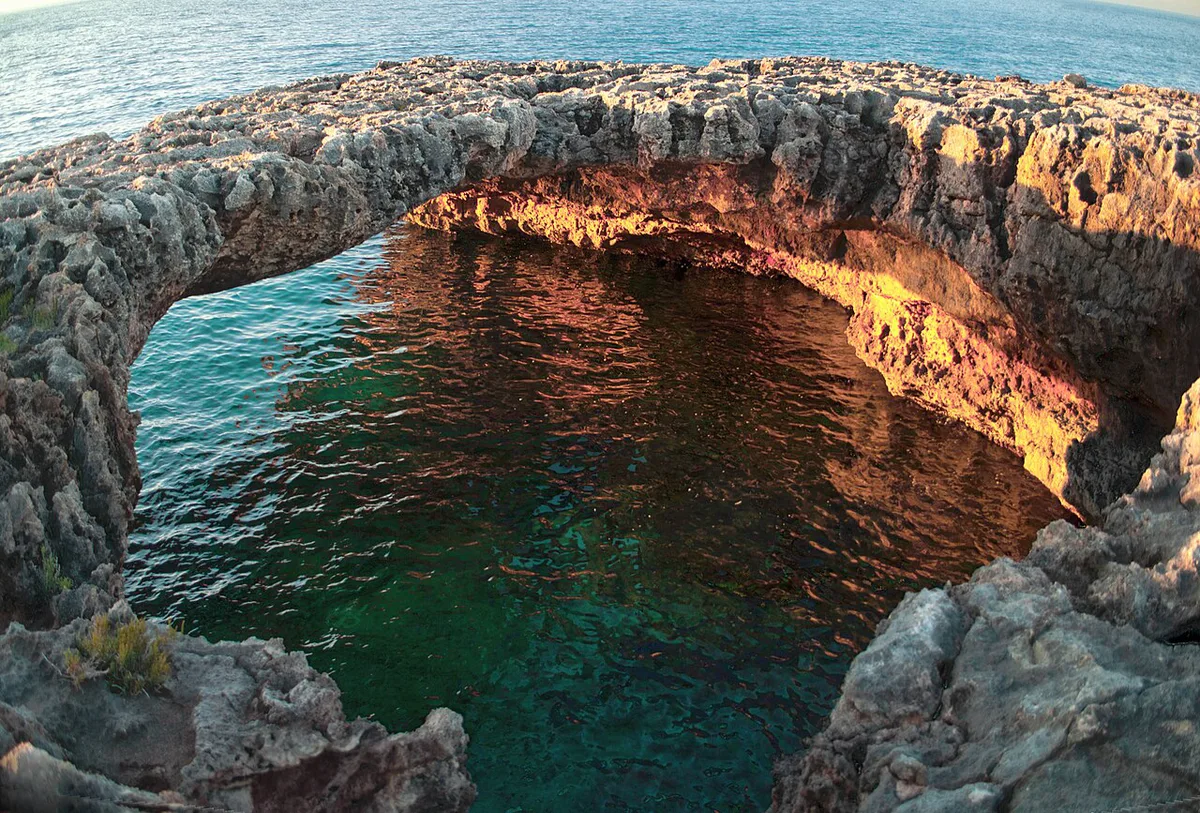
Last updated November 2026. Cenotes in Europe do not exist in the strict sense, because "cenote" is a Yucatán term for water-filled limestone sinkholes. Europe does have cenote-like places, including cave lakes, sea caves and flooded karst caves. Some can be visited by boat, a few allow swimming, and many are look-only or reserved for trained divers.
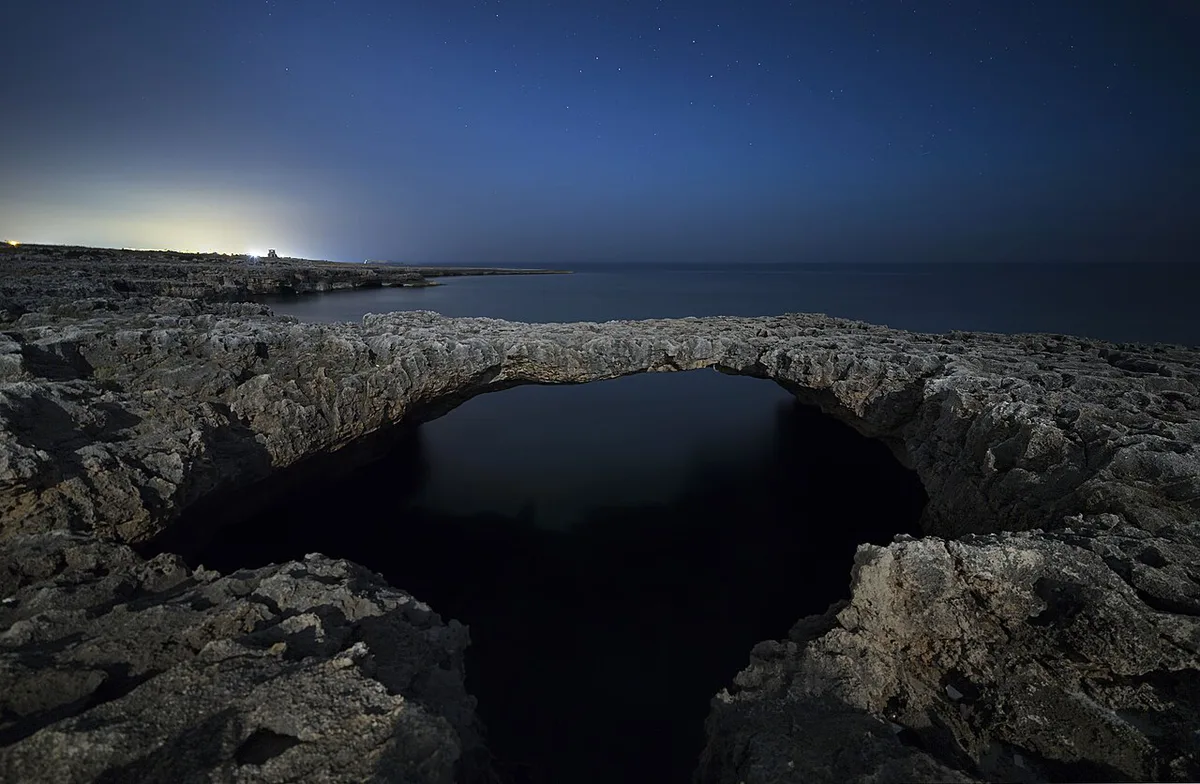
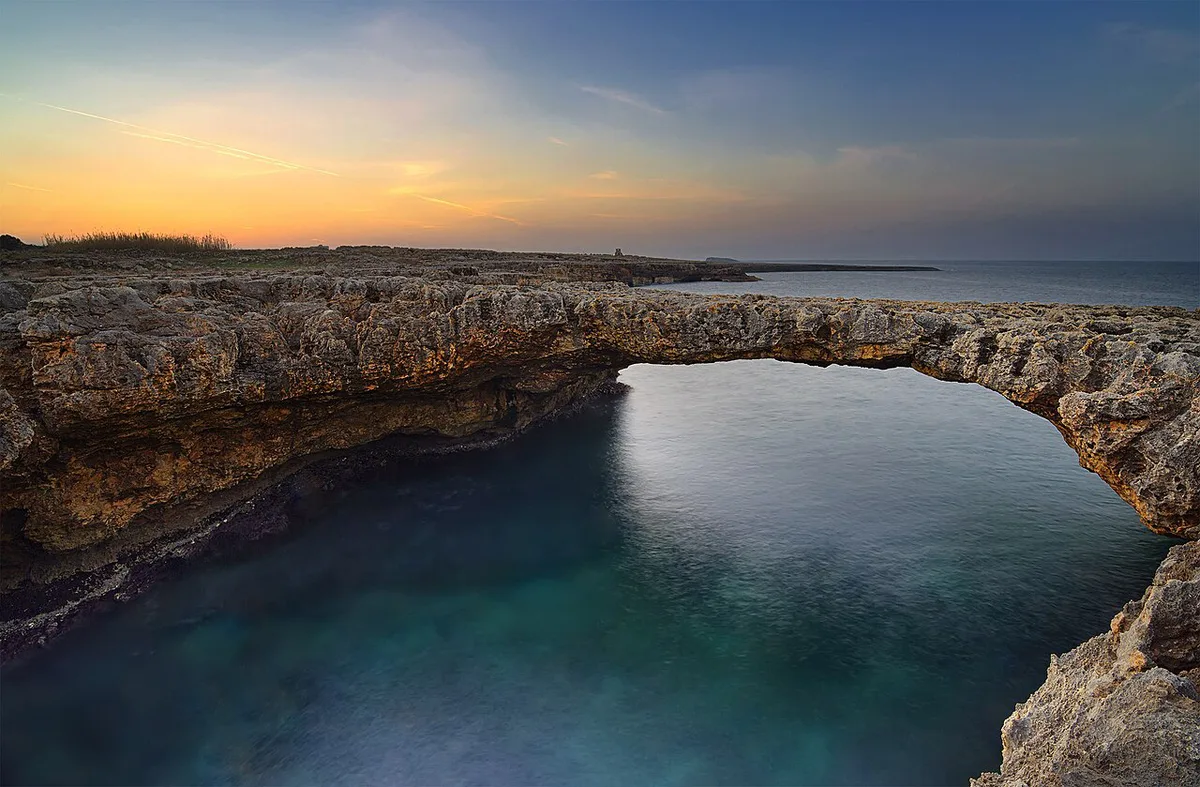
Featured image: Acquario51, CC BY-SA 4.0, via Wikimedia Commons.
Short answer: does Europe have cenotes?
No, not under that name. A cenote is a sinkhole where limestone has collapsed and exposed groundwater. The word comes from the Yucatán Peninsula in Mexico, and it describes a local landscape. Europe has the same kind of rock in many regions. What it lacks is the warm, clear, open-to-the-sky swimming hole that travelers picture when they search for the term. Treat any European site sold as a "cenote" as cenote-style at best. Rules, water temperature and access are all different here.
What makes a cenote, and what Europe has instead
Cenotes form when water dissolves limestone and the roof of a cave or chamber falls in. Europe's limestone regions follow the same logic, but the results look different. You find cave lakes under partly collapsed roofs, springs where underground rivers surface, and caves cut by the sea. Waves carve the last type, and our explainer on How Are Sea Caves Formed? Rock, Waves and Tide Safety covers that process. Water in Europe is generally colder than in Mexico. Plan for wetsuit conditions or a short dip rather than a long swim.
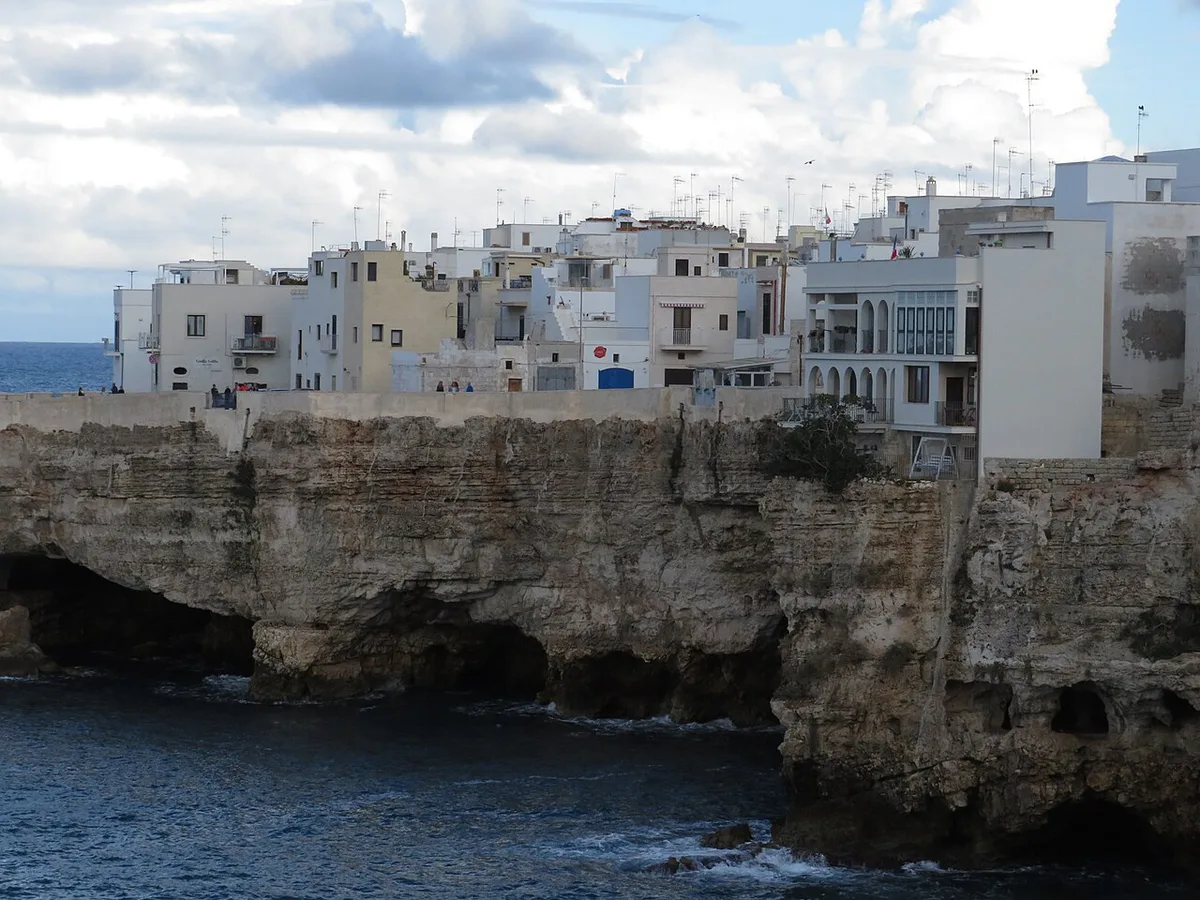
Closest European equivalents, by type
Group the options by what you can actually do there. Each type has its own access rules, so match the site to your plans before you travel.
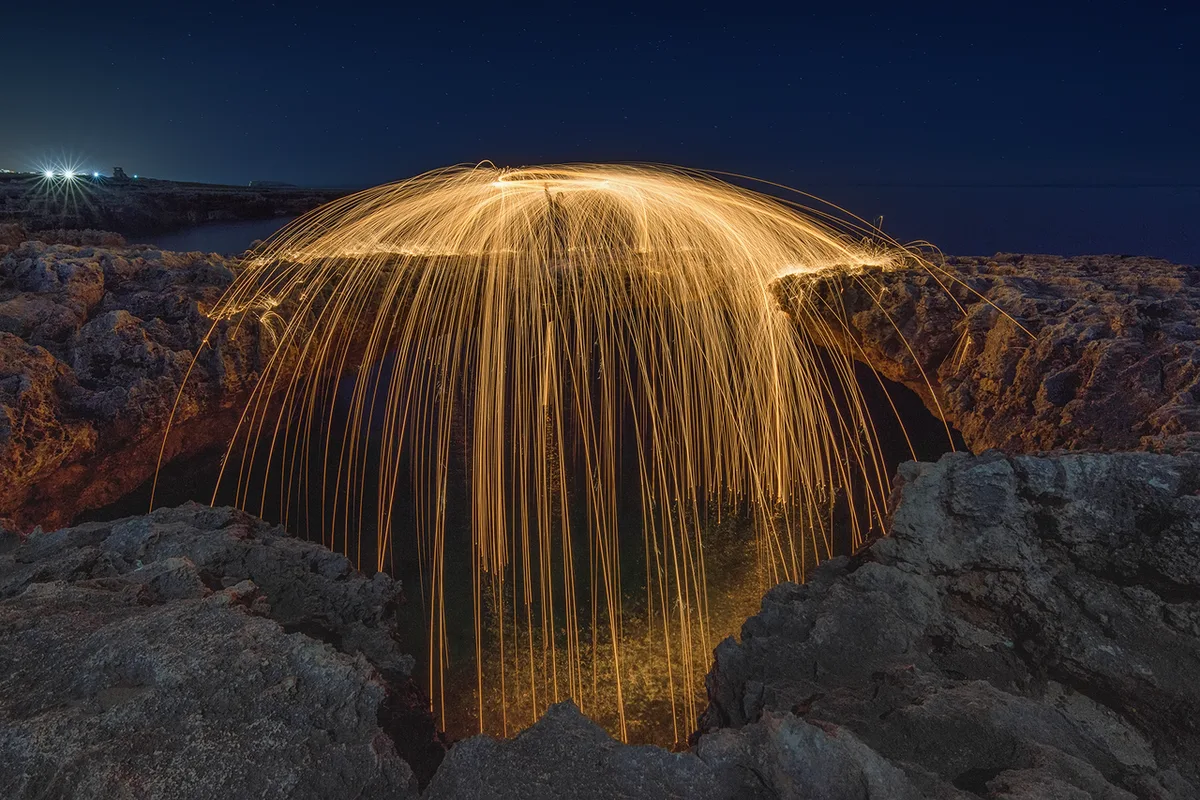
- Cave lakes with boat access: Melissani on Kefalonia is a cave lake you visit by boat. Visit Greece's Kefalonia page is the place to start for current access. Treat it as look, don't swim. It is the closest European match to a cenote's open-roof look: part of the chamber roof collapsed, so daylight reaches the lake and turns the water turquoise, and the boat ride lasts about 15 minutes.
- Sea caves you view from the water: the Blue Caves of Zakynthos run along the north-west coast near Cape Skinari. Boats can enter some of them, while others suit only strong swimmers and divers. A shared cruise from Agios Nikolaos takes 2.5 to 3 hours on the water, with fares from €30 per person.
- Sea caves on warm coasts: Capri in Italy and the Algarve in Portugal both have sea caves reached by boat, and on Capri the Green Grotto is a sea cave on the southwest coast with no walking route, so you see its emerald water from a boat. Visit Portugal's Algarve page introduces the region.
- Sea caves for swimmers and paddlers: our guide to sea caves in Europe lists more coastal options.
- Flooded caves: these are technical diving sites. They are not a tourist activity and are not covered here as swim spots.
Cenotes vs European options: comparison
Use this table to compare expectations. Levels are relative and editorial, not measured.
| Feature | Yucatán cenote | European cave lake or sea cave |
|---|---|---|
| Water temperature | Warm | Cold to cool |
| Clarity | Often very clear | Varies with weather and sea state |
| Swimming | Commonly allowed | Often restricted or guided only |
| Access | Short walk or steps | Boat, tour or paddle |
| Crowding | Mid to high | Mid, peaks in summer |
| Best for | Open swimming | Viewing, paddling, short dips |
Can you actually swim or dive?
It depends on the site, and the rule can change by season or sea state. Many European caves are protected or run by operators who set the terms. Some tours allow a dip, while others keep you in the boat. Our guide to cave swimming in Europe sorts the swim-friendly spots from the look-only ones. Cave diving needs specific training and certification. Do not enter a flooded cave without it. Follow the operator's instructions, and skip any swim in rough water.
How to plan a visit
Pick the type first, then the country. Summer gives the calmest seas for boat trips and the warmest water. Book boat tours ahead in peak months, and check the official tourism site for current access. If you prefer to move under your own power, our sea cave kayaking guide covers paddle routes. For a Portuguese coast option, read about Sea Caves in Portugal: Algarve Access, Tours and Timing. Prices and hours were checked November 2026 against official pages, but operators change schedules, so confirm on the day.
Mistakes to avoid
A few assumptions cause most disappointments.
- Assuming you can swim everywhere. Many sites are look-only.
- Skipping the booking in summer, when boats fill early.
- Underestimating the cold. European cave water is not Yucatán-warm.
- Confusing sea caves with sinkholes. They form differently and have different rules.
- Treating flooded-cave diving as a casual activity. It requires training.
Notes for your next trip underground
Optional updates when we add or revise cave and underground guides.
More guides
More guides you'll find useful