Crystal Caves in Europe: Where to See Them
Where Europe's crystal caves are, which crystals you will actually see, and how to pick by access, season, and photography rules.
Last updated November 2026. A crystal cave in Europe is almost always a show cave with calcite, aragonite or gypsum formations, not a chamber of giant crystals like Naica in Mexico. Looking for the Wisconsin attraction? This guide covers Europe only. Use it with our guide to caves in Europe to choose by crystal type, access and season.
Featured image: Kathy Drouin, CC BY-SA 2.0, via Flickr.
Crystal Caves in Europe: What You'll Actually See
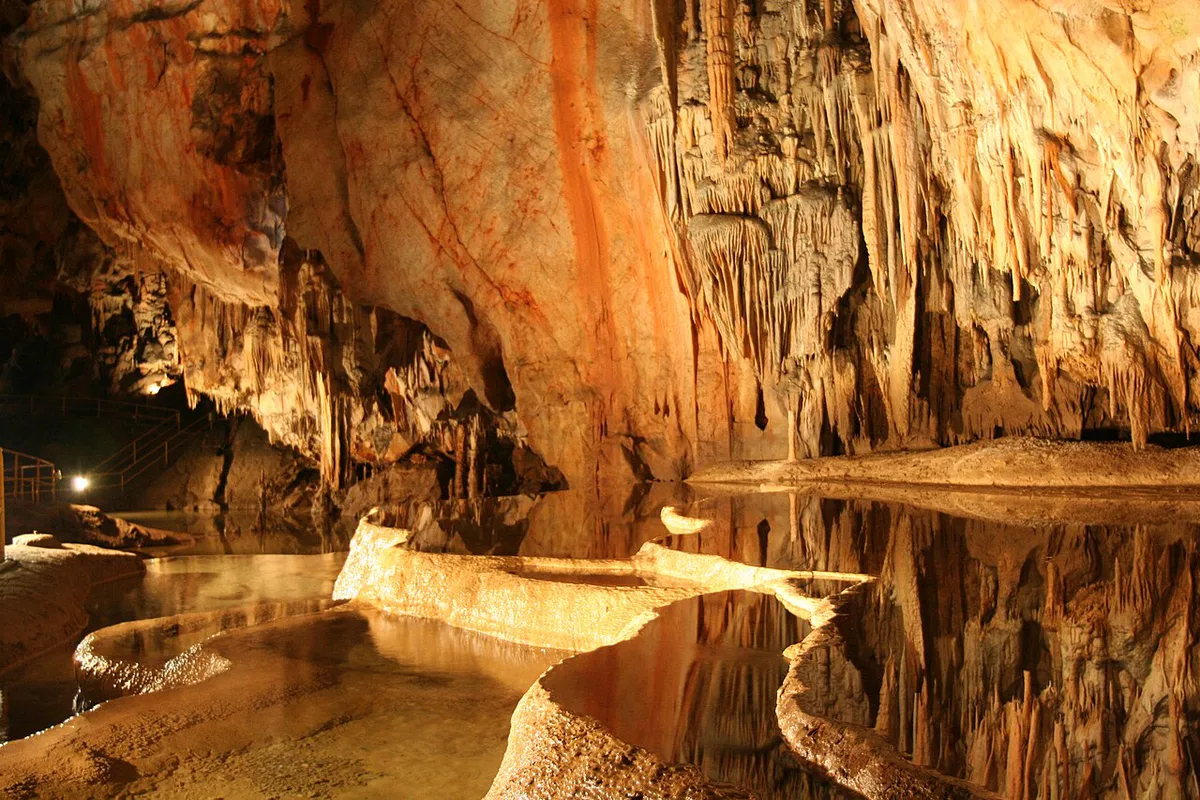
Europe's crystal caves deliver glitter, not gemstones. Calcite coats stalactites and stalagmites in a sugary sparkle. Aragonite grows as needles and branching shapes. Gypsum forms translucent blades and crusts. Our stalactite and stalagmite explainer covers the basic formations, and the table below shows where to find the crystal types.
- Calcite: the common sparkle on most show-cave formations.
- Aragonite: delicate needles and clusters, rarer than calcite.
- Helictites: thin twisting growths that ignore gravity.
- Gypsum: pale crystal blades, found in a few gypsum caves.
Why Europe's Cave Crystals Stay Small
Cave crystal size depends on how quickly the crystals grew and how stable the conditions were while they did. Most European show caves are cool, damp limestone systems where mineral-rich water drips slowly. That setting builds fine, glittering coatings, not metre-long beams.
How the three main crystal types form
- Calcite: water seeps through limestone, picks up dissolved calcium carbonate, then loses carbon dioxide as it enters the cave air. The mineral is left behind as a crust. This is the glitter on most stalactites and stalagmites.
- Aragonite: it has the same chemistry as calcite but a different crystal structure. It tends to form where water carries other minerals such as magnesium, or where conditions shift. The result is needles, clusters and branching shapes, which is why aragonite caves look more delicate.
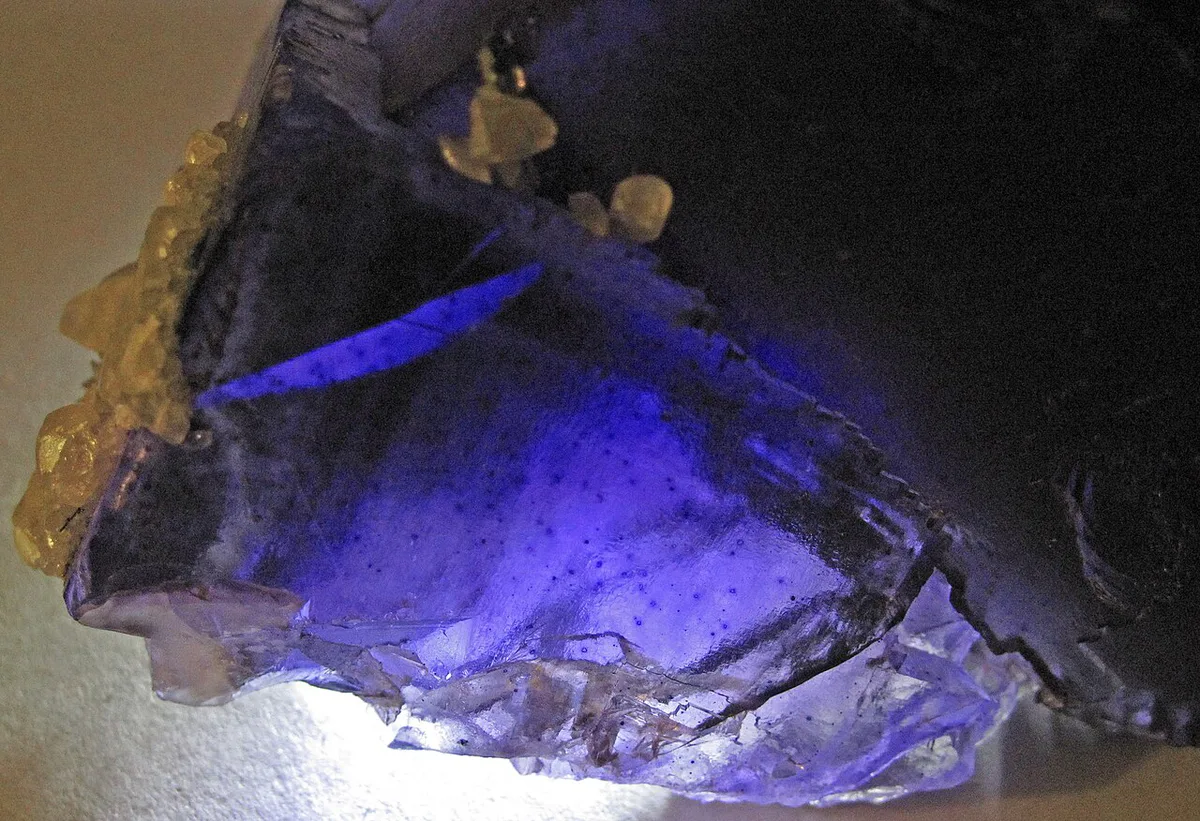
- Gypsum: it forms from sulphate-rich water, often in or near gypsum rock or mineral veins. Under stable conditions it can grow into pale blades or large translucent crystals, as in the Pulpí Geode.
The giant-crystal exception
The oversized crystals in photographs usually come from Naica in Mexico. There, gypsum beams grew over a very long time in hot, flooded chambers. The cave is not a normal visitor attraction and is closed to the public. Europe has nothing comparable that you can walk into. The Pulpí Geode is the nearest equivalent. It is a gypsum-lined cavity with large crystals, and it comes with the restricted access noted in the table above.
For a trip, this means you should pick a cave for its crystal type and tour atmosphere, not for crystal size. If frozen formations appeal more than mineral ones, our guide to ice caves in Europe covers the other kind of sparkling cave.
Quick Comparison: Europe's Crystal Caves
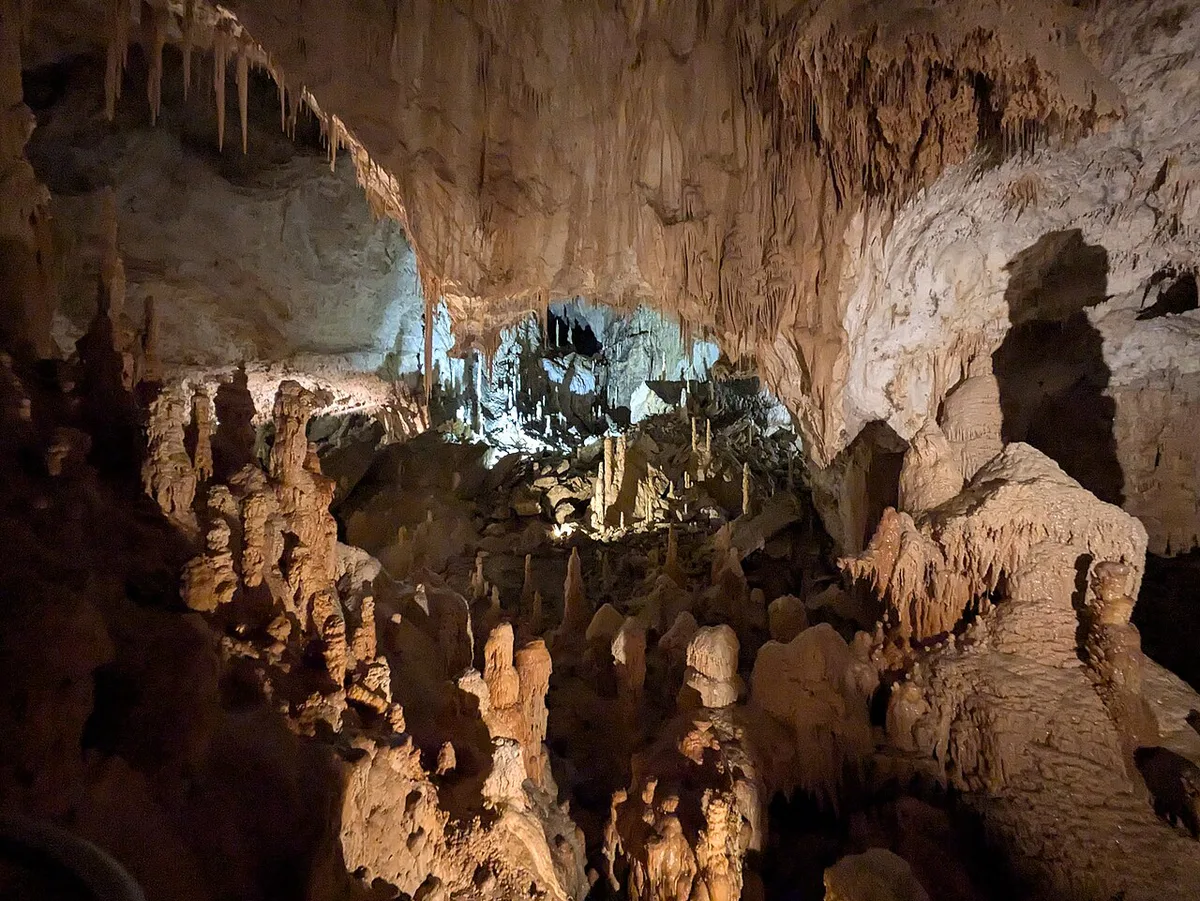
Treat this table as a starting shortlist. Hours, tickets and access rules change, so check each official page before you book.
| Cave | Country | Crystal type | Access | Booking |
|---|---|---|---|---|
| Ochtinská Aragonite Cave | Slovakia | Aragonite | Show cave | See the Slovak Caves Administration |
| Cueva de El Soplao | Spain | Aragonite and helictites | Show cave | Advance booking sensible in summer |
| Pulpí Geode | Spain | Gypsum crystals | Restricted; access limited | Check locally |
| Grotte di Frasassi | Italy | Calcite formations | Show cave | See the official site |
The Caves, One by One
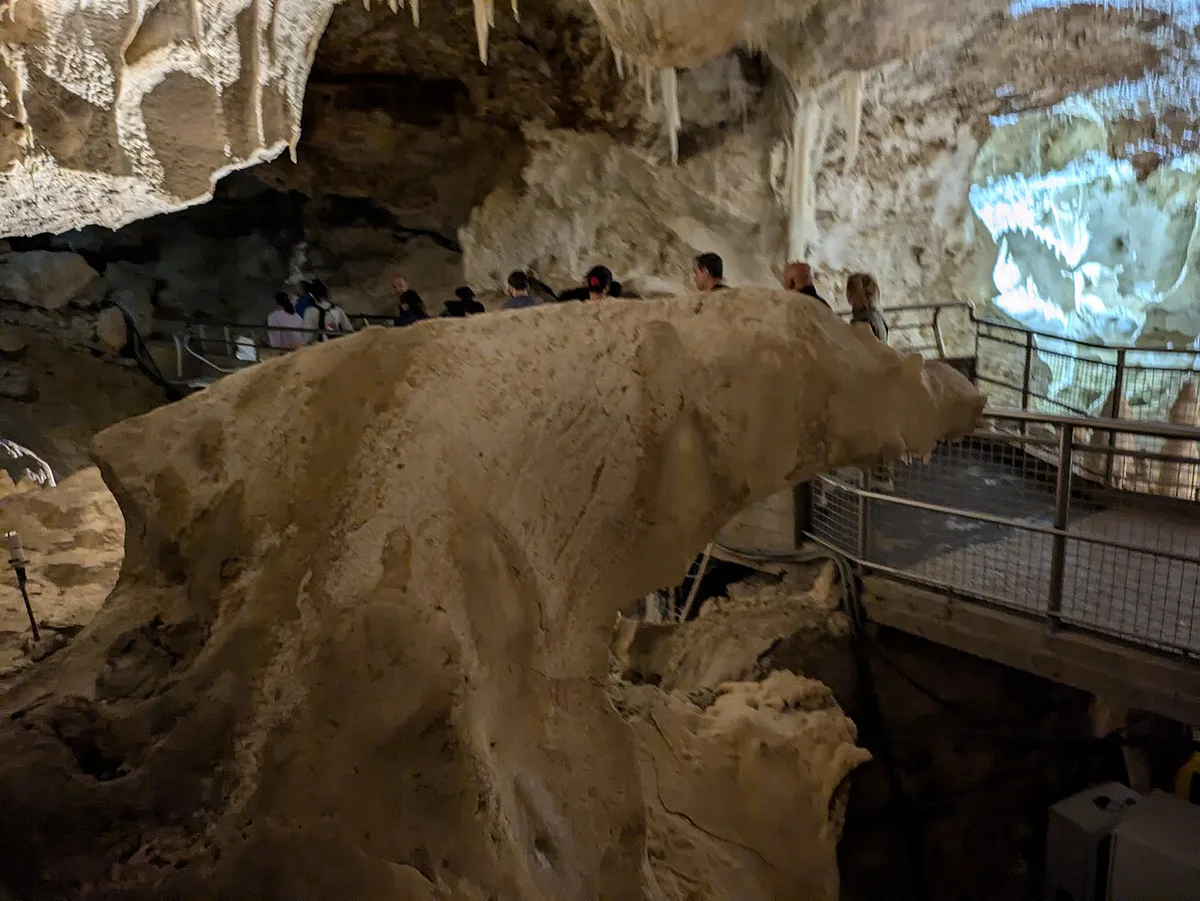
Each cave suits a different reader. Pick the formation you most want to see, then weigh the practical limits.
- Ochtinská Aragonite Cave, Slovakia: the clearest choice if aragonite is your goal. Tours run through the Slovak Caves Administration, so start there for opening times.
- Cueva de El Soplao, Spain: known for aragonite and helictites. It suits visitors who prefer delicate, unusual shapes over large columns.
- Pulpí Geode, Spain: a gypsum geode with large crystals. Access is limited, so visiting rules limit how far you can plan a trip around it.
- Grotte di Frasassi, Italy: large chambers with calcite formations. Visit details are on the Frasassi official site.
How to Choose: Show Cave or Restricted Cave
Show caves have lit paths, guides and fixed tour times. Restricted or wild caves offer rawer crystal scenery but need permits, groups or gear. Our show cave and wild cave comparison explains the trade-offs. Readers who want a rougher trip should read about Caving in Europe: Show Caves vs Real Caving Guide. Weigh stairs, mobility limits, minimum age and pushchair rules before you commit.
This shortlist contains 4 caves across 3 countries. Of those four, only the Pulpí Geode is listed as restricted, so three of the shortlist are show caves.
Planning: Season, Booking and Transport
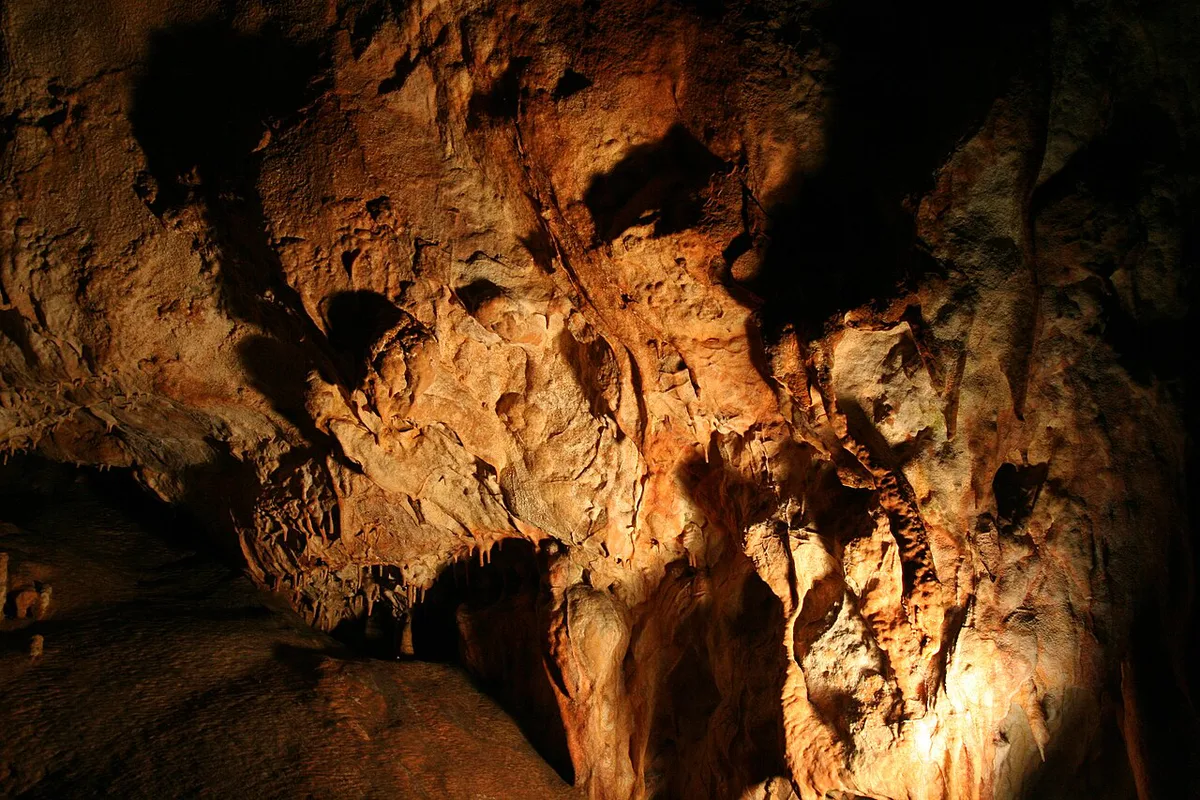
Summer brings the longest queues, so book ahead or choose a shoulder-season day. Some caves close in winter to protect hibernating bats, as explained in our bat and cave guide. Check last-entry times, since late arrivals are turned away. Several caves pair well with water features, such as the underground lakes of Europe. For a different format, see the cave boat tours.
What to Wear and Photography Rules
Caves stay cool and damp year-round. Our cave temperature guide explains why. Wear layers and grippy shoes, because floors are often wet. Our cave clothing guide has the full kit list. Rules on flash, tripods and drones differ by cave, so read each official page before you pack a camera.
Mistakes to Avoid
A few errors spoil crystal-cave trips.
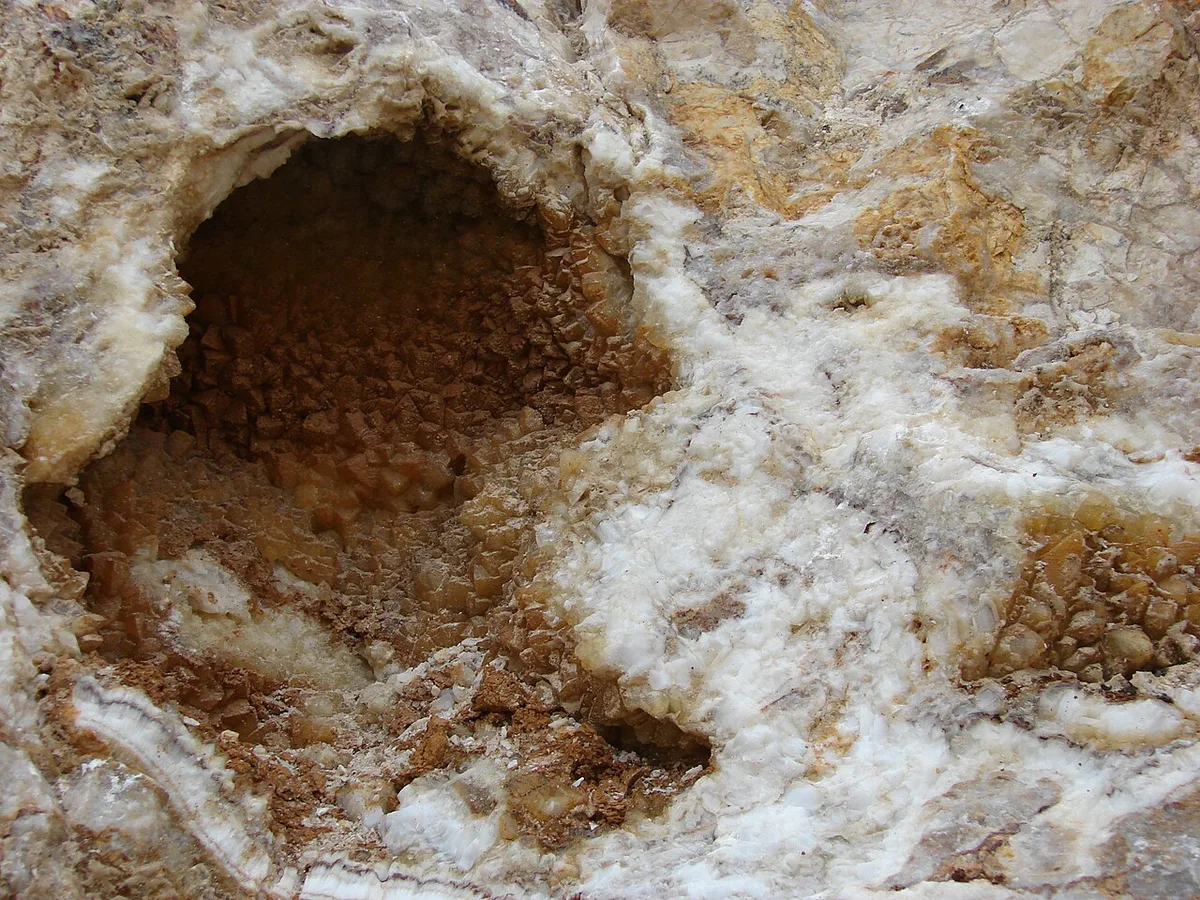
- Expecting giant crystals: most European show caves offer sparkle and needles.
- Skipping booking in peak summer.
- Underdressing for the cool, damp air.
- Assuming a restricted cave, such as the Pulpí Geode, is open to walk-in visitors.
Questions to Check Before You Book a Crystal Cave
Crystal caves are visited for their formations, so small practical details shape the day more than the name on the ticket. Put these questions to the cave's official page before you pay.
- Stairs and mobility: how many steps does the route have, and is there a lift or an alternative path?
- Age and pushchairs: is there a minimum age, and can you take a pushchair underground?
- Total time: how long is the tour, and how long is the transfer from the nearest city?
- Photography: are tripods, flash and drones allowed, or banned?
- Season: does the cave close for part of the year, and what is the last entry time?
Cave air stays cool and damp, so even a short visit feels colder once you stand still for a guided talk. A layer you can add easily is better than a heavy coat. Remember that the glitter you came for is lit from a path, so expect to see crystals at a distance, not to touch them. Touching can damage the delicate needles and blades that make these caves worth visiting.
Plan Around One Country or Region
A focused trip is easier than trying to connect every crystal cave in Europe. This shortlist contains 4 caves across 3 countries. Spain has 2 entries: Cueva de El Soplao for aragonite and helictites, and the Pulpí Geode for gypsum crystals.
That makes northern Spain or Almería a sensible choice when crystal formations are the main goal. Settle Pulpí access before fixing other arrangements, since it has restricted visiting rules. Slovakia offers Ochtinská Aragonite Cave for visitors who want to prioritise aragonite. Italy’s Grotte di Frasassi suits travellers seeking large calcite chambers.
Choose the cave first, then build nearby transport and accommodation around its official tour times. Check whether the final tour fits your arrival day. Leave room for a missed connection or a full summer departure. If you want variety, pair one cave visit with an underground lake or a cave boat tour elsewhere on the same trip.
Notes for your next trip underground
Optional updates when we add or revise cave and underground guides.
More guides
More guides you'll find useful