Rochemenier Troglodyte Village: Visit Guide & Tips
A practical guide to Rochemenier, the troglodyte farm village near Doué-la-Fontaine: what you see, how long to allow, and how it compares with other Loire cave sites.
Last updated November 2026: Rochemenier is a troglodyte farm village in the commune of Louresse-Rochemenier, Maine-et-Loire, roughly 10 minutes by car from Doué-la-Fontaine. Homes, stables and a chapel are dug into falun rock around open courtyards, and you walk through them on a village museum visit. Our guide to Troglodyte Villages in France: Where to Go and How to Choose places it among the other cave sites of the region.
Featured image: BrokenSphere, CC BY-SA 3.0, via Wikimedia Commons.
What you actually see on the visit
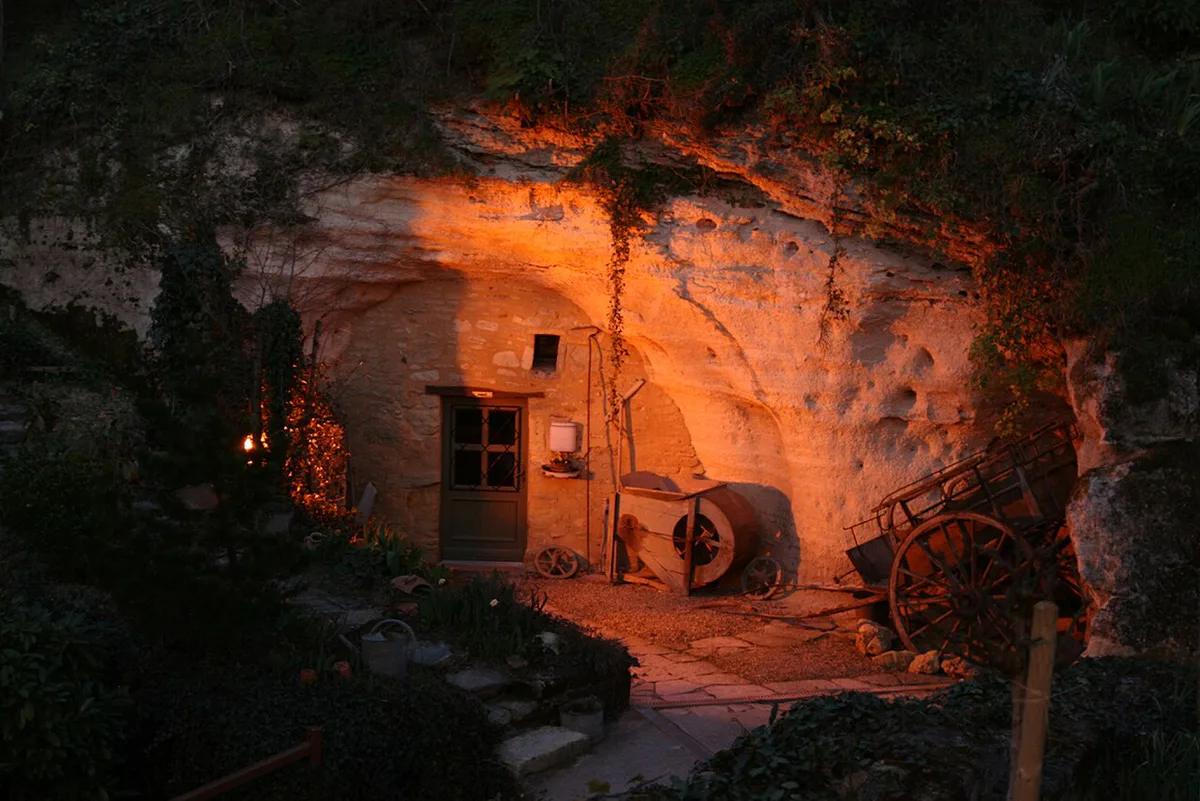
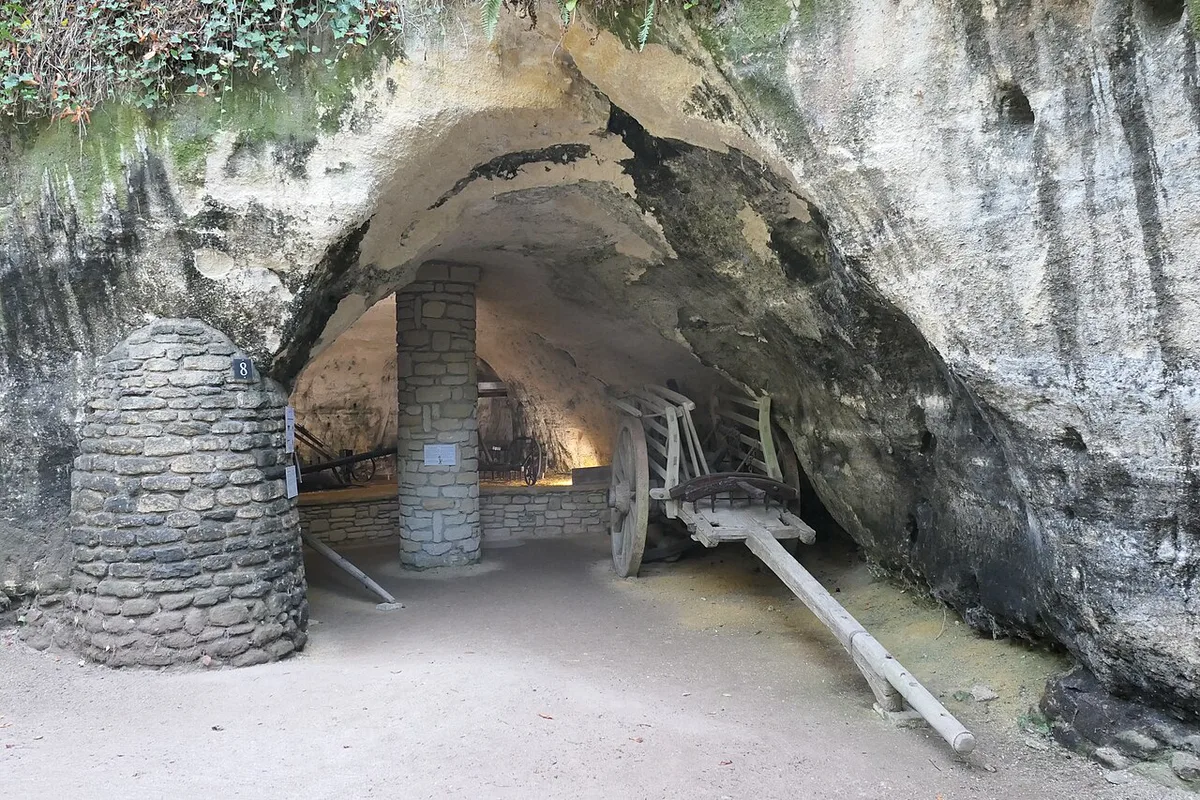
Rochemenier sits on a plain, not on a hillside. Medieval farmers dug each courtyard down like an open quarry in falun, a shell-rich sandstone. They then dug the rooms sideways around it. That layout is the clearest difference from cliff-face sites, where a facade is cut into a slope.
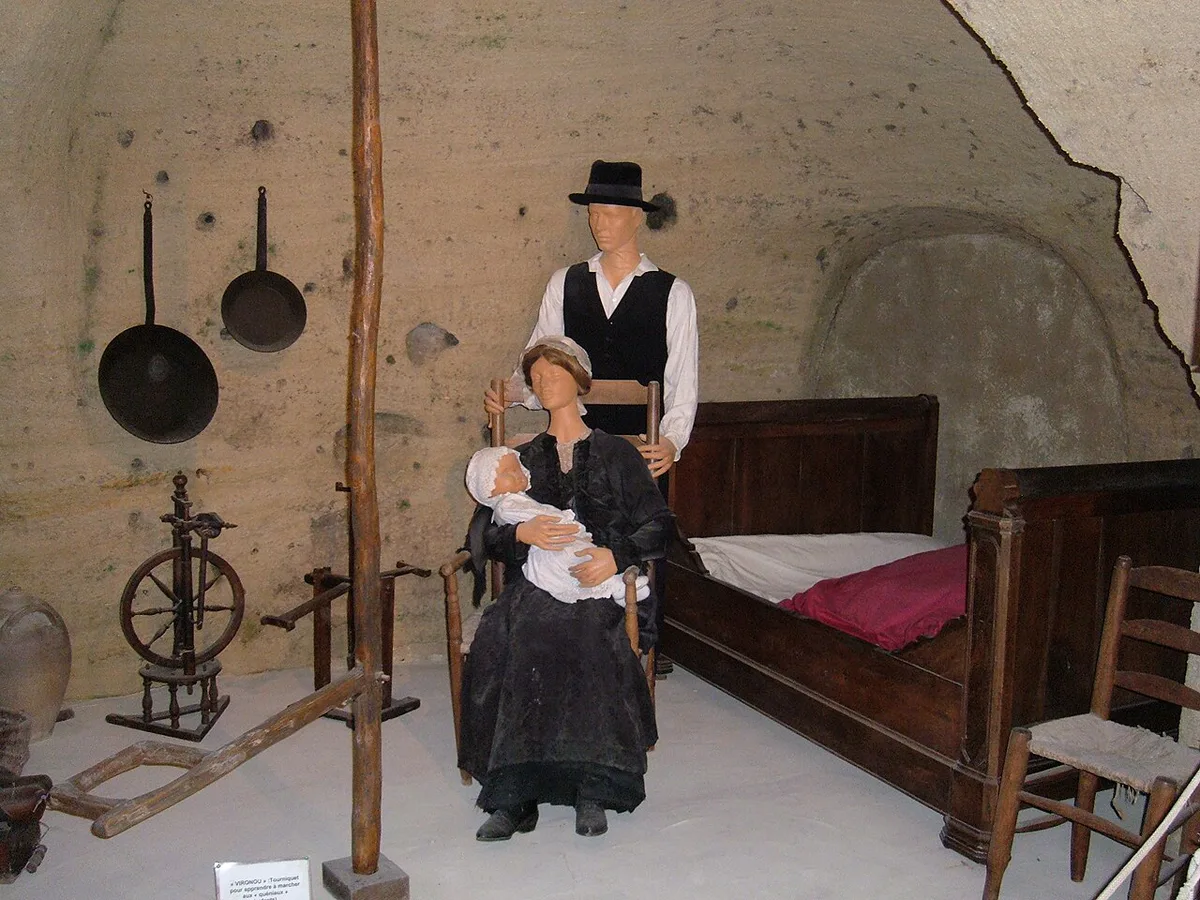
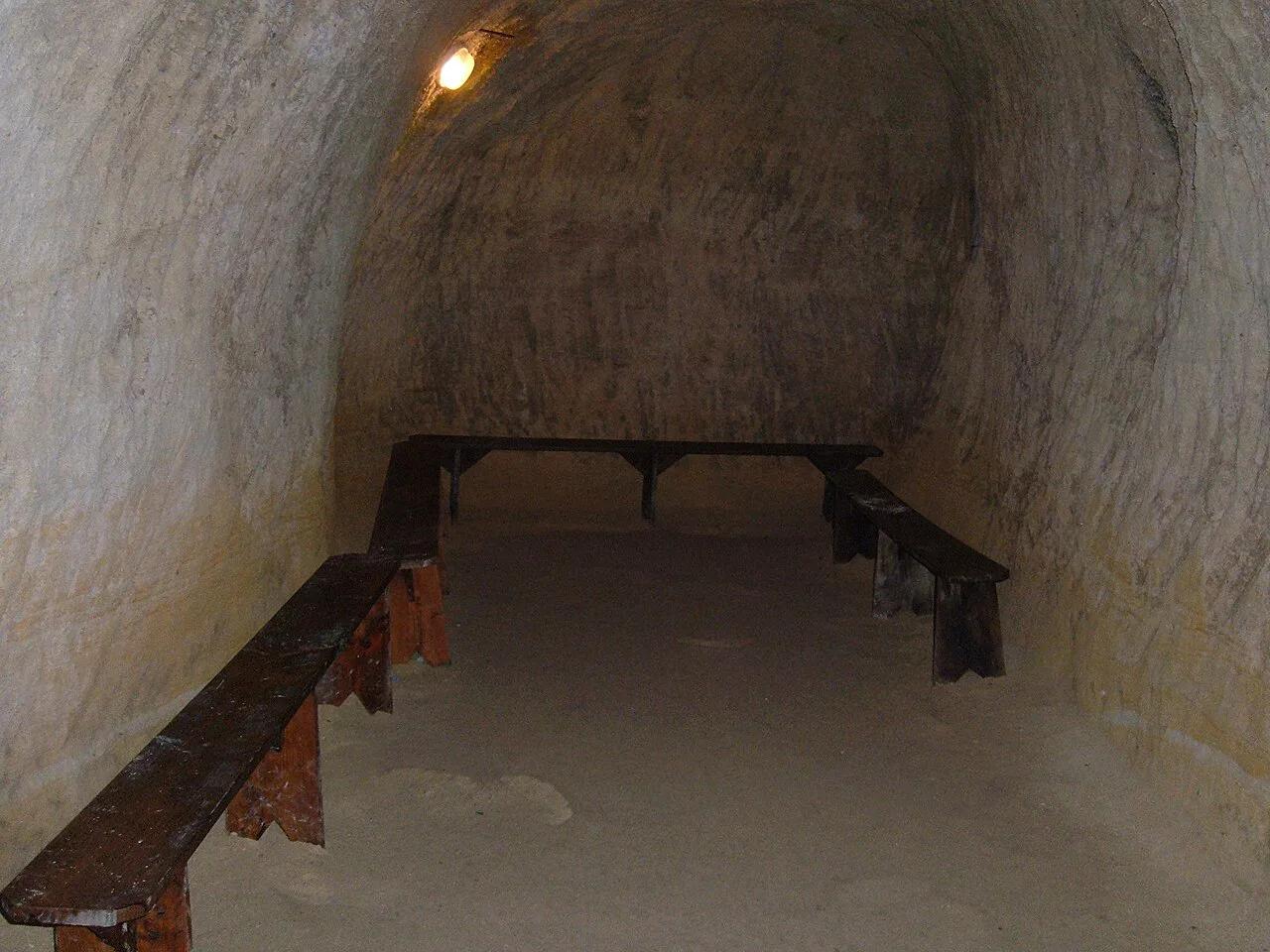
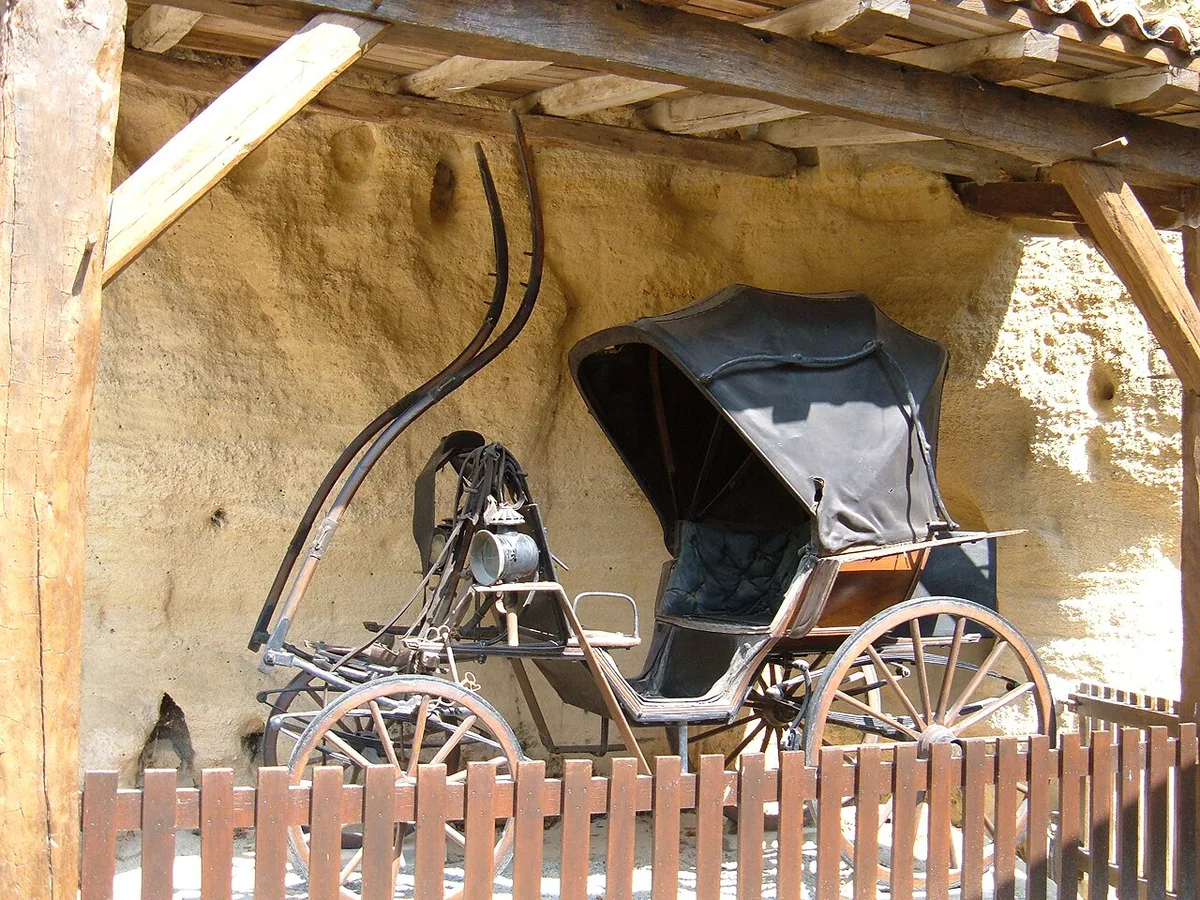
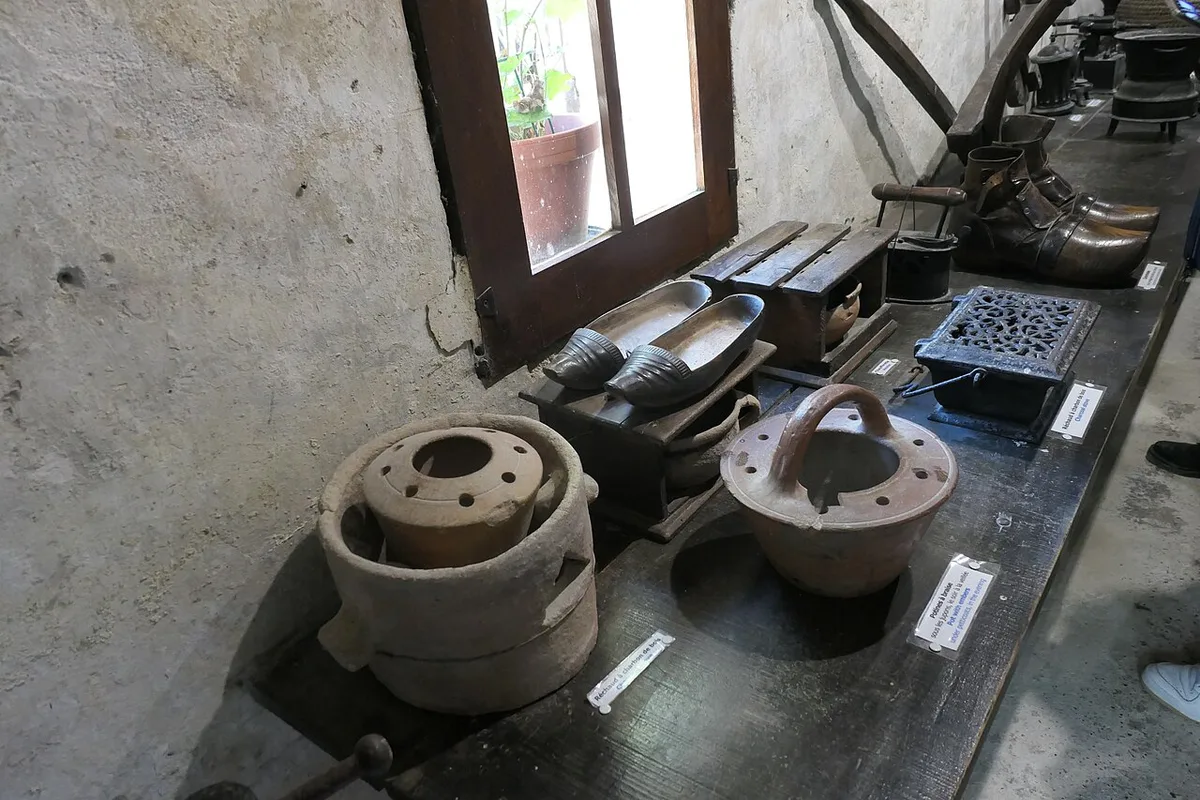
The visit covers 2 preserved farms out of about 40 in the original village. Together they hold more than 20 rooms spread over roughly 1 hectare. You pass bedrooms, communal rooms, stables, a farmyard, a wine press, a collection of tools and old furniture. A dug-out chapel is part of the route. The village has been open to visitors since 1964, according to local heritage listings, and the official village site is the place to confirm what is on display now.
Is Rochemenier worth visiting?
Yes, if you want to understand how a farming community lived underground into the mid-20th century. It suits families, history fans and anyone planning a rainy-day stop while based in Saumur or Angers. Rooms are cool even in summer, so the visit works as a break from heat as well.
Skip or shorten it in a few cases. Visitors with limited mobility should ask the village about stairs and uneven floors before booking a trip. People who dislike damp or enclosed spaces may find the rooms uncomfortable. If you only want a dramatic cliff-side photograph, head to the Loire riverbank sites instead, such as the cave streets of Turquant.
- Good for: families, rural-history fans, rainy days, visitors based in Saumur or Angers.
- Skip if: you have limited mobility, dislike damp spaces, or want a cliff-side view.
- Expect: a flat countryside setting with the dwellings below ground level.
Practical info: address, season, tickets and time needed
Prices and hours were last checked in November 2026 against older visitor reports, and the official site holds the current figures. Opening dates, daily hours, any lunch closure and ticket prices change from year to year, so read them on the official Rochemenier site before you set out. A 2016 visitor report described a season running from 1 February to 30 November, with reduced child tickets from age 6 and free entry for younger children. Treat that as a guide only.
Those more than 20 rooms spread over roughly 1 hectare fit within the 90 minutes to 2 hours allowed on site.
As a time budget, allow roughly 90 minutes to 2 hours on site. That is our estimate, not an official figure. It leaves room for a half-day pairing with a second stop nearby.
- Address: 14 Rue du Musée, 49700 Louresse-Rochemenier.
- Setting: about 1 hectare, 2 farms, 20+ rooms.
- Season, hours and tickets: read the current figures on the official site.
- Time needed: roughly 90 minutes to 2 hours (estimate).
Getting there and parking
A car is the practical choice, because the village sits in open countryside. Doué-la-Fontaine is roughly 10 minutes away. Angers and Saumur are each about 25 minutes, and Tours is about 1 hour 15 minutes. Those are approximate drive times, so run your exact start point through a routing tool.
No bus or train route to the door is documented here, so check with the Saumur tourism office if you plan to travel without a car. Look up parking arrangements on the official village site before you arrive.
How Rochemenier compares with other troglodyte sites
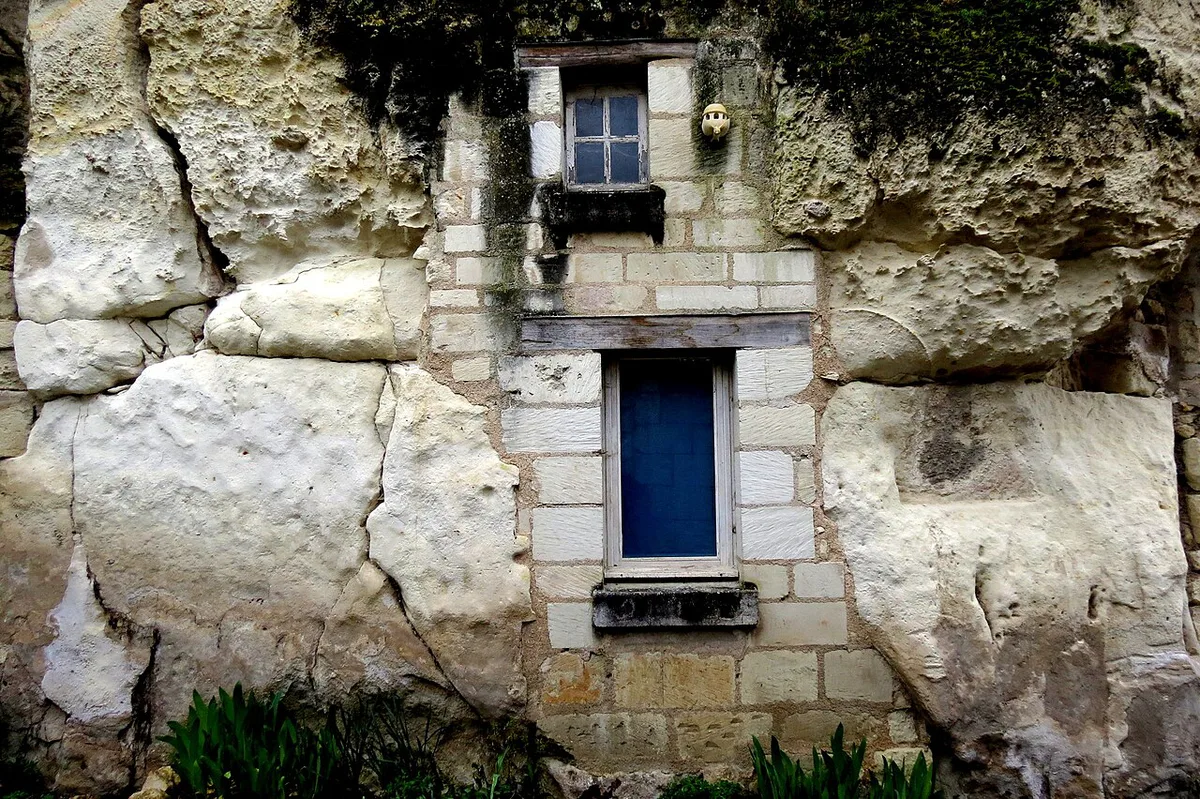
Loire cave sites differ mainly in how the rock was dug and what you can do inside. Rochemenier is a farm village dug down from courtyards. Saumur and Turquant are better known for cave frontages and tasting stops. Spain offers cave houses in a different climate and landscape.
| Site | Format | Best for |
|---|---|---|
| Rochemenier | Farm courtyards dug down, rooms around them | Rural life and a museum-style visit |
| Saumur caves | Caves in and around the town | Combining with a town stay |
| Turquant | Cave dwellings along the Loire | Short walks and cave frontages |
| Guadix, Spain | Inhabited cave houses on a hillside | A Spanish comparison |
Pair it with nearby stops
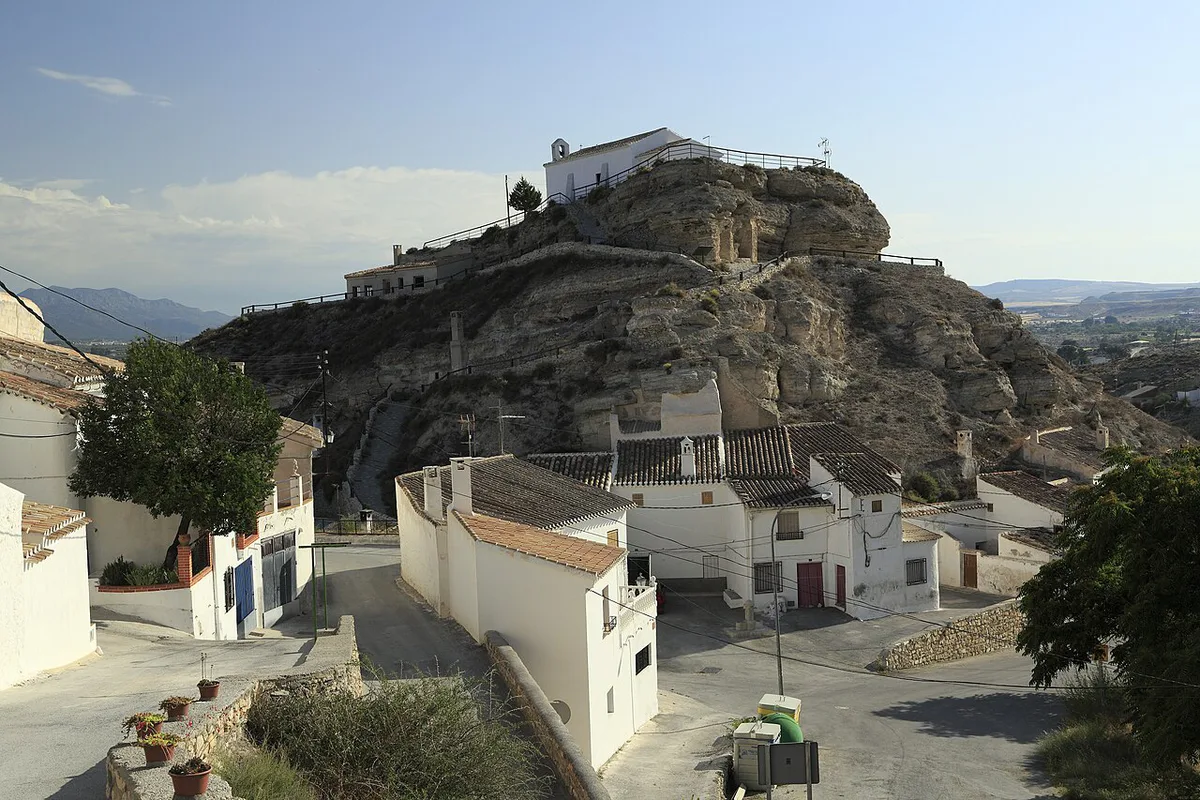
Rochemenier works best as half of a day. Doué-la-Fontaine is the obvious next stop, roughly 10 minutes away. Local listings also name Château de Tigné at about 10.6 km, the Gallo-Roman theatre at Gennes-Val-de-Loire at about 12.3 km, and Aubigné-sur-Layon at about 12.7 km. Those are straight-line distances, so expect longer drives.
For lunch or dinner, see our guide to cave restaurants in the Loire. Anyone who wants to sleep underground can start with cave hotels across Europe. For wider context, our overview of cave houses in Europe covers sites from Spain to Bulgaria.
Photos and what to bring
Bring a light jacket or fleece, because rooms stay cool and damp even in summer. The open courtyards and the dug-out chapel are the strongest subjects. Check the village's photography rules at the ticket desk, since tools and furniture displays may carry limits.
Older reports list the season as 1 February to 30 November, and the cool, damp rooms mean a fleece is worth packing.
If the chapel interests you, compare it with other underground sacred spaces in Cave Churches in Europe: Where to See Rock-Cut Churches.
Notes for your next trip underground
Optional updates when we add or revise cave and underground guides.
More guides
More guides you'll find useful