Bats In Caves: Why They Roost & Where To See Them
Why bats live in caves, what you can see by season, and how to visit European caves without disturbing roosting bats. Plain guidance for first-time visitors.
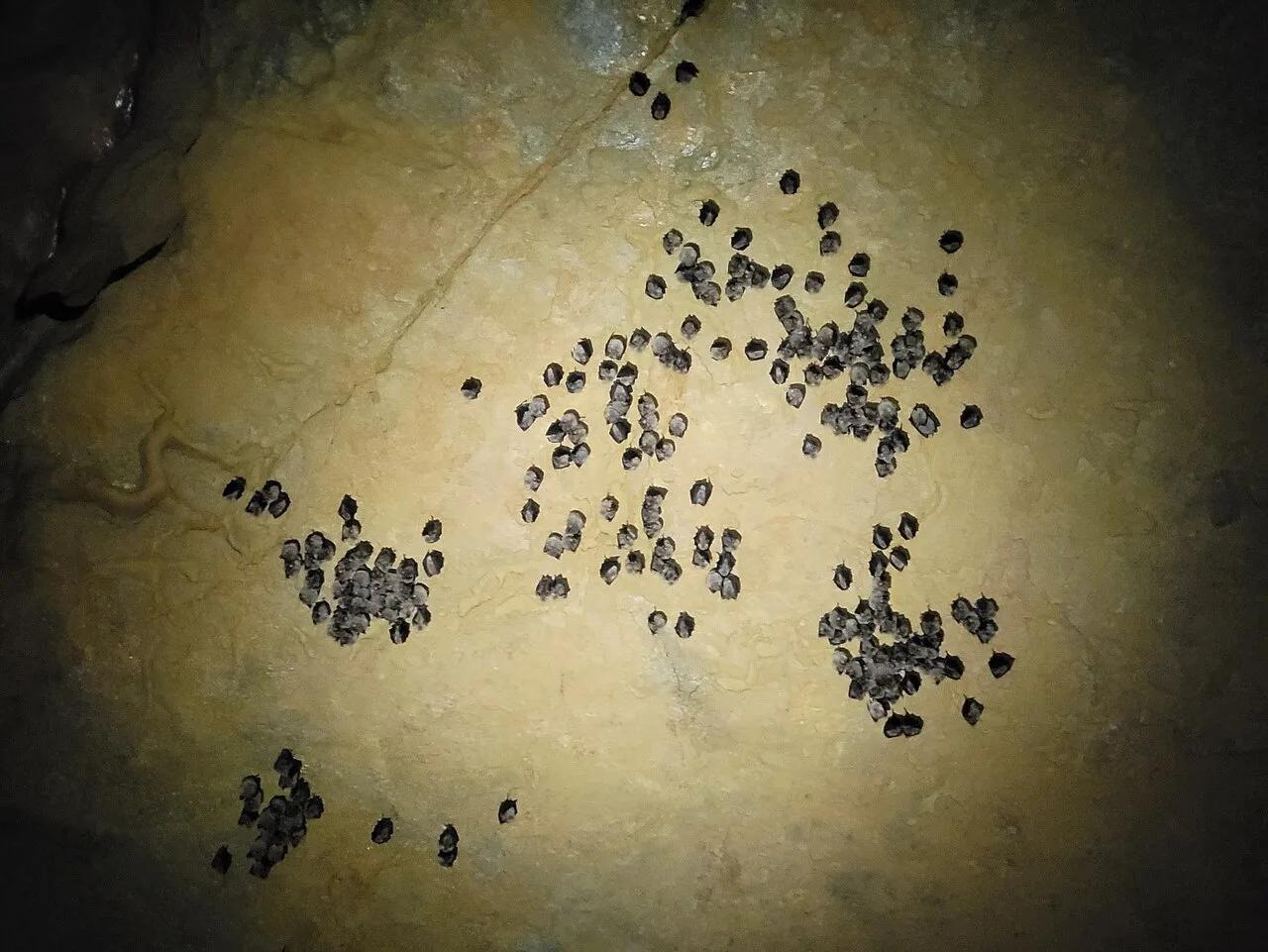
Last updated November 2026: bats in caves roost, hibernate and raise young there, but you will rarely see them on a European show-cave tour. Operators protect roosts, and some caves close to visitors in winter. What you can see depends on the season and on whether a cave is a show cave or a protected roost.
Featured image: Aja Zamolo, CC BY 4.0, via Wikimedia Commons.
Why Bats Live In Caves
Caves offer shelter that stays stable while the weather outside changes. Bats use that shelter in three main ways, and each one changes what a visitor might notice.
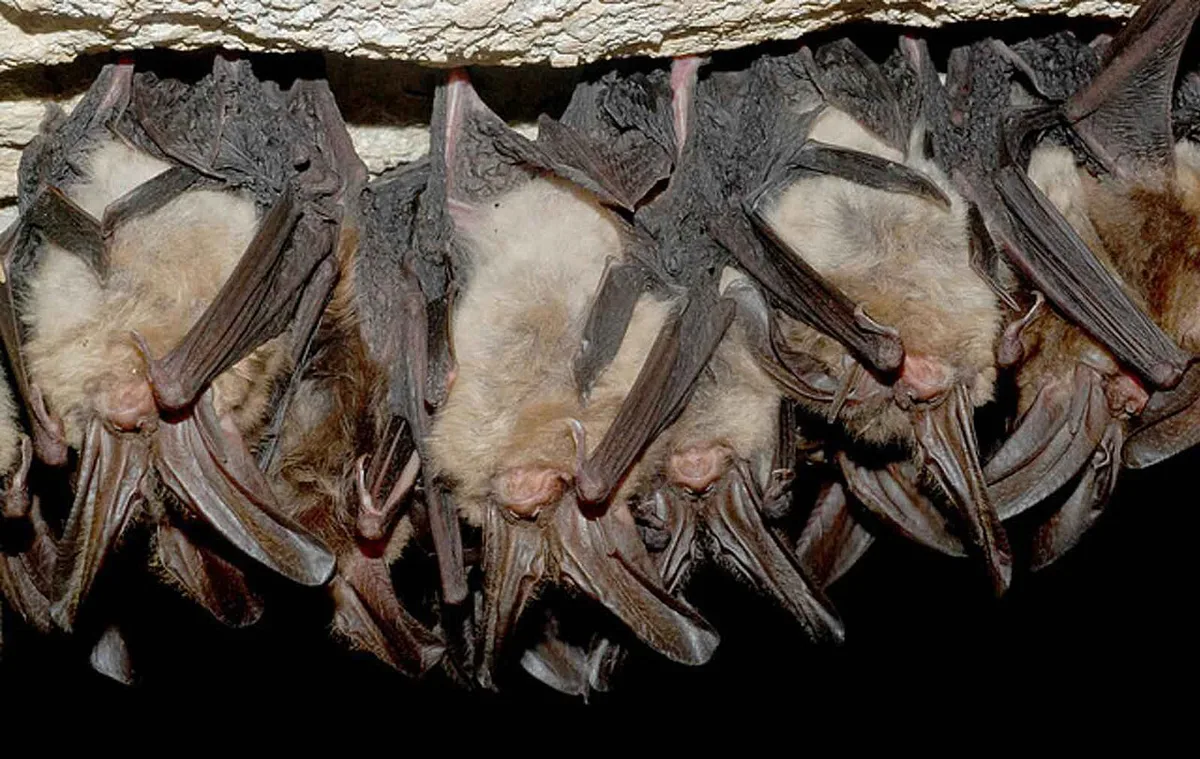
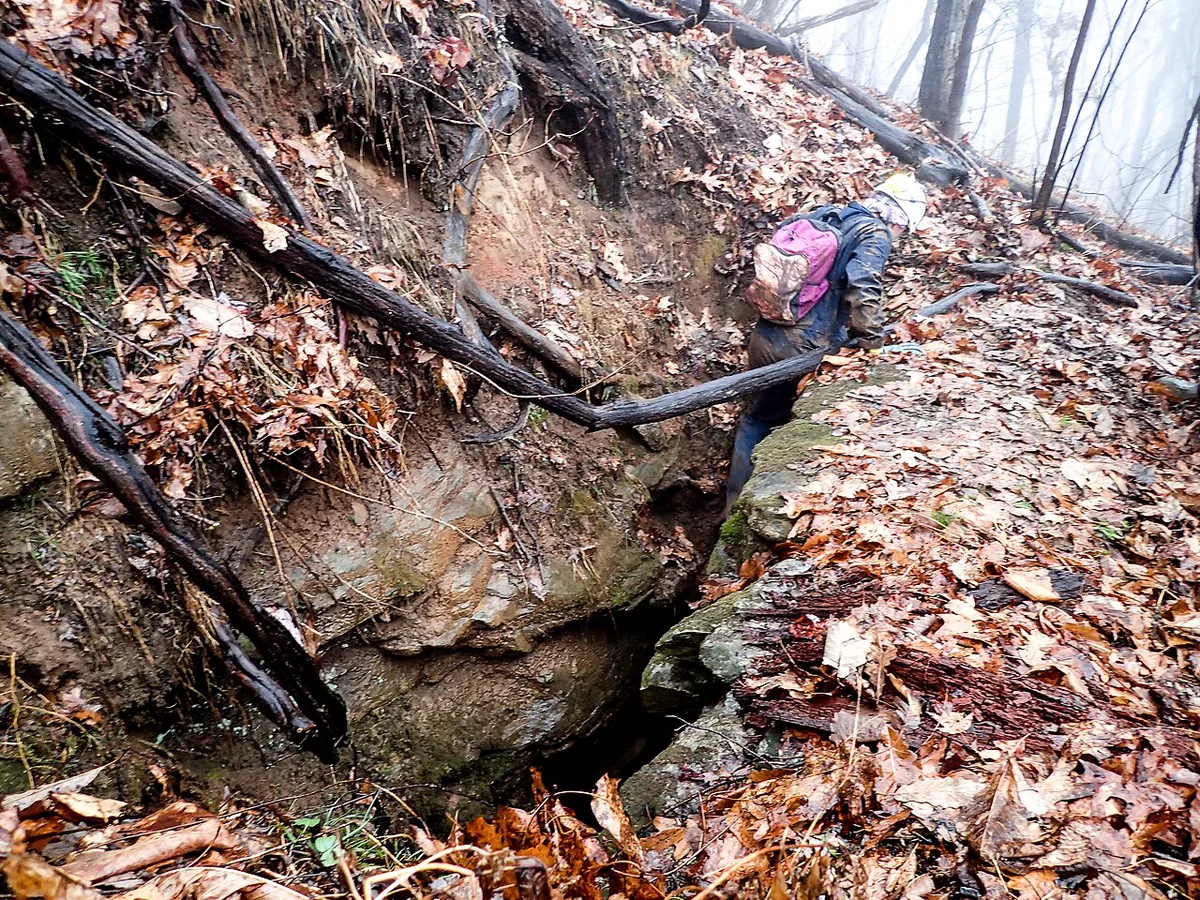
- Hibernation roost: bats settle in during winter and stay still to save energy. Waking them can be fatal.
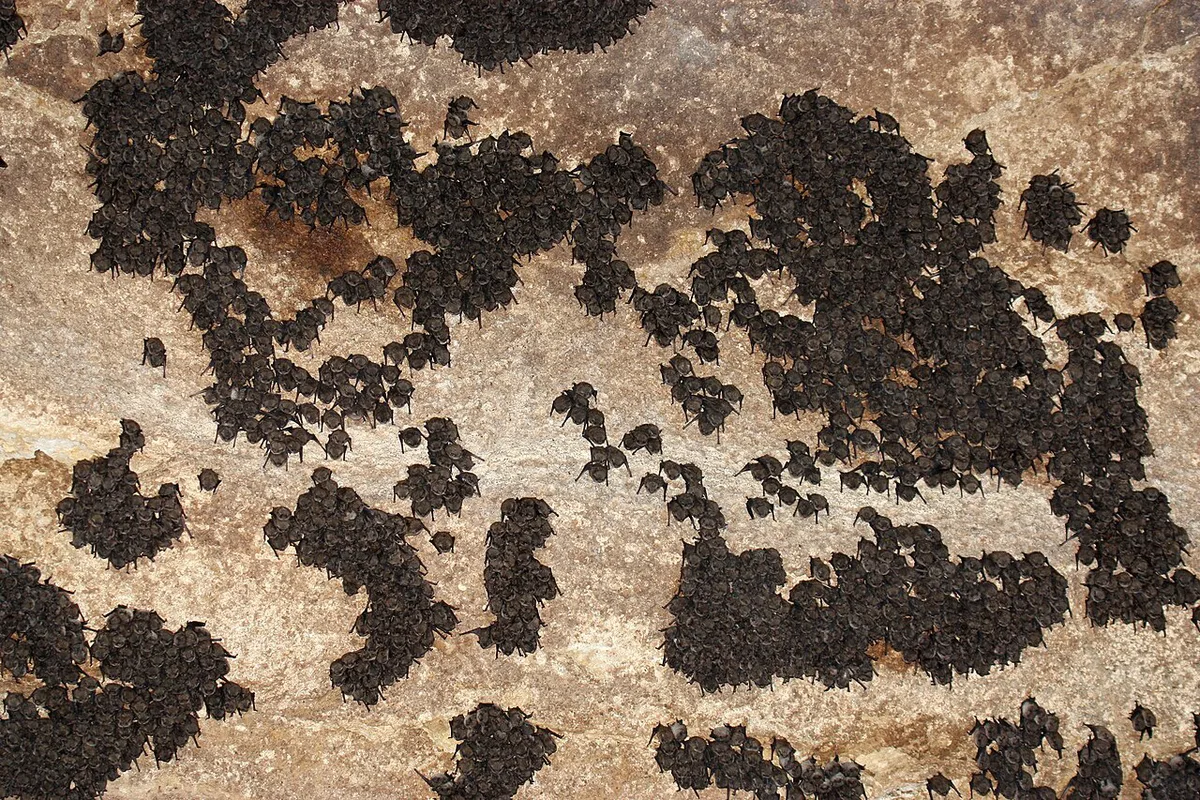
- Maternity roost: females gather in summer to give birth and raise young. These sites are especially sensitive.
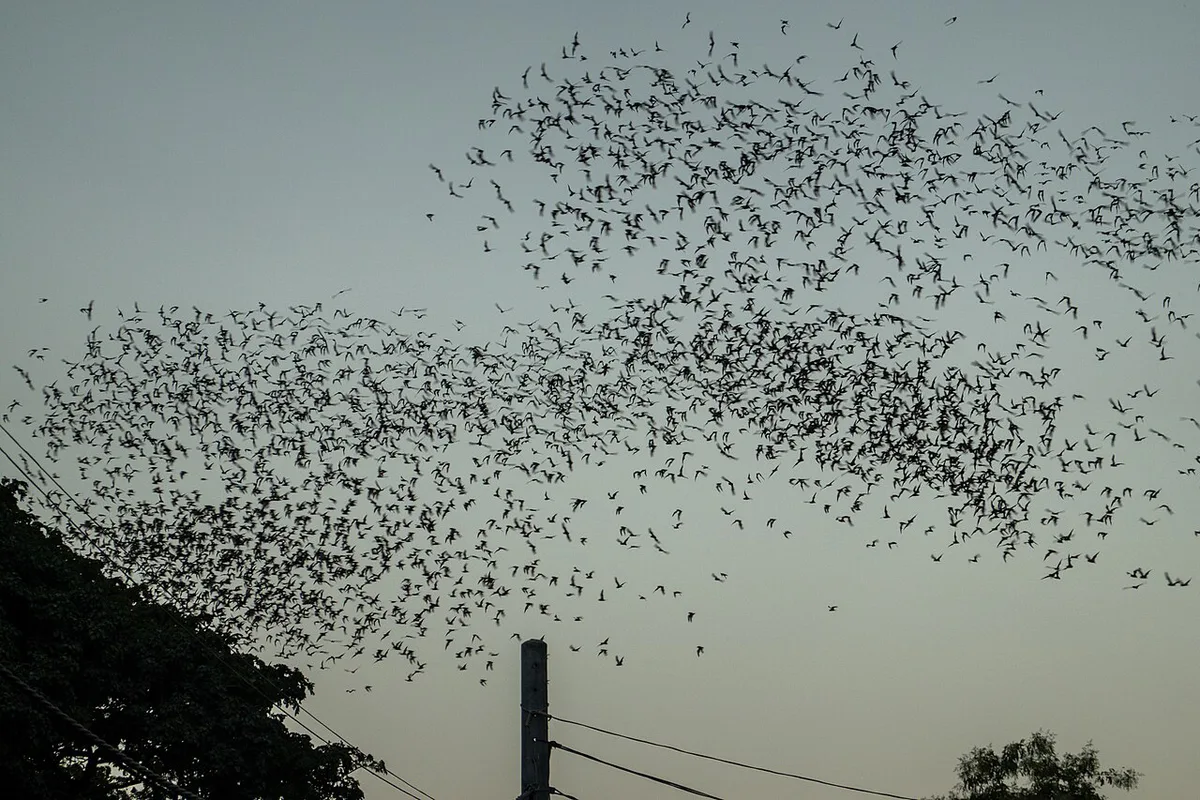
- Transit and swarming roost: bats pass through or circle at cave entrances in autumn, mainly around mating and the move to winter sites.
Bat Species You Might Meet In European Caves
Only a handful of European bats depend on caves, and knowing them helps you read what you are looking at if a guide points one out. Which species are present varies by region, so treat this as a general guide rather than a promise for any one site.
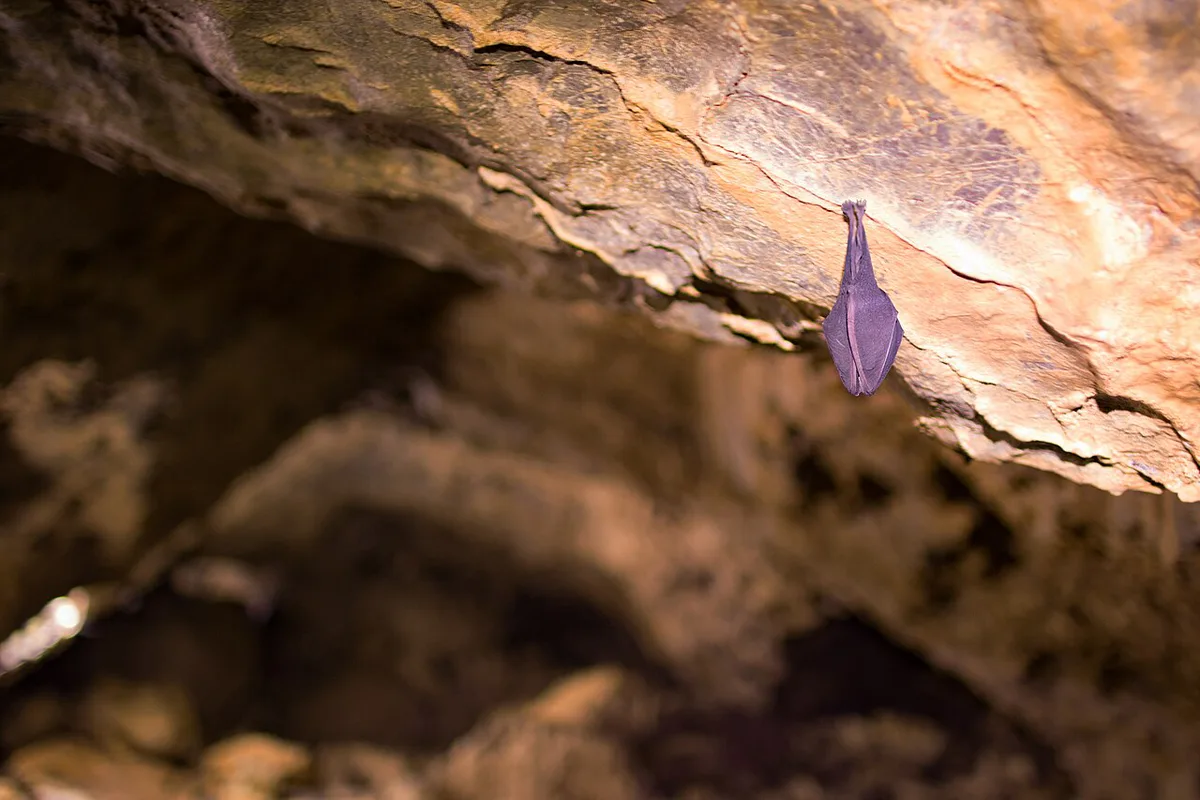
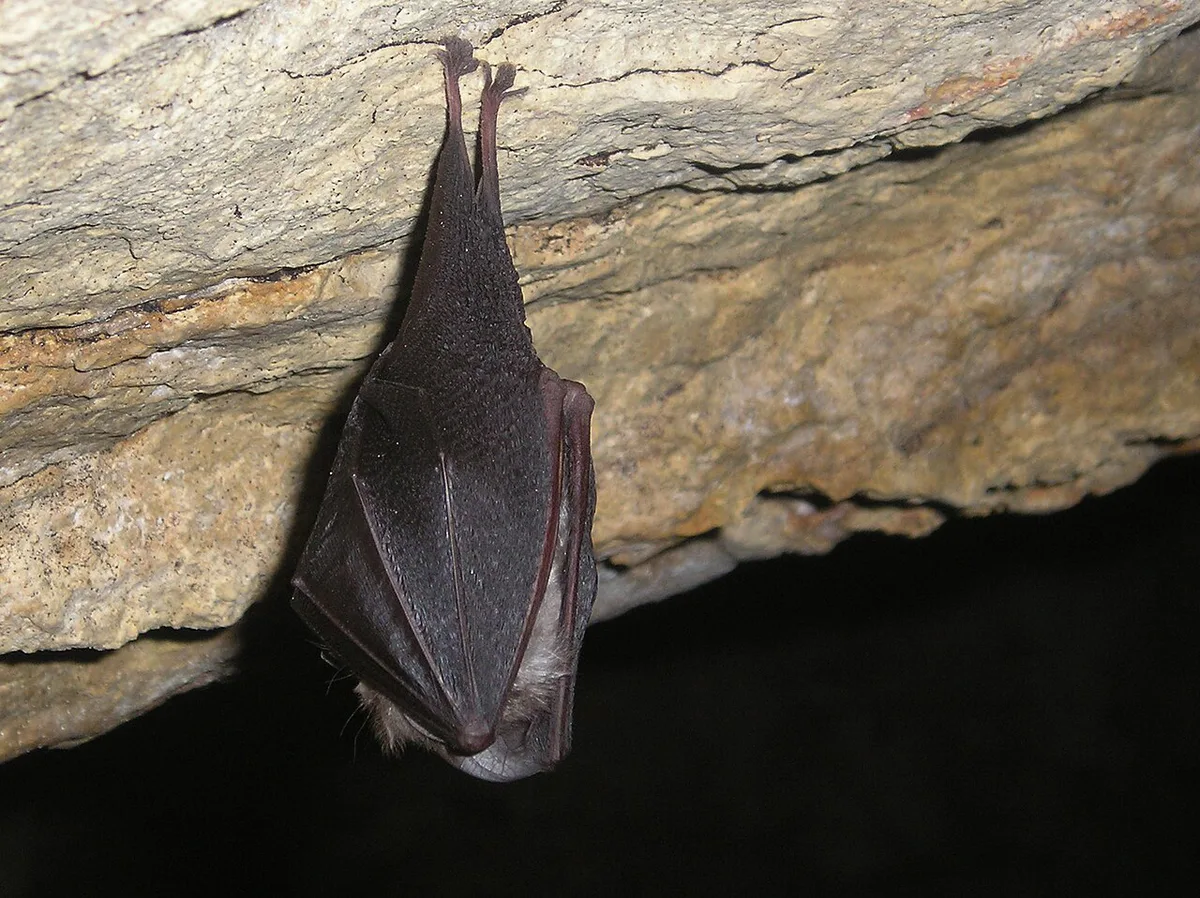
- Greater and lesser horseshoe bats: named for the fleshy, horseshoe-shaped nose leaf. In winter they hang freely from the ceiling, often wrapped in their wings like a cloak, which makes them one of the easier species to recognise.
- Greater mouse-eared bat: one of Europe's largest bats. It often hibernates in caves and may form summer nursery colonies in caves or in large buildings.
- Common bent-winged bat: a cave specialist of southern Europe and the Mediterranean that can gather in large colonies, so it is the species behind many of the region's best-known roosts.
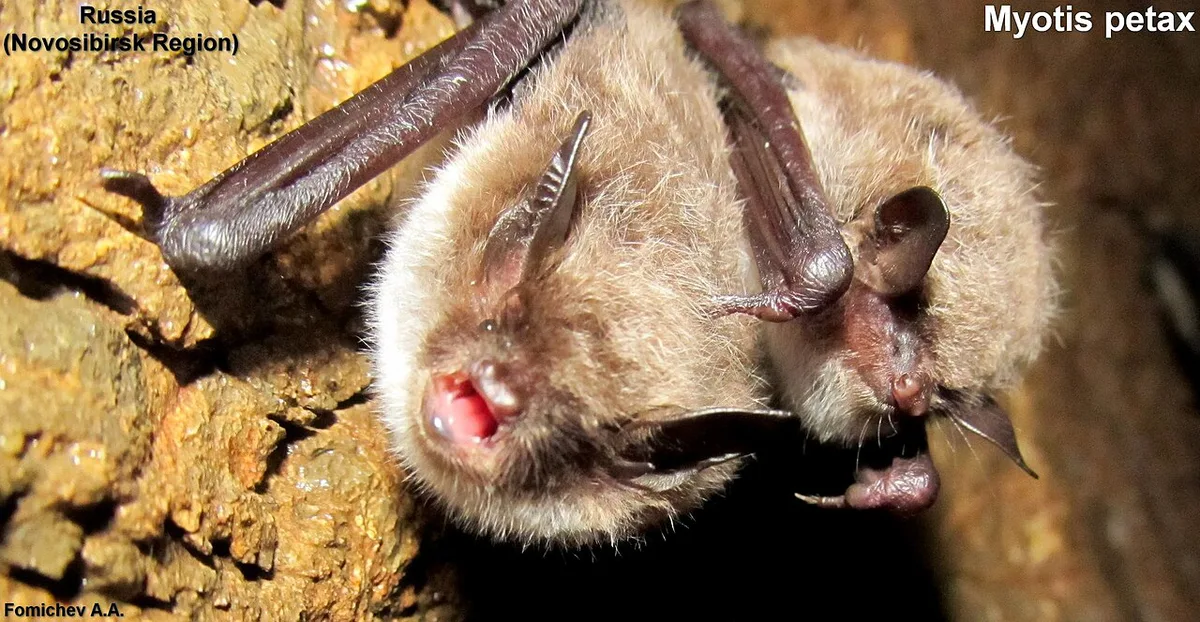
- Natterer's and other Myotis bats: small bats that tend to tuck into cracks and crevices, so they are easy to miss even where they are present.
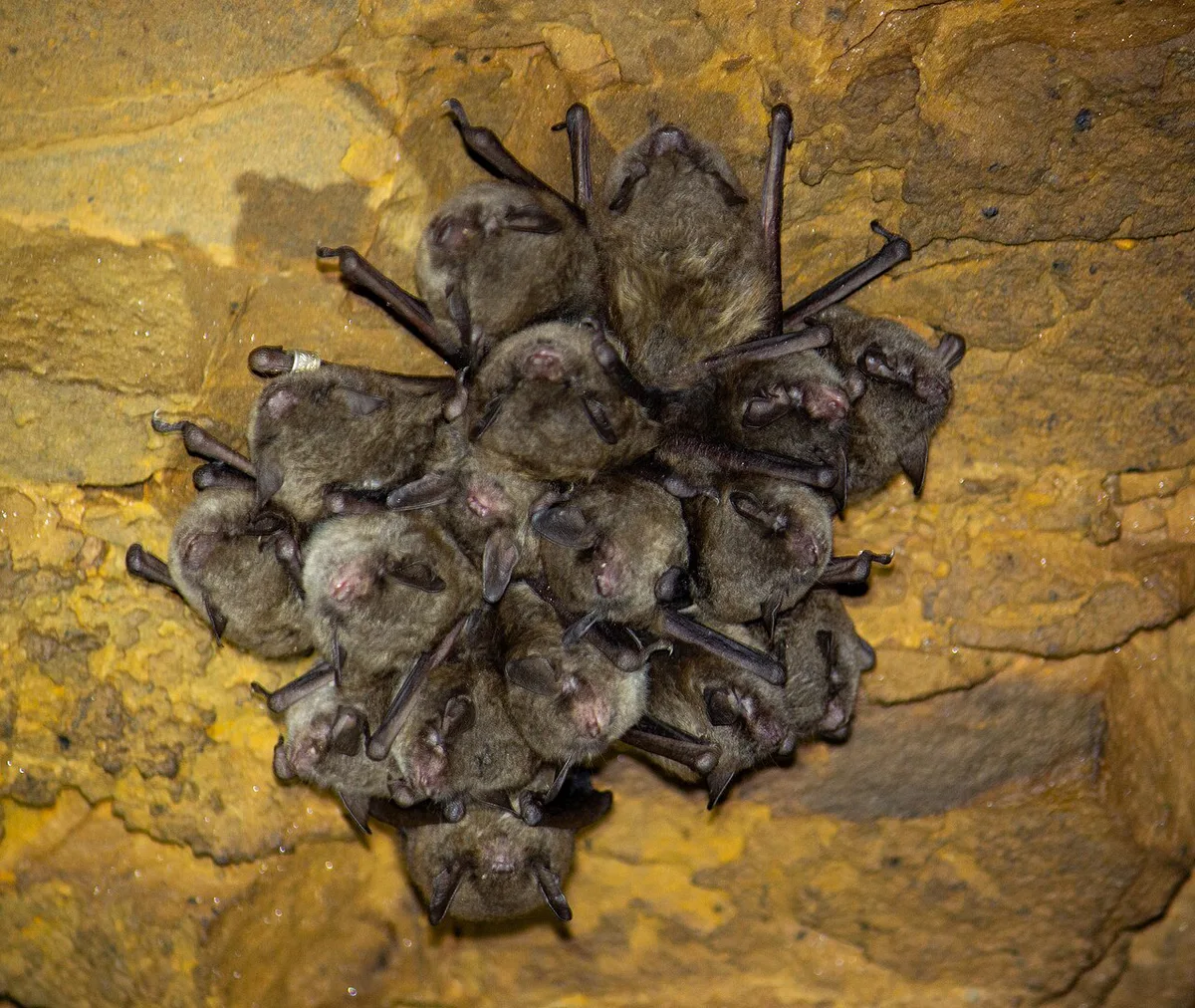
Many cave bats pack tightly into clusters or squeeze into crevices, so a roost can look empty at first glance. A guide who knows the cave is far more likely to point out a sleeping bat than a visitor scanning the ceiling alone.
What You'll Actually See In A European Cave, By Season
Do not assume a sighting on any date. Lighting, voices and foot traffic keep bats away from tour routes, so many visitors leave a show cave having seen none. Timing for each site varies, so use this table as a general guide.
| Season | Bat behaviour | What visitors notice | Access caveat |
|---|---|---|---|
| Winter | Hibernation, mostly motionless | Few or none on tour routes | Some caves close to protect sleepers |
| Spring | Waking and leaving winter sites | Occasional single bats | Routes may reopen after closures |
| Summer | Maternity colonies form | Usually kept away from tour paths | Roost areas are often off limits |
| Autumn | Swarming and mating flights | Activity near entrances at dusk | Evening events depend on the site |
Show Caves vs Protected Roosts: Where Can You See Bats?
Your best chance depends on the type of site. Our guide to show caves versus wild caves explains how access and protection differ. Guided trips into undeveloped caves are covered in Caving in Europe: Show Caves vs Real Caving Guide, and operators in bat roosts often limit group size or season.
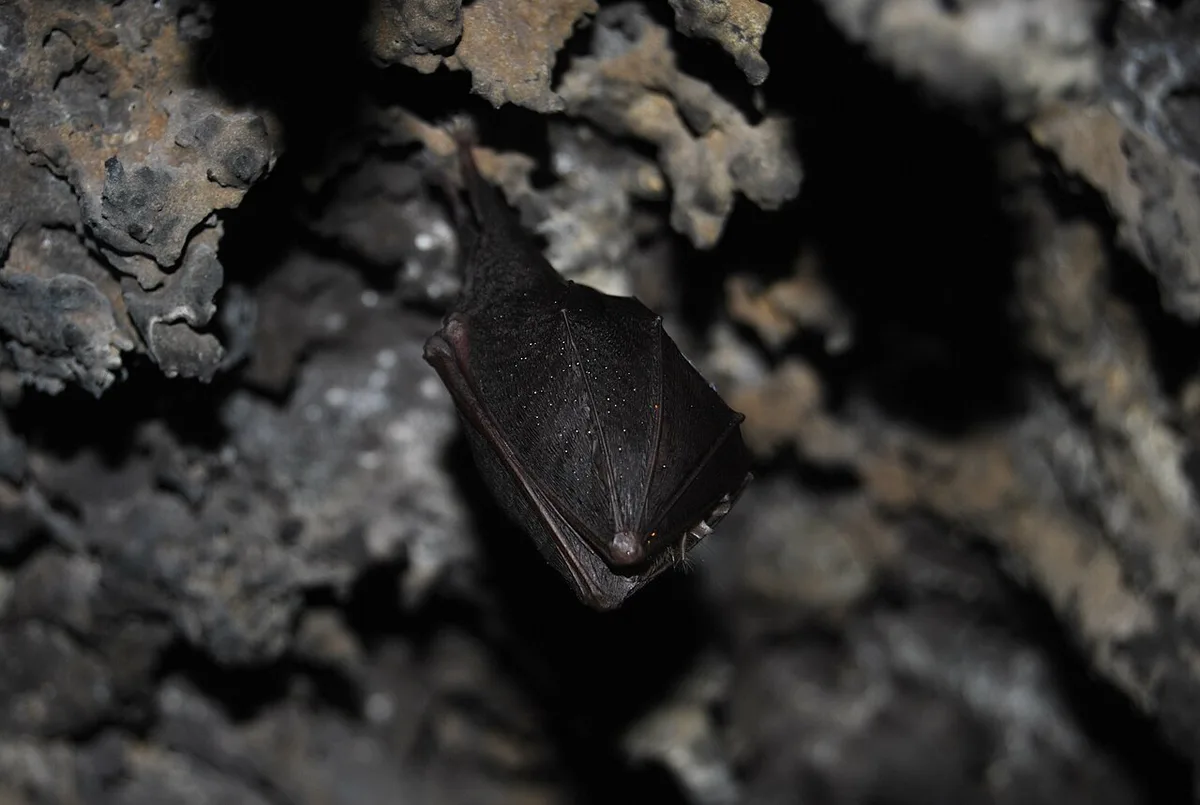
- Show cave: lit, paved and busy, so bats are usually absent or out of sight.
- Guided tour with a bat focus: only worth booking if the operator says it runs a bat program.
- Closed or restricted cave: stay out, especially in winter, because entry can harm hibernating bats.
- Outdoor emergence watch or bat detector walk: often the calmest option, if a local group or park office runs one.
How To Visit Without Harming Bats
Disturbance is the main risk, and one careless visit can cost a bat its winter energy. Follow the operator's rules first. Dress for a cool, damp cave using our cave clothing advice, and keep gear clean between caves, since hygiene guidance for caving gear changes by country.
- Do not shine torches or use flash on roosting bats.
- Do not touch bats or the surfaces where they hang.
- Keep voices low and move slowly.
- Do not enter a cave that is closed for winter.
- Do not handle a bat on the ground. Tell the cave staff or a local bat group instead.
Why Caves Close For Bats, And What To Do
Closures follow the bat calendar. In winter, hibernating bats live on stored energy, and each time they wake they burn some of it, so a single group of visitors can do real harm. In summer, maternity roosts are the sensitive spots, and those areas are often off limits even when the rest of a cave is open.
- Check the operator's official page for seasonal closures before you travel, since rules differ by cave and country.
- If a route is closed, treat it as closed. Do not look for another way in.
- If a tour runs but skips a section, follow the guide's route and rules without asking to detour.
- If you are unsure whether a cave is open, ask the operator or a local bat group instead of guessing.
Plan flexible dates where you can. A closed winter route is a protection measure, not a service failure.
Legal Protection For Bats And Their Roosts In Europe
Closures are not only a courtesy. Bats are protected by law across Europe, and that protection covers the places they sleep as well as the animals themselves.
- EU law: all European bat species are listed under the EU Habitats Directive, which restricts deliberately disturbing bats and damaging or destroying their resting places.
- EUROBATS: the Agreement on the Conservation of Populations of European Bats, made under the Convention on Migratory Species, commits many European countries to protect bats and their roosts, including underground sites.
- National rules: each country applies these through its own legislation, so the offences, fines and permit requirements differ. In the United Kingdom, for example, it is an offence to disturb a bat or damage its roost.
In practice this means that entering a signed winter closure, or lingering to photograph a roosting bat, can be a legal problem and not just bad manners. Gates, grilles and seasonal notices at cave entrances are usually there because a roost is protected.
Show caves with bats on site normally operate under conditions set with the conservation authority, such as limits on lighting, group size or season. If a guide asks you to skip a chamber, that is likely part of those conditions. For rules at a specific cave, check the operator's official page or the national park or nature agency before you go.
Researching Named European Sites
Only plan around a bat sighting where the cave itself says bats can be seen or that it runs a program. Start with the operator, such as the Slovak Caves Administration, for seasons, closures and booking. Then browse our hub on 8 Best Caves in Europe: Show, Painted and Lake Caves for sites worth a visit even if the bats stay hidden.
Cave Conditions That Matter To Bats And Visitors
Bats pick roosts for steady temperature and damp air, which is why the same conditions that keep you cool also shape winter closures. Read more in our guide to How Cold Is It in a Cave? Temperatures and What to Wear. For more cave basics, see stalactites versus stalagmites.
Notes for your next trip underground
Optional updates when we add or revise cave and underground guides.
More guides
More guides you'll find useful