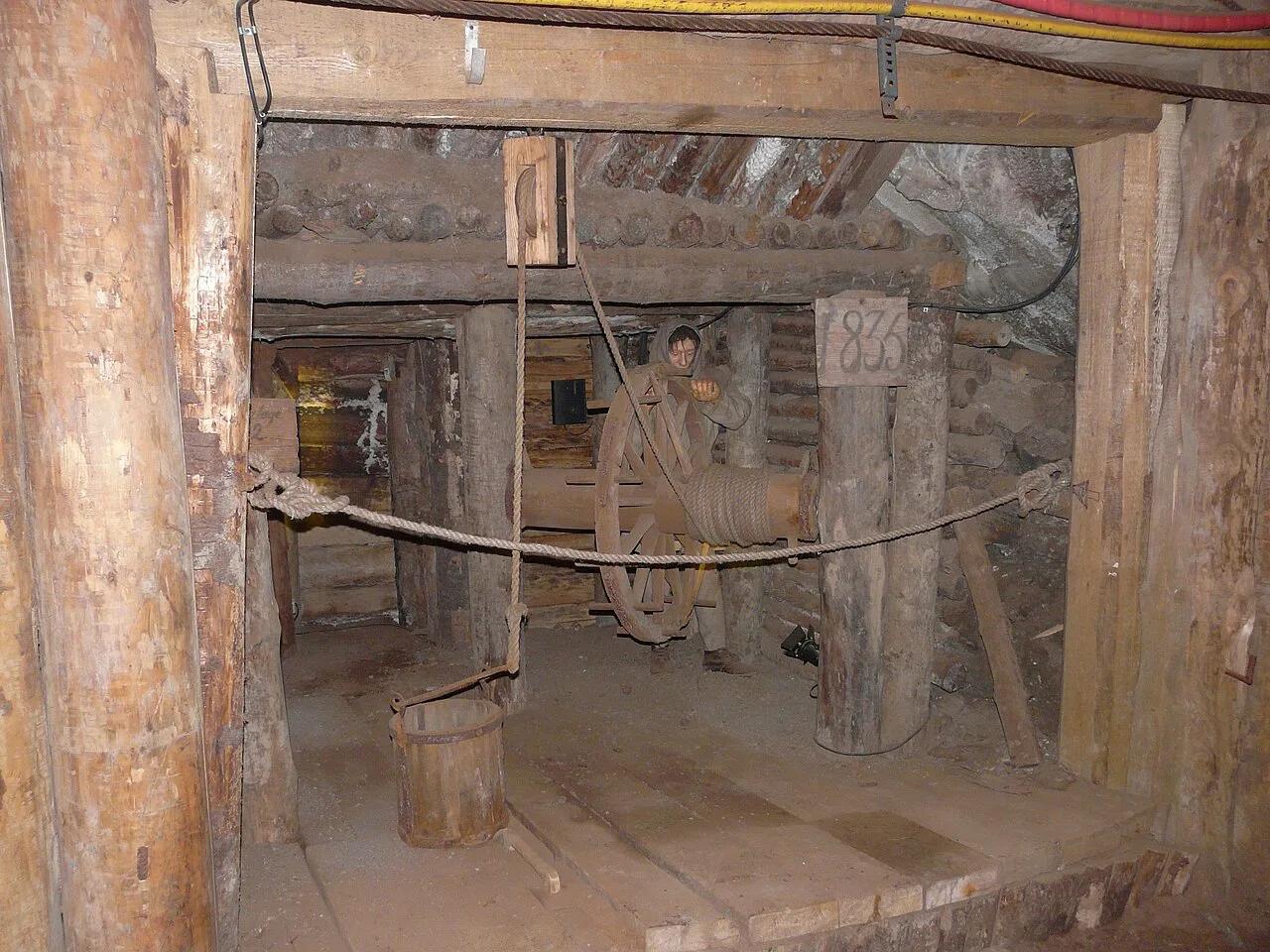
Salt Caves in Europe: Therapy Rooms vs Real Salt Mines
Salt cave or salt mine? Learn how European salt therapy rooms differ from real underground salt sites, with access, cost, and time trade-offs.
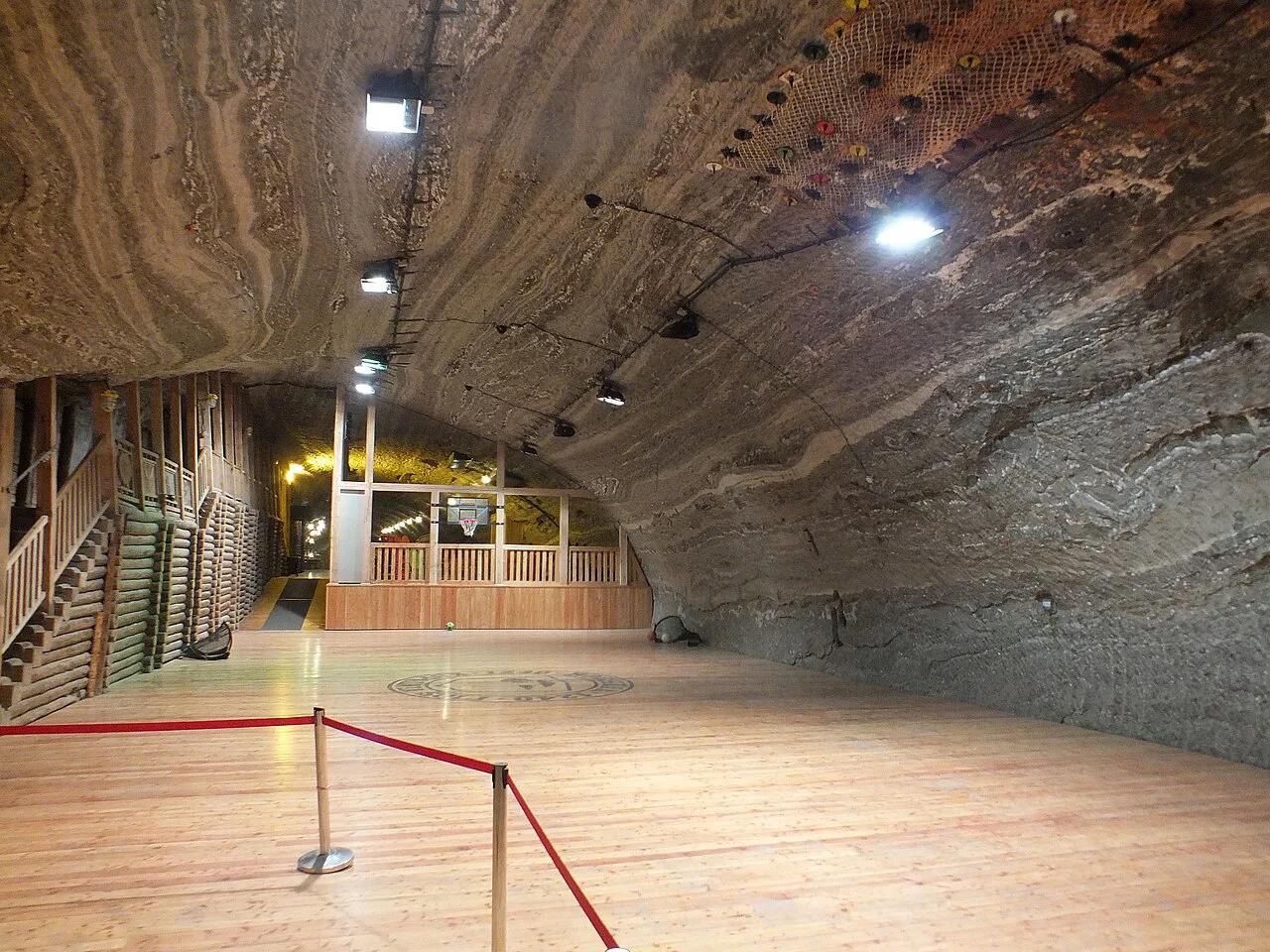
Last updated November 2026: a salt cave is either a spa room lined with imported salt or a real underground salt space, and only the second kind is worth planning a trip around. Spa rooms suit a quiet break inside a city. Real sites, covered in our guide to Europe's underground salt sites, offer history, scale and a constant cool air.
Featured image: Aw58, CC BY-SA 4.0, via Wikimedia Commons.
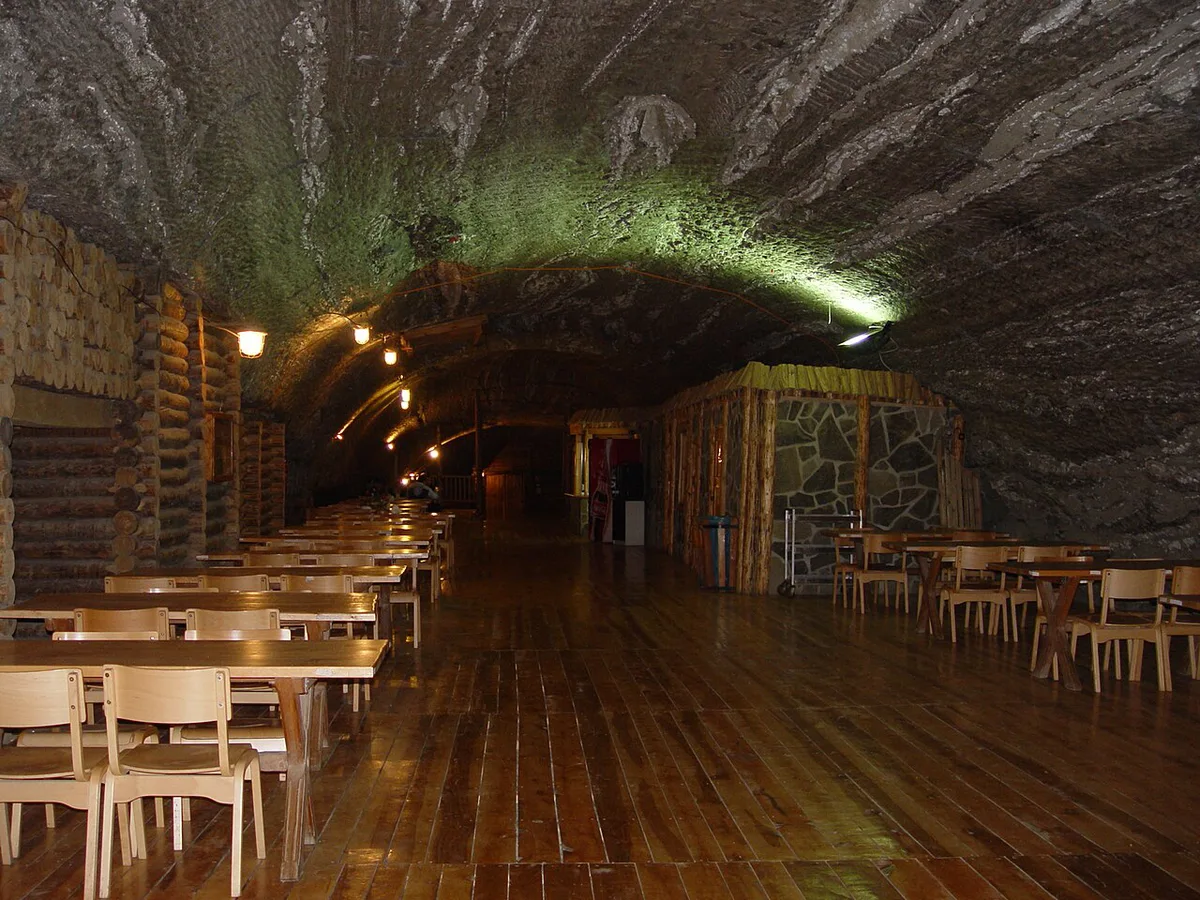
What Is a Salt Cave? (Quick Answer)
The phrase covers three different things. A spa salt room, often sold as halotherapy, is a built room with salt on the walls or floor. A natural salt cave is a geological hollow formed in salt rock. A salt mine is a worked underground space, some of which have a tradition of therapeutic use. Spa rooms are about relaxing for a session. Mines and caves are about walking through something real. Treat any wellness claim as a traditional practice, not a cure.
Spa Salt Rooms vs Natural Salt Caves vs Salt Mines
Each option answers a different question, so the table below compares them side by side. Cost is shown in relative terms only.
| Option | What it is | Setting | Typical experience | Suits | Booking and cost |
|---|---|---|---|---|---|
| Spa salt room | Built room with imported salt | City spa or wellness studio | Seated or reclined session in dim light | Travelers wanting quiet downtime | Usually easy to book; low to moderate cost |
| Natural salt cave | Hollow formed in salt rock | Remote or protected terrain | Short exploration, often guided | Geology fans | Access varies; check the managing body |
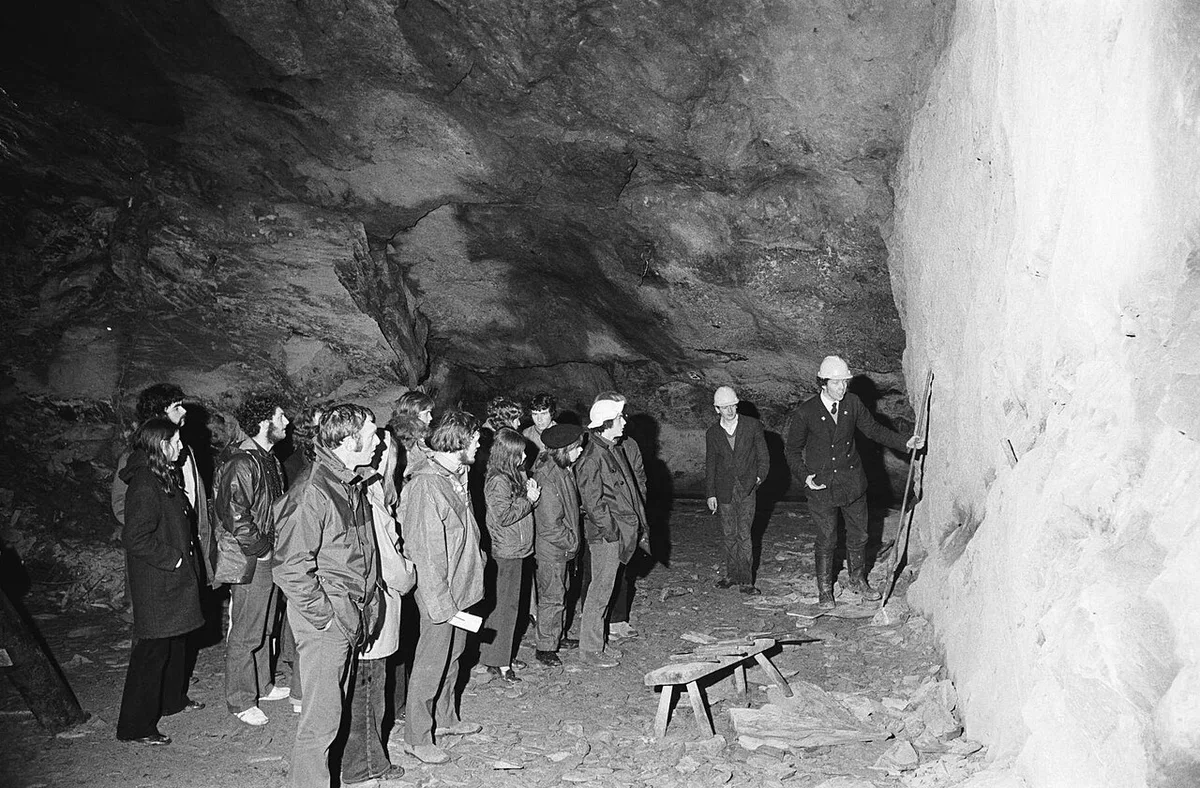
| Salt mine tour | Historic or working mine opened to visitors | Often outside city centers | Guided walk, stairs or lifts, cool air | History and photography fans | Timed tickets in busy periods; moderate cost |
How Halotherapy and Himalayan Salt Rooms Are Meant to Work
Most spa salt rooms rely on one idea: breathing fine salt particles in a dry, cool room is said to ease the airways and help you relax. This is called halotherapy. The practice traces back to the observation that salt miners in Central and Eastern Europe often seemed to have healthy lungs, but that is a historical claim, not proof. Treat it as a tradition and a pleasant ritual.
What "Himalayan salt" means
Pink Himalayan salt does not come from European caves. It is mined in Pakistan's Punjab region, around the Khewra salt mine, and is sold in spa rooms as bricks, panels or loose crystals. The pink colour comes from trace minerals. Some venues add a generator that disperses salt into the air, while others only decorate the walls.
What to expect from claims
- Relaxation: dim light, warm seating and quiet are the most reliable benefit, and they are the same in any calm room.
- Breathing and skin: studies are limited and mixed, so a venue promising to treat asthma, allergies or eczema is overreaching.
- Salt lamps and bricks: a decorated room with no air generator is mostly a design choice.
Questions to ask before you book
- Does the room use a generator, or is it only wall cladding?
- How long is a session, and are children or pregnant guests allowed?
- Is the salt natural, and where does it come from?
If a therapeutic tradition matters to you, a real mine is a more credible setting than a built room. Poland's Bochnia salt mine is one example with a long history of underground visitor use, though you should confirm current programmes with the operator. Whatever you choose, follow your doctor's advice over any brochure.
Real Underground Salt Sites in Europe With a Visitor Tradition
Two named examples show what the real thing looks like. Bochnia in Poland is a UNESCO-listed historic salt mine with a visitor route, and the operator's official site lists tour details. In Catalonia, Cardona's salt mountain is presented by Catalonia's tourism pages as a visitor destination. Neither listing in our sources promises a health treatment, so ask the operator directly if therapy is your goal. Prices and hours were checked November 2026 only as far as the official sites publish them. Our overview of guided salt mine visits compares the tour formats in more detail. Some mines also hold services in carved halls, covered in underground salt chapels.
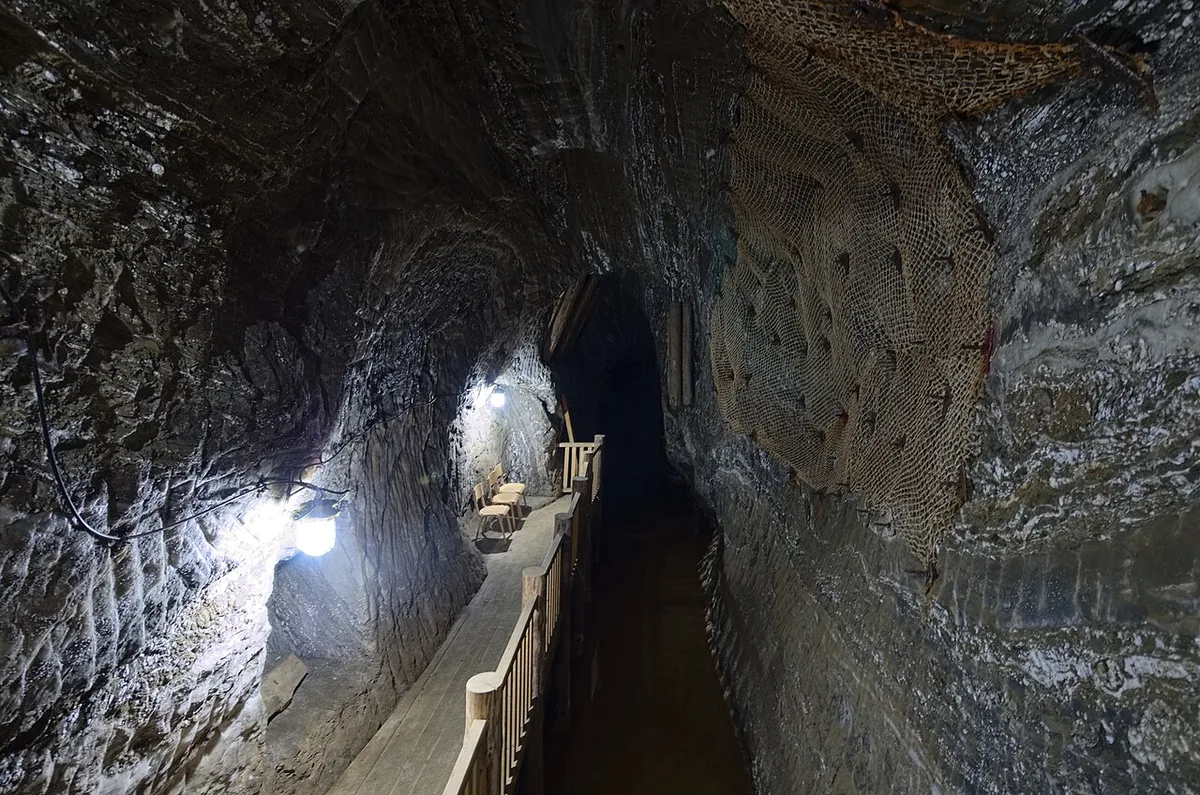
- Bochnia: visitor tour information on the operator's site.
- Cardona: visitor information via Catalonia's tourism portal.
- Wider choice: see the pillar guide for further salt sites.
How to Choose: Decision Criteria
Start with your goal, then check the practical limits. These prompts help you decide quickly.
- Goal is relaxation: pick a spa salt room in your city.
- Goal is history or photography: pick a salt mine tour.
- Limited mobility: ask about stairs and lifts before booking a mine.
- Cold sensitivity: mines stay cool underground, so pack a layer.
- Short on time: a spa session fits a free afternoon, while a mine can take a half day with travel.
- Tight budget: spa sessions and mine tours both vary, so compare the official prices.
Logistics: Time, Cost and Access Trade-offs
Spa rooms are usually short sessions in city locations, and session length, clothing rules and age limits vary by operator. Mines run fixed tour times with guided access, and tour languages differ by site. Mine sites often sit outside city centers, so a day trip may need a train, bus or car. Look up the route on the official transport operator's site. Popular mines may sell timed tickets in peak season. Prices belong on the official site, since they change each year. On cost, a mine tour usually sits above a spa session once transport is added, though both stay modest next to a full-day excursion.
Who Should Skip It
Underground and enclosed spaces are not for everyone. Talk to a doctor first if you have a respiratory or cardiac condition, and follow that advice over any marketing claim.
- Claustrophobia: a mine tour or a small salt room may feel confining.
- Respiratory or cardiac conditions: get medical advice before any session.
- Young children: check age limits with each operator.
- Limited mobility: stairs and uneven floors are common in mines.
Combine It With Other Underground Stops
A salt site pairs well with other subterranean visits on the same trip. For a wider choice, see our roundup of wider mine tour options. If you want something different from salt, silver mine visits give a metal-mining contrast. Longer stays can include sleeping underground as part of the plan.
Frequently Asked Questions
Are salt caves good for your skin?
Evidence for skin benefits is not established in our sources, so treat any claim as unproven. Some visitors simply find a session relaxing. Ask a doctor if you have a skin condition.
How much does a salt cave cost?
Spa sessions generally cost less than a full mine tour once travel is added. Exact prices differ by operator and change each year. Read the official site before booking.
Do you shower after a salt room?
Rules differ by operator. Some ask guests to keep clothing on and others have their own guidance. Ask the venue about aftercare when you book.
What do you wear in a salt cave?
Wear comfortable, light clothing in a spa room, following the venue's rules. In a mine, bring a warm layer and sturdy shoes, because underground air stays cool all year.
Notes for your next trip underground
Optional updates when we add or revise cave and underground guides.
More guides
More guides you'll find useful