
Salt Cathedrals & Salt Mine Churches in Europe: Guide
Looking for a salt cathedral? Zipaquirá is in Colombia, but Europe has underground salt-mine chapels. Compare sites, access and visit planning.
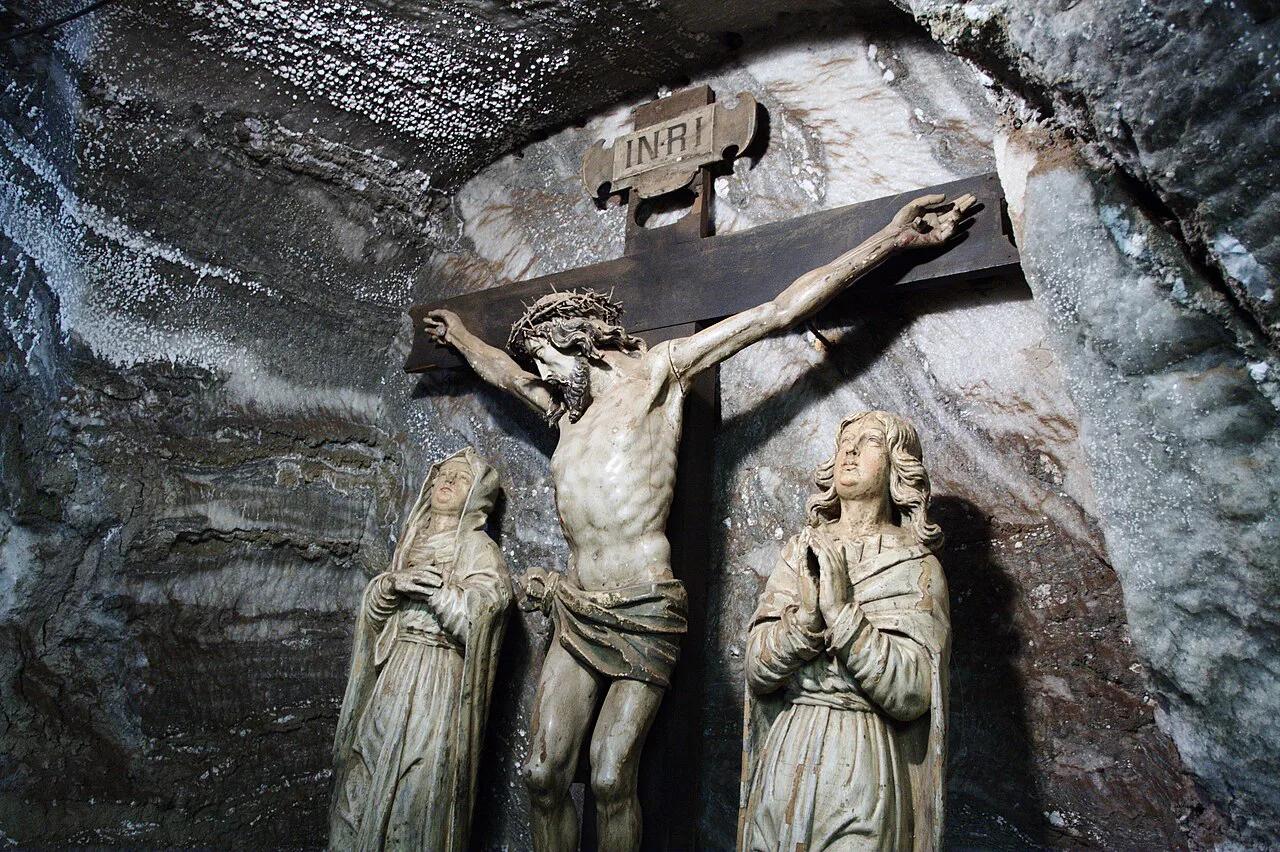
Last updated November 2026: the best-known salt cathedral is the Zipaquirá Salt Cathedral in Colombia, and this guide covers Europe's closest equivalents. Poland's mines near Kraków hold underground salt chapels, and our overview of European salt mines places them in the wider region. Use the comparison below to pick one.
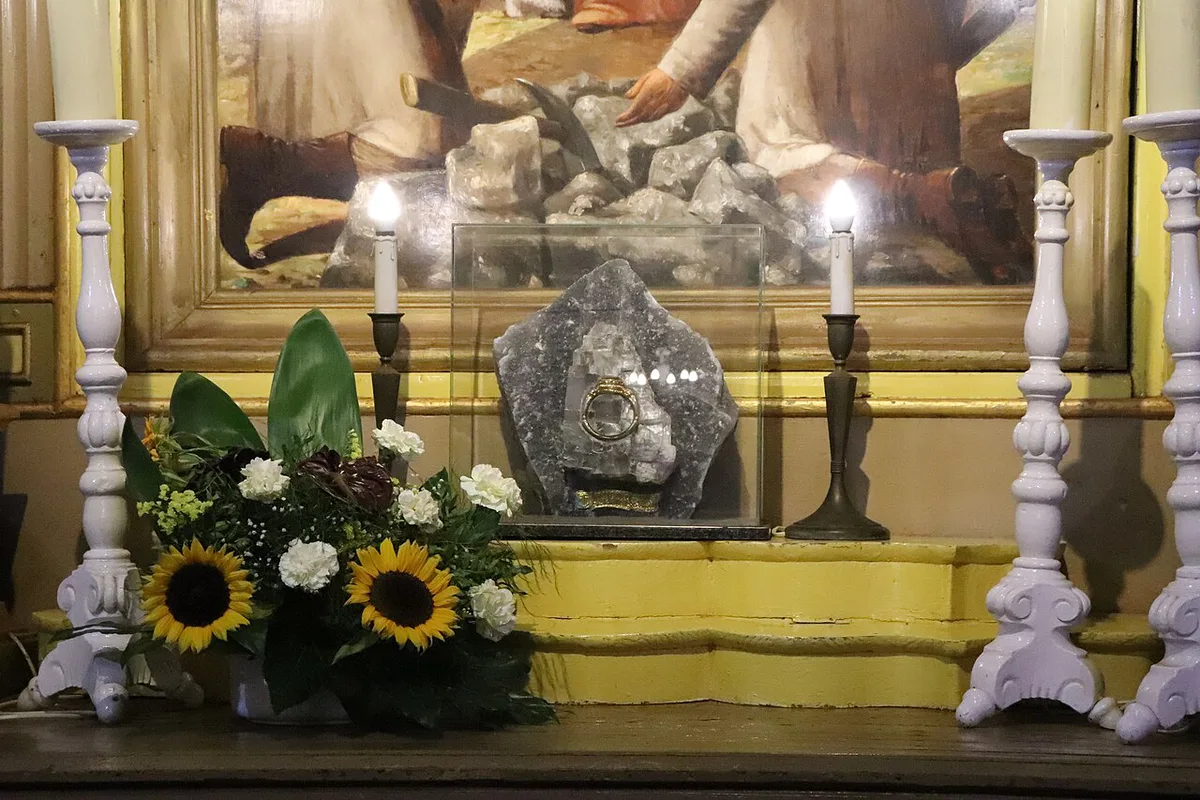
Featured image: Kj, CC BY 3.0, via Wikimedia Commons.
Salt Cathedral: The Quick Answer
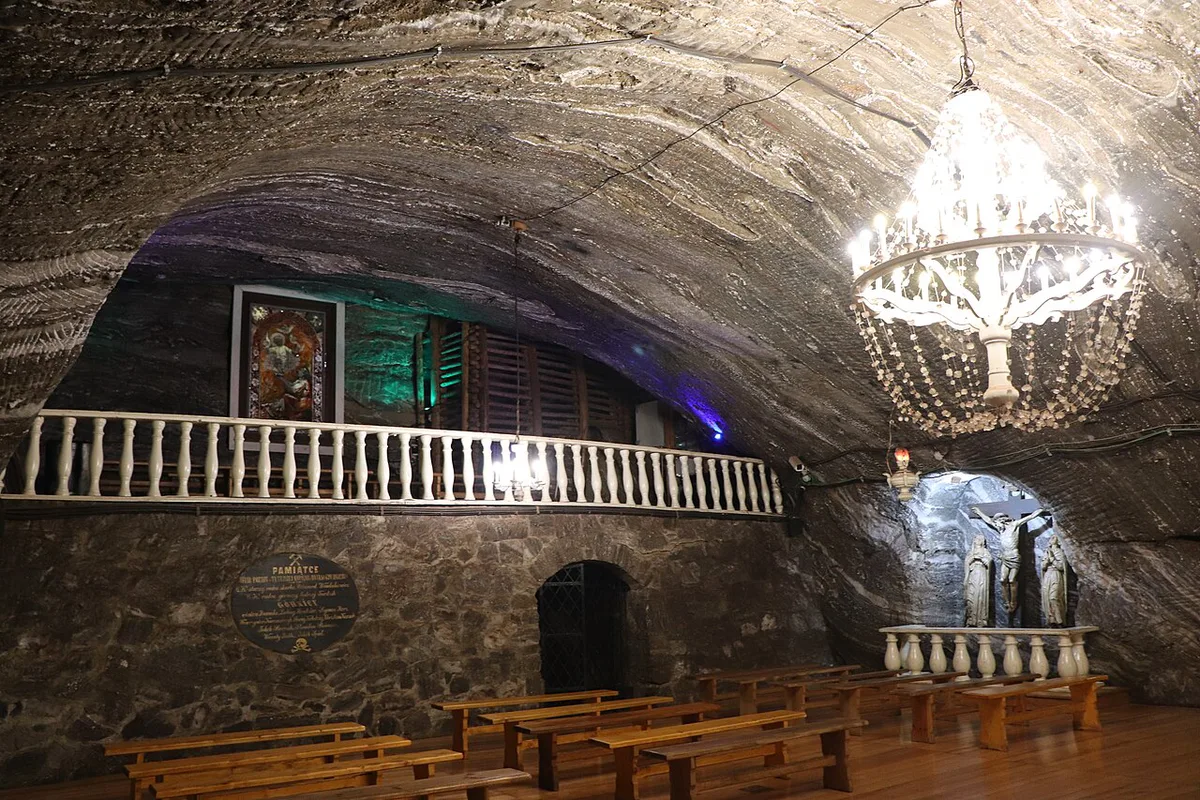
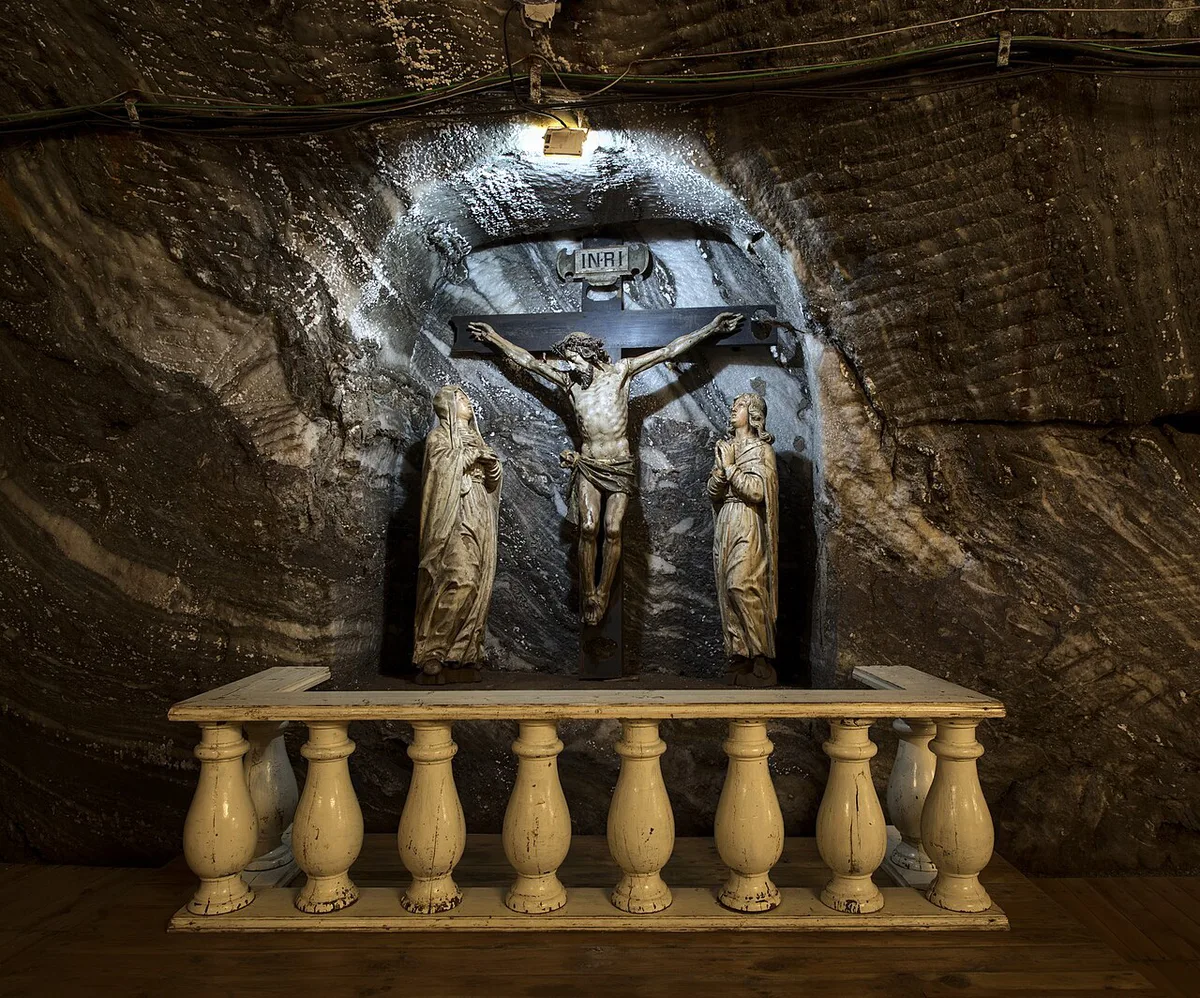
Zipaquirá, Colombia, is the place most people mean when they search for a salt cathedral. Europe has no single building sold under that exact name that we could identify. What it does have are chapels carved inside historic salt mines, and the clearest one we cover is the Chapel of St. Kinga at Bochnia in Poland (Wieliczka, the better-known mine nearby, has its own guides elsewhere). These are tourist routes with sacred spaces, not working parish churches. Treat them as museum-style visits with a religious dimension.
Zipaquirá Salt Cathedral at a Glance
Zipaquirá is a Roman Catholic church built within the tunnels of a salt mine near the town of Zipaquirá. It is said to sit about 590 ft (180 m) underground. Miners created an early chapel in 1951, and a larger cathedral replaced it in 1995 over safety concerns. The route passes 14 Stations of the Cross on the way down. This guide stays in Europe, so use the official Zipaquirá site for Colombian tickets and transport.
European Salt Mine Churches Compared
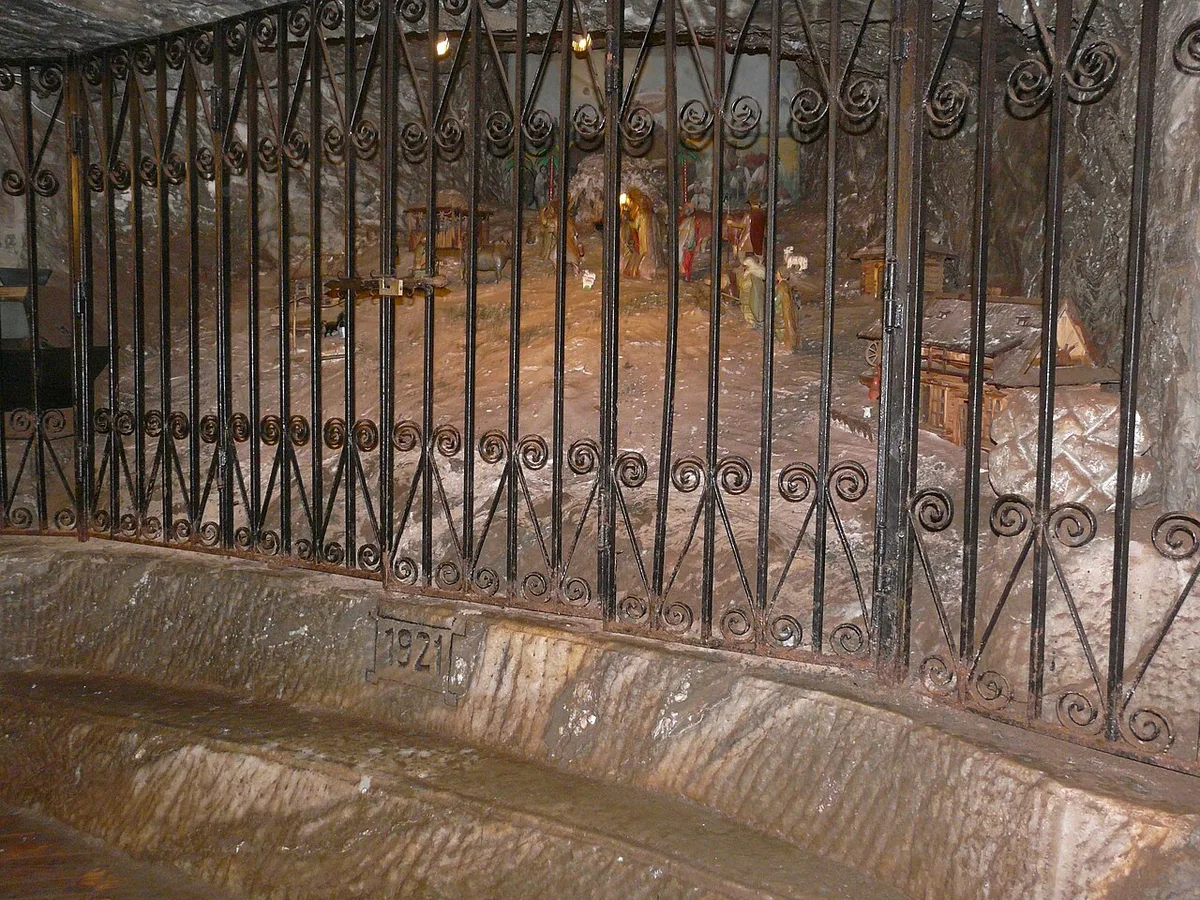
Bochnia is the clearest European answer to the salt cathedral question, and it sits within reach of Kraków, the natural base city. Bex in Switzerland is a different kind of salt visit. The table sets out what to compare before you book.
| Site | Country and base city | Sacred space | Fit | Details to check |
|---|---|---|---|---|
| Bochnia Salt Mine | Poland, Kraków | Underground chapel in the mine's visitor route | Mining-heritage fans wanting a quieter route | Duration, stairs, language tours and tickets on the official site |
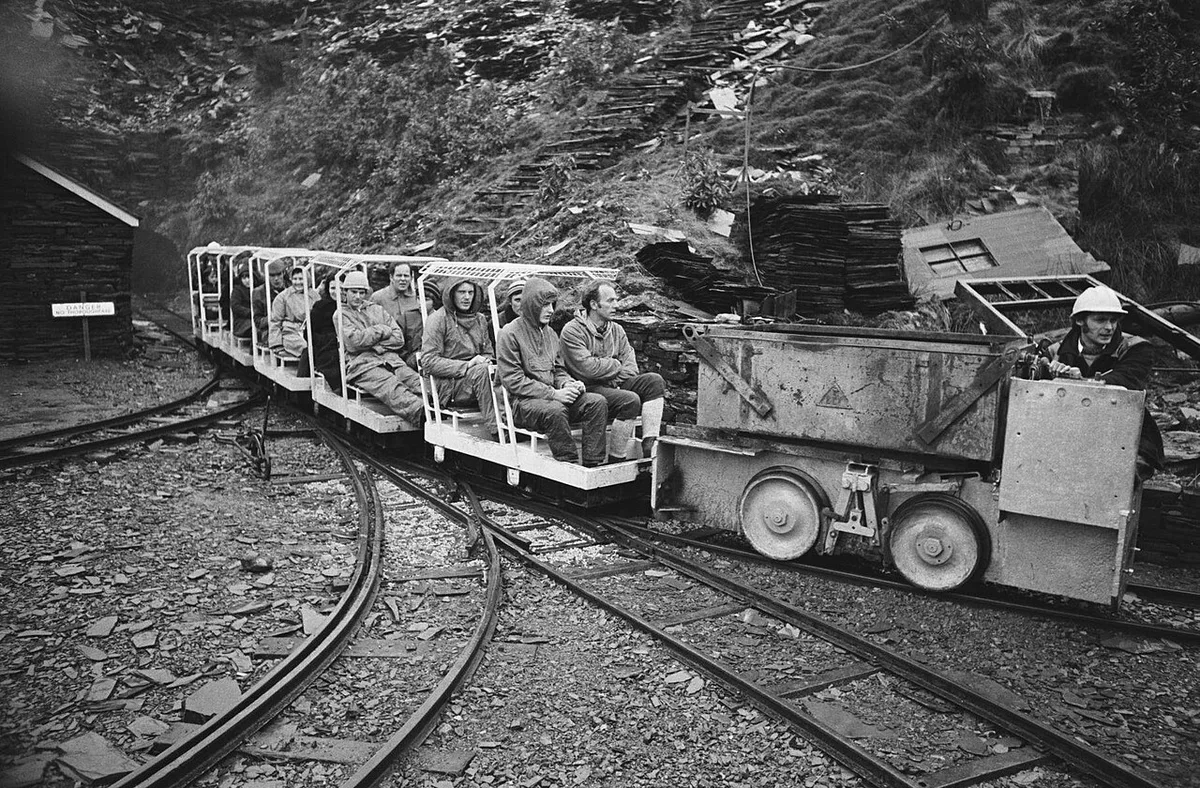
| Bex Salt Mines | Switzerland, Bex | No chapel confirmed | A miners' train ride and a working mine | Tour language (mainly French), booking and tickets on the official site |
Bochnia in Brief
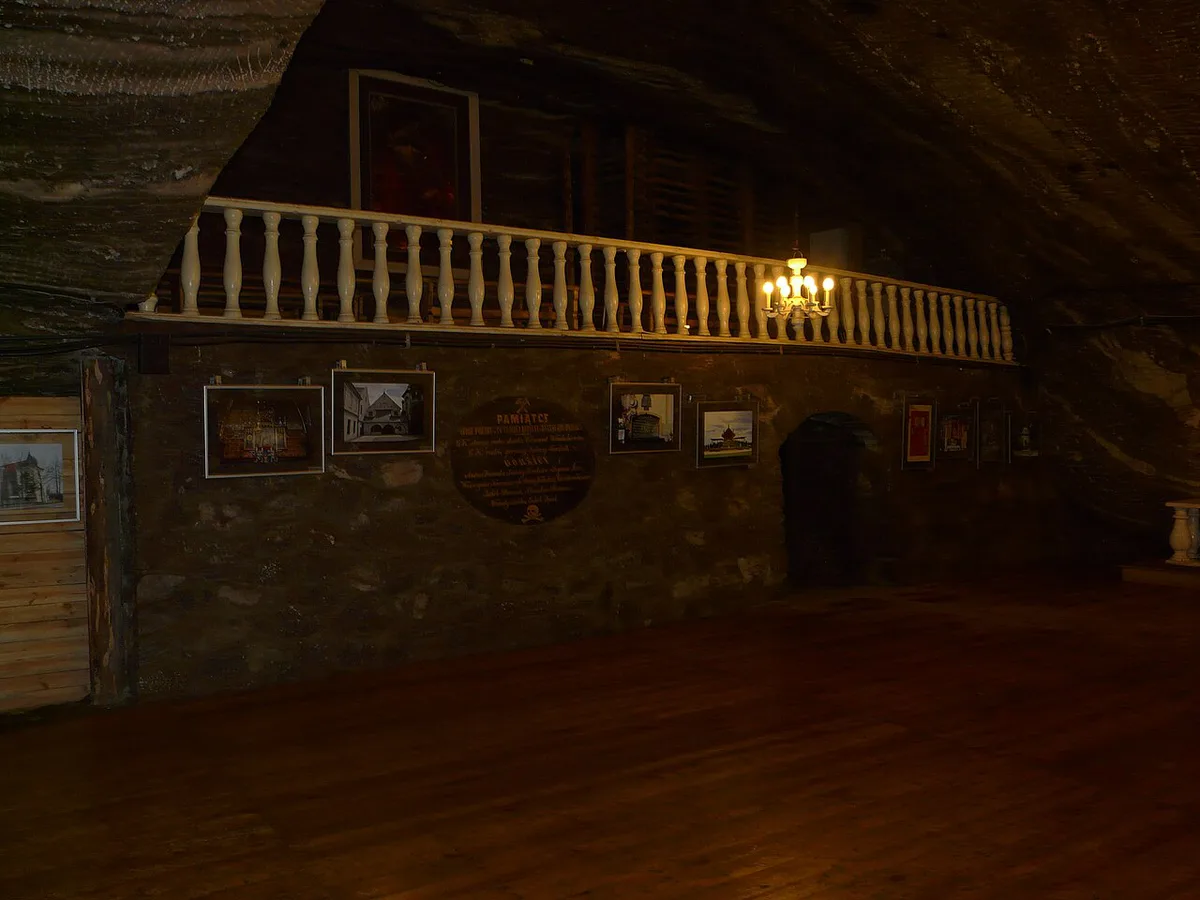
Bochnia is a mine first and an attraction second. Its main route moves through chambers such as the Chapel of St. Kinga, so the salt-chapel visit centres on the working history of salt extraction. Written sources place the start of extraction in the 13th century, and mining ended in December 1996, though salt is still produced from brine at about 15,000 tons a year. Do not expect it to match Zipaquirá in scale or style. The official Polish travel site is a good starting point before you open the mine's own booking page.
How to Choose Between Salt Mine Chapels
Match the site to your trip rather than to the name. These criteria cover most readers.
- Chapel in a heritage mine: pick Bochnia, where miners carved worship spaces out of the salt themselves.
- A different kind of salt visit: Bex adds a miners' train, but we have not confirmed a chapel there.
- Families and mobility: ask each mine about stairs, lifts and pushchair access before booking.
- Photography: look up each mine's camera rules and any photo fee on its official page.
- Rainy days: these mines are underground, so weather rarely changes the plan.
Planning Logistics and What to Wear
Base yourself in Kraków and treat Bochnia as a day trip, because it is a separate town. Train, bus and organized tour options all exist, so current timetables come from the operator. A half-day is the realistic minimum for the mine, and a full day lets you add a second stop. Underground air is cool year-round, so bring a light layer even in summer. Wear shoes with good grip because routes include many steps. For tour formats and booking tips, see our guide to guided salt mine visits.
Costs, Tickets and Hours
Prices and hours checked November 2026: Bochnia's current fare is not published in our notes, and it changes by season. The official Bochnia site lists the current ticket price in złoty (zł); book ahead in peak months. Bex, by contrast, lists adults aged 16 and over at CHF 18, young people aged 6 to 15 at CHF 12 and children under 6 free.
Mistakes to Avoid
A few errors cost visitors time or comfort.
- Assuming salt cathedral means one European site: there are several chapels, each in a different mine.
- Underestimating the stairs: ask the mine about the route before you commit.
- Skipping advance booking in peak months: popular tour slots can sell out.
- Underdressing: the underground air stays cool even on hot days.
- Expecting regular services: look up any events on the official site, because these are tourist routes.
Where Salt-Mine Chapels Fit Among Underground Trips
If a chapel is your main draw, Bochnia comes first. For a wider comparison, browse other underground tours across Europe. If you want the salt-room atmosphere without a mine descent, try these salt-room alternatives. For a longer stay below ground, read about sleeping underground in Europe. Other mineral routes include silver mine visits and gold mine visits.
How European Salt Chapels Differ From Zipaquirá
Zipaquirá was conceived as a church. Reports describe a larger cathedral opened in 1995 to replace a miners' chapel from 1951, with 14 Stations of the Cross on the way down, and visitors mention dramatic lighting, sculpture and choir music. Europe's chapels have a different origin. At Bochnia, extraction began in the 13th century according to written sources, and miners carved worship spaces out of the salt themselves. Mining there ended in December 1996, though salt is still produced from brine.
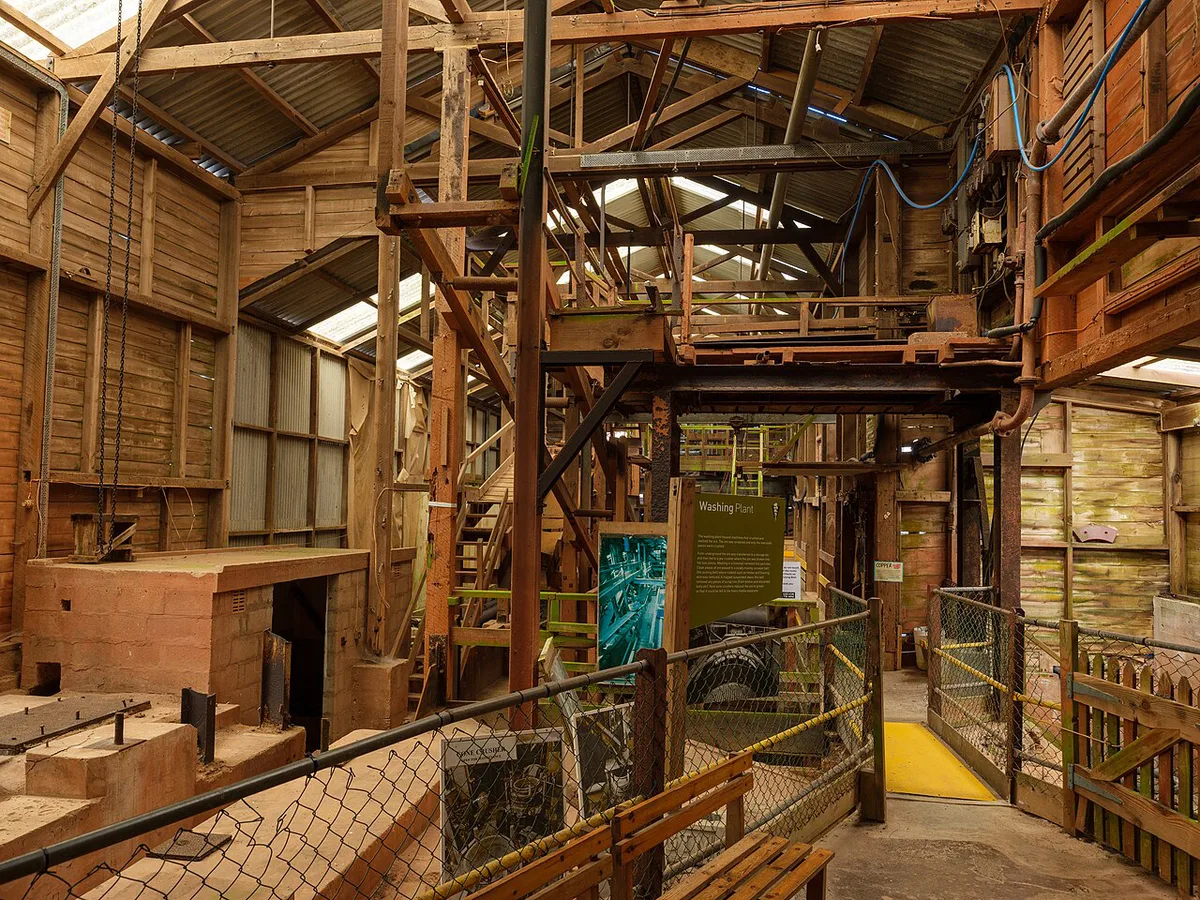
The practical result is a different visit. A European chapel is usually one chamber on a heritage route through galleries, timber supports and mining equipment, and the interpretation centers on the working history rather than on liturgy. Set expectations for a museum-style visit with a sacred space inside it, and allow time for the whole route rather than racing to the chapel.
Bochnia and Bex: Beyond the Headline Mine
Bochnia is the clearest European salt-chapel visit near Kraków. The entrance is at ul. Campi 15 in Bochnia, a separate town from Kraków, so plan a half-day trip and use current rail or bus timetables. It is part of the UNESCO-listed Royal Salt Mines, and our Bochnia guide covers the route, climate and practical tips.
Switzerland offers a different kind of salt visit at the Bex salt mines. Salt has been extracted there since 1684, and a guided visit of about 2 hours uses a miners' train. Tours run mainly in French, with audio in other languages through the Smartguide app, and the interior stays at 18°C in every season. The site is open daily from 09:00 to 17:00 and closes only on 1 January and 25 December, though visits run in scheduled slots, so book ahead. We have not confirmed a chapel at Bex, so choose it for the mine and the train rather than for a sacred space.
Frequently Asked Questions
Is Salt Cathedral worth it?
If you are already in Colombia, Zipaquirá is the famous version and draws pilgrims and tourists alike. In Europe, the chapel at Bochnia near Kraków offers a similar underground-church experience.
Notes for your next trip underground
Optional updates when we add or revise cave and underground guides.
More guides
More guides you'll find useful






