Cave Concerts in Europe: How to Plan One
Wondering where to see a concert in a cave in Europe? Learn the venue types, what affects tickets, access and sound, and how to plan your visit.
Last updated November 2026: a cave concert in Europe is possible, but only at a small set of show caves and underground venues. Programming is seasonal and capacity is small, so each operator's own calendar is the only reliable source for dates. This guide covers the venue types, the trade-offs and the practical steps for planning a cave concert.
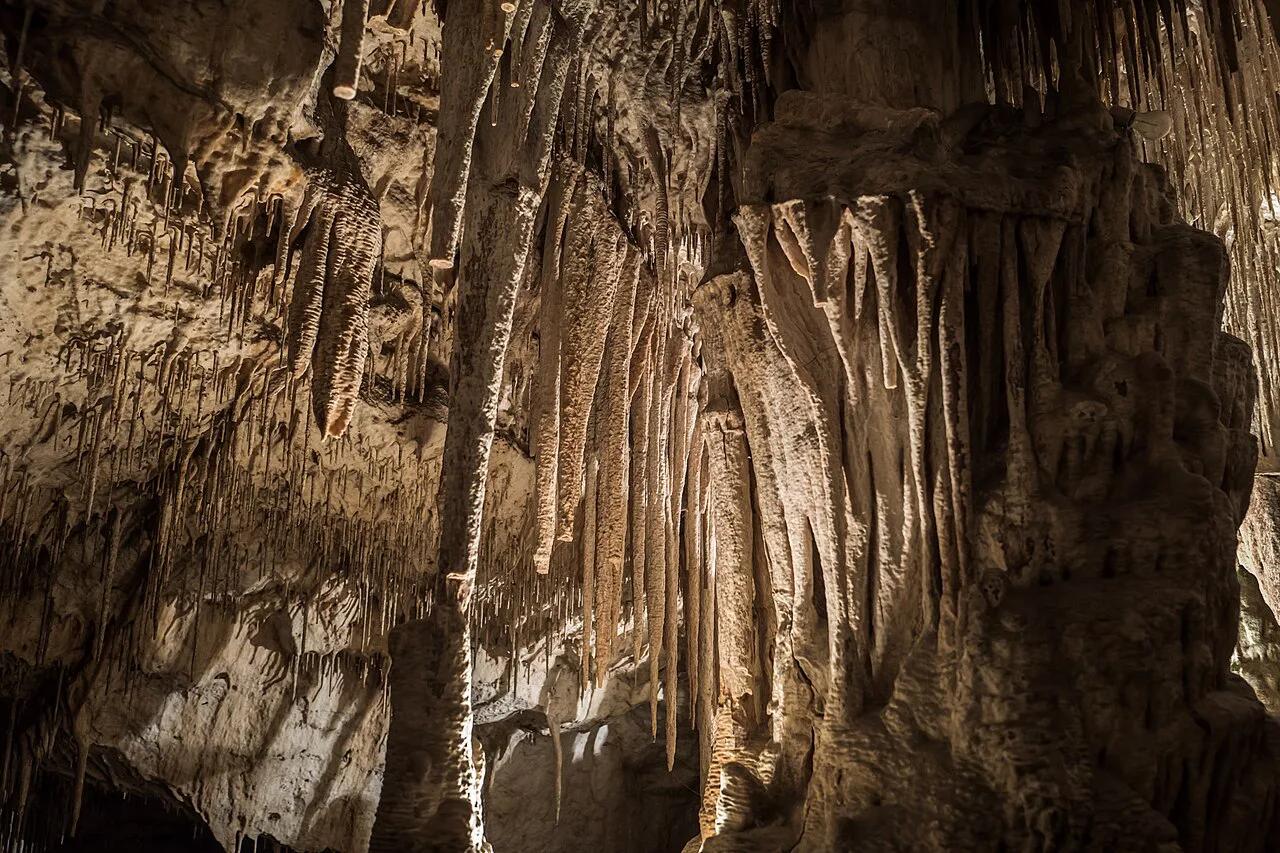
Featured image: CNE CNA C6F, Public Domain Mark 1.0, via Flickr.
Can you see a concert in a cave in Europe?
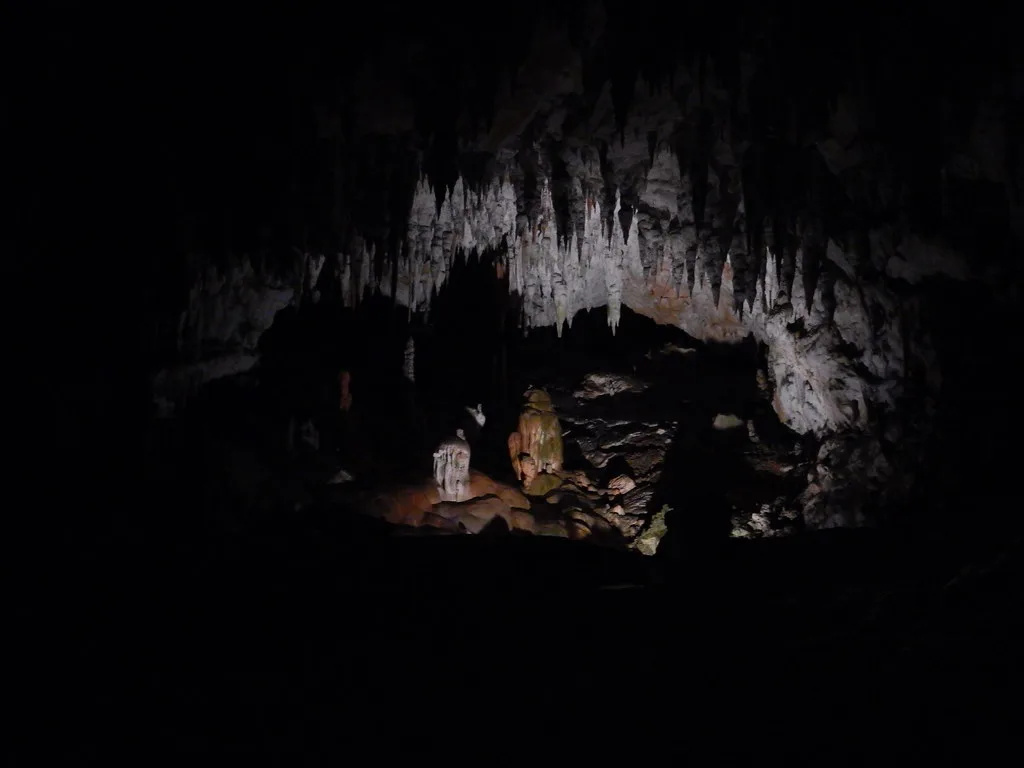
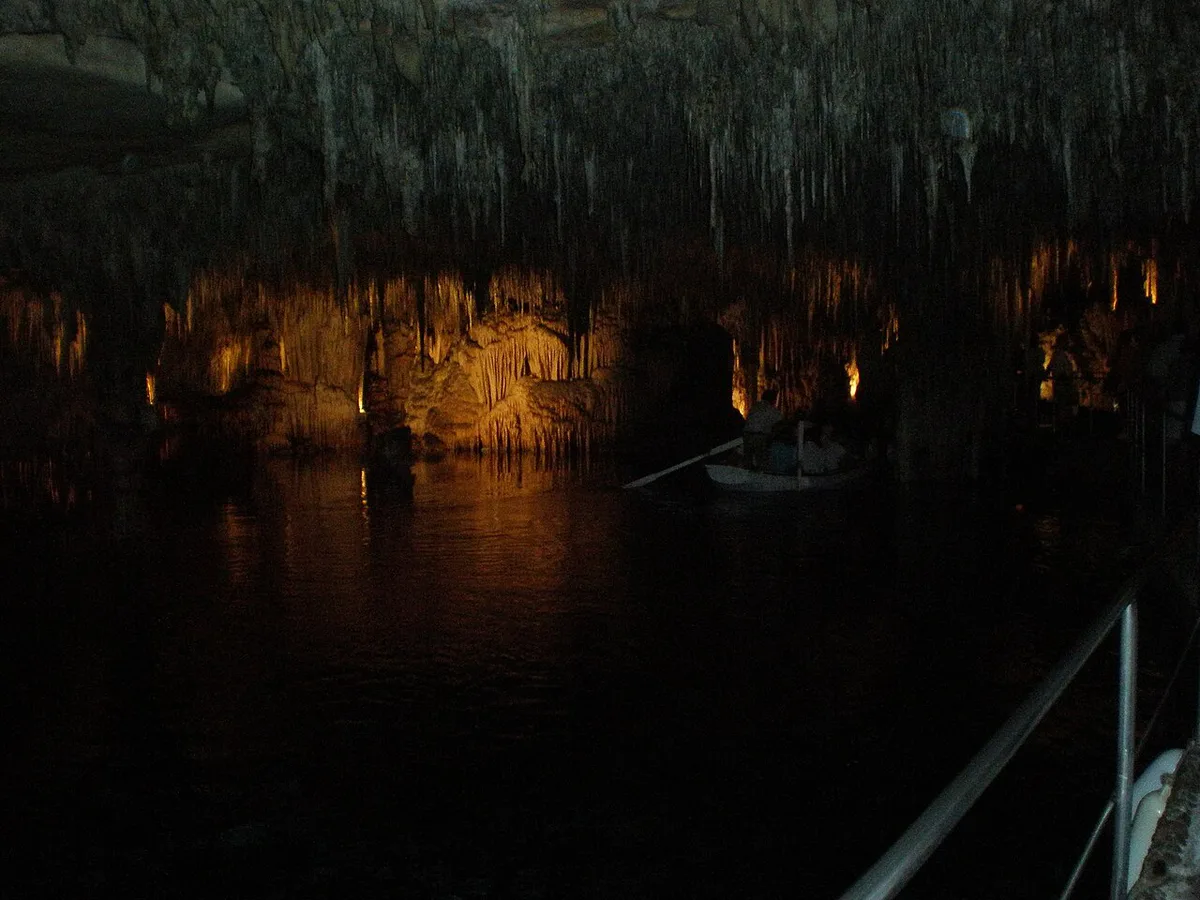
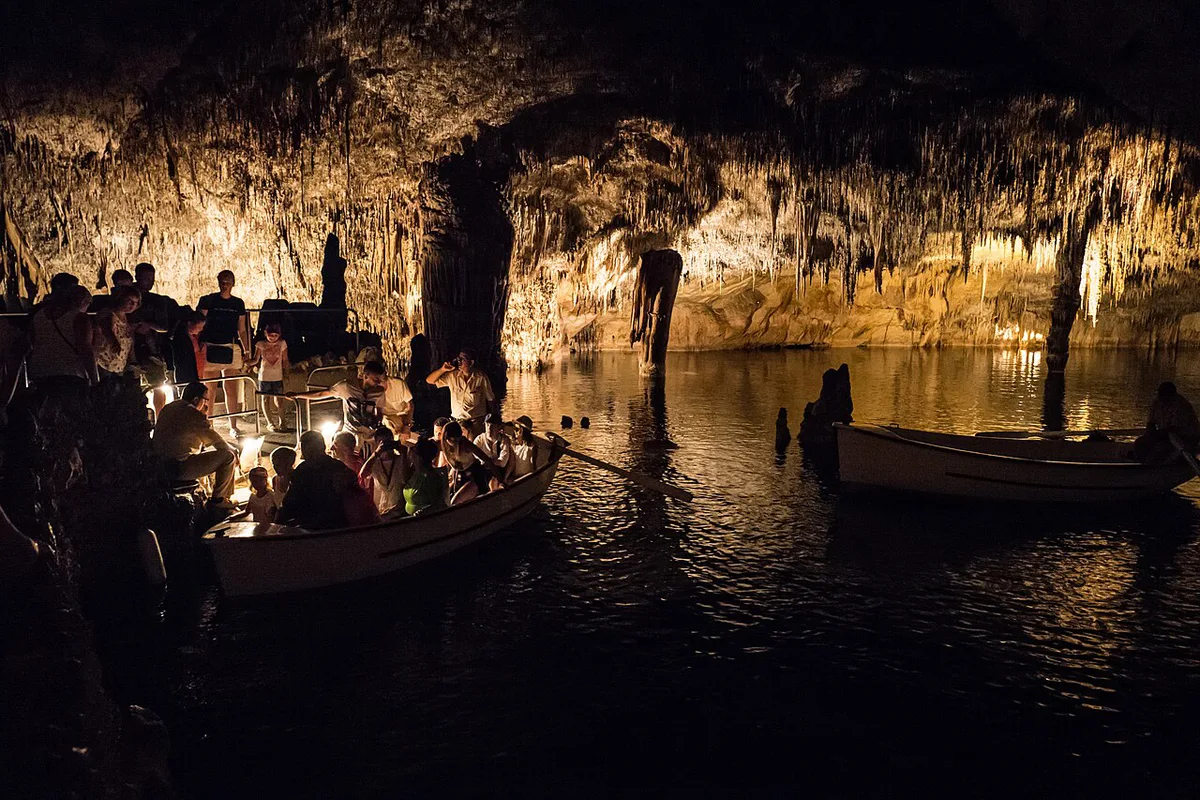
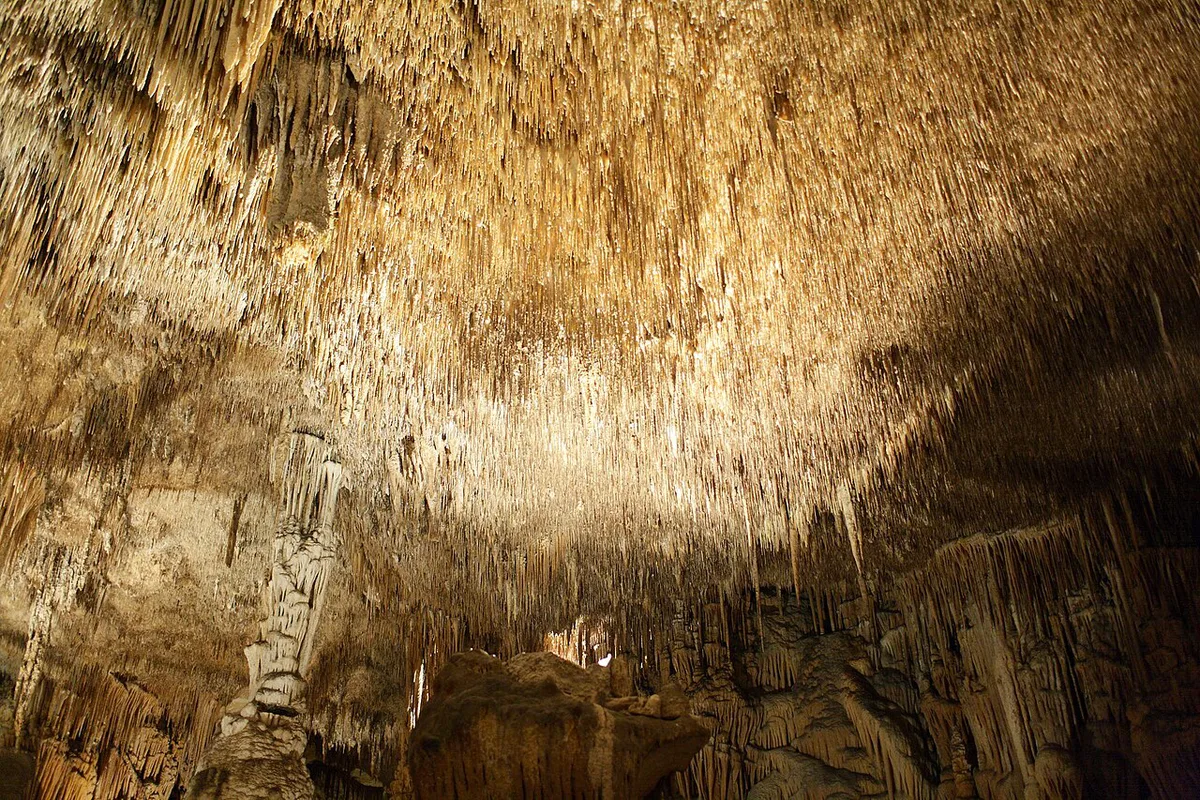
Yes, a few European show caves stage real performances underground. Cuevas del Drach in Mallorca is known for a boat concert on Lake Martel, and its operator publishes details on the official Cuevas del Drach site. In Italy, Grotte di Frasassi has used its vast Abisso Ancona chamber for events, and the Frasassi caves site is the place to check what is scheduled. Most caves run no concerts at all. Dates change from season to season, so treat any listing as a lead until the operator confirms it. If you are still choosing a cave, start from our guide to caves in Europe.
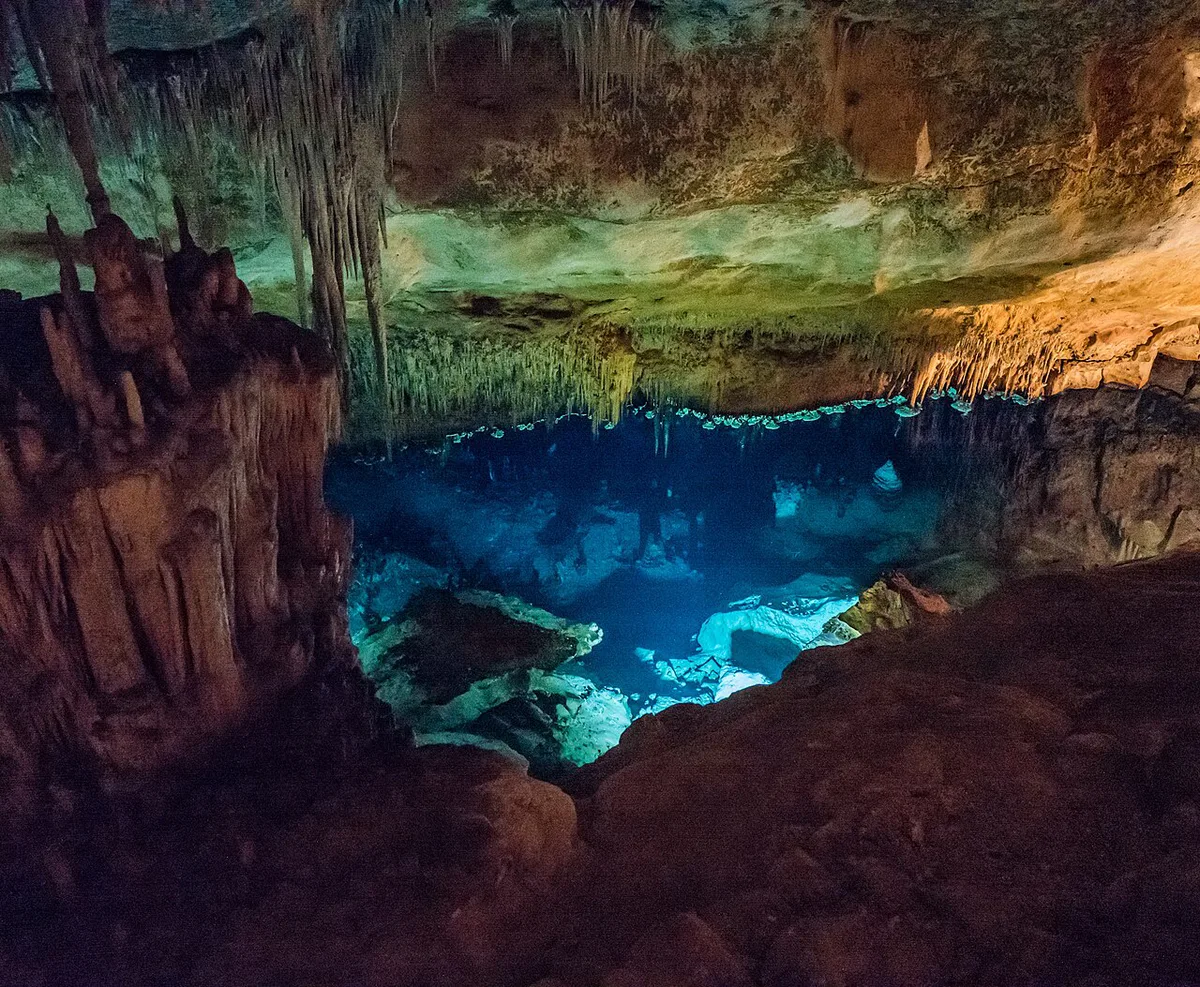
Cave concert venues beyond Mallorca and Frasassi
Outside a dedicated concert, a few other caves build sound into the standard visit. They are not full concerts, but they show how a cave changes music and noise.
Grottes de Han, Belgium
The Grottes de Han in Namur province are a show cave on the Lesse river. A guided tour after a vintage tram ride includes a sound-and-light show in one of the largest chambers, and the visit ends with a simulated cannon shot that demonstrates the cave's acoustics. Underground, the air holds at a constant 13 °C, and the tour itself runs 1 to 1.5 hours. Check the operator's calendar for any seasonal events at the surrounding park.
Cuevas del Drach as the benchmark
For comparison, the Cuevas del Drach concert is part of every visit. Lights go down at Lake Martel, which is 170 to 177 m long, and a quartet plays from small boats for roughly 10 minutes. Entry is on the hour with limited capacity, and the air inside sits at 18 to 21 °C.
Frasassi's Ancona Abyss
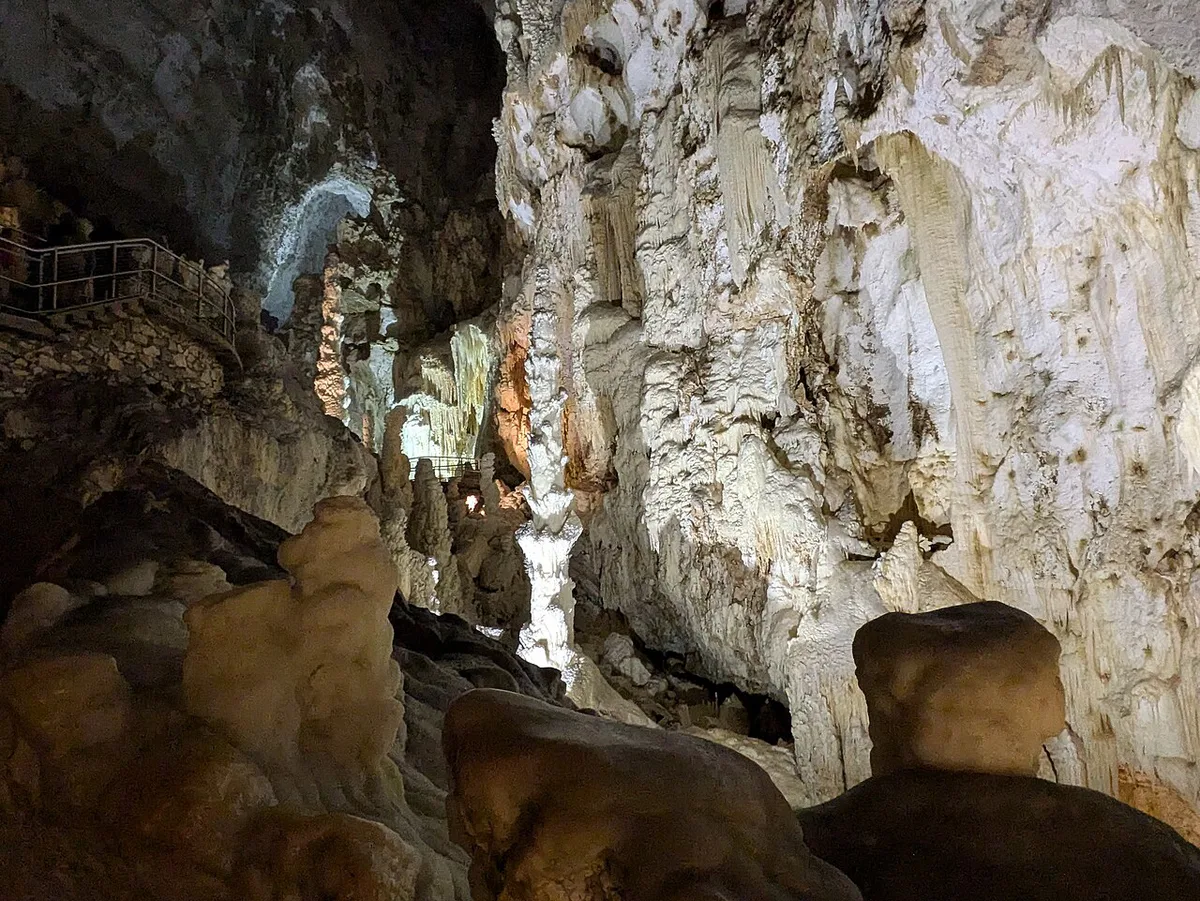
At Grotte di Frasassi, regional tourism information puts the Ancona Abyss at roughly 180 m long, 120 m wide and up to 200 m high. A space that size gives a very different sound from a boat on a lake, so ask the operator whether any event is scheduled in your window.
How to use these leads
- Treat a past event as a lead, not a promise. Programmes are set season by season.
- Compare the setting: a seated festival night in a big chamber feels different from an intimate acoustic set.
- Check whether the concert ticket includes a guided walk to the chamber, or whether you must buy a separate tour entry.
If the dates do not line up, the alternatives section below lists plain guided tours that still give you the cave's acoustics.
Types of cave and underground concert venues
Concerts happen in show caves rather than wild caves, because only show caves have paths, lighting and managed entry. Our show cave and wild cave comparison explains that split. Two of the venue types below are not caves in the strict sense, but they sell the same underground experience.
| Venue type | Typical music | What to check | Best for |
|---|---|---|---|
| Show cave with a built-in concert space | Classical, choral, acoustic | Seat categories, entry slot, return transport | First-timers who want a proper seated concert |
| Show cave with occasional events | Chamber music, ambient, special recitals | Event dates, which chamber is used, walking distance | Flexible travelers who can fit around a short season |
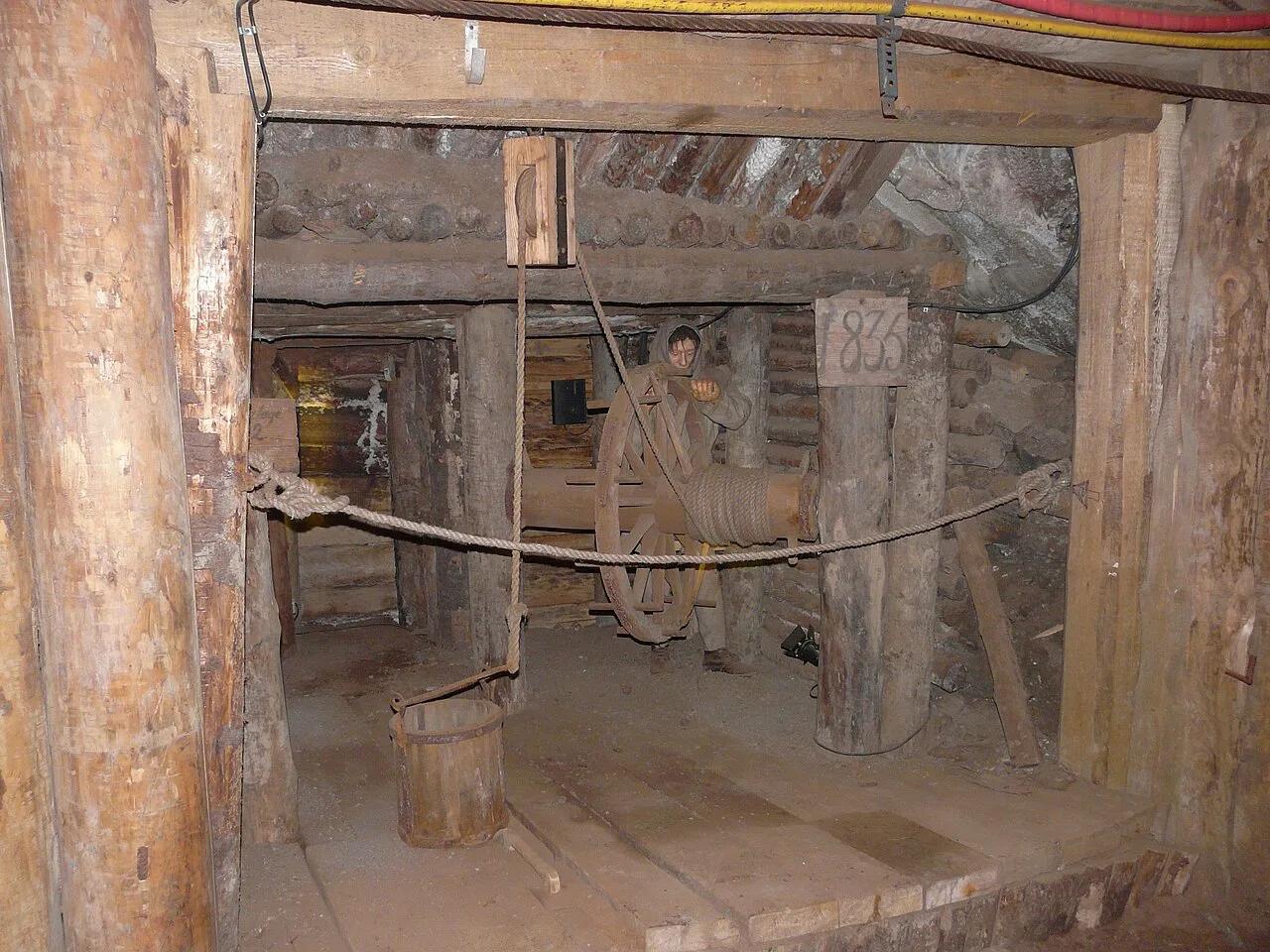
| Underground non-cave venue (mine, salt mine, cellar) | Varies widely | Whether it is a natural cave at all, stairs, temperature | Readers happy with the atmosphere over the geology |
| Festival using a cave as one stage | Mixed lineups | Which stage is in the cave, and the festival's own ticket rules | Music fans who want a wider program |
How to choose: acoustics, access and conservation limits
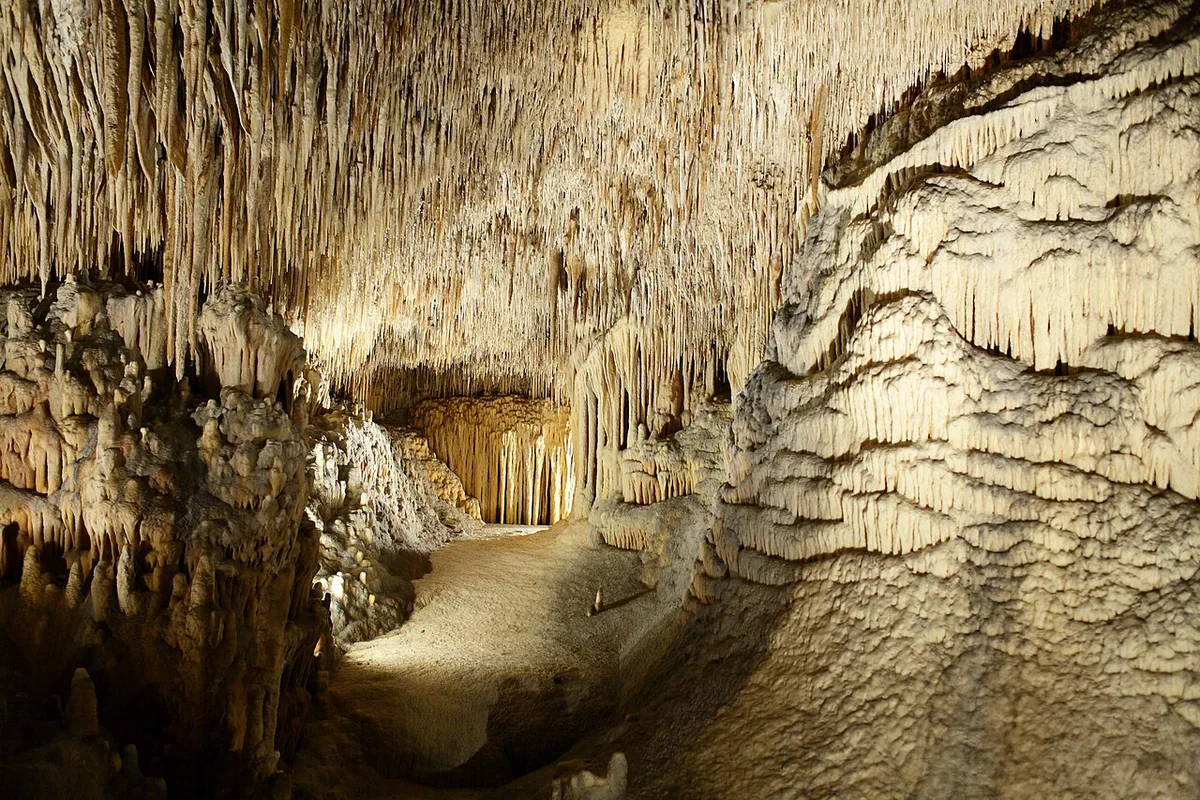
Natural reverb suits acoustic, choral, classical and ambient acts. Amplified sets are often restricted to protect formations and wildlife. Choosing a cave concert means accepting a trade-off: richer sound, but fewer seats and stricter rules.
- Acoustics: expect warm, long reverb. Fast, dense music can blur in a large chamber.
- Conservation: operators limit lighting, crowd size and audience heat. Hibernation periods can also shape event timing, as our guide to Bats In Caves: Why They Roost & Where To See Them explains.
- Access: steps, slopes, wet floors and long walks in are common. Accessibility differs by cave, so ask the operator about wheelchair and stroller access before booking.
- Who should skip it: anyone who dislikes enclosed spaces, cannot manage uneven steps, or wants a loud amplified show.
Tickets, costs and booking
A cave concert ticket usually costs more than a standard tour ticket, and the experience is more constrained. Price depends on the event type, seat category and season. Buy from the venue or its official ticketing channel, because resale listings add mark-ups and cannot guarantee entry slots. Small capacity means popular dates can sell out. Follow the operator's mailing list or official calendar to catch releases, since timing varies by event. A daytime guided tour is the better value if you mainly want to see the formations.
Getting there and getting home
Many show caves are rural, with little late-evening public transport. Ask the operator or the local transit authority about the last bus or train after the finish. Check parking at the cave before you set out. Book a nearby room if the last connection leaves before the concert ends.
What to wear and bring
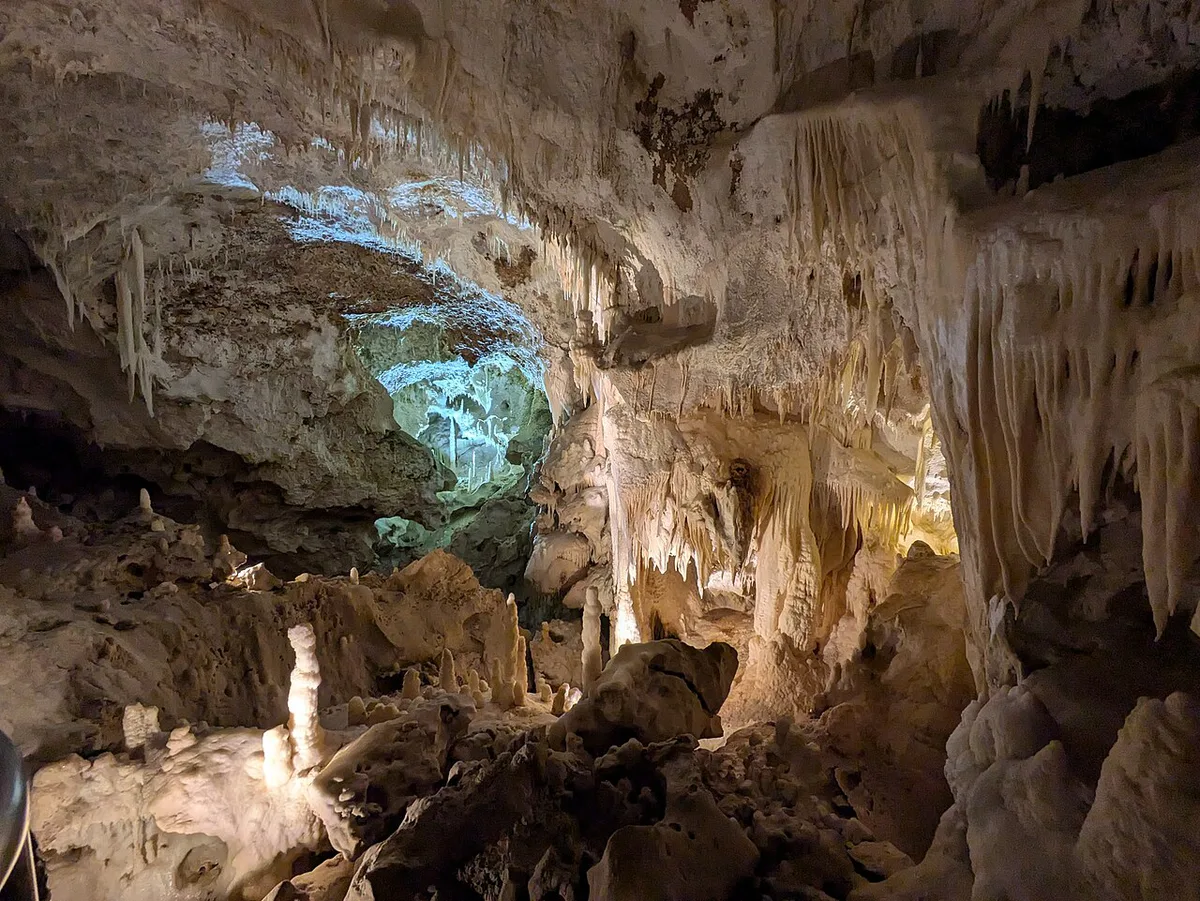
Caves stay cool whatever the weather outside, so bring layers even in summer. Our cave temperature guide explains why. For footwear and clothing choices, see What to Wear in a Cave: Europe Checklist by Cave Type. Choose grippy, closed shoes, because floors can be damp. Check the bag rules for your venue, since screening at the entrance is common.
Event-day checklist
Run through these points before you leave your accommodation.
- Keep your ticket on your phone, with a screenshot as backup.
- Arrive earlier than for a standard concert, because entry is often by guided slot with a walk-in from the entrance. This is general advice, not a fixed figure.
- Carry ID if the venue requires it.
- Pack a light layer and leave large bags behind.
- Bring a card, as cashless payment may be the only option.
Alternatives if there's no concert on your dates
A plain guided tour of a show cave still gives you the acoustics and the atmosphere. Try a cave boat tour for water-borne trips, or browse Underground Lakes in Europe: Where to See Them. Formation fans can head to Crystal Caves in Europe: Where to See Them. To make an evening of it, look at Cave Restaurants in Europe: Where to Dine Underground. Readers who want a rougher option can read about Caving in Europe: Show Caves vs Real Caving Guide.
Notes for your next trip underground
Optional updates when we add or revise cave and underground guides.
More guides
More guides you'll find useful