Longest Cave in Europe: Top Caves by Length
Which cave is the longest in Europe? See how lengths are measured, the longest known caves, and which ones you can actually visit.
Last updated November 2026. The longest cave in Europe depends on which survey list you read, because lengths are counted by mapped passage and keep growing. Hölloch in Switzerland's Muotathal is commonly cited as the longest cave in Europe by surveyed length, and a few Eastern European systems are said to be longer. Below you will find a ranked comparison, the difference between a record and a visit, and the long caves you can actually tour, within our wider guide to caves in Europe.
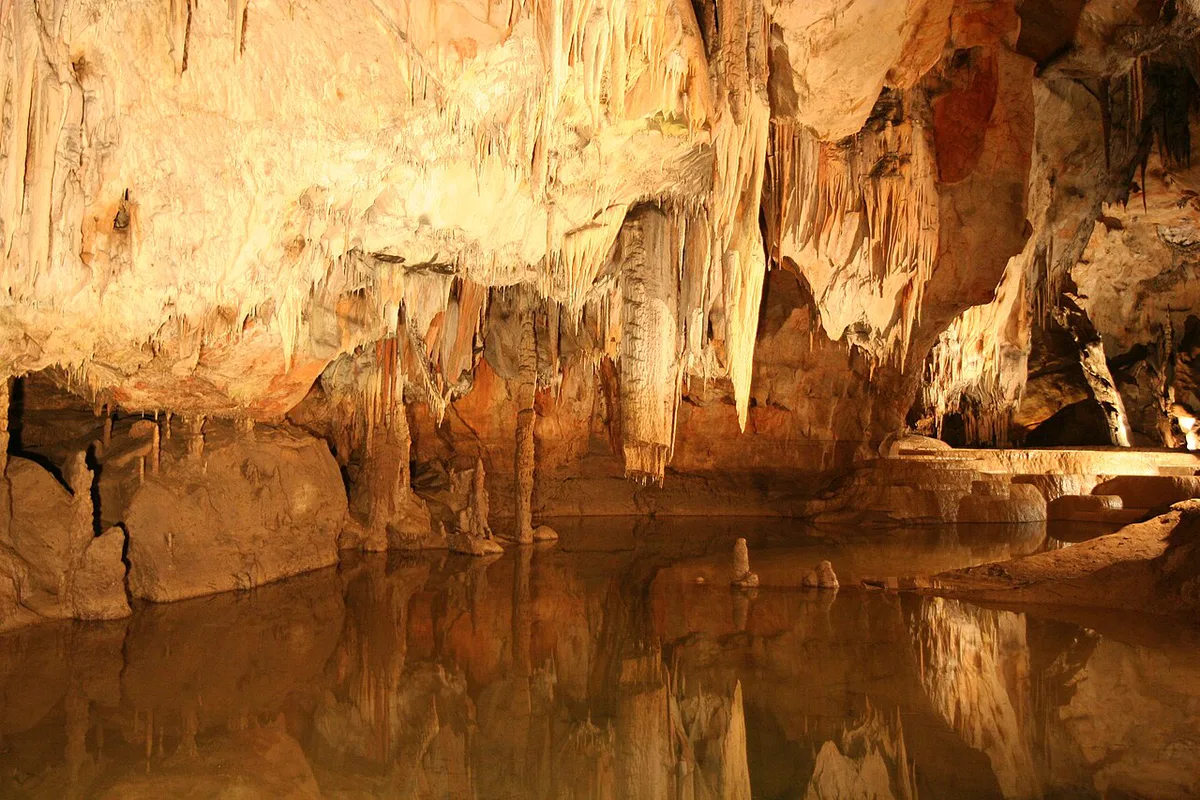
Featured image: VasuVR, CC BY 4.0, via Wikimedia Commons.
The Longest Cave in Europe, in One Answer
Hölloch, in Switzerland's Muotathal, is the name most often given for the longest cave in Europe by surveyed passage length. Its mapped network is said to exceed 200 km. Some lists place Optymistychna in Ukraine ahead of it, at a figure above 250 km. Which one you see at the top depends on the survey source and on whether the list counts all of Europe or only Western Europe. Either way, the number is a survey count, not a fixed measurement. Cavers keep connecting and mapping new passages, so every published length is a snapshot with a date on it.
Optymistychna's figure is above 250 km, yet the table lists it as caver-only, so the record is not a visit.
How Cave Length Is Measured (and Why the Record Changes)
Cave length means the total length of mapped passages, added up along the survey line. It is not the distance from the entrance to the far end. A cave with many side branches can therefore be far "longer" than it feels on a walk. Three things move the numbers over time.
- New survey trips add passages that nobody had mapped before.
- Divers and climbers push past flooded or vertical sections that stopped earlier teams.
- Two caves are sometimes found to connect, and their lengths merge into one system.
Europe's Longest Caves Ranked
Treat this table as a starting point, not a final ranking. Figures come from caving surveys and change as exploration continues, so the cave's own survey body or official site is the source to quote. Slovenia's Postojna and Škocjan also appear on some long-cave lists, but we cover them elsewhere.
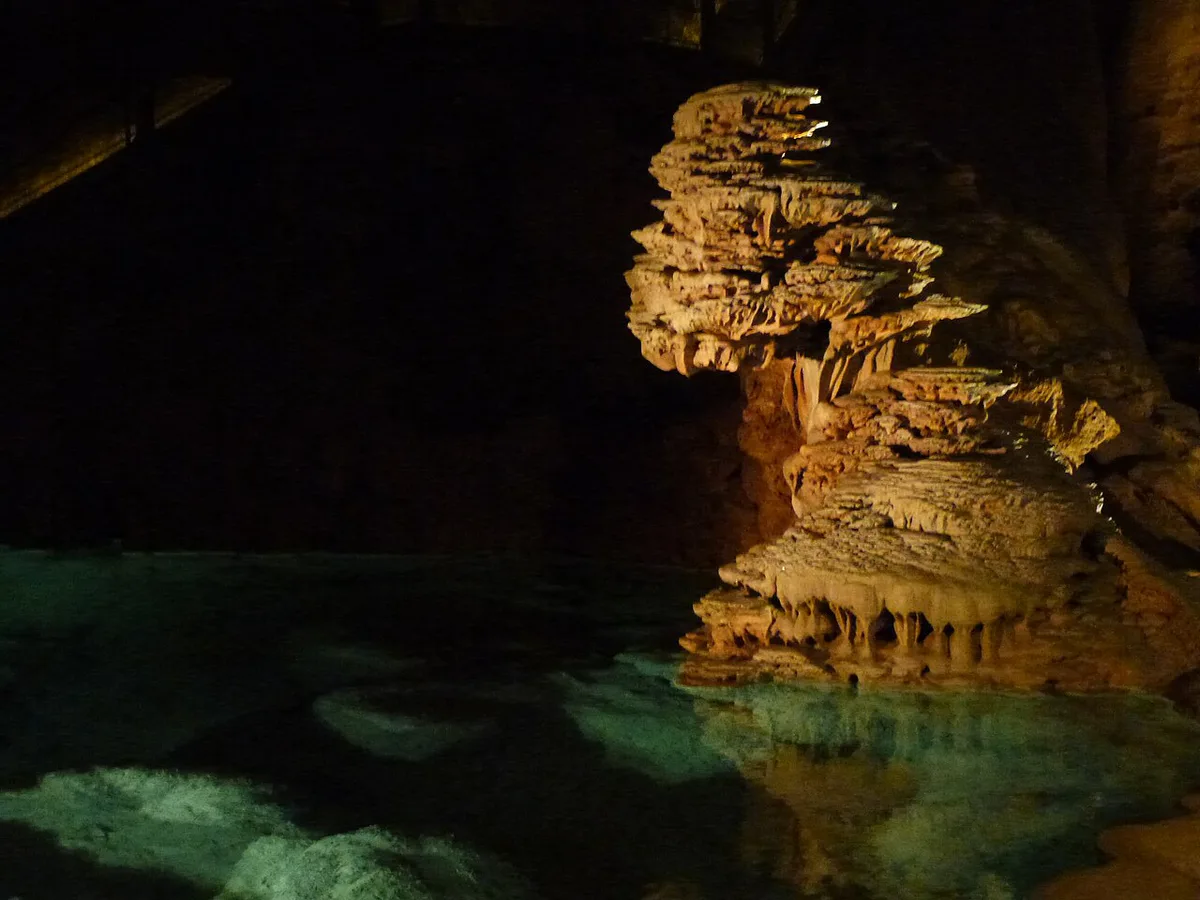
| Cave | Country | Surveyed length (as published) | Visitor access |
|---|---|---|---|
| Optymistychna | Ukraine | Said to exceed 250 km; survey figures change | Caver-only, expert trips |
| Hölloch | Switzerland | Commonly cited at more than 200 km | Guided adventure tours into a small section; see the operator |
| Baradla–Domica system | Hungary and Slovakia | Over 25 km (20.5 km is the Hungarian Baradla) | Guided tours of 60 to 100 minutes at Baradla; about 780 m guided walk at Domica |
| Gouffre de Padirac | France | Visitor circuit of about 2 km | Lift or stairs to 103 m, then galleries and an underground river boat |
Can You Actually Visit the Longest Cave in Europe?
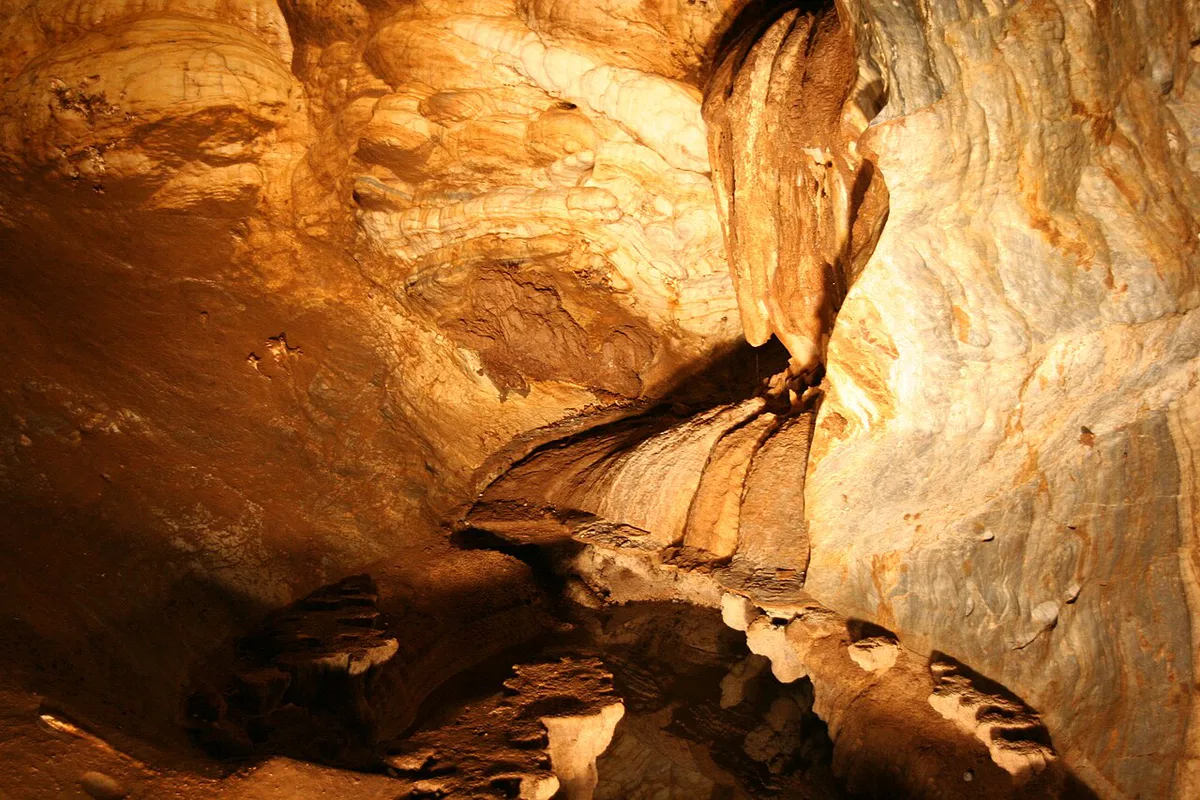
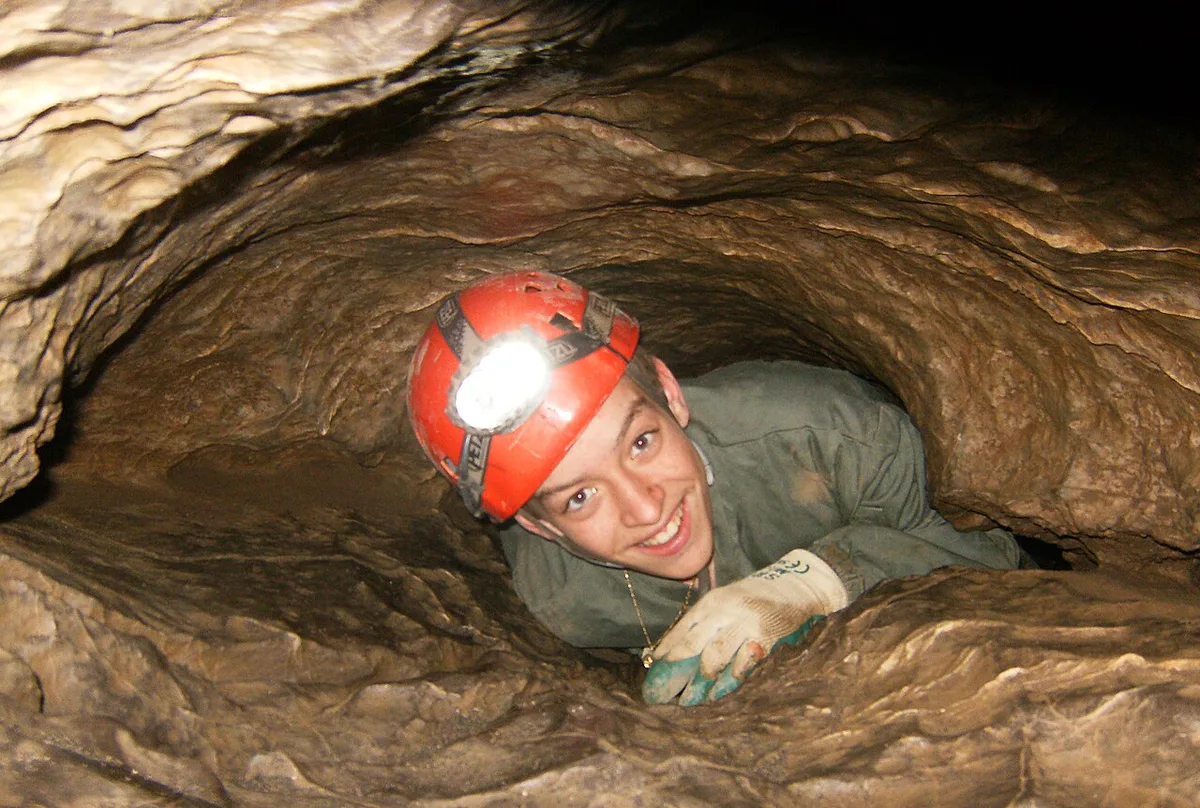
Only a tiny share of any record-length cave is open to visitors. Hölloch is mainly a caver's cave, though guided tours into a short section run for people with the right gear. Book through the local operator and read its fitness requirements first. Optymistychna is a specialist expedition, not a tourist route. If you want to understand the difference between a tour and a real expedition, read our show cave versus wild cave comparison. For a guided caving trip, start with Caving in Europe: Show Caves vs Real Caving Guide.
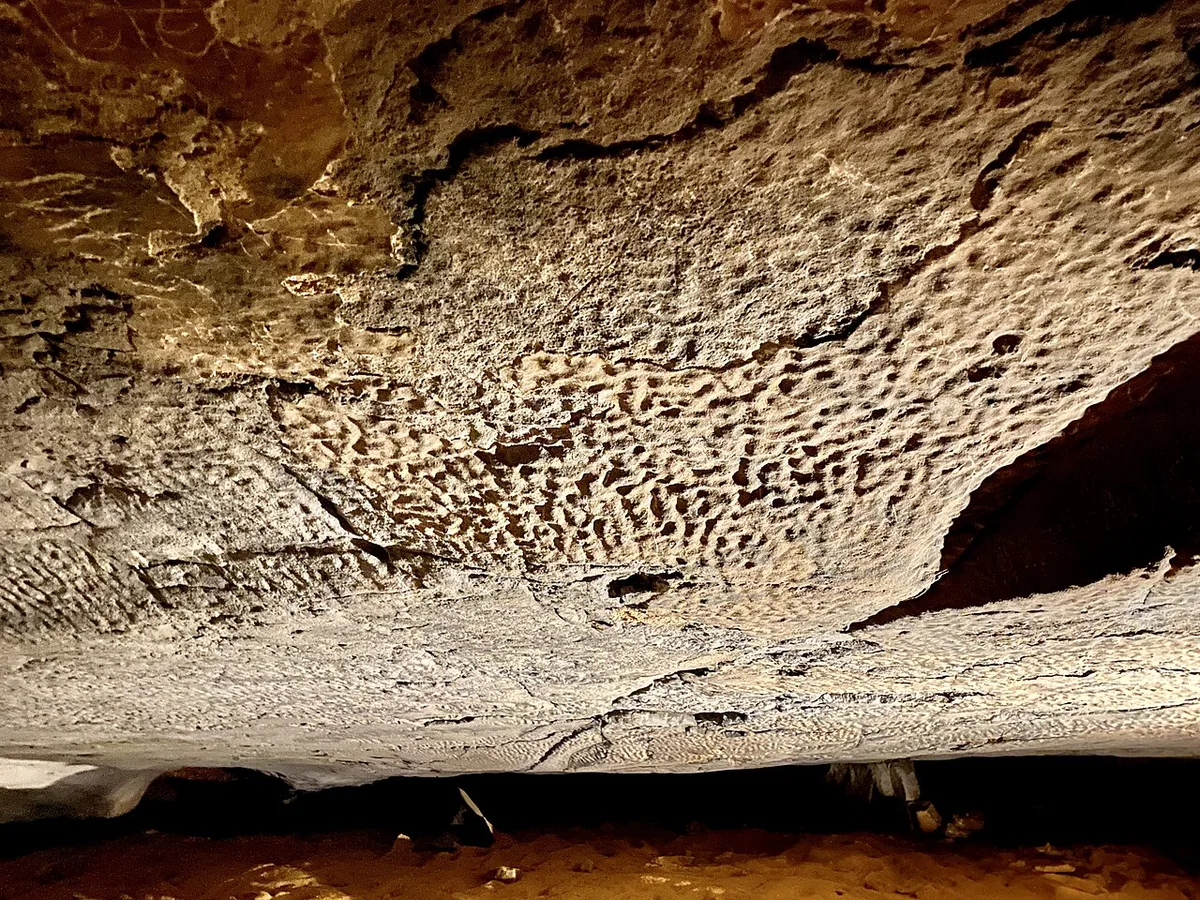
Visitable Long Caves: Hölloch, Baradla–Domica and Padirac
Hölloch is the record-class option you can actually enter, but only on guided trips. Caving databases list roughly 213,211 m of surveyed passage and a depth of 1,033 m, so read those as "more than 200 km" rather than a fixed record. It is a wild cave, not a lit show cave, and only a tiny share is open to guests. Our Hölloch guide explains the formats and how to get to Muotathal.
Baradla–Domica is the best long system for an easy visit. The system is over 25 km long, shared between Hungary and Slovakia, and it is part of the UNESCO-listed Caves of Aggtelek Karst and Slovak Karst. On the Hungarian side, Baradla Cave offers three standard tours: Aggtelek short (1 km, 60 minutes, easy), Jósvafő short (1.4 km, 60 minutes, moderately difficult) and Vöröstó middle (2.3 km, 100 minutes). On the Slovak side, Domica Cave gives a guided walk of about 780 m, plus a boat ride on the Styx river only when water levels allow. Baradla's main branch is 6.6 km of streambed passage between the villages of Aggtelek and Jósvafő. Domica is known for cascading lakes, onion-shaped stalactites and a winter colony of 1,000 to 2,000 lesser horseshoe bats. Temperatures stay at roughly 9 to 11 °C.
Gouffre de Padirac in the Lot is not a record holder by length, but it is the most dramatic visit of the group. A lift or stairs take you to 103 m, then you walk the galleries and ride a boat on the underground river on a circuit of about 2 km. Allow about 1h30 and expect 13 °C air. Édouard-Alfred Martel discovered the chasm in 1889, and its natural pit measures 33 m across and 75 m deep. See our Padirac guide.
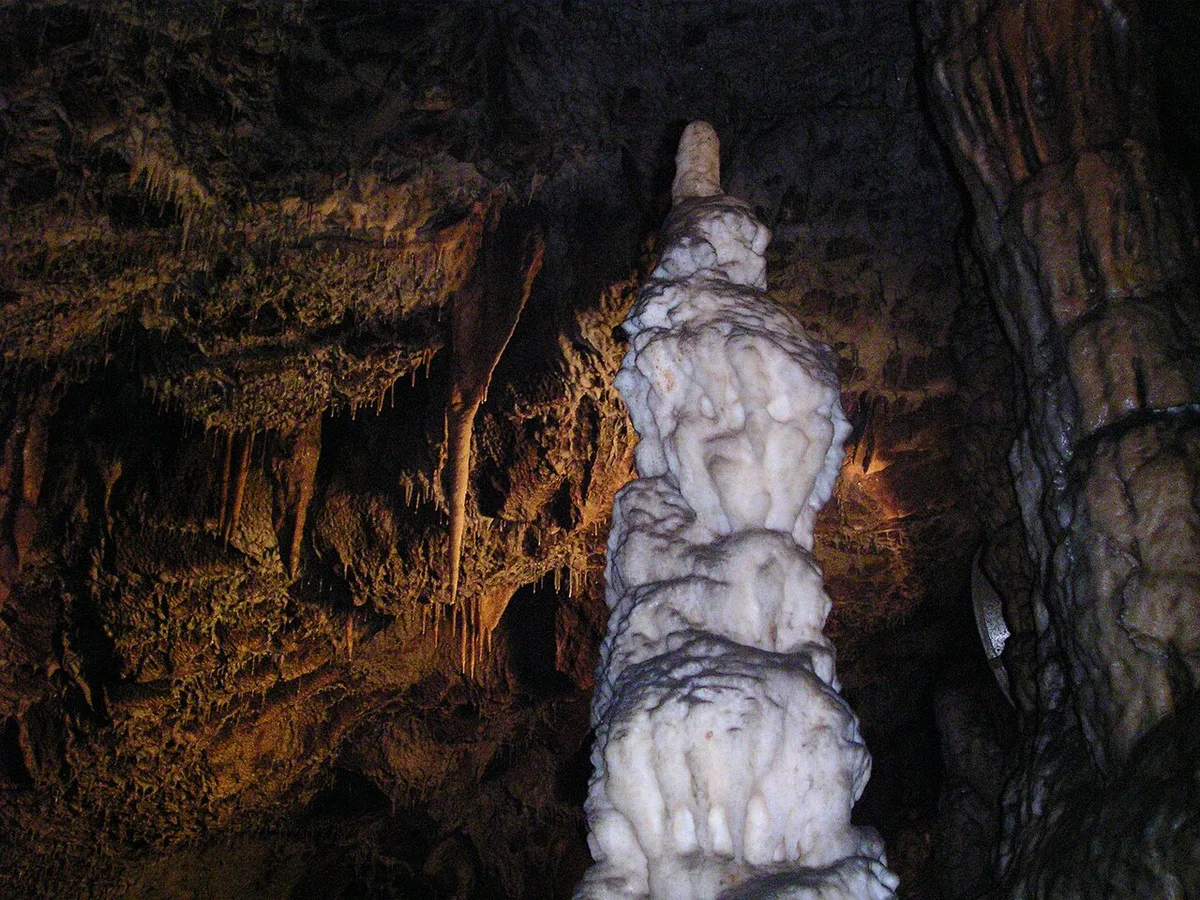
| Hölloch | Baradla–Domica | Padirac | |
|---|---|---|---|
| Visitor route | Guided trips into a small section | 60 to 100 minute tours (Baradla), about 780 m (Domica) | About 2 km, on foot and by boat |
| Effort | High; wild cave conditions | Easy to moderate | Low to moderate; lift or stairs |
| Best for | Adventure seekers | Families, first-timers | One big visit near Rocamadour |
Longest vs. Largest vs. Deepest
Three different records get mixed up in search results. Length counts mapped passage. Size counts volume or the biggest chamber, so see the largest cave in Europe. Depth counts vertical drop, which is covered in the deepest cave in Europe. A cave can top one list and sit far down another, so check which measure a headline is using.
Which One Fits You? (Decision Guide)
Pick Baradla or Domica if you want a relaxed walking tour of a very long system. Pick Padirac if you want a big descent and a boat ride on one outing. Pick a guided Hölloch tour or a caving operator if you want a real wild-cave experience. Choose none of them for a quick stop: even the shortest tours take most of a half day once you add the transfer.
Record-length caves are measured in hundreds of kilometers, yet visitors usually walk 1 to 2 km of them, so pick by the tour you want, not the headline number.
Planning Tips and Mistakes to Avoid
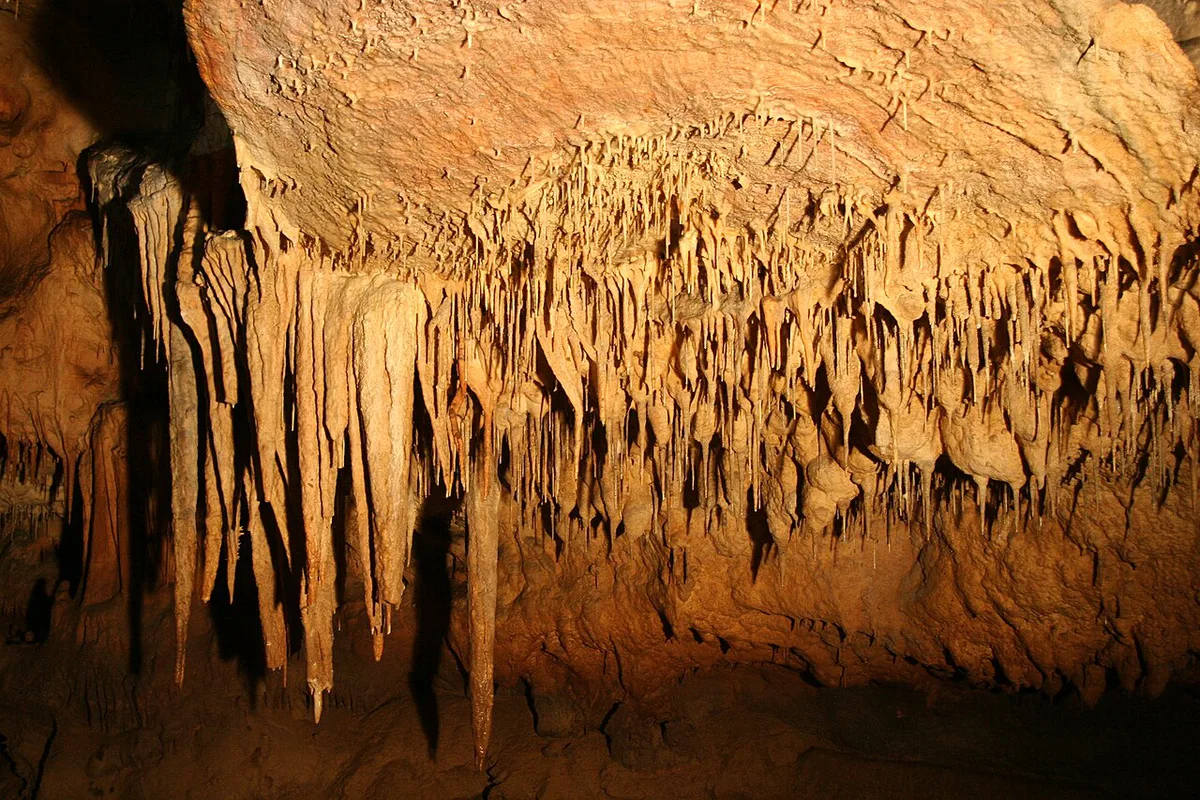
Caves stay cool whatever the season: roughly 9 to 11 °C at Baradla and 13 °C at Padirac, so a light jacket matters even in summer. Our guides to How Cold Is It in a Cave? Temperatures and What to Wear and What to Wear in a Cave: Europe Checklist by Cave Type explain the layers. Wear shoes with grip. Do not assume the full listed length is walkable: at Baradla–Domica the system is over 25 km long, while a standard tour covers 1 to 2.3 km. Book ahead in peak season, because tours run at set times and languages. Prices, hours and rules change, so check each cave's official site before you go. If you like formations, read stalactites versus stalagmites before you arrive.
Notes for your next trip underground
Optional updates when we add or revise cave and underground guides.
More guides
More guides you'll find useful