
Largest Cave in Europe: Which One and Can You Visit?
Which is the largest cave in Europe? See how length, chamber size and volume compare, which caves are open to visitors, and how to choose.
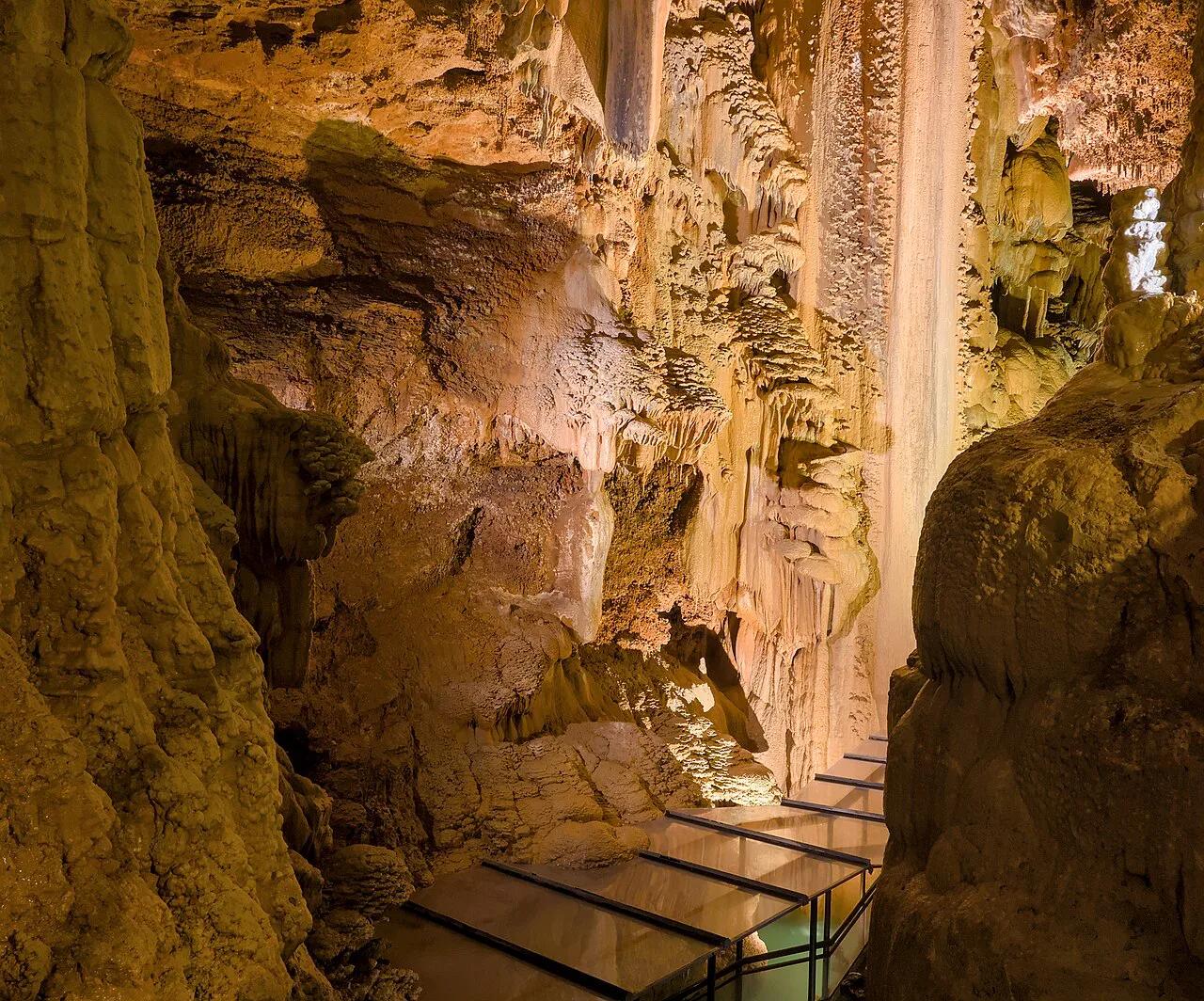
Last updated November 2026: the largest cave in Europe has no single answer, because length, chamber size and volume each name a different cave. Grotte di Frasassi in Italy is the clearest pick if you want enormous halls you can walk into on a guided route. Our guide to caves in Europe covers the wider field.
Featured image: uwelino, CC BY-SA 4.0, via Flickr.
What "largest cave in Europe" actually measures
Search results mix up four different records. Total surveyed passage length is a separate contest, handled in our guide to the Longest Cave in Europe: Top Caves by Length. Depth is another, covered under the Deepest Cave in Europe: Depth, Ranking and Access. This page focuses on chamber size and on which big caves you can enter. A dash marks a record with no published source we can cite.
| Measure | Leading cave | Country | Open to the public? | Source |
|---|---|---|---|---|
| Large chambers you can visit | Grotte di Frasassi | Italy | Yes, guided | Frasassi official site |
| Total passage length | See longest-cave guide | — | — | — |
| Depth | See deepest-cave guide | — | Mostly no | — |
| Total volume | — | — | — | — |
Largest caves you can visit
Show caves trade record status for access. Each one below is run by an operator with its own ticketing, so book through the official page.
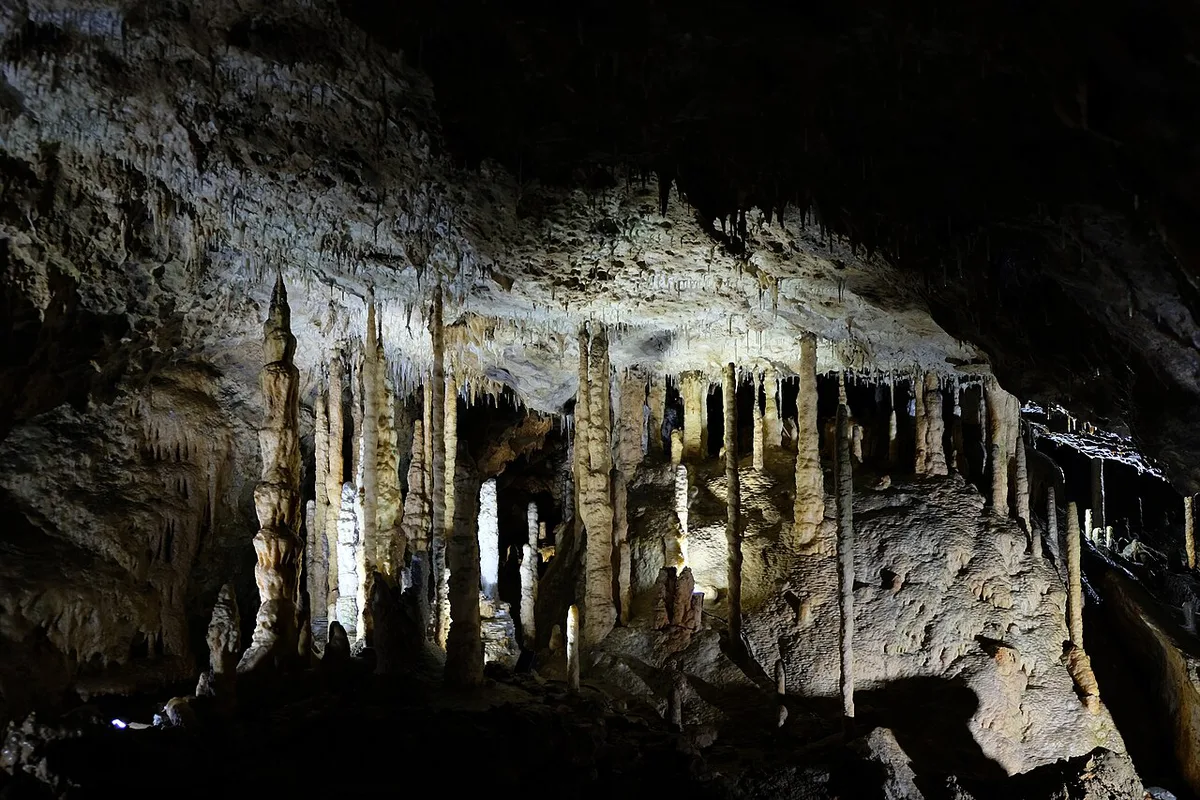
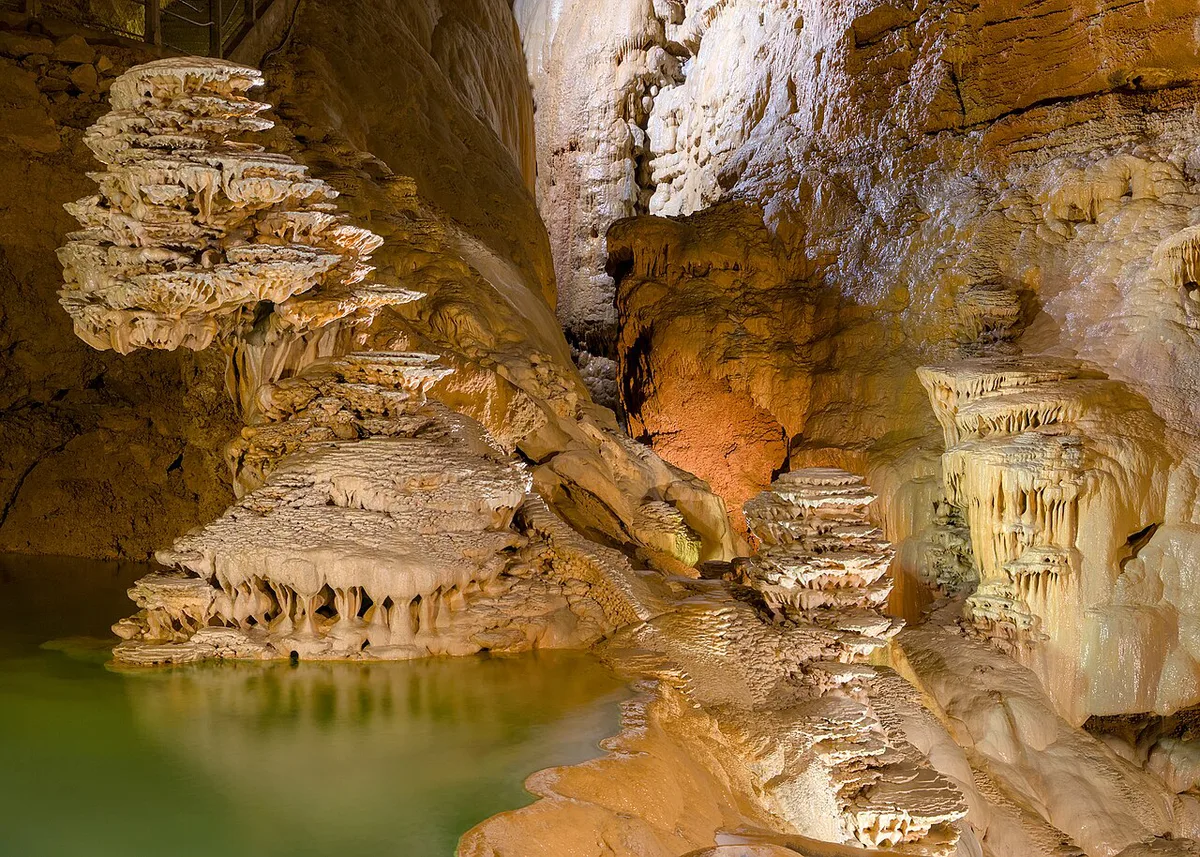
- Grotte di Frasassi in Italy: the pick for sheer chamber scale. Regional tourism information puts the Ancona Abyss at roughly 180 m long, 120 m wide and up to 200 m high, and our Frasassi guide covers the guided route. Skip it if you dislike enclosed, damp spaces or cannot commit to a fixed guided slot.
- Han-sur-Lesse in Belgium: a long guided visit with a strong underground-water element. The air stays at a constant 13 °C, the guided tour takes 1 to 1.5 hours, and our Grottes de Han guide covers the tram ride and the wildlife park. Skip it if you are sensitive to cold.
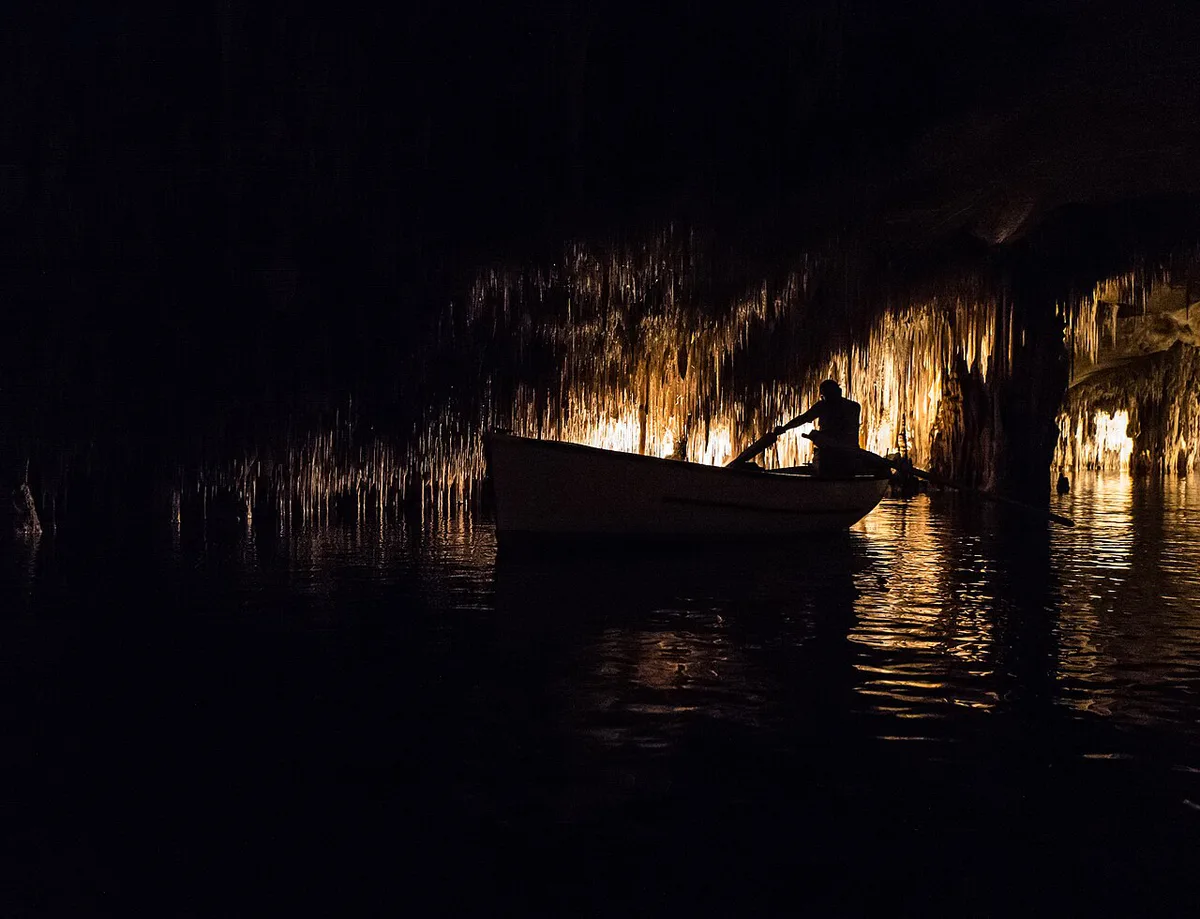
- Cuevas del Drach on Mallorca: known for Lake Martel and the live classical-music concert performed on the water. Reports describe a route of more than 1,200 meters, and our Caves of Drach guide covers the visit. Book ahead in high season, because timed entry can sell out. Skip it if crowds in narrow passages bother you.
Largest caves you cannot visit
Many record-holders are wild caves with no tourist route. Access needs a permit, technical skill, or both, and conservation rules often limit entry further. Our comparison of a What Is a Show Cave? Show Caves vs Wild Caves Explained explains the difference. For guided underground trips beyond show caves, read about Caving in Europe: Show Caves vs Real Caving Guide. Operators such as the Slovak Caves Administration publish which of their caves are open and when. Closures often protect hibernating colonies, as explained in our page on Bats In Caves: Why They Roost & Where To See Them.
How to choose: scale or spectacle
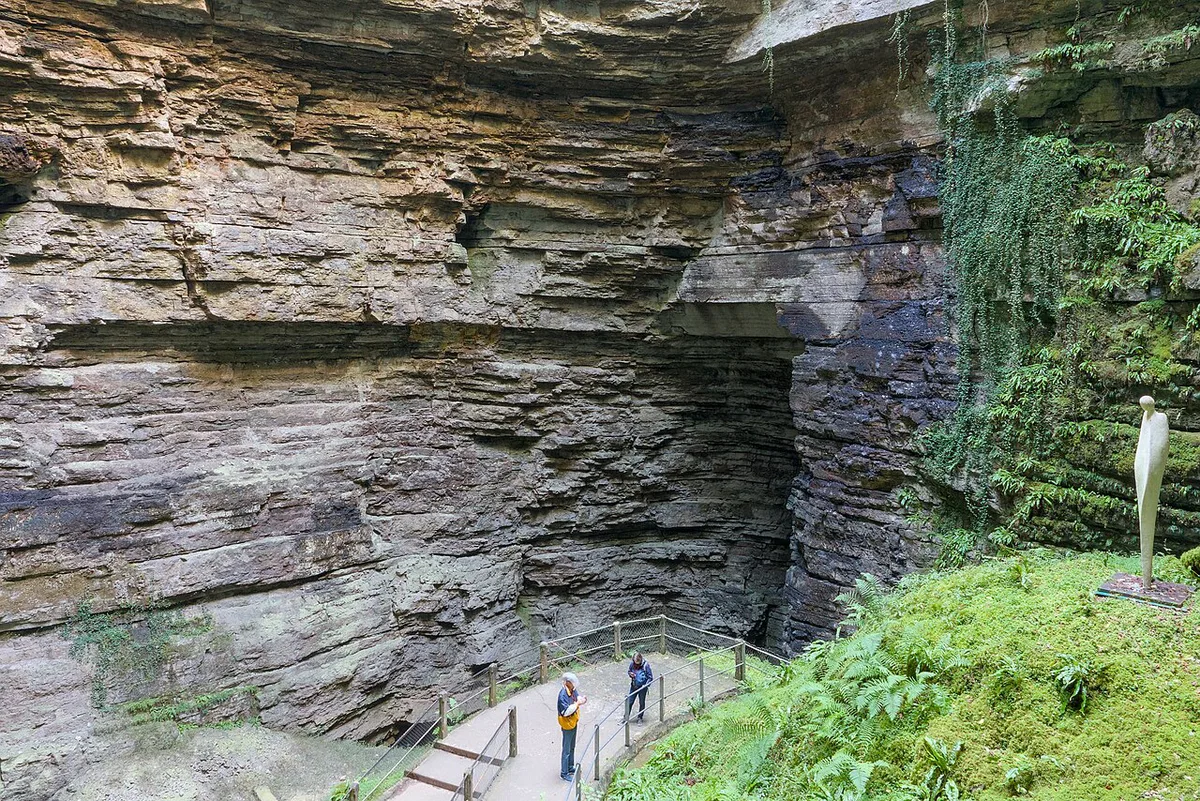
The biggest cave is rarely the best visit. A huge empty hall can feel plainer than a smaller cave full of formations. Our explainer on Stalactites vs Stalagmites: How to Tell Them Apart helps you read what you see.
- Mistake to avoid: booking a record-holder without checking whether the public can enter it.
- Pick Frasassi if you want the sense of a single enormous space on a guided route.
- Pick Han-sur-Lesse or Cuevas del Drach if water matters more to you than volume.
- Check stairs, walking distance and tour duration against your mobility before you book.
Practical logistics
Caves stay cool year-round, so see How Cold Is It in a Cave? Temperatures and What to Wear for what to expect. Tickets, tour times, closures and photo rules sit on each official site, and our guide on What to Wear in a Cave: Europe Checklist by Cave Type covers footwear and layers.
How to read a "largest cave" claim
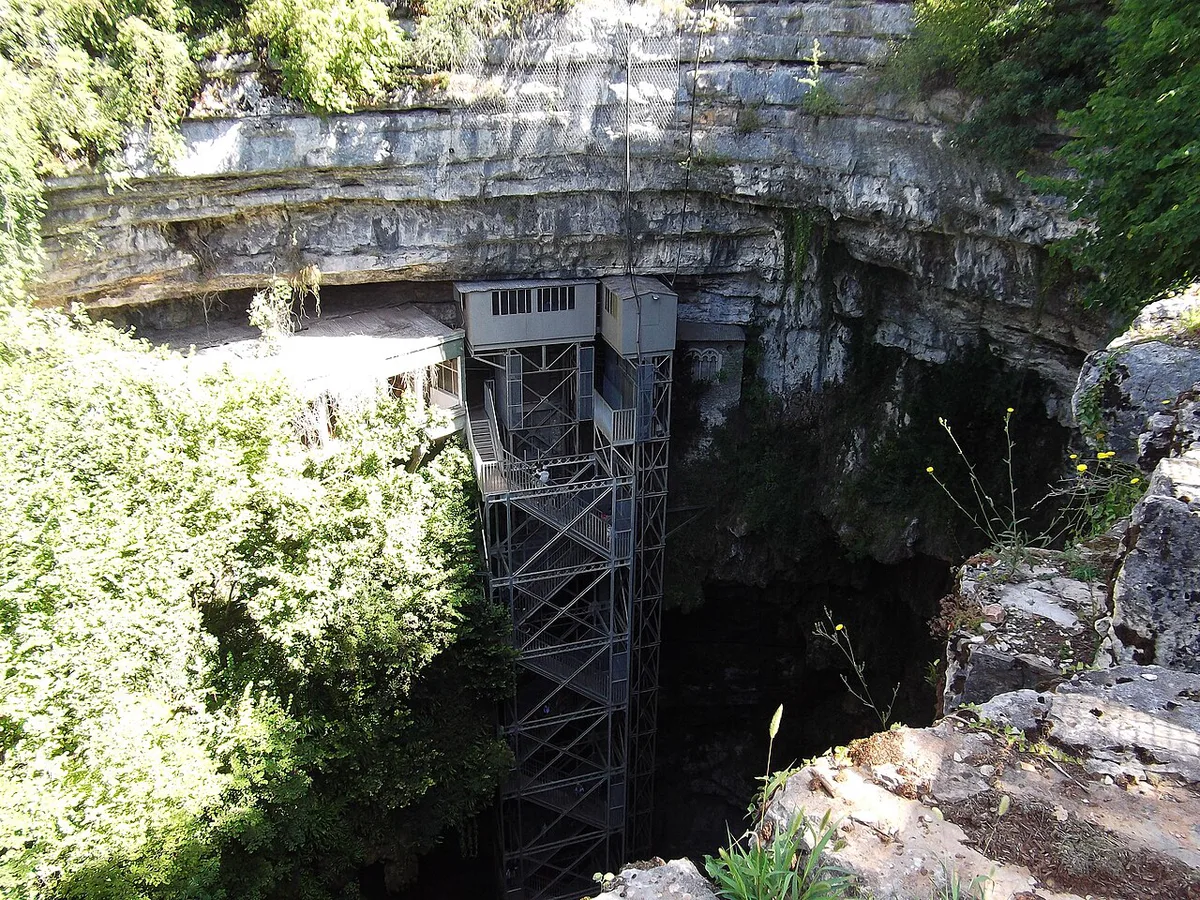
Before you trust a headline, ask which measure it uses. A cave can hold a vast single hall yet have little surveyed passage, while a cave with huge total length may consist of narrow tunnels no visitor will ever see. Length, depth, chamber size and volume are separate records, and each is usually kept by a different cave.
- Look at the measure: length, depth, one chamber or total volume.
- Look at the source: an operator's own page or a national caving body beats a social post.
- Check access: a record-holder and a visitable cave are often two different places.
- Do not confuse "most visited" or "largest show cave" with "largest cave". Those describe tourism, not size.
When a page gives a figure with no measure or source, treat it as unverified and look for the cave's official site before you plan a trip around it.
Nearby add-ons
If a cave has a lake, pair it with our guide to Underground Lakes in Europe: Where to See Them. Boat-based visits are listed in Cave Boat Tours in Europe: Where to Ride and How to Choose.
Notes for your next trip underground
Optional updates when we add or revise cave and underground guides.
More guides
More guides you'll find useful





