
Deepest Cave in Europe: Depth, Ranking and Access
Which cave is the deepest in Europe? See the answer under each border definition, a ranked table of deep caves, and what visitors can actually do.
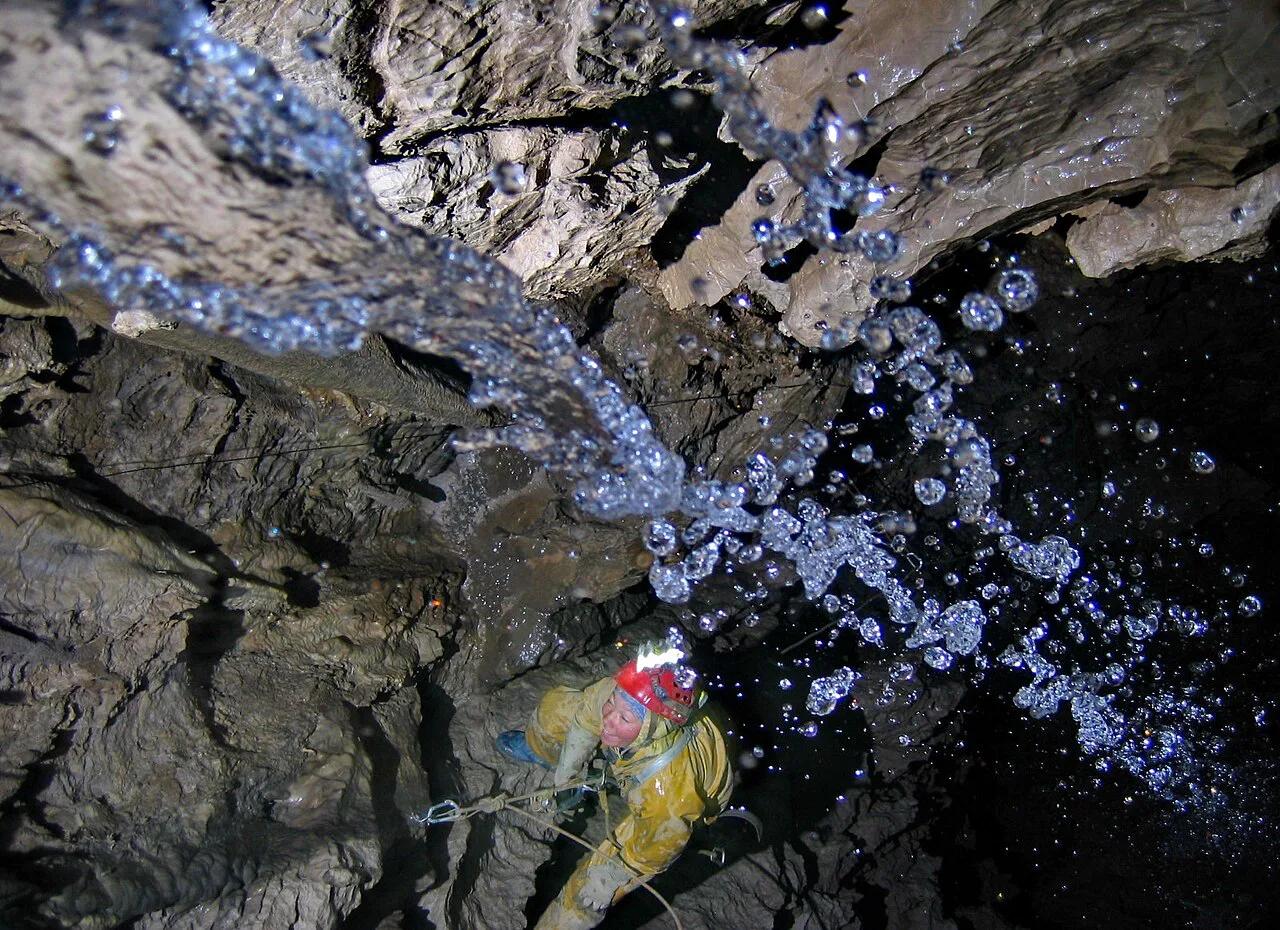
Last updated November 2026. The deepest cave in Europe depends on where you draw the border. Krubera (Voronya) Cave and Veryovkina Cave in the Western Caucasus are the deepest known caves on Earth, at roughly 2,191 m and 2,212 m. If you stop at the Alps and Pyrenees, the answer is Gouffre Mirolda/Lucien Bouclier in France at 1,733 m. None of these is a tourist stop, and our guide to caves in Europe covers the ones you can enter.
Featured image: Terry Kearney AKA Oneterry, CC0 1.0, via Flickr.
The Short Answer: Deepest Cave in Europe
Krubera (Voronya) Cave sits in the Arabika Massif of Abkhazia, in the Western Caucasus. Its explored depth reached 2,191 m (7,188 ft) in 2007. Veryovkina Cave, in the same massif, is reported deeper at about 2,212 m (7,257 ft). Both are expedition-only caves, run by trained teams with rope and diving gear. Neither offers tours.
Whether these count as European depends on the border convention you use. If you exclude the Caucasus, the deepest cave in the Alps and Pyrenees is Gouffre Mirolda/Lucien Bouclier in France, listed at 1,733 m (5,686 ft). Treat every depth here as a snapshot, because exploration keeps revising the numbers.
Europe's Deepest Caves Compared
The table ranks caves by listed depth, drawing on a 2006 world cave database and expedition reports. Four French, Austrian and Spanish caves sit between 1,589 m and 1,733 m. All of them demand rope work and cold, wet progress.
| Cave | Country or region | Depth (m) | Listed as of | Access |
|---|---|---|---|---|
| Veryovkina | Abkhazia (Caucasus) | about 2,212 | expedition reports | Expedition only |
| Krubera (Voronya) | Abkhazia (Caucasus) | 2,191 | 2007 | Expedition only |
| Gouffre Mirolda/Lucien Bouclier | France | 1,733 | 2006 list | Technical caving |
| Lamprechtsofen–Vogelschacht | Austria | 1,632 | 2006 list | Technical caving |
| Réseau Jean Bernard | France | 1,602 | 2006 list | Technical caving |
| Torca del Cerro | Spain | 1,589 | 2006 list | Technical caving |
| Ceki 2 (Cehi 2) | Slovenia | 1,533 | 2006 list | Technical caving |
| Lukina Jama–Trojama | Croatia | 1,392 | 2006 list | Technical caving |
- Depths change when teams push past old limits or resurvey passages.
- Check the national caving federation for current figures before quoting a rank.
Why the Answer Depends on Where Europe Ends
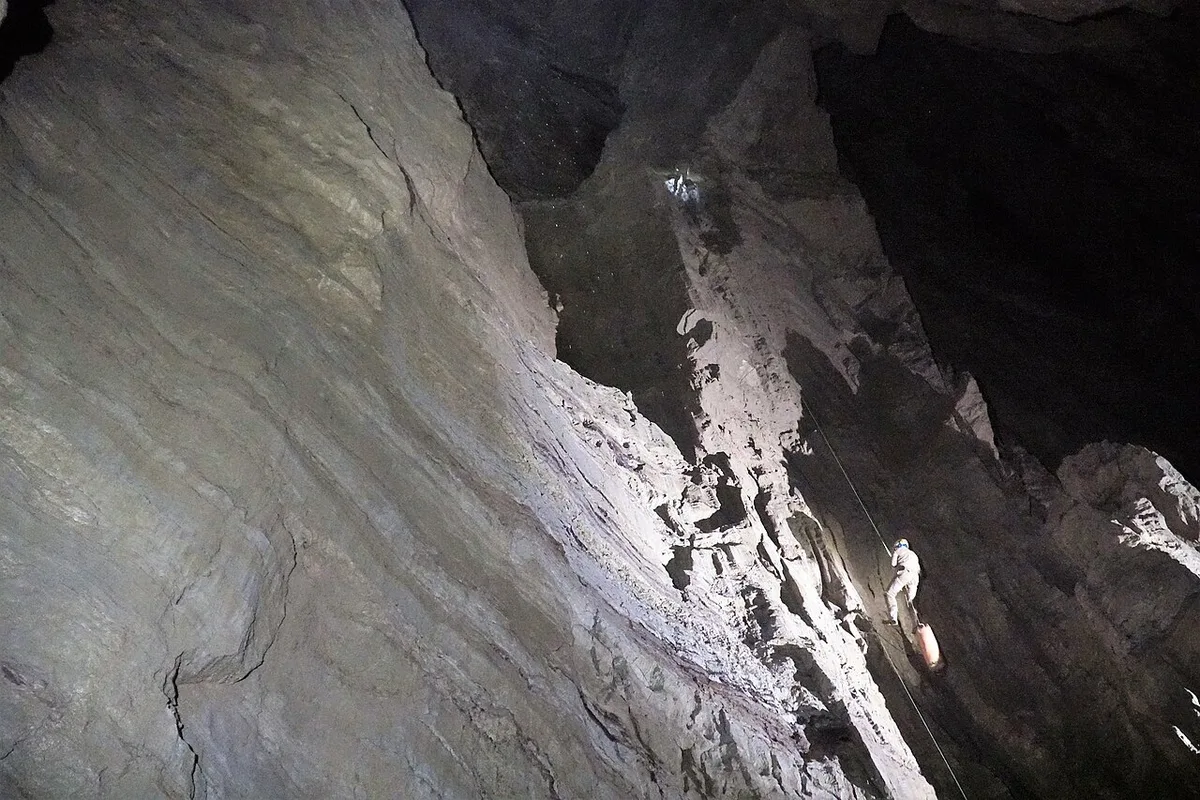
The Arabika Massif lies in the Western Caucasus, and the Caucasus is a border region. Some conventions place it in Europe and others place it in Asia. Abkhazia's political status is also disputed, so maps and references label the area differently.
The definition trade-off is simple. Count the Caucasus, and the answer is Krubera at 2,191 m or Veryovkina at about 2,212 m. Stop at the Alps, Pyrenees and Cantabrian Mountains, and Gouffre Mirolda/Lucien Bouclier leads at 1,733 m. Check current government travel guidance before planning any trip toward Abkhazia.
How Cave Depth Is Measured
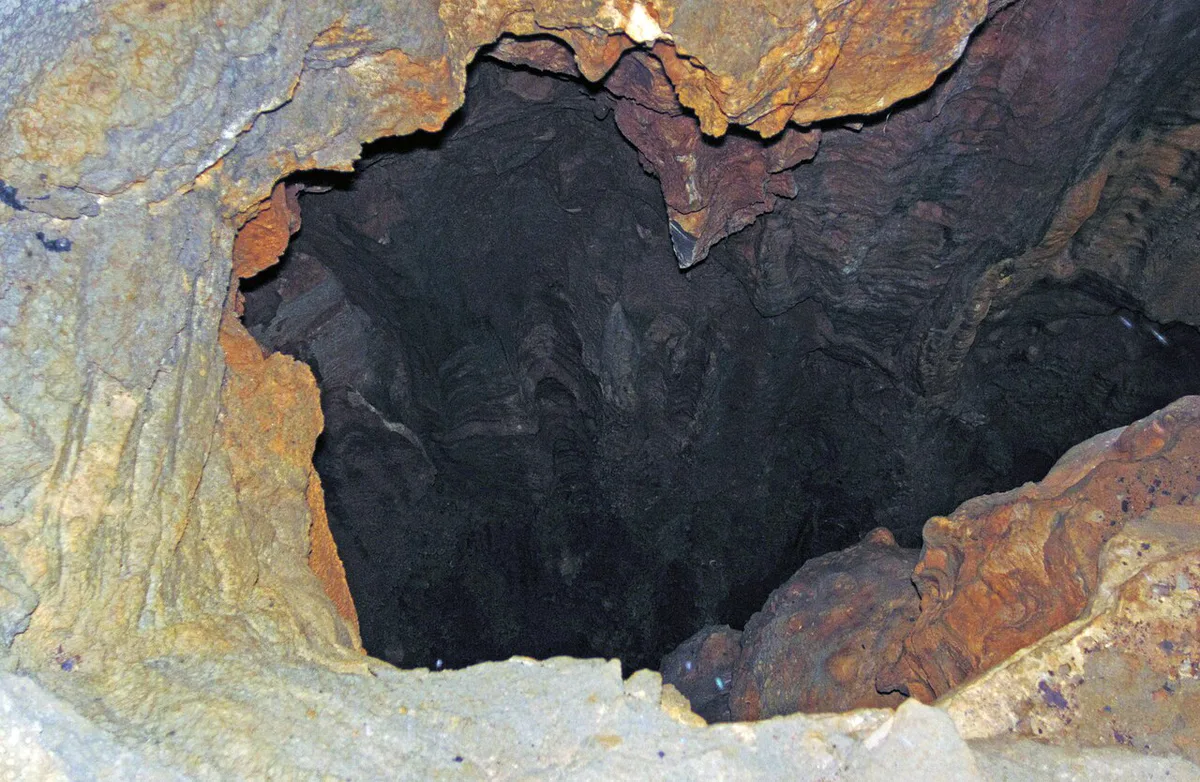
Depth is the vertical range between the entrance and the lowest surveyed point. Teams measure it with tapes, instruments and repeated surveys. Krubera's figure carries a margin of ±20 m for that reason.
Records also move when divers push past a flooded section. In 2007, Gennadiiy Samokhin dived 46 m into Krubera's terminal sump to reach 2,191 m. Flooded sections like this relate to the Underground Lakes in Europe: Where to See Them. Unconfirmed figures, such as a 2,160 m entry listed in 2005, appear when a team's survey has not been verified.
A Short History of the Depth Record
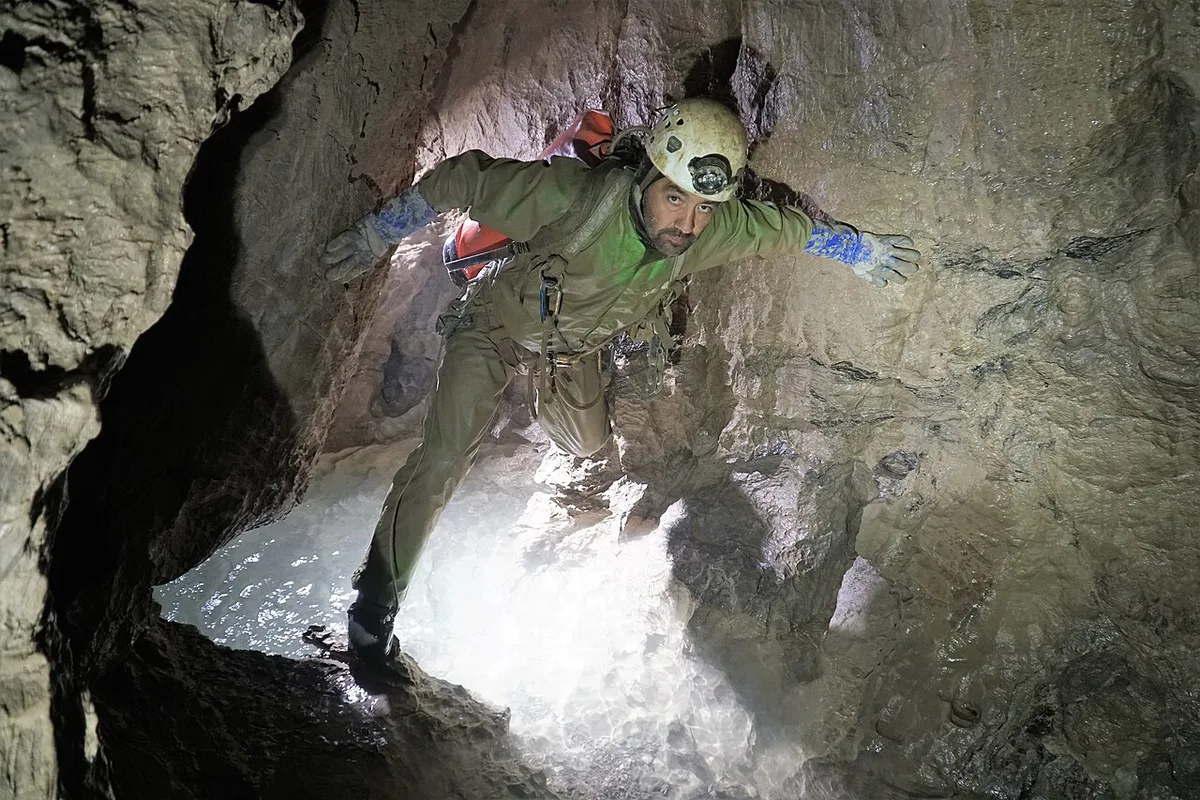
Krubera's climb past the old record took six years. The steps below come from expedition accounts of the Ukrainian Speleological Association, so check them against current records.
- Before 2001: Lamprechtsofen in the Austrian Alps held the record.
- 2001: Krubera reached 1,710 m, beating Lamprechtsofen by 80 m.
- 2004: an expedition reached 2,080 m, the first cave explored below 2,000 m.
- 2007: the sump dive brought Krubera to 2,191 m.
- Later: expedition reports put Veryovkina near 2,212 m.
How Deep-Cave Expeditions Work: Camps, Ropes and Sumps
Reaching the bottom of a cave like Krubera or Veryovkina is a multi-week logistics project, not a long descent. Teams do not make a single push from the surface. They rig the cave section by section and move people and supplies down in stages.
- Rigging: Cavers fix ropes down each shaft, pitch by pitch. In a cave this deep, that means hundreds of rope sections and many rebelays.
- Underground camps: Teams set up camps at intervals below the entrance, where they sleep, cook and dry gear. This is how they stay underground for days at a time without returning to the surface.
- Hauling: Food, rope, batteries and survey instruments are carried down in bags. Everything that goes down must also come back up, including waste.
- Surveying: Each new section is measured on the way down or on the return. Depth figures come from this survey work, which is why they carry error margins.
- The sump at the end: The deepest points are often flooded passages. Reaching them takes cave-diving gear and divers carrying it through the narrow shafts above.
Rescue is the main constraint. A casualty in a deep cave may take days to bring out, because the injured caver has to be hauled through narrow, wet passages by a relay of other cavers. This is why expeditions bring large, experienced teams and plan around water levels. Flood risk is worst when rain or snowmelt raises the water inside the cave.
If this appeals to you, build up gradually. Start with guided wild-cave trips, join a local caving club, and learn single-rope technique on shallow caves before thinking about anything deep.
Can You Visit the Deepest Caves?
Not as a tourist. Reaching the bottom of a 1,500 m cave takes days underground, vertical rope skills, and a team with rescue plans. Join a caving club and build experience on shallower caves first. Our caving in Europe guide shows where to start.
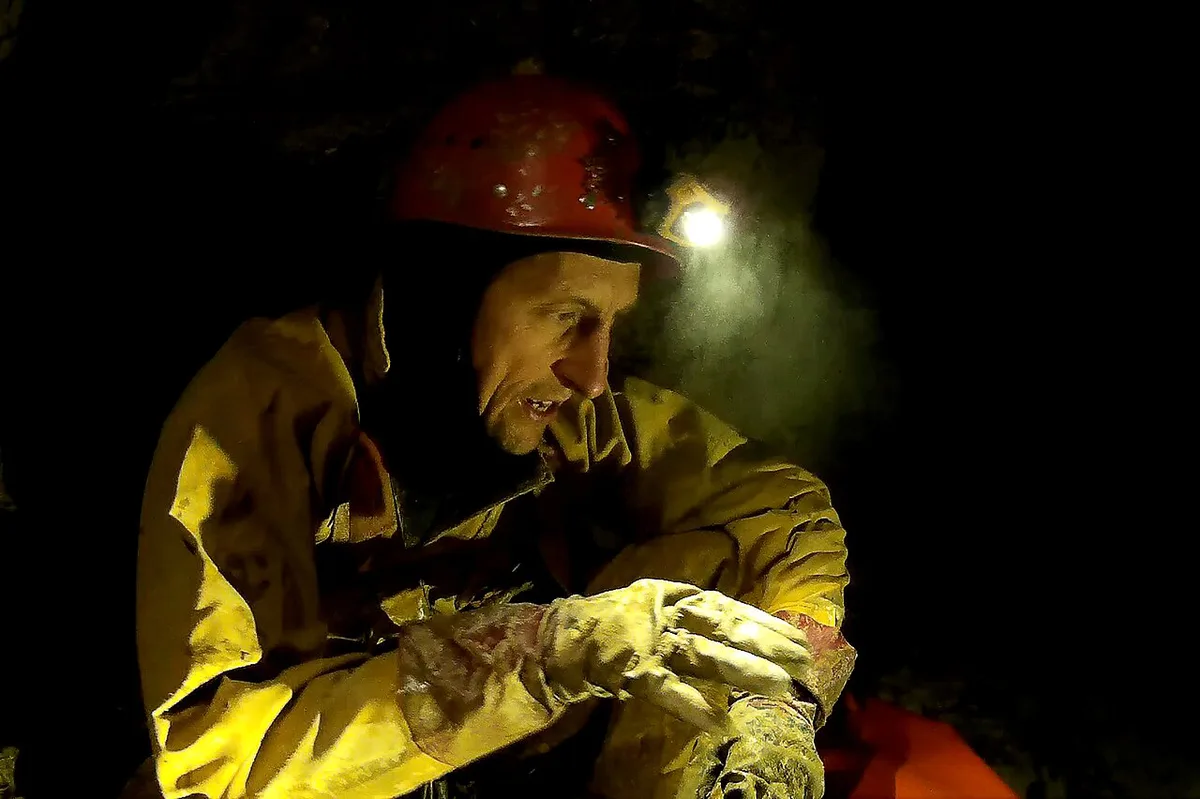
Cold and flooding are real hazards, and rescue from depth is slow. Read about How Cold Is It in a Cave? Temperatures and What to Wear and What to Wear in a Cave: Europe Checklist by Cave Type before any trip. The matrix below sorts the three access types.
| Type | Example | Who should skip |
|---|---|---|
| Expedition-only vertical cave | Krubera, Veryovkina | Anyone without rope skills and club backing |
| Wild cave with guided trips | Shallow guided caves | Anyone uncomfortable with mud, water and tight passages |
| Show cave with walkways | Han-sur-Lesse | Almost nobody; suited to families and casual visitors |
- Read What Is a Show Cave? Show Caves vs Wild Caves Explained to choose your level.
Deep vs. Long vs. Large: Which Record Do You Mean?
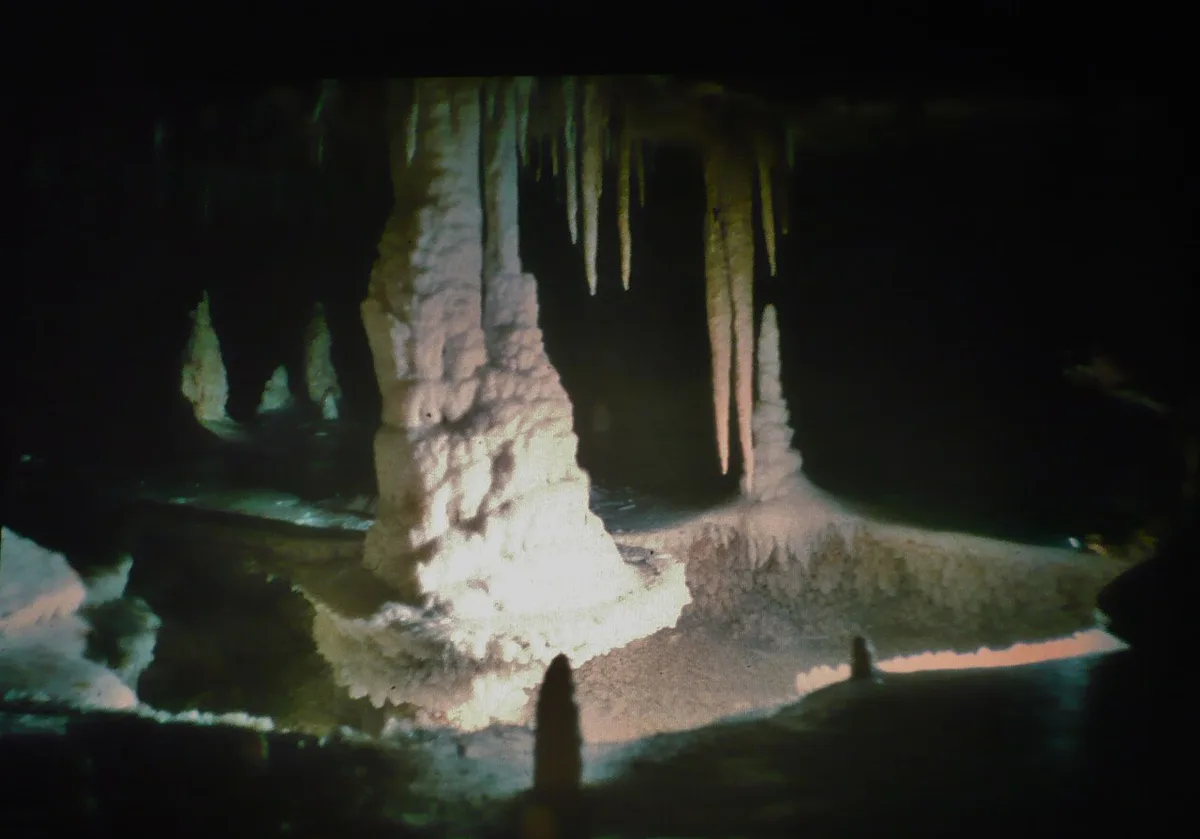
Deep means the vertical range from entrance to the lowest point. Long means the total surveyed passage. Large means the biggest chamber or volume.
The three records belong to different caves. Siebenhengste-Hohgant in Switzerland is listed at 145,000 m long but only 1,340 m deep. Mirolda/Lucien Bouclier is listed at 1,733 m deep but about 12,000 m long. For length, see the Longest Cave in Europe: Top Caves by Length. For volume, see the Largest Cave in Europe: Which One and Can You Visit?.
Safer Ways to Go Underground in Europe
Show caves give you the underground experience with lit paths and trained staff. Han-sur-Lesse in Belgium is run by its official cave operator. Italy has the Grotta Gigante, which publishes visitor details on its official site. Slovakia's caves are managed by the Slovak Caves Administration.
For something different, try an underground boat tour or visit the crystal caves. Check each site's current hours and rules before you go.
Notes for your next trip underground
Optional updates when we add or revise cave and underground guides.
More guides
More guides you'll find useful





